
A new study from Cyprus suggests pigeons lived alongside humans and were already moving toward domestication nearly 3,400 years ago. The findings push back the earliest direct evidence for pigeon domestication by almost a thousand years and offer a different view of a bird now often treated as a city nuisance.
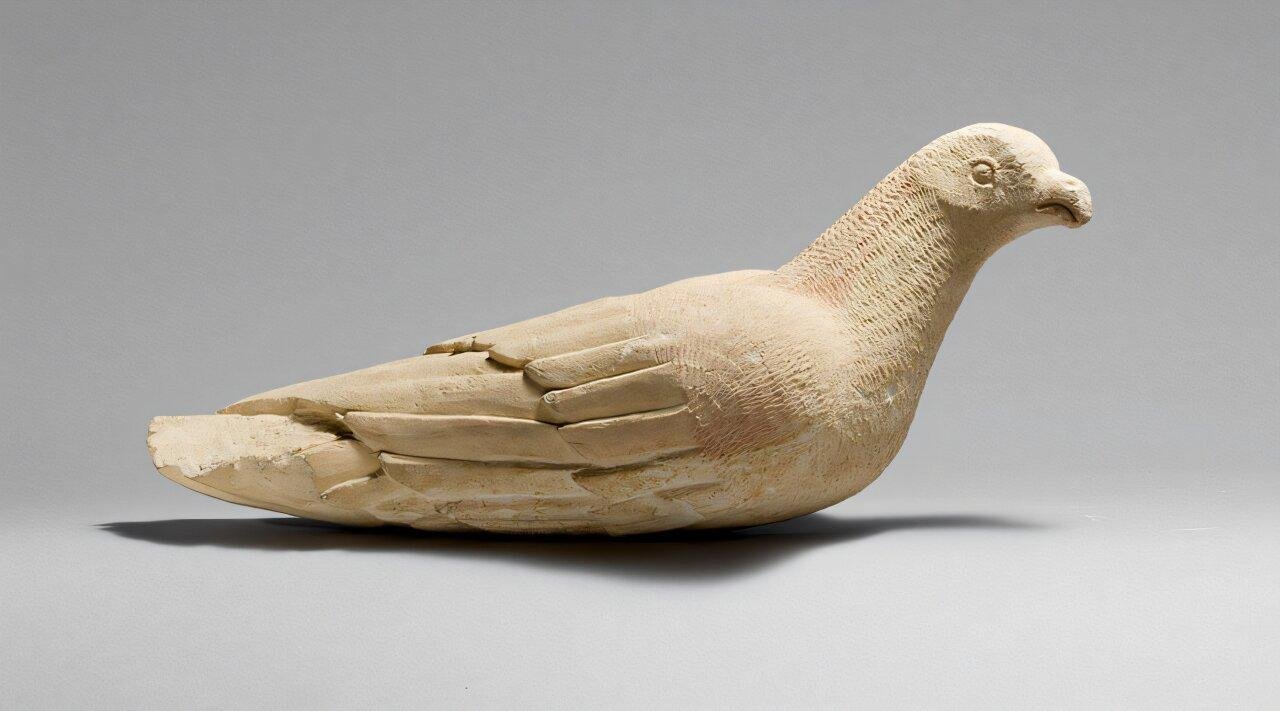
Researchers studied bird bones from the Late Bronze Age harbor city of Hala Sultan Tekke, a major settlement occupied between 1650 and 1150 BCE. The team focused on remains of rock doves, also known as common pigeons, or Columba livia. Their results were published in the journal Antiquity.
The researchers reexamined a large collection of bird bones uncovered at the site. They combined zooarchaeology with stable isotope analysis, a method used to study ancient diets through chemical signatures preserved in bones. The evidence showed pigeons at Hala Sultan Tekke ate food very similar to the diet of the humans living there.
According to the team, this points to a close relationship between people and pigeons. The birds were likely feeding on human food waste or being directly managed and fed by residents. Researchers believe pigeons were probably bred on site and had already reached a semi-domesticated stage by around 1400 BCE.
Earlier direct evidence for domesticated pigeons came from Hellenistic Greece and dated to around 323 to 265 BCE. The new findings place close human-pigeon relationships much earlier in the eastern Mediterranean.

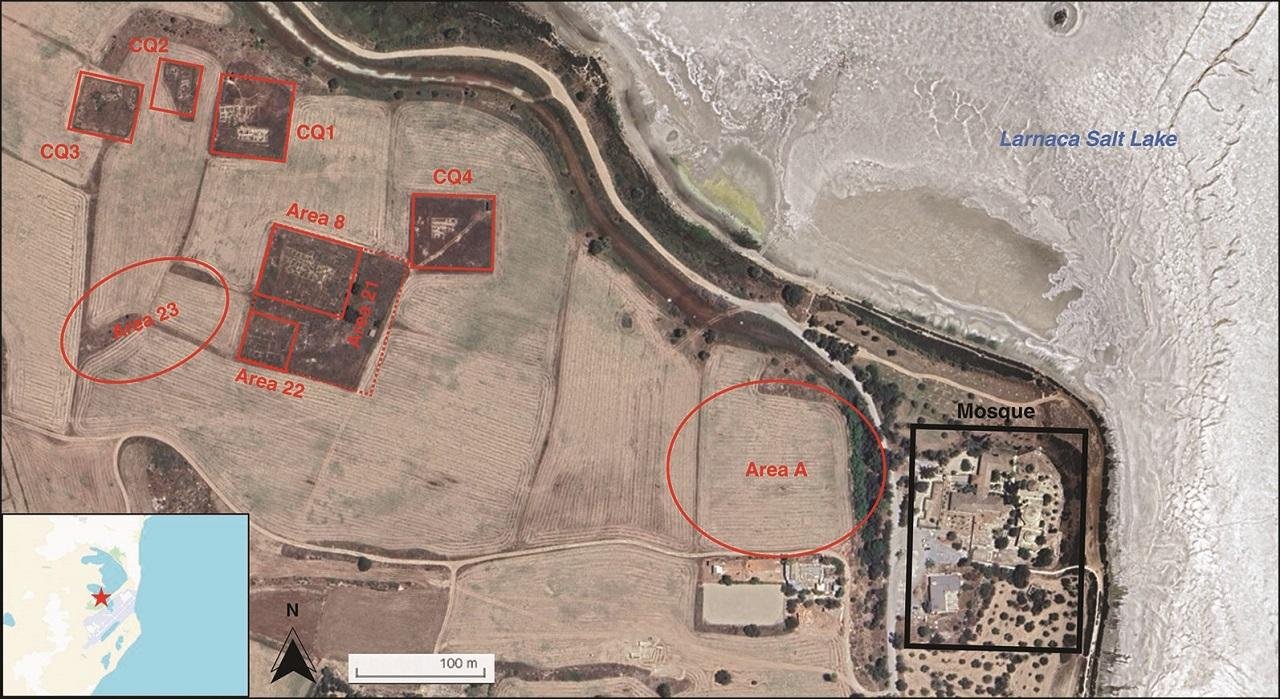
The site sits within the natural range of wild pigeons, making Cyprus an important region for studying how the species gradually adapted to life near humans. Researchers say the evidence supports what archaeologists call a commensal pathway to domestication. In this process, animals begin living near people to benefit from food and shelter before humans fully domesticate them.
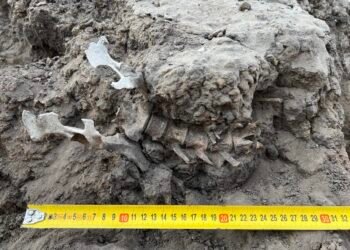
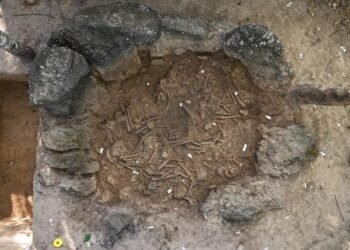
The study also revealed pigeons likely held a role beyond food production. Many pigeon bones were found burned and buried together with other animal remains inside ritual spaces. This suggests the birds were eaten during ceremonial feasts linked to religious or social activities in Bronze Age Cyprus.
No pigeon towers or dedicated breeding structures have been identified at the site. Still, bone measurements and isotope data point to long-term management of the birds by humans. Researchers describe the findings as some of the earliest direct biomolecular evidence showing humans and pigeons shared the same living environment.
The team hopes the research changes how people think about pigeons today. In Bronze Age Cyprus, pigeons formed part of everyday life and ritual practices. Their long relationship with humans stretches back thousands of years, far earlier than many historians once believed.





Disclaimer: This website is a science-focused magazine that welcomes both academic and non-academic audiences. Comments are written by users and may include personal opinions or unverified claims. They do not necessarily reflect the views of our editorial team or rely on scientific evidence.
Comment Policy: We kindly ask all commenters to engage respectfully. Comments that contain offensive, insulting, degrading, discriminatory, or racist content will be automatically removed.