
A new study by historian Rachel Mairs brings together written evidence from ancient Central Asia to examine how language and script changed across the region during the Achaemenid and Hellenistic periods. The research focuses on areas such as Bactria, Sogdiana, Arachosia, and Gandhara, which today fall within Afghanistan, Uzbekistan, Tajikistan, and Pakistan. The study appears in a recent Cambridge University Press volume and reviews texts dating from roughly the fifth century BCE to the second century CE.
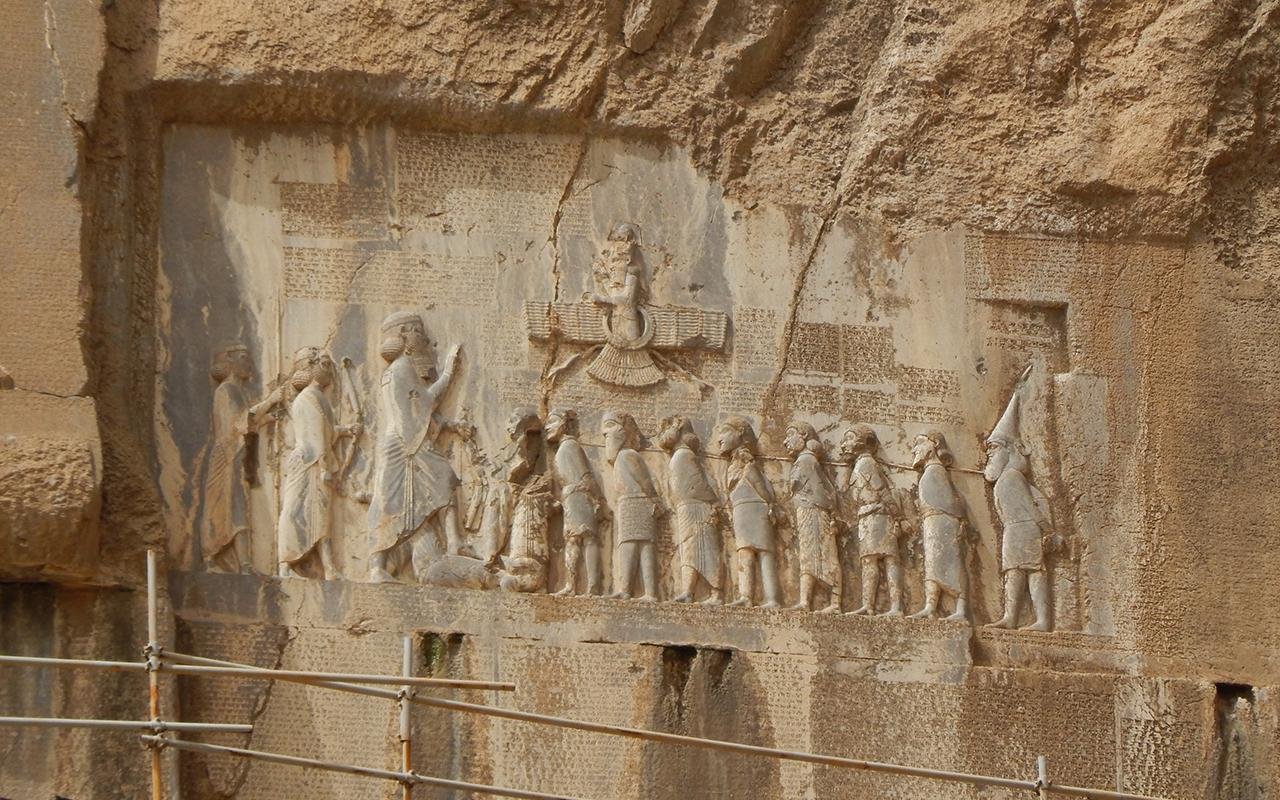
Central Asia is often described through the movement of empires, armies, and trade routes, but the study shifts attention to writing itself. According to the research, the surviving texts from this period were mostly written in imperial languages rather than local spoken ones. Under Achaemenid Persian rule, administrative texts were commonly recorded in Aramaic and Elamite. Later, after the conquests of Alexander the Great and the rise of Hellenistic kingdoms, Greek became widely used in official and public writing. In regions linked to the Mauryan Empire, Prakrit also entered the written record.
This does not mean local communities suddenly changed their everyday speech. The study argues the opposite. People in Central Asia likely continued speaking local Iranian and Indo-Aryan languages while using foreign languages for administration, trade, and formal writing. In other words, the language people wrote was often different from the one they spoke at home.
The evidence comes from inscriptions, administrative documents, and archaeological finds from sites across the region. Some of the earliest surviving written materials from Central Asia date to the fourth century BCE and come from Bactria and Arachosia. These records help show how Persian imperial systems operated far from their political center. The study notes that Aramaic served as a practical administrative language across the empire because officials from many regions needed a common written system.
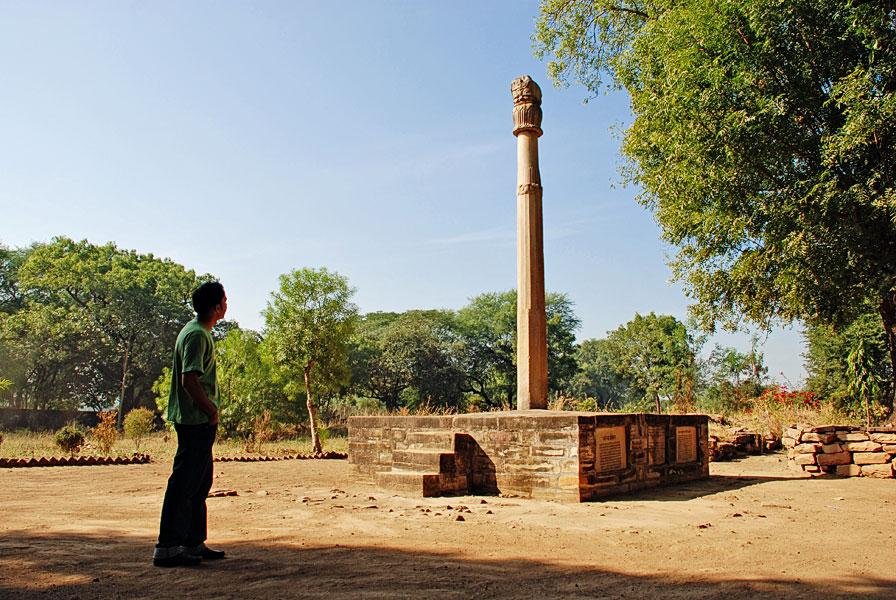
Greek later followed a similar path. After Alexander’s campaigns in the late fourth century BCE, Greek speakers appeared in larger numbers in Central Asia. In places such as Ai Khanoum, archaeologists have uncovered inscriptions and written material showing Greek was used for public display, administration, and elite culture. Yet Greek writing in the region did not always signal Greek ethnic identity. The study stresses that language and identity should not be treated as identical categories. A person writing in Greek was not necessarily Greek by origin or self-identification.

One of the study’s main findings is that script and language also followed separate paths. Scripts were repeatedly adapted for new uses. Aramaic script was used to write languages beyond Aramaic itself, including Prakrit and local Iranian languages. Greek script later became the basis for writing Bactrian, an Iranian language associated with the Kushan period.
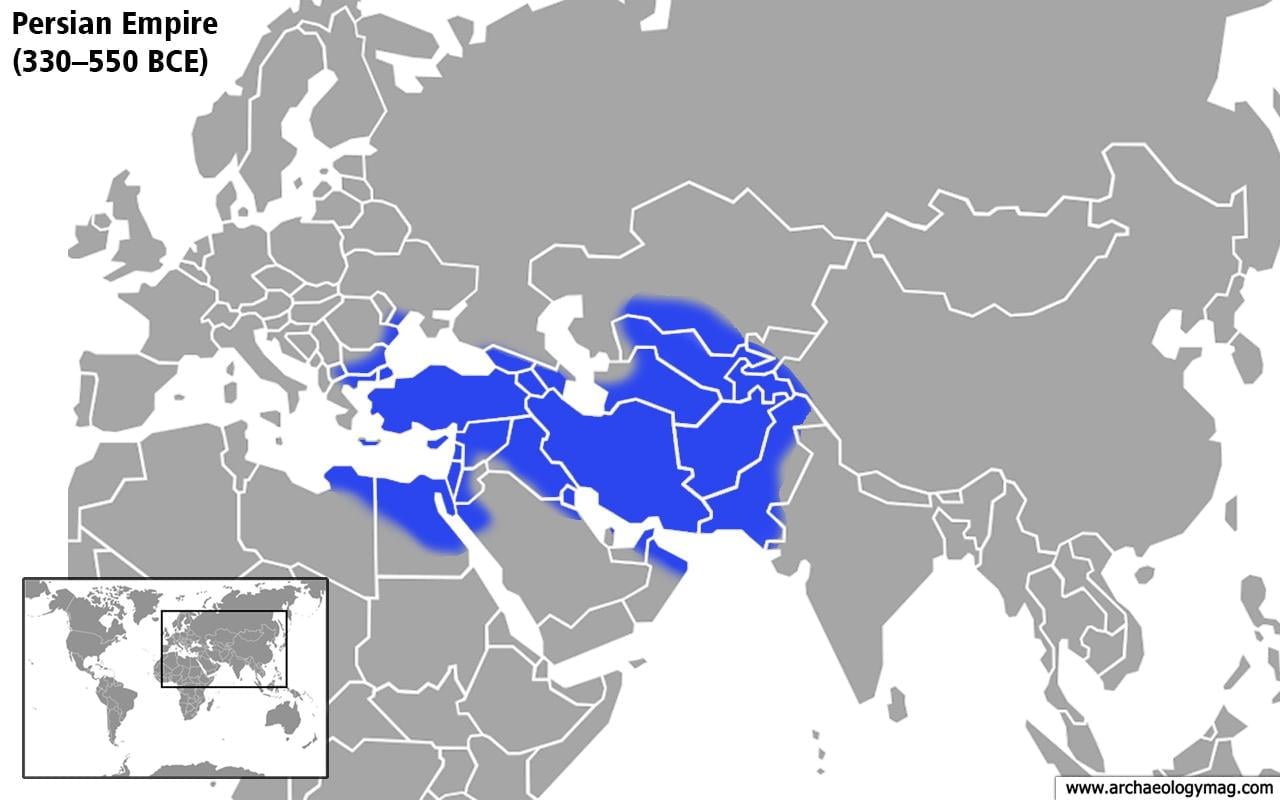
By tracing these patterns, the study presents ancient Central Asia as a multilingual region shaped by long-term contact between Persian, Greek, Indian, and local traditions. The written record is incomplete and shaped by what happened to survive in dry climates, collapsed archives, and archaeological excavations. Even so, the surviving documents offer a rare view of how empires influenced writing practices while local languages continued beneath the surface.
The study suggests ancient Central Asia was not defined by a single language or script, but by constant adaptation. Writing systems moved with empire, but local societies reshaped them for their own needs over time.




Disclaimer: This website is a science-focused magazine that welcomes both academic and non-academic audiences. Comments are written by users and may include personal opinions or unverified claims. They do not necessarily reflect the views of our editorial team or rely on scientific evidence.
Comment Policy: We kindly ask all commenters to engage respectfully. Comments that contain offensive, insulting, degrading, discriminatory, or racist content will be automatically removed.