
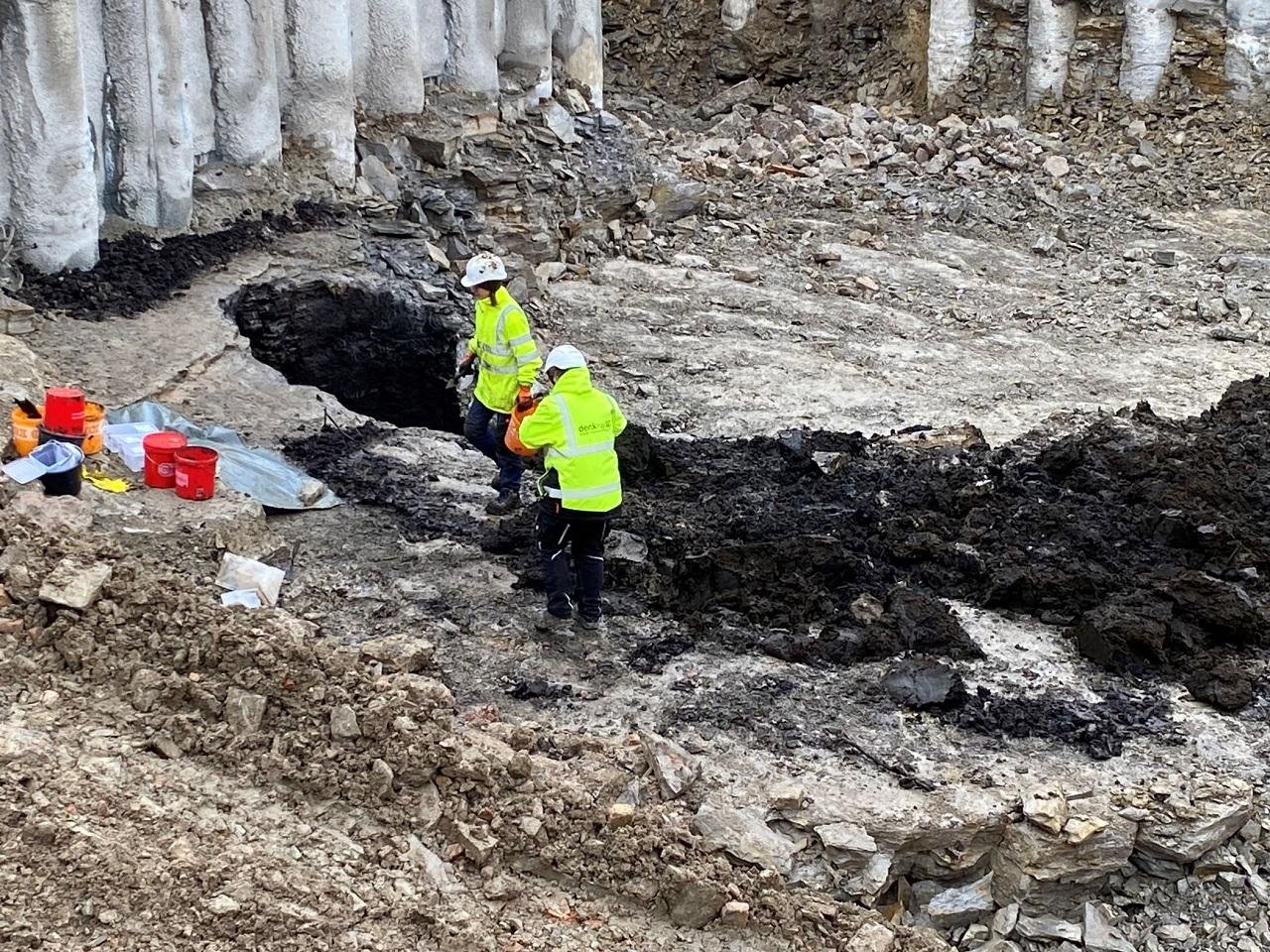
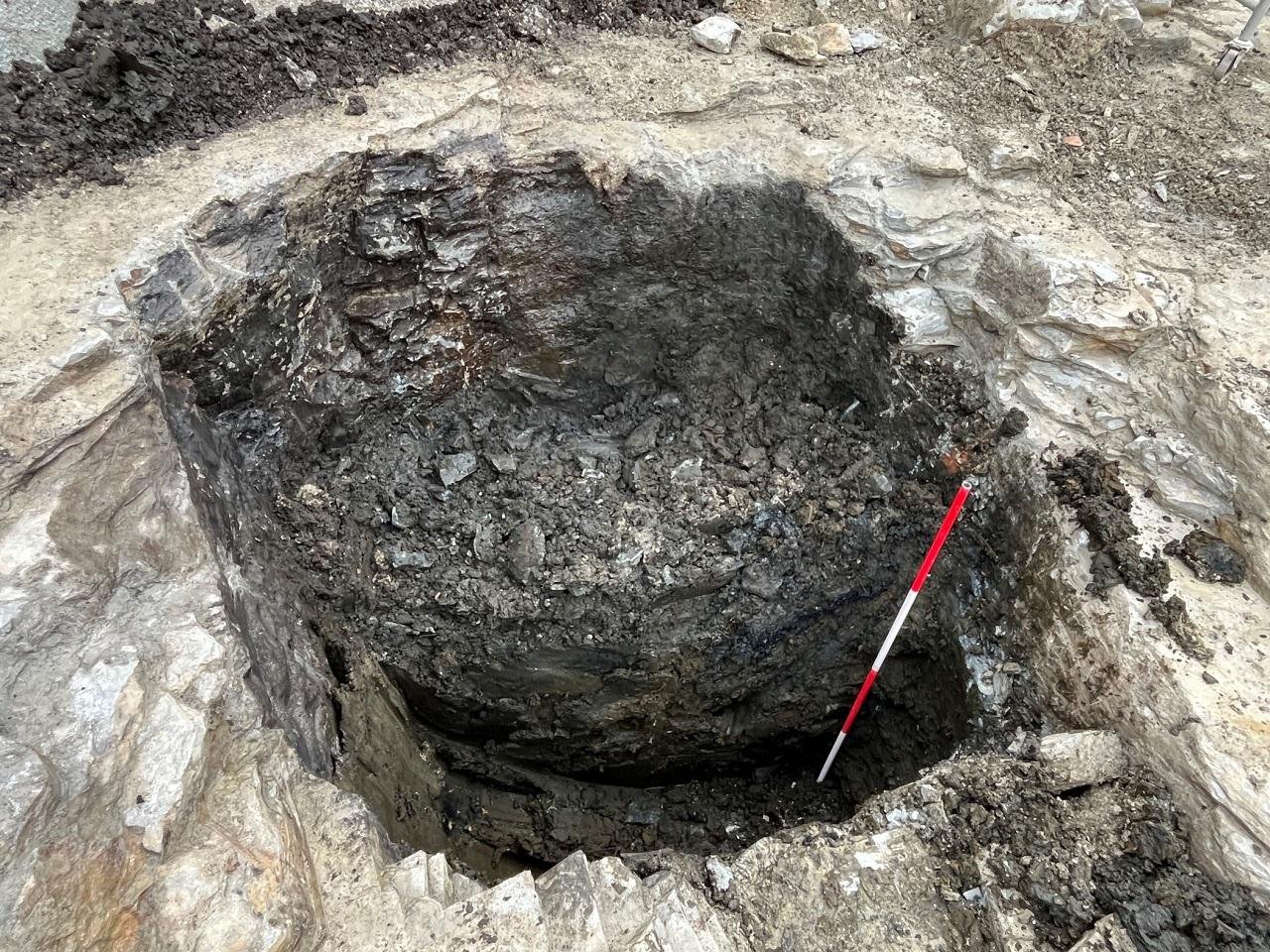
Archaeologists working in the center of Paderborn have uncovered a rare medieval notebook that spent nearly 800 years buried inside a latrine. The small object, found during excavations for a new city administration building, survived in unusually good condition because of the damp, airtight soil below the city streets.
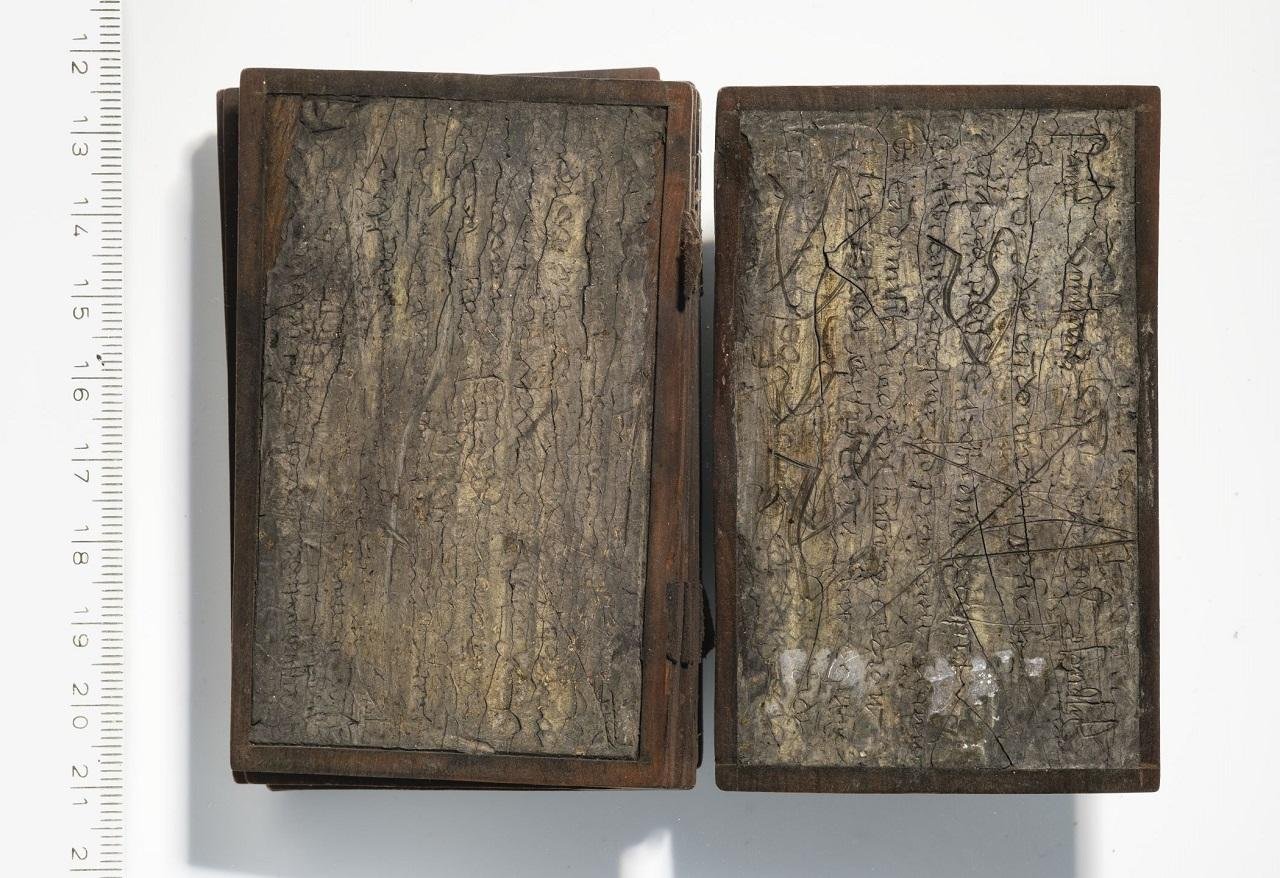
The notebook dates to the 13th or 14th century and is made from leather, wood, and wax. Specialists from the Regional Association of Westphalia-Lippe, known as LWL, describe the find as one of the most unusual medieval discoveries ever recovered in the region. Archaeologists found the notebook among waste deposits alongside pottery vessels, textile fragments, wickerwork, wooden barrel parts, and a knife.
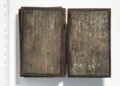
The book measures only about 10 by 7.5 centimeters. Inside are ten wax-coated pages, most written on both sides. The pages were bound together inside a decorated leather cover embossed with rows of lilies, a symbol linked in the Middle Ages to purity and high social rank.
Researchers believe the owner was likely a merchant from medieval Paderborn. At the time, merchants belonged to a small group of people with reading and writing skills. The text inside the notebook is written in Latin, which also points to an educated owner from the upper social classes.
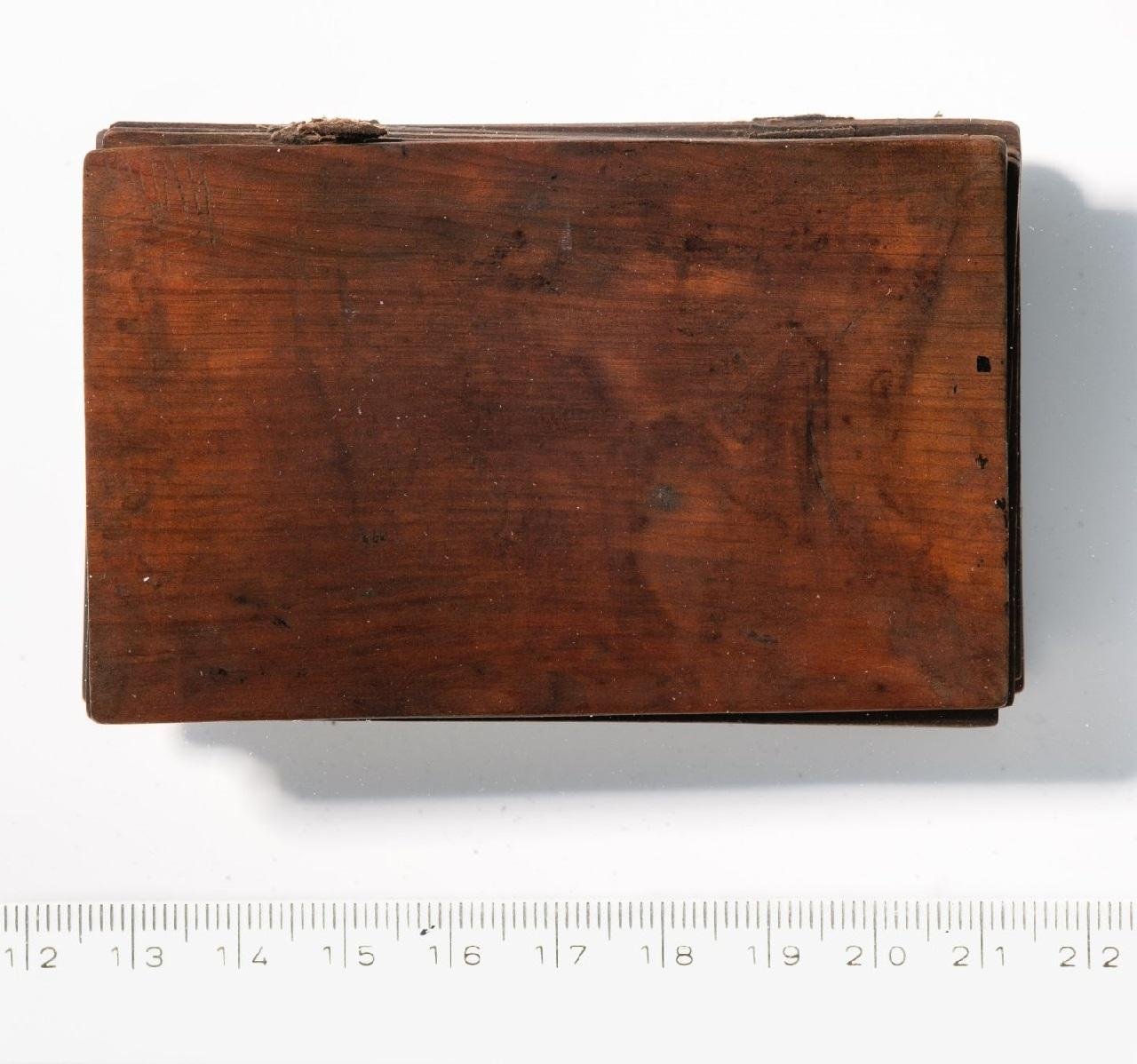
Early examinations suggest the notebook contained short notes, possibly related to trade, finances, or personal matters. The writing appears spontaneous and practical rather than formal. Archaeologists noticed the text runs in different directions depending on how the notebook was held, though the handwriting seems to come from a single person.
The object functioned as a reusable wax tablet. Medieval writers scratched words into the wax surface using a stylus made from metal, bone, or ivory. The pointed end carved letters into the wax, while the flat end erased older text by smoothing the surface. Because of this process, traces of earlier erased writing still survive beneath later notes.
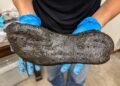
Conservators say the notebook initially appeared as a wet lump of dirt when it arrived at the restoration laboratory in Münster. Cleaning revealed a nearly intact object with preserved wax surfaces and readable lines of cursive writing. The pages had been pressed together so tightly underground that dirt barely entered the interior. The wood also avoided serious warping, helping the wax survive.
The latrine itself played a major role in preserving the notebook. Wet and oxygen-poor conditions slowed the decay of organic materials such as leather, wood, and wax. Similar finds have appeared in medieval cities like Lübeck and Lüneburg, where waterlogged soil preserved fragile artifacts. In those cases, though, archaeologists recovered only fragments. Researchers in Paderborn say no complete medieval notebook of this type has previously been found in North Rhine-Westphalia.
Specialists are now using imaging technology and material analysis to study the object in detail. Scientists plan to examine the composition of the wax and wood, identify pigments or resin mixtures, and determine how the notebook was produced. A transcription of the difficult Latin text is also underway. Experts expect the process to take time because parts of the handwriting are faded or overwritten.
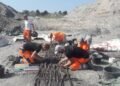
The excavation site lies near the former Abdinghof Monastery, an area associated with wealthy medieval residents. Archaeologists uncovered five latrines during the project, each sealed beneath later buildings. Textile remains from the same deposit included finely woven silk cut into small rectangular pieces, which researchers believe may have been reused as toilet paper after the fabric had worn out.
Researchers still do not know how the notebook ended up at the bottom of the latrine. One simple explanation is that the owner accidentally dropped it. If archaeologists manage to connect the latrine to a specific medieval property through historical records, the notebook could eventually be linked to a real individual who lived in Paderborn centuries ago.
More information: Regional Association of Westphalia-Lippe (LWL)










Disclaimer: This website is a science-focused magazine that welcomes both academic and non-academic audiences. Comments are written by users and may include personal opinions or unverified claims. They do not necessarily reflect the views of our editorial team or rely on scientific evidence.
Comment Policy: We kindly ask all commenters to engage respectfully. Comments that contain offensive, insulting, degrading, discriminatory, or racist content will be automatically removed.