
For thousands of years, communities living along the coast of southern Denmark depended heavily on the sea for food. A new study suggests this pattern continued long after farming reached the region around 4000 BCE, challenging earlier views of a fast and complete dietary shift during the Neolithic.
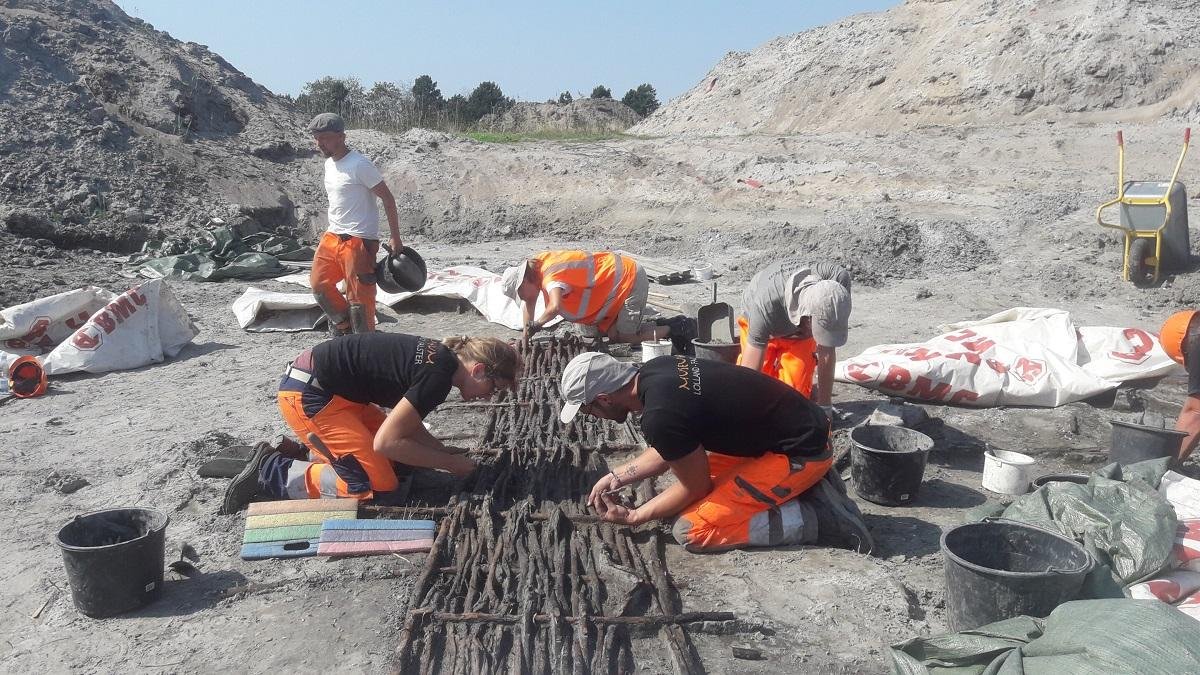
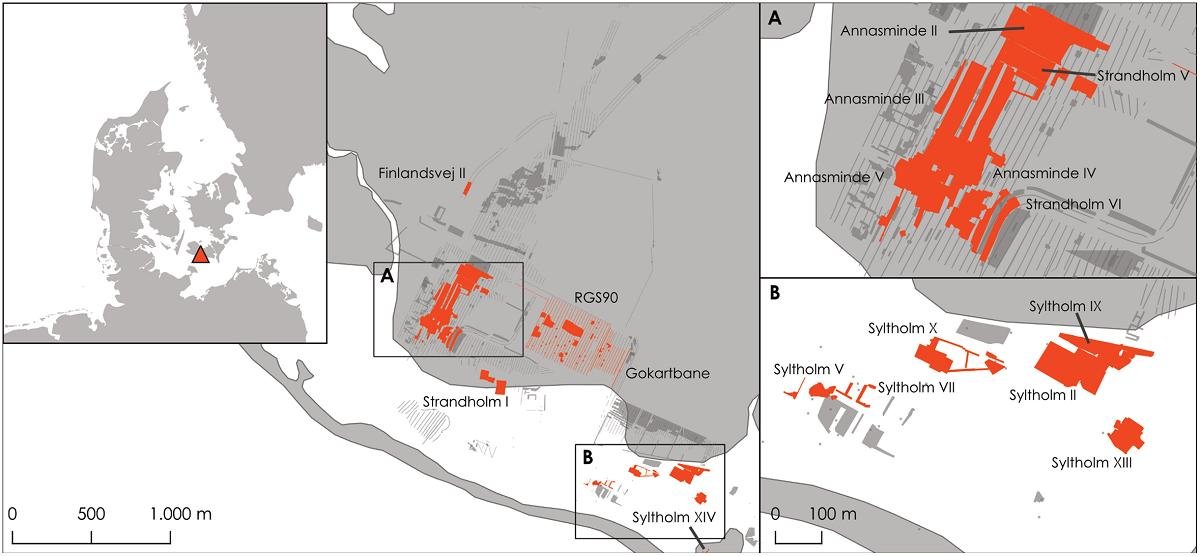
Researchers examined animal remains from Syltholm Fjord on the island of Lolland, an area with a long history of settlement. The study brought together material from 17 archaeological excavations and covered a period stretching from the Late Mesolithic to the Bronze Age, around 4500 to 800 BCE.
During this long timeline, agriculture spread into southern Scandinavia. Domestic animals such as cattle appear throughout the archaeological record, showing farming became part of local life. Even so, older food practices did not disappear.
Fish remained a steady food source in every period studied. Flatfish, especially flounder, appeared in large numbers from the earliest layers through later phases. Eels were also common in most periods, though fewer were found during the Late Neolithic, a time when human activity in the area seems lower.
The repeated presence of the same fish species over thousands of years points to stable fishing habits. Local groups targeted similar aquatic resources generation after generation. Researchers found no clear evidence that long-term fishing damaged marine ecosystems or forced major changes in fishing methods. Wooden fish weirs, fixed structures used to trap fish, were used for much of this period.


These findings differ from the traditional picture of the Neolithic transition. Farming has often been linked to a major break with earlier hunting and fishing lifeways. At Syltholm Fjord, the archaeological record tells a slower story.
People adopted livestock while continuing to rely on wild resources. Aquatic foods stayed important even after domestic animals entered the local economy.
Land animals changed more over time. Around 3000 BCE, deer bones became more common in the faunal record. This suggests hunting increased during this period, while the use of fish weirs declined. Archaeologists connect this shift to wider cultural developments in Denmark, including the spread of the Pitted Ware culture, which is often linked to stronger foraging traditions.
The researchers also recorded a decline in animal diversity between the Early Neolithic and later periods. Species richness dropped over time, suggesting stronger human pressure on local ecosystems. Farming, settlement activity, and landscape management likely contributed to a more uniform environment.
Environmental data from salinity and sediment records supported these patterns. Despite changes in the surrounding landscape, fishing strategies remained stable and focused on species with high food value.
The study presents a long-term picture of food production in southern Denmark as a mixed system. Farming became part of daily life, yet hunting and fishing remained central for centuries.
At Syltholm Fjord, the arrival of agriculture did not erase earlier traditions. Instead, prehistoric communities combined livestock keeping, fishing, and hunting in ways shaped by local resources and long-standing habits.














Disclaimer: This website is a science-focused magazine that welcomes both academic and non-academic audiences. Comments are written by users and may include personal opinions or unverified claims. They do not necessarily reflect the views of our editorial team or rely on scientific evidence.
Comment Policy: We kindly ask all commenters to engage respectfully. Comments that contain offensive, insulting, degrading, discriminatory, or racist content will be automatically removed.