
Archaeologists excavating near Kibbutz Ramat Rachel in Jerusalem have uncovered a large underground tunnel carved directly into bedrock, raising new questions about the area’s ancient past.
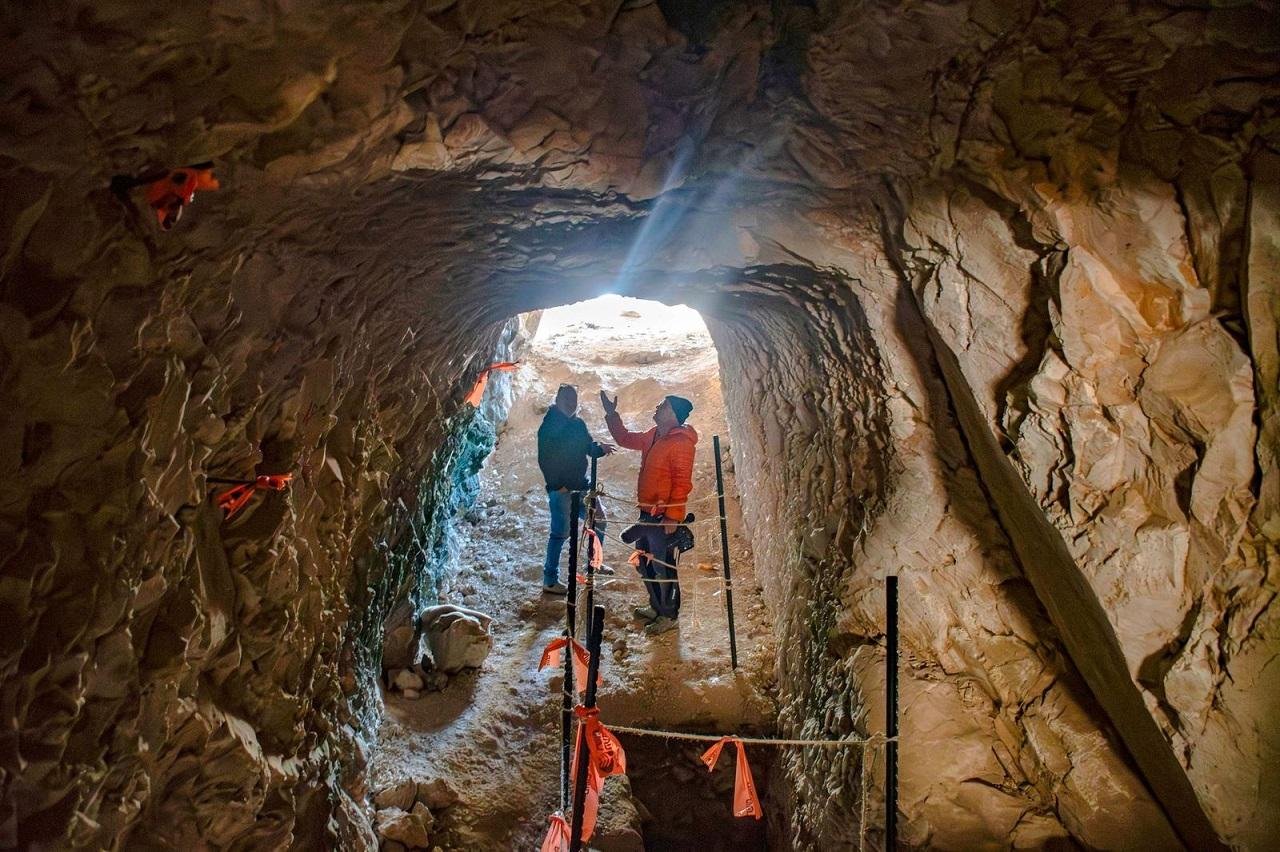
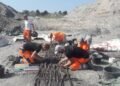
The tunnel came to light during excavations carried out by the Israel Antiquities Authority before construction of a new residential neighborhood planned by the Israel Lands Authority. The project north of Ramat Rachel includes 488 housing units, commercial spaces, workplaces, an elementary school, and kindergartens across about 58 dunams. Officials plan to preserve the tunnel as part of a future archaeological park inside the new neighborhood.
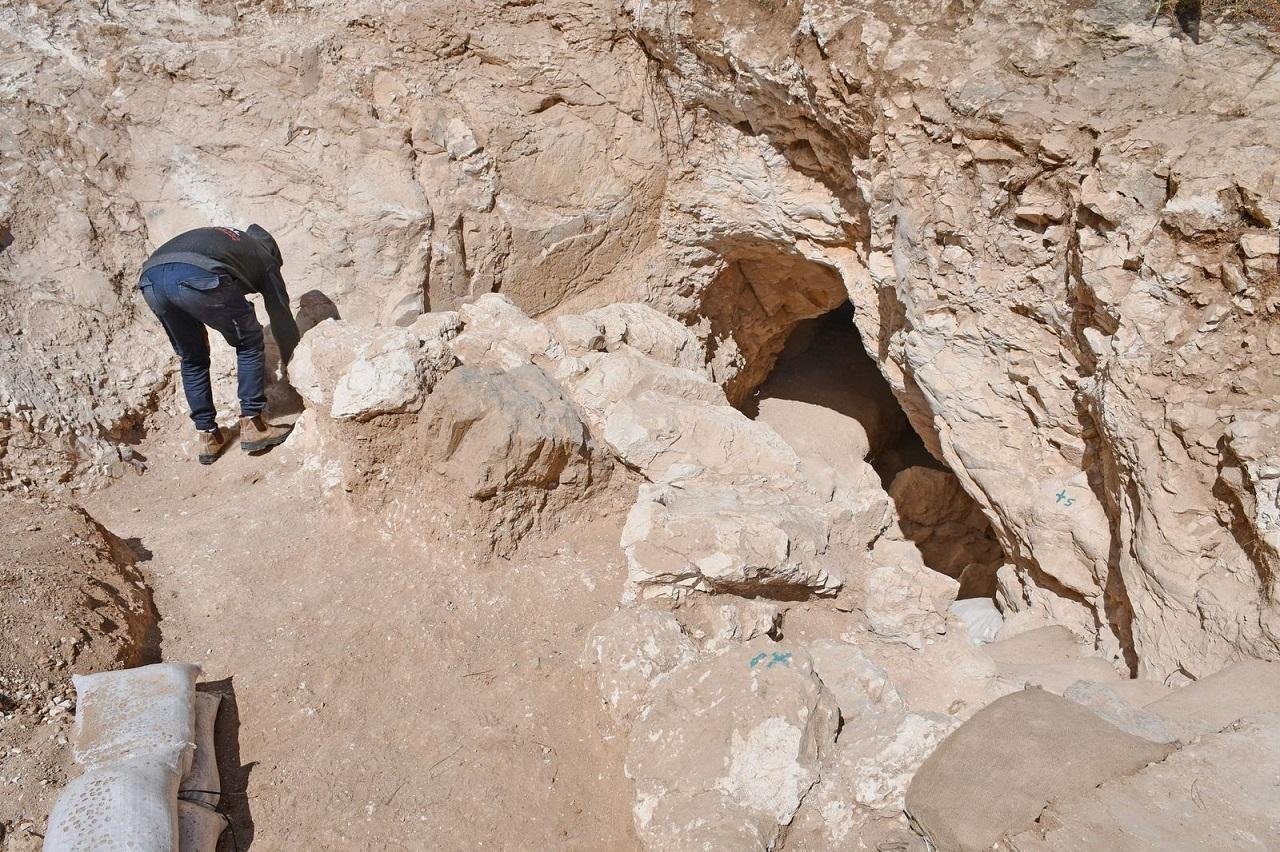
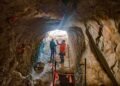
Researchers first noticed what looked like a natural cavity in the rocky terrain. As work continued, the opening expanded into a much larger underground passage. The tunnel stretches around 50 meters, or 164 feet, through the rock. Some sections remain blocked by collapse, so archaeologists have not yet exposed the full length.
The entrance to the complex was built with a staircase cut into the stone, leading down to a carved opening. Inside, archaeologists found layers of compact soil that had gradually filled the passage over a long period.
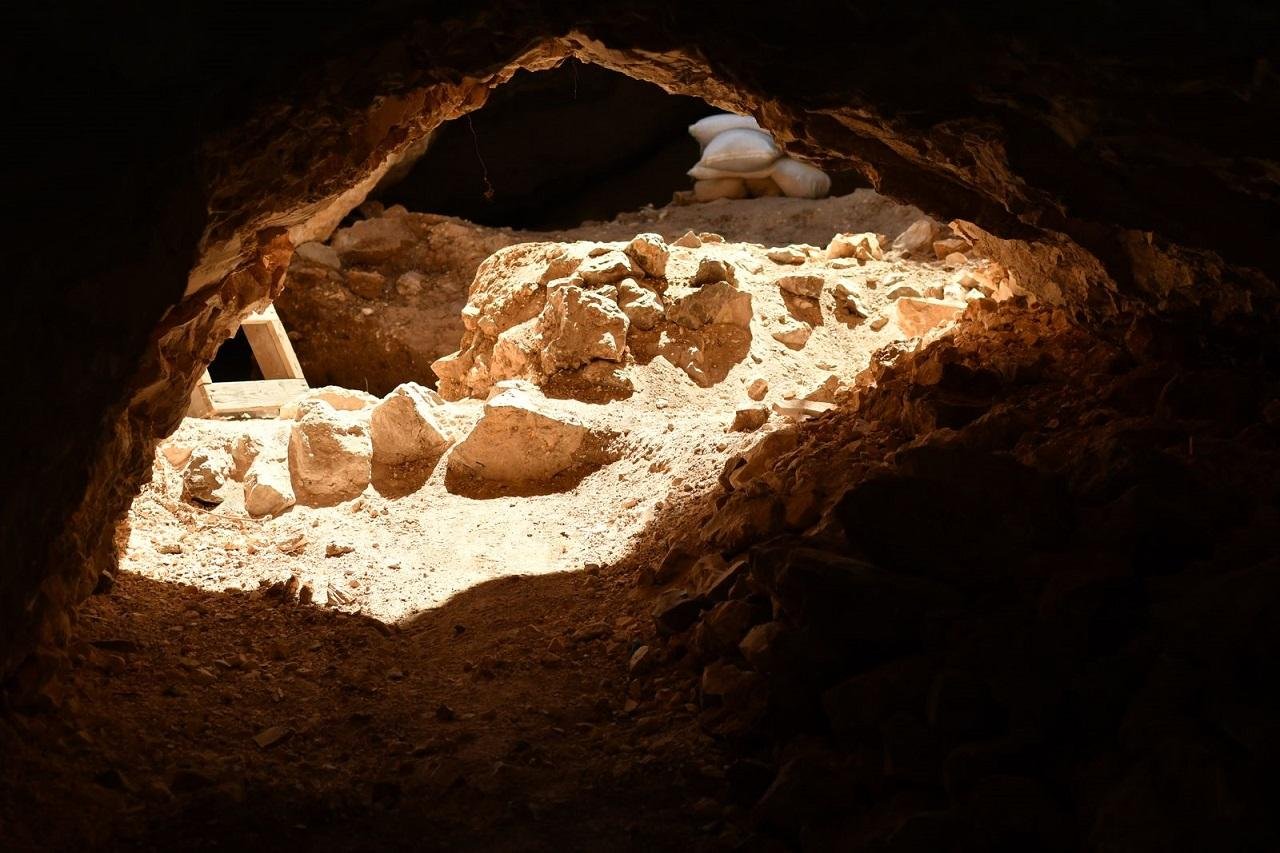
Test excavations carried out in several parts of the tunnel showed the space reaches up to 5 meters, or 16 feet, in height and about 3 meters, or 10 feet, in width. The walls preserve clear signs of deliberate stone cutting. The smooth surfaces and regular shape suggest a planned project requiring labor, time, and technical skill.

The purpose of the tunnel remains unclear.
At first, archaeologists considered the possibility of a water system designed to reach an underground spring. This idea was later rejected. The walls contain no plaster, which was commonly used in ancient water installations to prevent leakage. A geological review also found no underground water source in the area, and excavators saw no evidence of standing or flowing water inside the passage.
Researchers then examined whether the tunnel served an agricultural or industrial function. This explanation also appears unlikely because of the scale of the excavation and the absence of similar underground systems nearby.
The current leading theory links the tunnel to quarrying activity. Archaeologists believe the builders may have been trying to reach a chalk layer suitable for producing lime or extracting building material. A vertical shaft carved into the ceiling supports this idea, since such openings often provided ventilation in underground work areas. Excavators also recovered quarry debris scattered across the floor.
Another possibility is that the project was never completed. If work stopped before the tunnel reached its final stage, the original purpose may remain unknown.
Dating the structure has proven difficult. Archaeologists found no pottery fragments, tools, coins, or organic remains inside the tunnel, leaving no direct evidence for when the excavation took place.
The surrounding landscape adds another layer of interest. The tunnel lies only a few hundred meters from two important archaeological sites, an Iron Age public building in the Arnona neighborhood and Tel Ramat Rachel, where remains dating from the Iron Age through the Islamic period have been documented.
For now, the tunnel stands as one of Jerusalem’s more unusual recent archaeological finds. Excavators continue clearing blocked sections, hoping deeper areas contain material that will explain who built the passage, when the work began, and why such a large underground project was started in this part of the city.












Disclaimer: This website is a science-focused magazine that welcomes both academic and non-academic audiences. Comments are written by users and may include personal opinions or unverified claims. They do not necessarily reflect the views of our editorial team or rely on scientific evidence.
Comment Policy: We kindly ask all commenters to engage respectfully. Comments that contain offensive, insulting, degrading, discriminatory, or racist content will be automatically removed.