
Humans started riding, managing, and trading horses much earlier than many scholars once believed, according to a new study published in Science Advances. The research places organized horse use in the 4th millennium BCE, several centuries before the date often linked to full domestication.
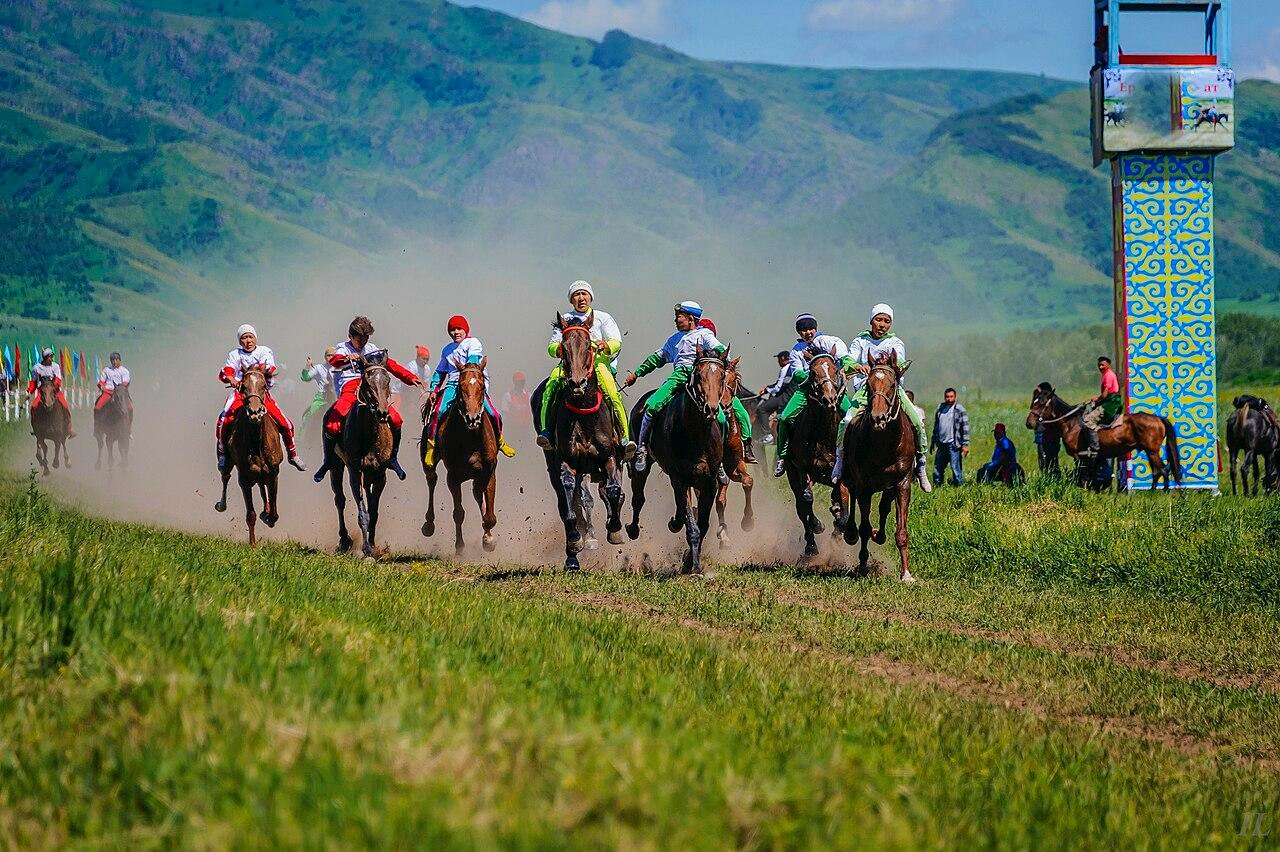
For years, some studies placed horse domestication around 2200 to 2100 BCE. This period matches the spread of horses from the DOM2 genetic group, which carried traits linked to endurance and calmer behavior around humans. These horses later spread across Europe, Anatolia, the Near East, and Central Asia. Because of this expansion, many researchers treated this moment as the beginning of domestication.
The new study argues for a different view. Researchers say domestication did not begin with one sudden genetic shift. Human communities across Eurasia managed horses for many generations before DOM2 became dominant.
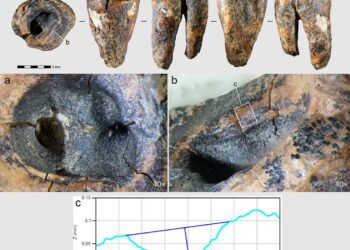
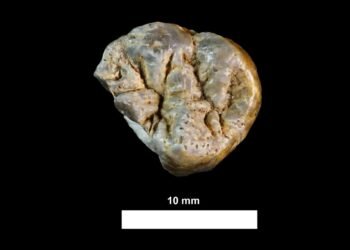
The team combined archaeology, ancient DNA, and animal bone studies. Their findings show horses from several lineages, including DOM1, DOM2, and a proposed DOM3 group, were already part of human life long before 2200 BCE. People milked horses, rode them, and used them in rituals and food systems.
Evidence points to the Yamnaya, steppe groups who lived between about 3200 and 2600 BCE, as early horse riders. These communities likely rode DOM2 horses, the same lineage linked to modern domestic horses.
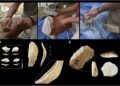
Horse use changed mobility across Eurasia. Around 3500 to 3000 BCE, steppe groups expanded east and west while using wheeled transport. Cattle pulled early wagons, but horses offered speed. A rider crossed distances in hours while wagons needed days. This shift changed travel, communication, and movement across large regions.
Researchers also connect horse mobility to the spread of Proto-Indo-European languages. As steppe groups moved into new areas, they carried languages which later developed into many spoken across Europe and Asia today.
Professor Volker Heyd, co-lead author of the study, said the long gap between early horse use and later genetic changes changes how scholars view domestication. The process took shape over many centuries through repeated human contact, breeding, and selection for useful traits.
Horses later became central to trade, warfare, and migration. The Huns, Avars, Magyars, and Mongols depended heavily on mounted travel. Horses stayed important in transport and military systems well into the industrial period and even during the World Wars.
The study also notes no truly wild horses survive today. Even the Przewalski’s horse, once considered the last wild horse, descends from early domesticated populations.
These findings shift the timeline of horse domestication far earlier than previously accepted. Human societies had already formed organized relationships with horses long before the rise of the dominant domestic lineages.












Disclaimer: This website is a science-focused magazine that welcomes both academic and non-academic audiences. Comments are written by users and may include personal opinions or unverified claims. They do not necessarily reflect the views of our editorial team or rely on scientific evidence.
Comment Policy: We kindly ask all commenters to engage respectfully. Comments that contain offensive, insulting, degrading, discriminatory, or racist content will be automatically removed.