
Researchers from Iraq, the United Kingdom, and Sweden have launched a new Arabic-language platform for one of the world’s largest collections of cuneiform texts. The project gives Arabic speakers wider access to ancient records written thousands of years ago across Mesopotamia.
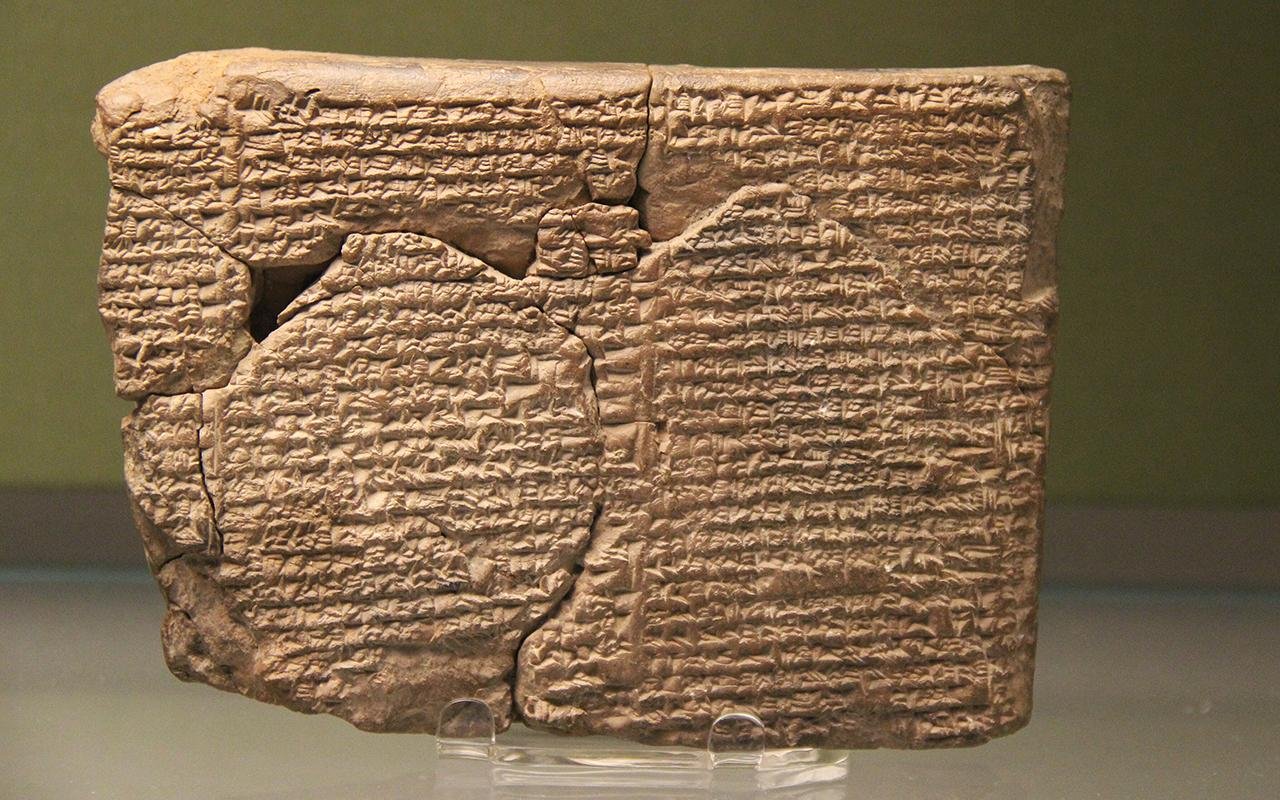
Cuneiform appeared more than 5,000 years ago in what is now Iraq. Scribes pressed wedge-shaped signs into clay tablets to record trade, laws, literature, astronomy, medicine, and daily life. Historians view cuneiform as one of the earliest writing systems in human history, older than alphabet-based scripts by more than 1,000 years.
The new Arabic interface belongs to the Cuneiform Digital Library Initiative, known as CDLI. Scholars created the update through a project called Access to Cuneiform Texts, or CDLI-ACT. Teams from the University of Al-Qadisiyah, University of York, and Lund University worked together on the project.
Many surviving tablets sit today in museums outside the Middle East. During the 19th and early 20th centuries, archaeologists and collectors removed large numbers of tablets from Iraq and nearby regions. Collections later entered major institutions such as the British Museum and the Louvre Museum.
Researchers involved in the project said language barriers limited access for Arabic-speaking students and scholars for decades. Most catalogs and translations appeared in English or other European languages.

Dr. Émilie Pagé-Perron from the Archaeology Data Service at the University of York said cuneiform records contain detailed information about early societies. The texts cover law, literature, science, religion, and economic life.
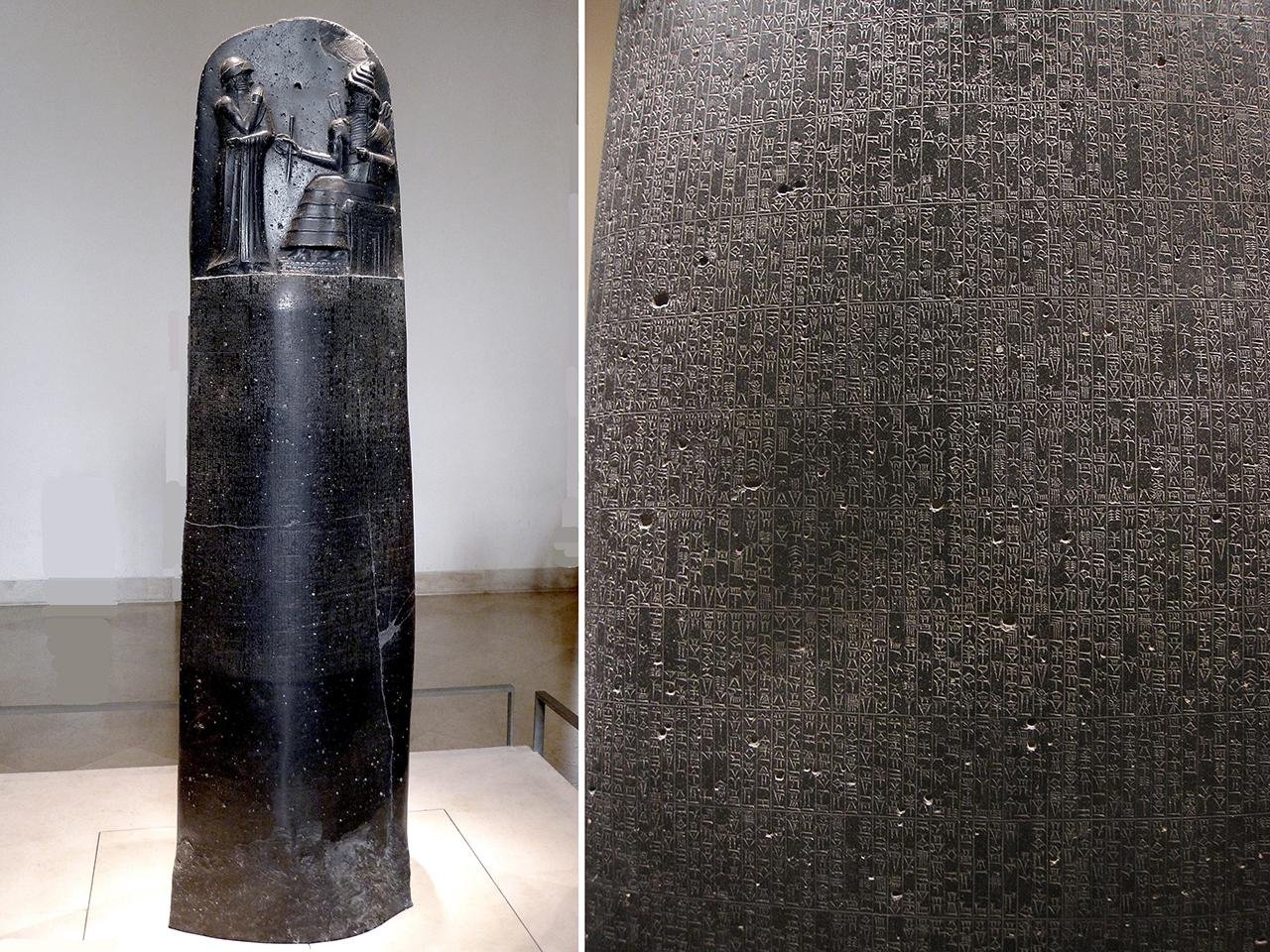
Some tablets contain famous works such as the Epic of Gilgamesh, a story about a king searching for immortality after the death of a close companion. Other records preserve legal systems from ancient kingdoms. The Code of Hammurabi, written nearly 4,000 years ago, listed punishments and social rules for Babylonian society.
Professor Haider Aqeel Al-Qaragholi from the University of Al-Qadisiyah said the project supports cultural heritage in the region where cuneiform first developed. He said future students and researchers in Middle Eastern countries need direct access to such material.
The team plans to translate around 70,000 lines of cuneiform text into Arabic. The collection includes myths, royal inscriptions, letters, medical texts, legal records, and astronomical observations. Researchers plan scholarly translations alongside simpler versions aimed at general readers.
The project also focuses on long-term preservation. The Archaeology Data Service at the University of York will archive the material for future research.
Rune Rattenborg from Lund University said the project reconnects modern communities with texts created in their own region thousands of years ago. Researchers hope the growing archive helps students, teachers, and historians study early writing systems through Arabic-language resources.










Disclaimer: This website is a science-focused magazine that welcomes both academic and non-academic audiences. Comments are written by users and may include personal opinions or unverified claims. They do not necessarily reflect the views of our editorial team or rely on scientific evidence.
Comment Policy: We kindly ask all commenters to engage respectfully. Comments that contain offensive, insulting, degrading, discriminatory, or racist content will be automatically removed.