
Hidden in a narrow gully high in the hills of central Scotland, a small stone bothy once served as a secret whisky distillery. Now archaeologists working at Ben Lawers National Nature Reserve have uncovered rare physical evidence tied to Scotland’s long history of illegal whisky production.
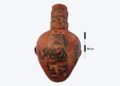
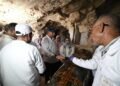
The excavation, led by the National Trust for Scotland’s archaeology team with the help of volunteers, uncovered part of a copper still buried inside the ruined structure near Lochan nan Cat along the upper reaches of the Lawers Burn. Researchers believe the copper alloy piece formed a connection between the head of the still and the lyne arm. In Gaelic, the fitting is known as An Gearradan.
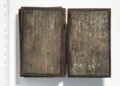
The identification came after archaeologists compared the object with an illustration in an early 20th century Gaelic dictionary. The drawing labels the parts of a small whisky still, known as A Phoit-dhubh, or “black pot,” and shows a matching connector.
The discovery adds weight to earlier suspicions about the site. Previous surveys by the Royal Commission on the Ancient and Historical Monuments of Scotland had listed the structure as a possible illicit distilling bothy, though no direct evidence had surfaced before the recent excavation.
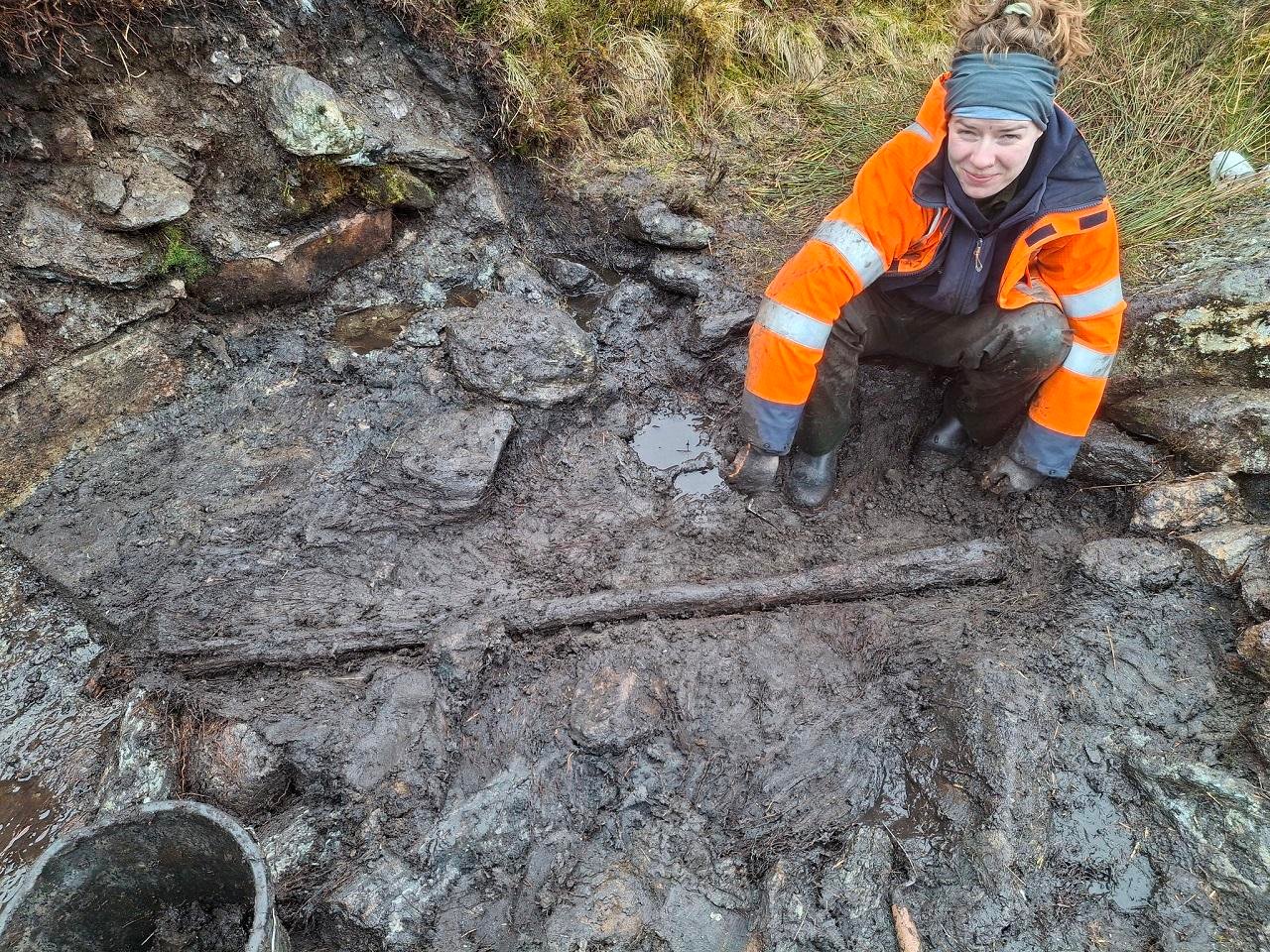
Inside the building, archaeologists uncovered several well-preserved features linked to whisky production. A carefully built hearth showed signs of repeated burning. Beneath the floor, the team found a stone-capped drain designed to carry away liquid or waste. Part of a wooden roof support also survived, trapped under collapsed stone walls.
Five suspected whisky bothies are known across Ben Lawers National Nature Reserve, though this site stands apart because of the copper fitting. Finds connected with illegal distilling remain uncommon because smugglers usually avoided leaving equipment behind.
Illegal whisky production spread widely across the Scottish Highlands after taxes and excise laws tightened during the late 18th century. Many Highland tenants relied on private distilling for income, and remote glens became ideal hiding places for secret operations. Distillers built temporary sites far from settlements and moved equipment quickly when authorities approached.
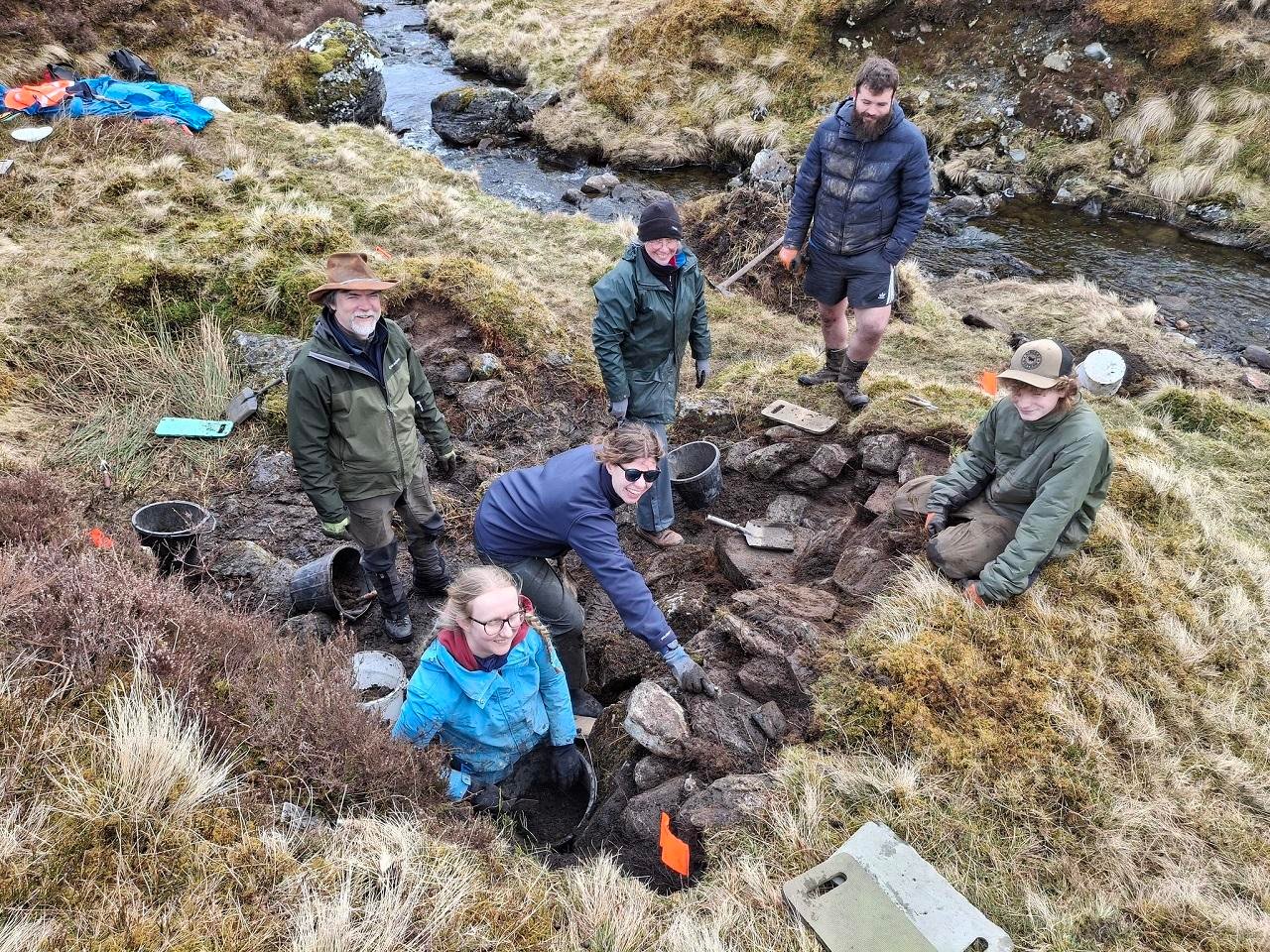
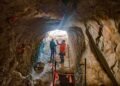
Derek Alexander, Head of Archaeology at the National Trust for Scotland, said the location showed careful planning. The bothy sits low within a stream gully where bends in the burn shield the structure from view both upstream and downstream. According to Alexander, the hidden position suggests the distillers understood how to avoid detection by excise officers patrolling the hills.
Archaeologists think the copper connector survived because the still was dismantled in haste. Excise officers usually destroyed any illegal still they seized. Since only one section remained at the site, the team suspects smugglers removed most of the equipment before authorities arrived, leaving the small fitting behind during a rushed escape.
The excavation forms part of The Pioneering Spirit project, supported by The Glenlivet. The project investigates the history of illicit whisky production across landscapes managed by the National Trust for Scotland. Researchers have already identified around 30 suspected distilling sites at locations including Ben Lomond, Torridon, Mar Lodge Estate, and Ben Lawers.
A complete copper still from Cortachy, now displayed at the House of Dun near Montrose, offers a comparison with the Ben Lawers discovery. Unlike the hidden bothy in the hills, the Cortachy still appears to have operated inside a more permanent building.
For archaeologists, the Ben Lawers excavation provides a rare look into a hidden trade once woven into everyday Highland life. The stone bothy, concealed for centuries beside a mountain burn, preserves traces of a period when whisky distilling became both an economic necessity and an act of resistance against government control.
More information: National Trust for Scotland





Disclaimer: This website is a science-focused magazine that welcomes both academic and non-academic audiences. Comments are written by users and may include personal opinions or unverified claims. They do not necessarily reflect the views of our editorial team or rely on scientific evidence.
Comment Policy: We kindly ask all commenters to engage respectfully. Comments that contain offensive, insulting, degrading, discriminatory, or racist content will be automatically removed.