
Archaeologists working at the Abu el-Naga necropolis on Luxor’s West Bank have uncovered a series of discoveries that offer new information about burial customs, religious life, and lesser-known officials from ancient Egypt. The finds came from the latest excavation season led by the Egyptian archaeological mission of the Supreme Council of Antiquities.
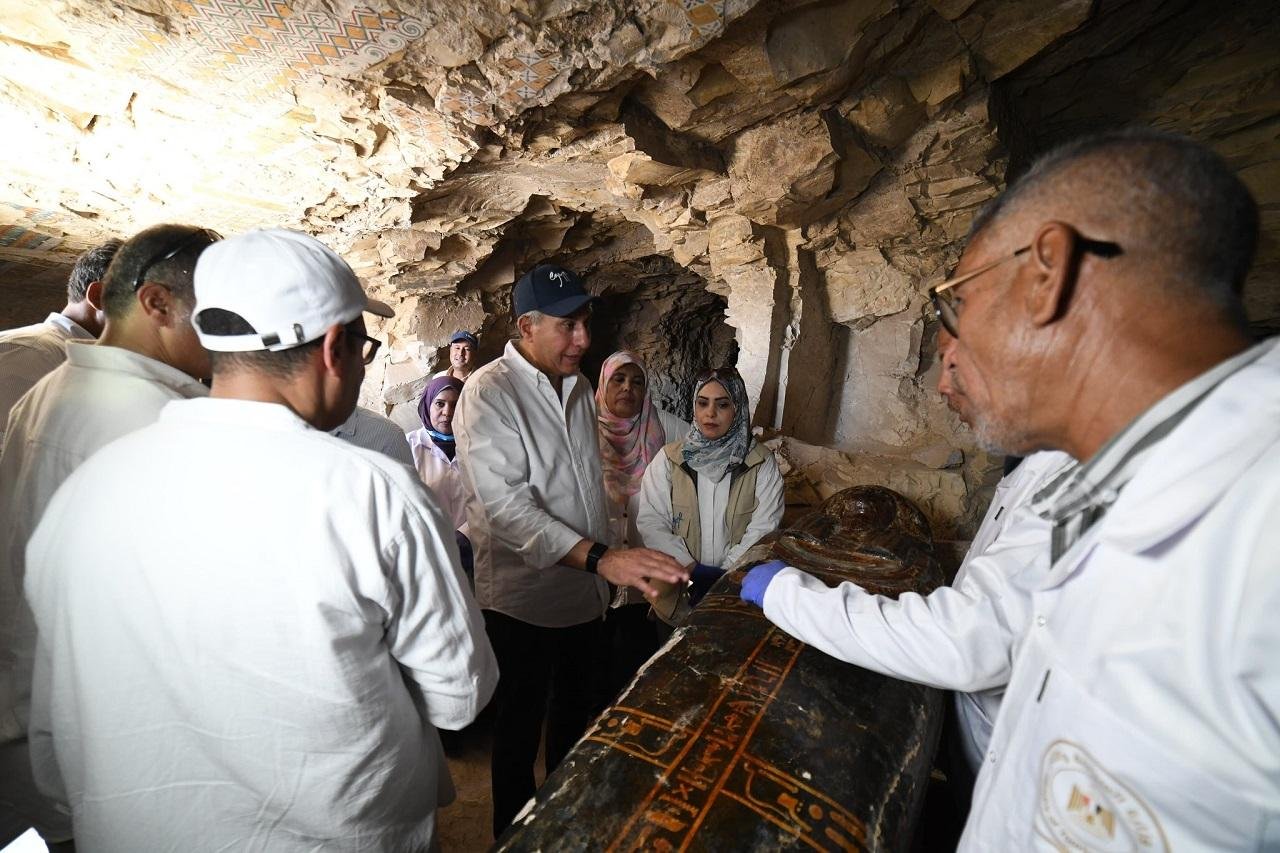
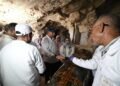
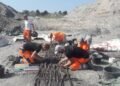
The excavation focused on the southeastern section of the tomb of Roy, known as TT255. For more than 150 years, the area had remained buried beneath debris left by earlier excavations. The current season began in November 2025 and marks the eighth year of work by the Egyptian mission at the site.
One of the largest discoveries was a group of ten painted wooden coffins found inside a burial shaft in the courtyard of the tomb of Baki. Archaeologists reported that the coffins survived in good condition, with painted scenes and hieroglyphic inscriptions still visible.
Studies show that four coffins date to the Eighteenth Dynasty. One belonged to a woman named Merit, identified as a chantress of the god Amun. Another coffin dates to the Ramesside or Twenty-First Dynasty period and belonged to a priest named Padi-Amun. The remaining coffins date to the Late Period.
Researchers believe the shaft served as a storage cache where coffins were moved from their original tombs for safekeeping during periods of unrest. Several of the mummies inside were badly damaged before reburial, suggesting the remains had already suffered disturbance in antiquity.
The mission also uncovered the tomb of a previously unknown priest named Aa-Shefi-Nakhtu, who carried the title “Purifier Priest in the Temple of Amun.” The tomb lies in the southern corner of Baki’s courtyard and includes a small open court, a rectangular shaft, an offering chamber decorated with funerary texts, and a burial chamber.
Inscriptions inside the tomb mention his father, Padi-Amun, who held the same priestly role. The texts also name two women, Isis and Ta-Kaft, both described as chantresses in the Temple of Amun. Archaeologists say these inscriptions add fresh details about religious families connected to the cult of Amun in ancient Thebes.
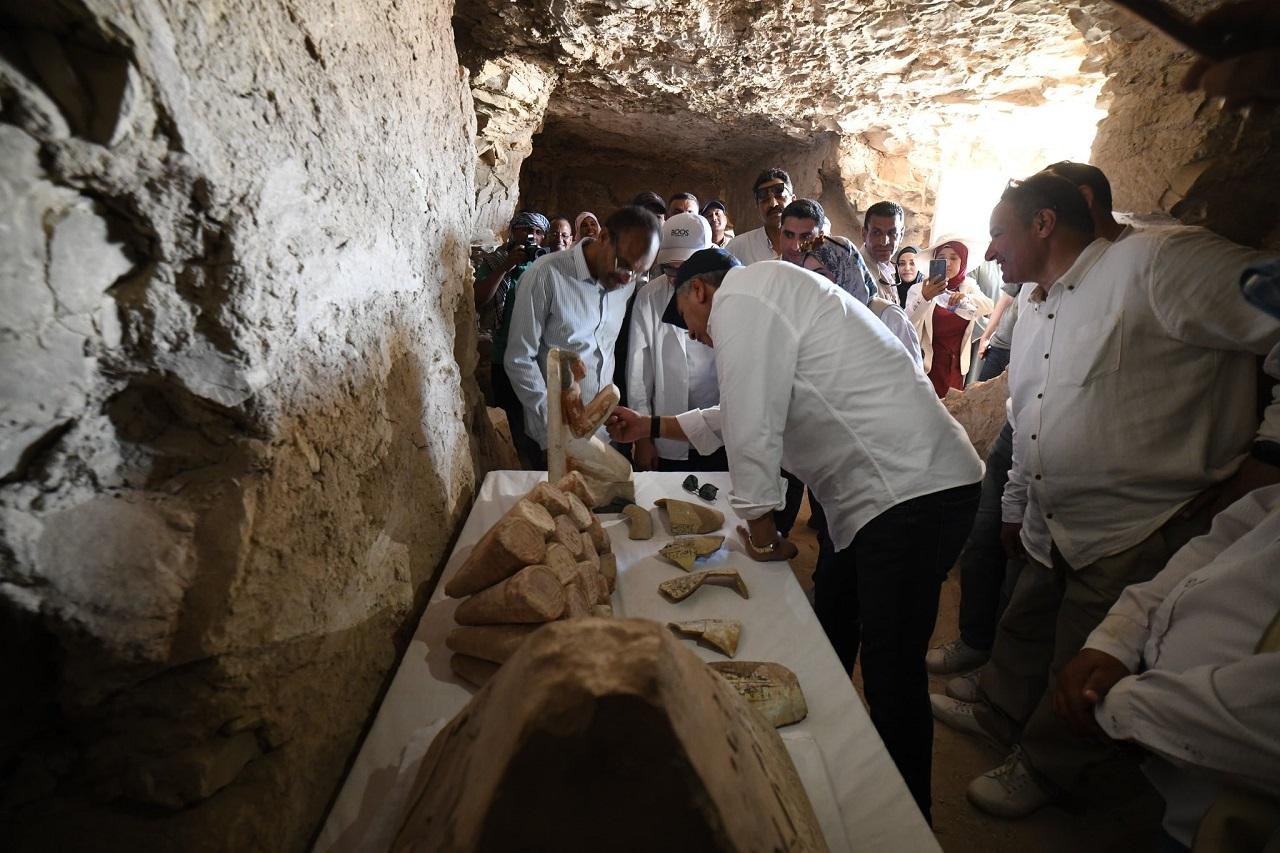
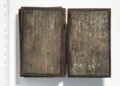
Another find came from a small tomb labeled DP91, where excavators uncovered a sandstone pyramidion decorated with repeated scenes of worship. The object belonged to a man named Benji, who held the titles “scribe” and “nobleman.”
Officials believe the pyramidion once stood on top of a mudbrick pyramid that later collapsed or disappeared. The nearby location of the object suggests Benji’s original tomb could still lie hidden somewhere in the surrounding area.
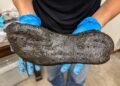
The team also found a burial deposit containing more than 30 mummified cats wrapped in linen strips and tied with fabric bands. The animals included both domestic and wild cats of different sizes. Archaeologists date the burial to the Ptolemaic Period, when animal mummies were widely used as religious offerings.
Researchers believe worshippers offered the cats during temple rituals connected to divine protection. After ceremonies ended, priests collected the mummified animals and buried them together in pits around sacred areas.
Officials from the Supreme Council of Antiquities say the discoveries show the wide range of activity at =Abu el-Naga area over many centuries. The site contains burials and objects from several historical periods, reflecting changes in religious traditions and funerary practices across ancient Egyptian history.
The excavation team is continuing conservation and restoration work on the coffins, tombs, and artifacts uncovered during the season. Detailed scientific studies are also underway.
According to archaeologists involved in the project, several tomb owners identified during the excavation were previously unknown from surviving historical records. Inscriptions found inside the tombs also include administrative and religious titles not documented before. Researchers hope these texts will help build a clearer picture of how officials, priests, and temple workers operated within the social structure of ancient Thebes.
More information: Egyptian Ministry of Tourism and Antiquities








Disclaimer: This website is a science-focused magazine that welcomes both academic and non-academic audiences. Comments are written by users and may include personal opinions or unverified claims. They do not necessarily reflect the views of our editorial team or rely on scientific evidence.
Comment Policy: We kindly ask all commenters to engage respectfully. Comments that contain offensive, insulting, degrading, discriminatory, or racist content will be automatically removed.