
Archaeologists working in Alexandria’s Moharam Bek district have uncovered a site with remains from several major periods of the city’s history. The excavation revealed buildings and objects from the Ptolemaic, Roman, and Byzantine eras, showing how this part of Alexandria changed over hundreds of years.
The work started about nine months ago after a construction request led authorities to carry out a rescue excavation near Alexandria Station. During the first surveys, researchers identified multiple occupation layers buried below the modern neighborhood. As digging continued, the scale of the site became clearer.
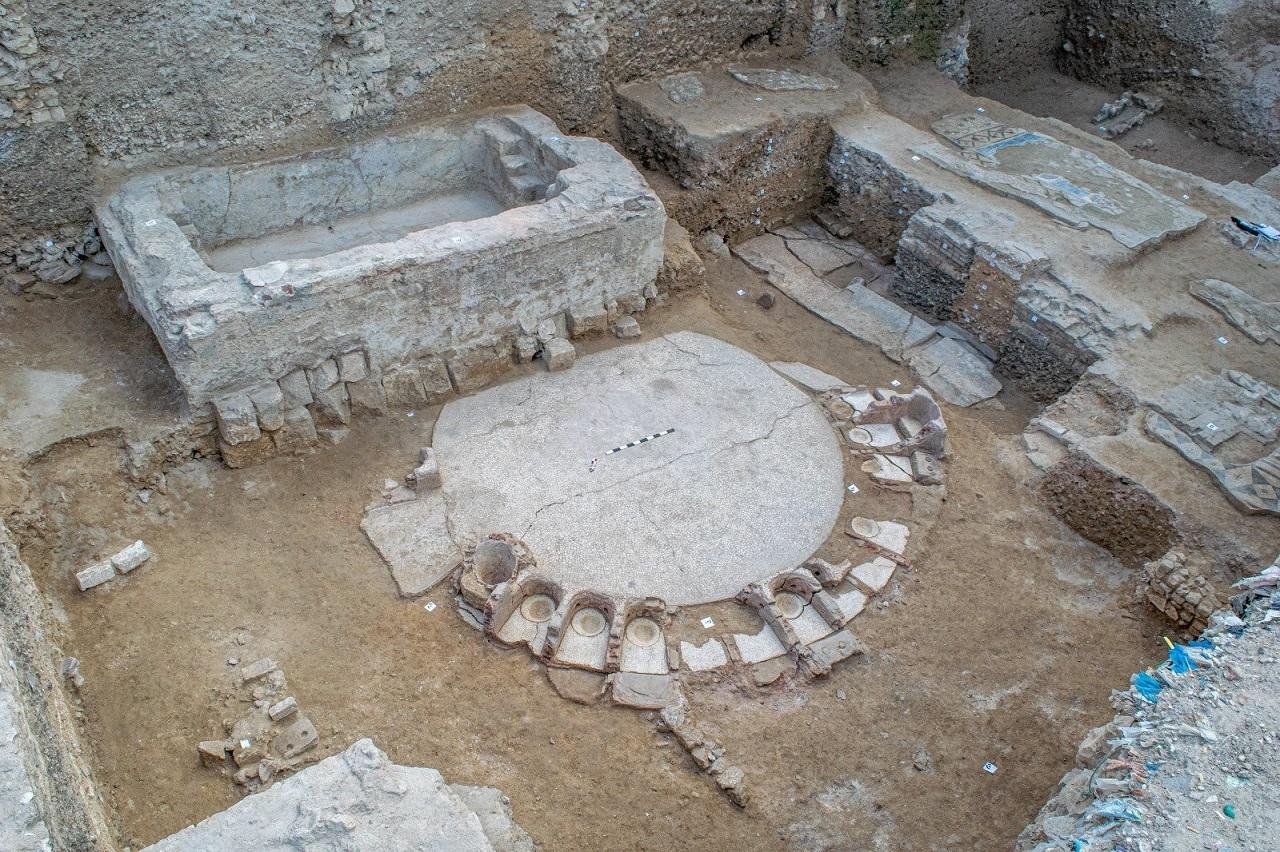
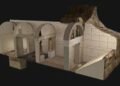
One of the main finds is a circular public bath from the late Ptolemaic period. Archaeologists identified the structure as a Tholoi-type bath, known for its round design. Public baths in this period served daily hygiene needs and were sometimes linked to health treatments. The full layout is still under study, and early evidence suggests more connected rooms remain underground.
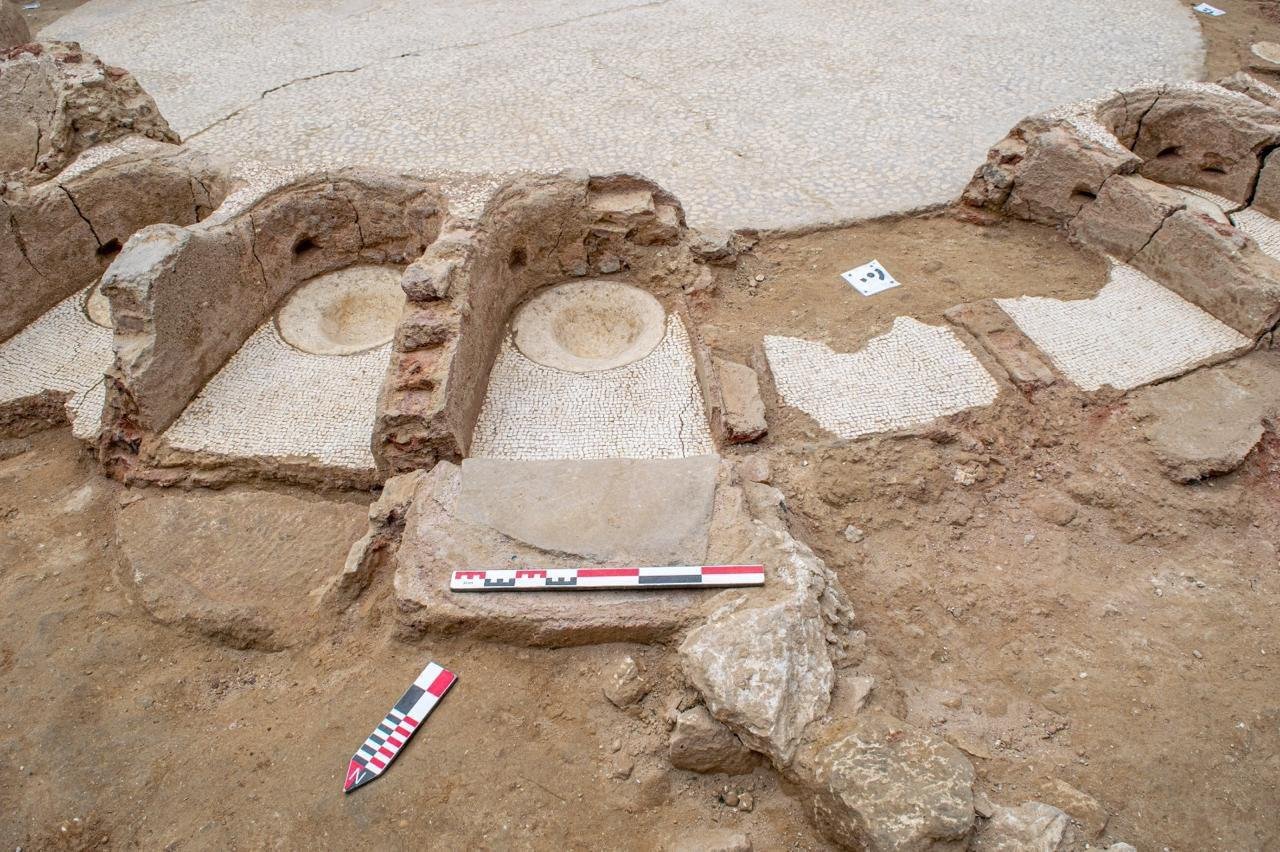
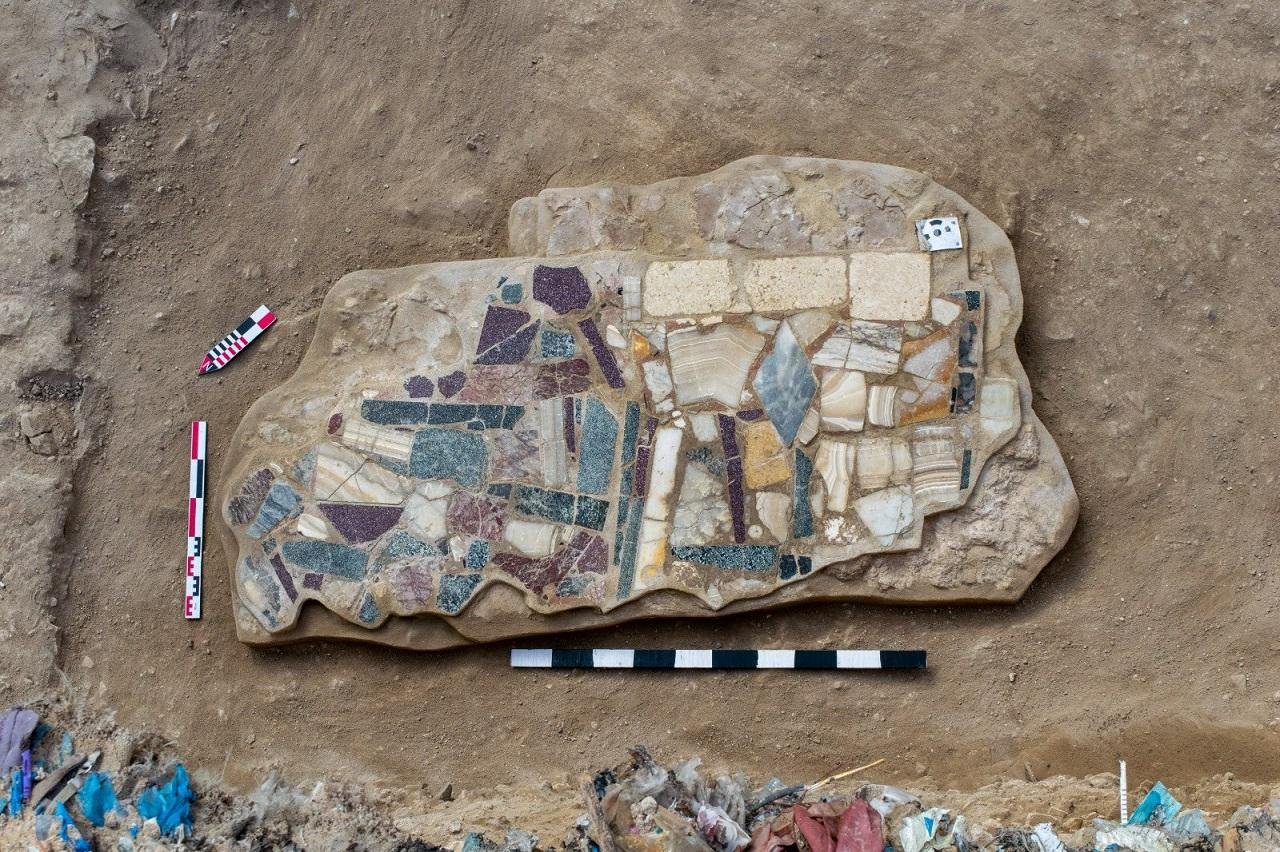
Nearby, the team uncovered a Roman residential villa with well-preserved mosaic floors. The house appears to have belonged to a wealthy owner. Researchers found several mosaic styles, including Opus Tessellatum, made with small square tiles, and Opus Sectile, created with larger cut stone pieces arranged into decorative patterns.
The Roman villa also included advanced water systems. Archaeologists found a small bathing pool connected to an organized drainage and water supply network. These features show careful planning and a high standard of domestic comfort in Roman Alexandria.
The site produced a large group of movable artifacts as well. Excavators recovered coins, oil lamps, pottery vessels, and stamped amphora fragments. Amphorae were transport containers used for products such as wine and olive oil, showing trade connections across the Mediterranean.
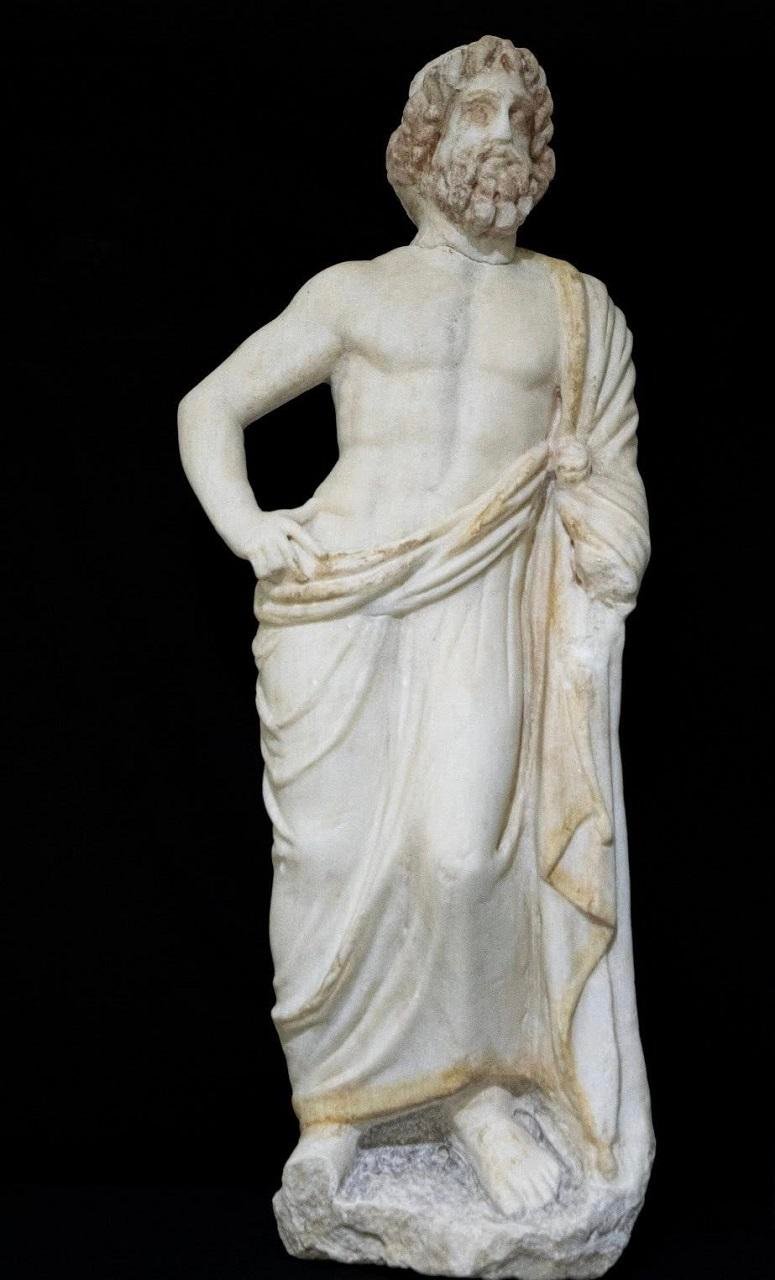
Several marble statues were also found. These include figures linked to Bacchus and Asclepius, the Greco-Roman god associated with medicine and healing. A headless statue believed to represent Minerva was uncovered at the site as well. The presence of Asclepius has led researchers to consider whether parts of the area later served therapeutic or healing functions.
Officials from Egypt’s Supreme Council of Antiquities said the remains provide a continuous sequence from the Ptolemaic period through Byzantine times. This suggests the district remained inside Alexandria’s urban boundaries for centuries before losing importance after later changes in city planning.
Researchers believe the findings help fill an archaeological gap in the southeastern sector of ancient Alexandria, an area with limited previous study. The evidence is expected to contribute to updated reconstructions of the city’s historic layout.
Part of one mosaic floor remains in place while specialists decide whether to transfer the surface for conservation. Restoration work has already started on several smaller objects.
Excavations are still ongoing, and archaeologists expect additional structures to emerge as work continues. Some of the restored finds are being considered for future display at Alexandria’s Greco-Roman Museum.
More information: Egyptian Ministry of Tourism and Antiquities








Disclaimer: This website is a science-focused magazine that welcomes both academic and non-academic audiences. Comments are written by users and may include personal opinions or unverified claims. They do not necessarily reflect the views of our editorial team or rely on scientific evidence.
Comment Policy: We kindly ask all commenters to engage respectfully. Comments that contain offensive, insulting, degrading, discriminatory, or racist content will be automatically removed.