
Archaeologists working at Laos’ Plain of Jars have uncovered the remains of at least 37 people inside a massive stone jar, offering new evidence about burial customs in one of Southeast Asia’s most mysterious ancient landscapes.
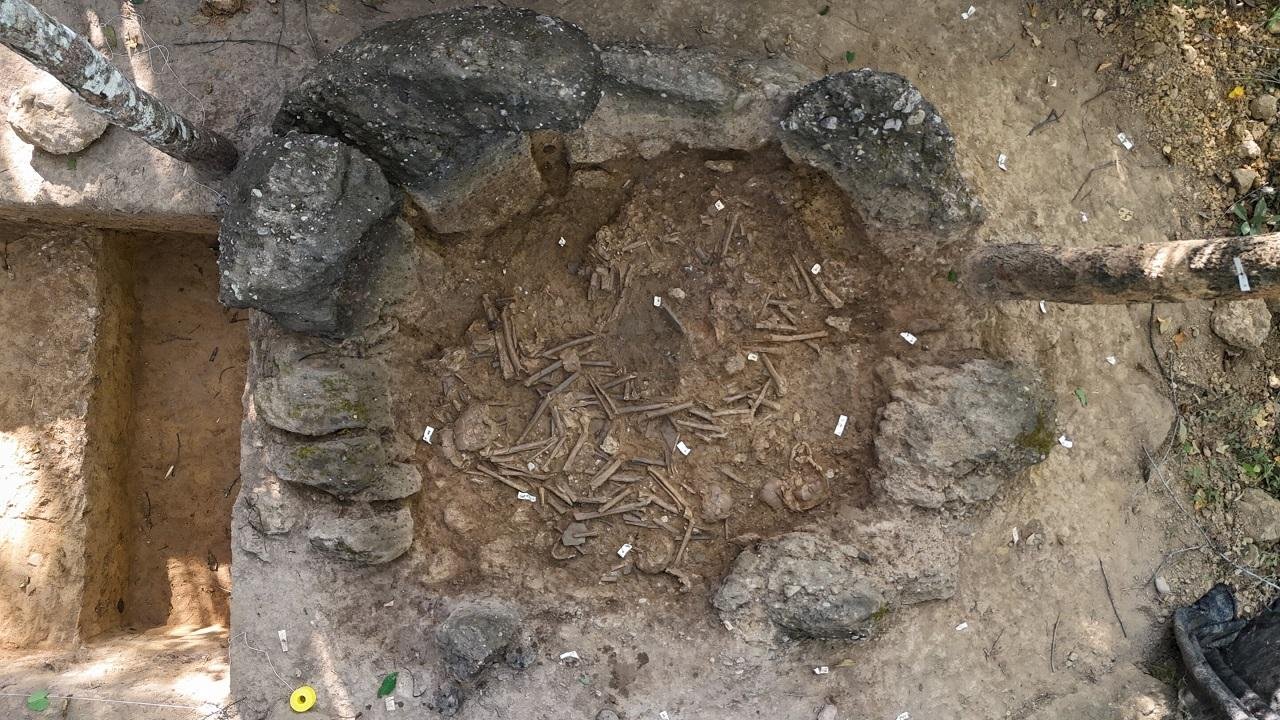
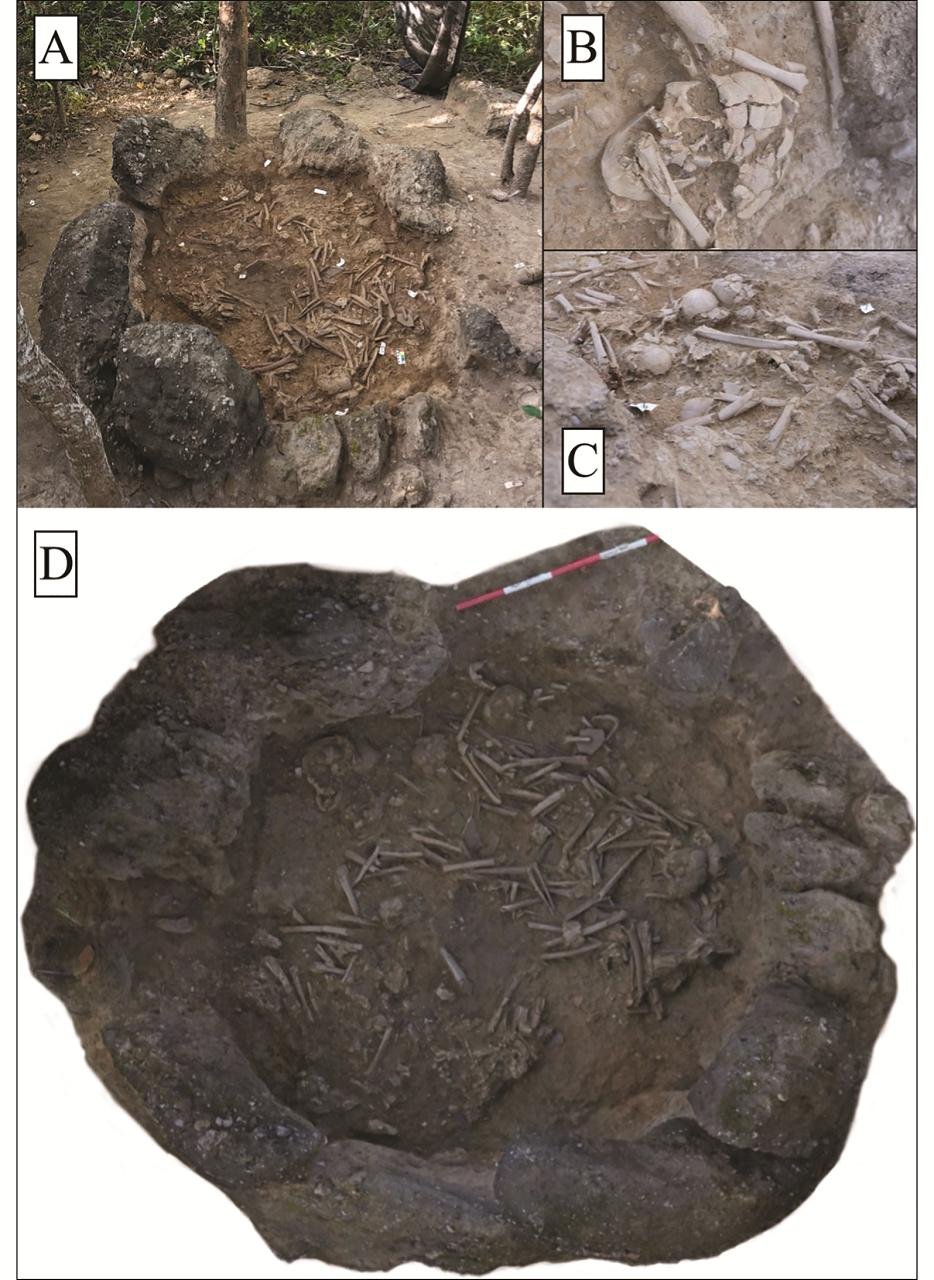
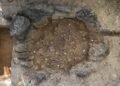
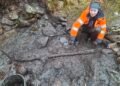
The study, published in the journal Antiquity, focused on a large stone vessel northeast of the town of Phonsavan. The jar stands about 1.3 meters tall and stretches more than 2 meters wide. Researchers excavated the interior and found densely packed human bones and teeth belonging to dozens of individuals.
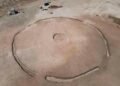
The Plain of Jars contains hundreds of giant stone containers scattered across the uplands of northern Laos. Some weigh several tons. Archaeologists have studied the sites for decades, yet many questions about their origin and purpose remain unresolved.
The research team, led by Dr. Nicholas Skopal of James Cook University and Lao heritage specialist Souilya Bounxayhip, used radiocarbon dating on bone and tooth samples recovered from the jar. The results showed the remains were placed there between the 9th and 12th centuries CE. The deposits did not occur all at once. Instead, the jar appears to have been used repeatedly over roughly 270 years.
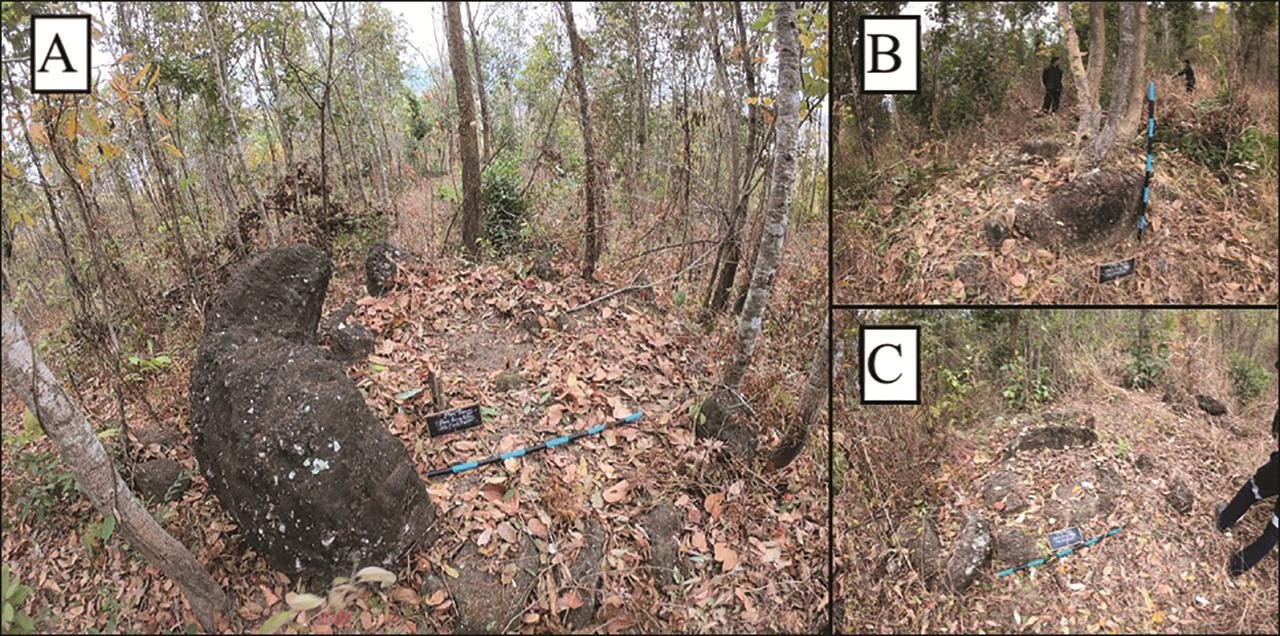
Researchers concluded the practice involved secondary burial rites. Bodies were first left to decompose elsewhere before selected bones were transferred into the stone jar. Earlier interpretations had suggested the jars served as final burial places dating back to the Southeast Asian Iron Age, between 500 BCE and CE 500. The new dates challenge those assumptions.
The number of individuals found inside a single jar also points to a shared burial tradition linked to family or extended kin groups. Researchers believe the vessels functioned as locations for ancestral ceremonies carried out across several generations.
The excavation produced another unexpected result. Glass beads recovered from inside the jar underwent chemical analysis, which traced their origins to South India and Mesopotamia. Those findings suggest trade networks connected the Laotian highlands with distant parts of Asia and Western Asia during the same period the jar was used for burial activity.
The dates match a time of expanding regional commerce across Asia. Large states such as China’s Song Dynasty and the Khmer Empire in Cambodia supported growing trade routes across the continent. The imported beads found inside the jar provide physical evidence linking remote communities in Laos to those wider exchange systems.
Researchers say the site’s condition played a major role in the discovery. Unlike many archaeological locations damaged by development or looting, this jar and its contents remained largely undisturbed. The preservation allowed the team to document burial practices in unusual detail.
The findings add another layer to the long-running mystery surrounding the Plain of Jars. Archaeologists still do not know who created the stone vessels or how communities transported them into the mountainous landscape centuries ago. Yet the new excavation shows the jars held an important role in ritual life long after they were first placed across the region.
Researchers believe similar undisturbed sites could still exist in Laos. Further excavations across the Plain of Jars may help explain how these ancient communities lived, traded, and honored their dead over hundreds of years.








Disclaimer: This website is a science-focused magazine that welcomes both academic and non-academic audiences. Comments are written by users and may include personal opinions or unverified claims. They do not necessarily reflect the views of our editorial team or rely on scientific evidence.
Comment Policy: We kindly ask all commenters to engage respectfully. Comments that contain offensive, insulting, degrading, discriminatory, or racist content will be automatically removed.