
Archaeologists and forensic researchers in southwestern Poland have identified human remains uncovered in a World War II mass grave as those of Hubert Gomolka, a reserve lieutenant who died during the Battle of Lauban in 1945.
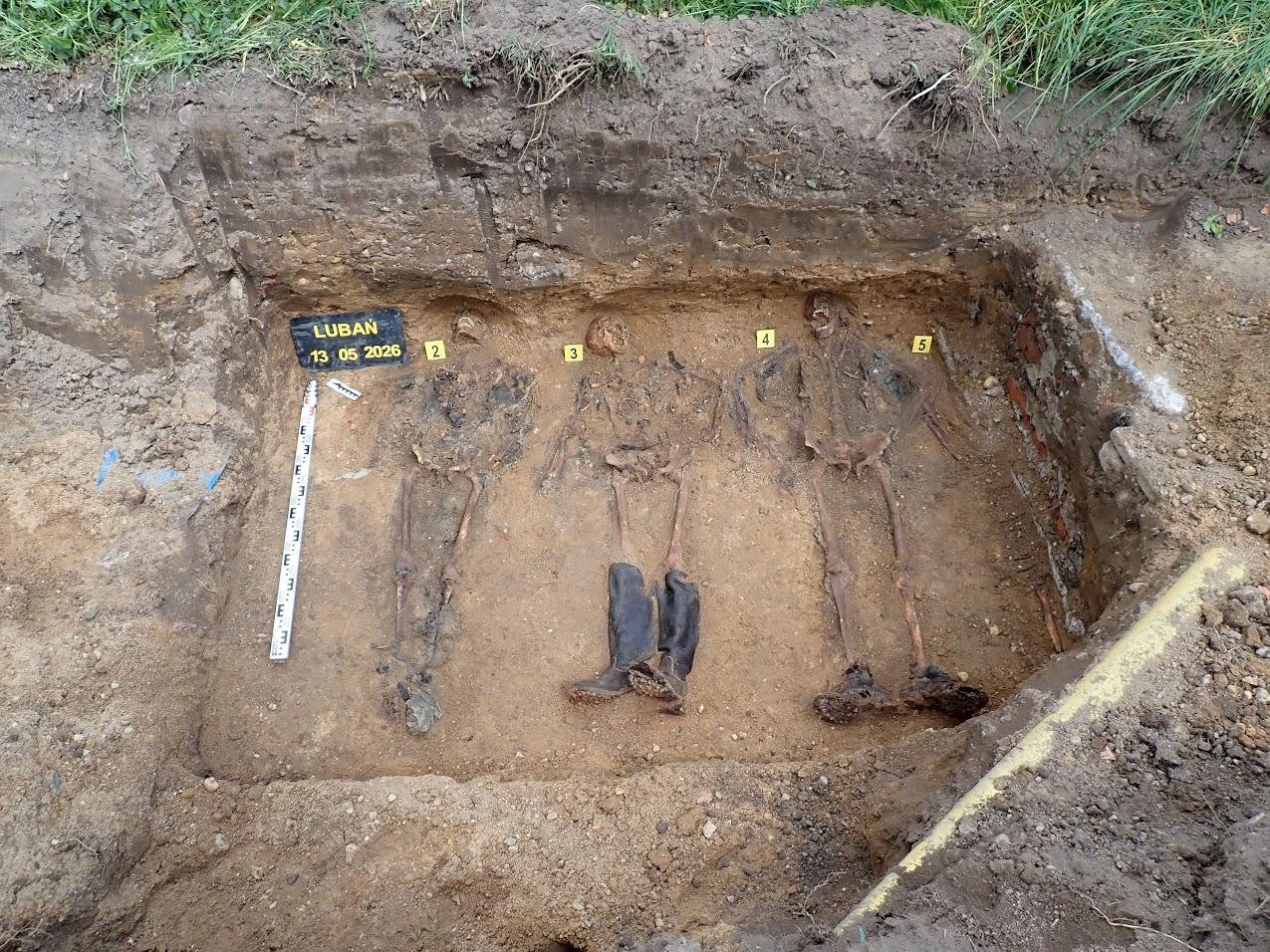
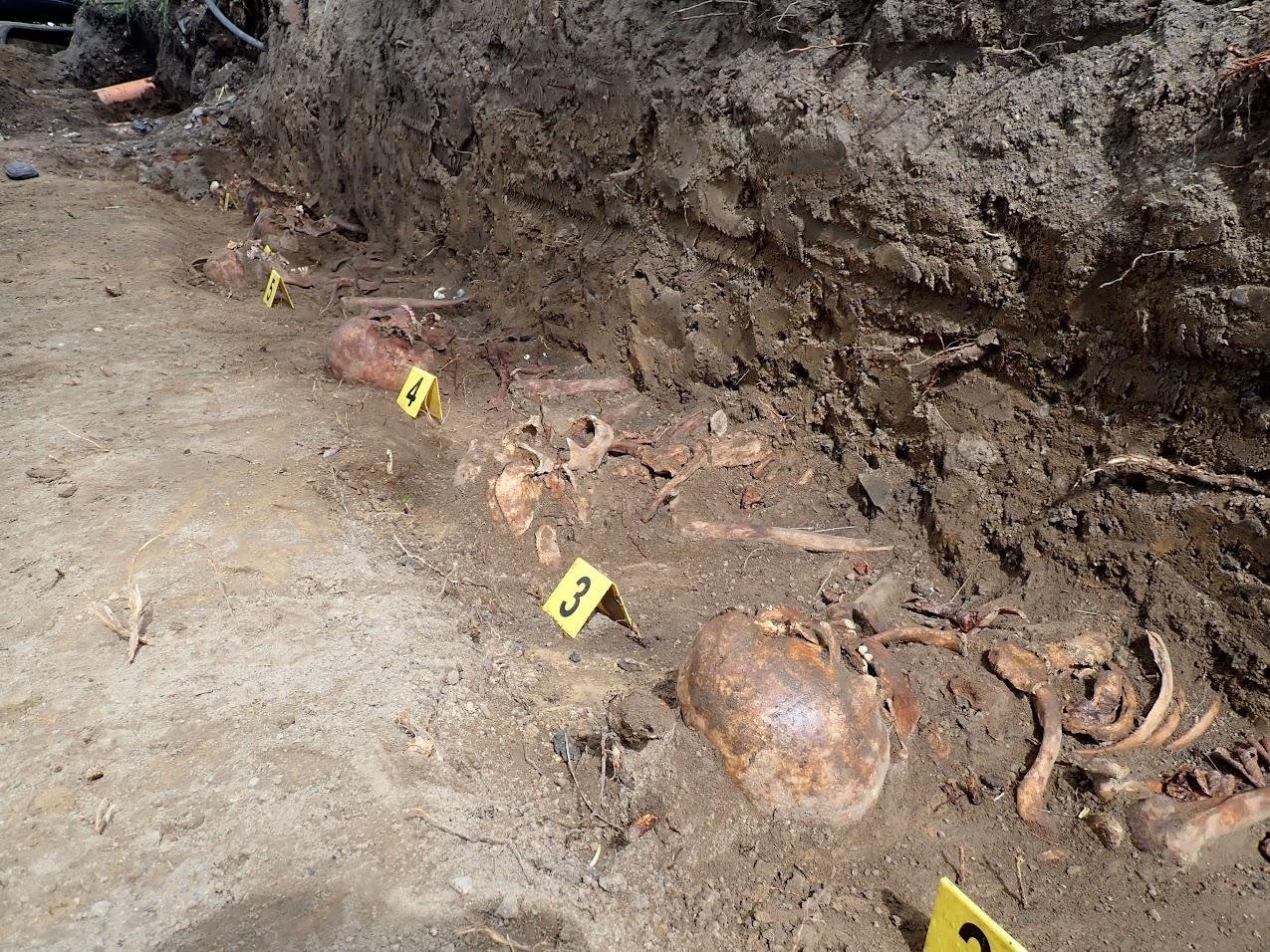
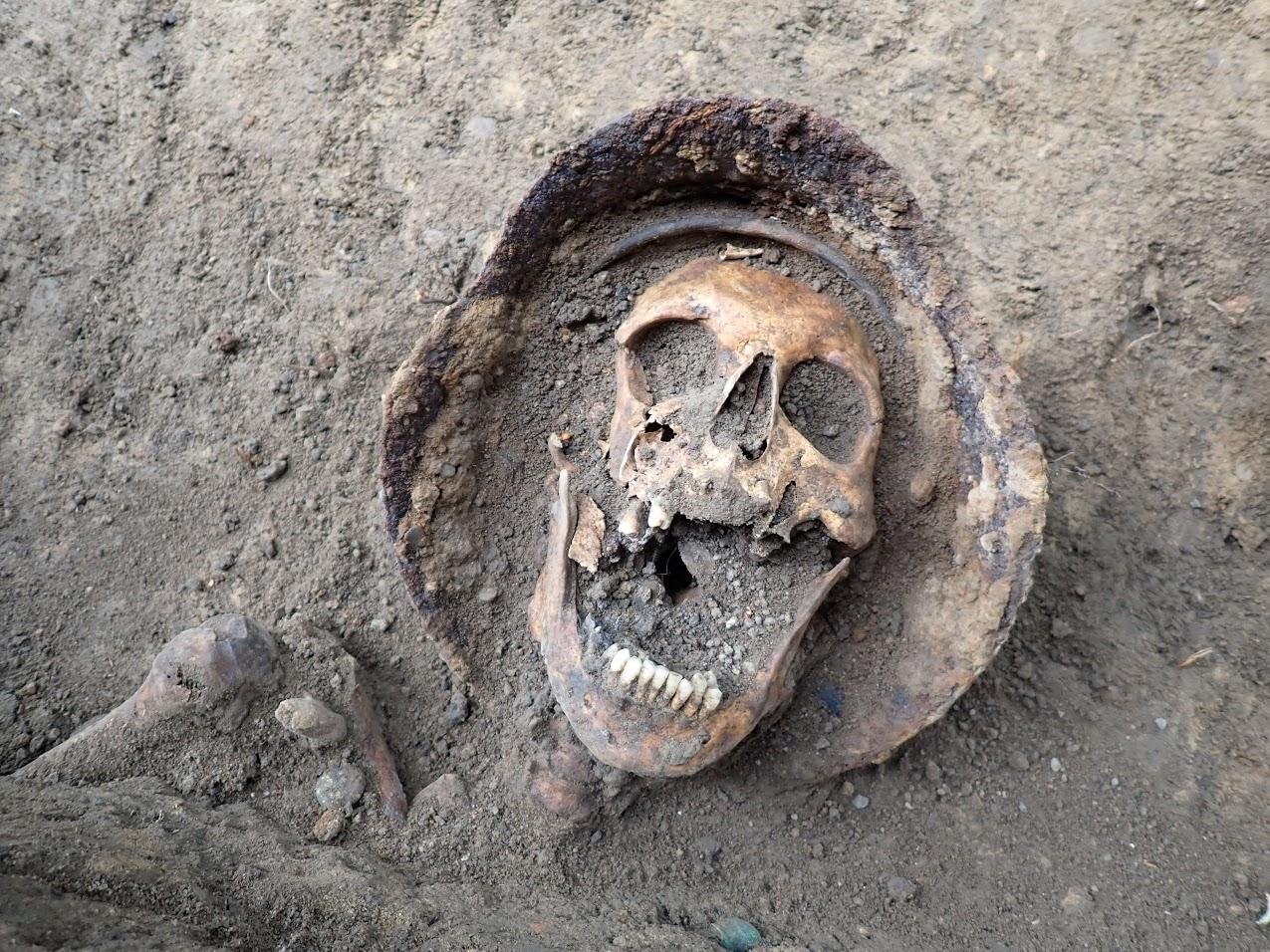
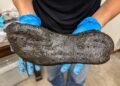
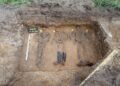
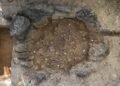
The remains were found during excavation and exhumation work in Lubań, a town in Lower Silesia once known as Lauban. The grave lay near the former hospital on Zawidowska Street, where researchers uncovered the bodies of several wartime defenders. One set of remains stood out from the others. The elderly man had been wrapped in a military coat bearing officer insignia.
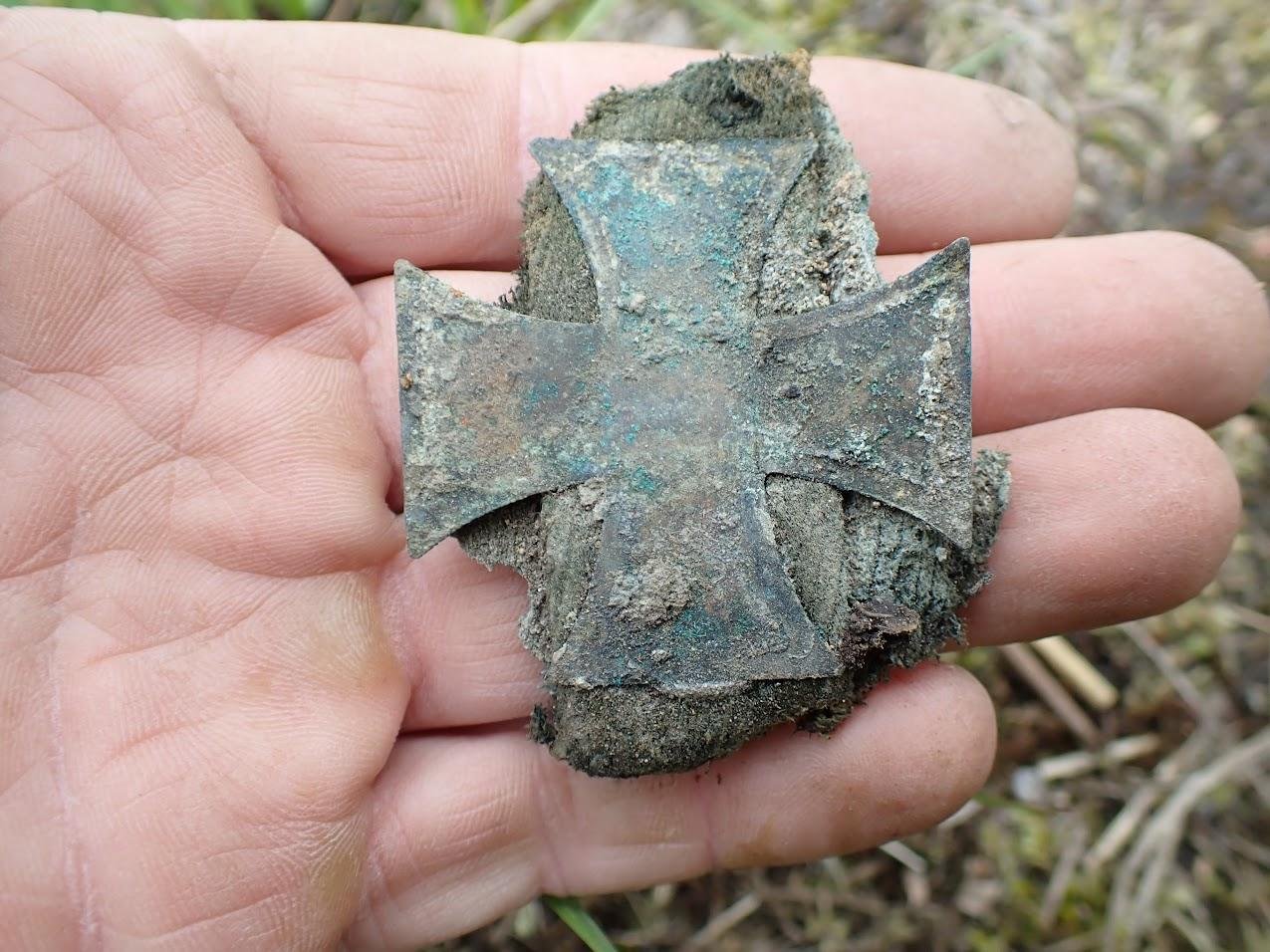
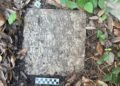
Researchers connected the remains to Gomolka through wartime records and personal evidence recovered during the excavation. Dog tags found with other soldiers in the grave also helped confirm the identification.
Gomolka had served during the First World War before returning to civilian life as a dentist in Lauban. By early 1945, Soviet troops were advancing through the region as fighting spread across Lower Silesia. German authorities organized Volkssturm units in a last attempt to slow the Soviet offensive. These formations largely consisted of civilians, older men, and teenagers with limited military training.
Despite his age and a disabled left hand, Gomolka took part in organizing the town’s defenses. Records show he commanded around 200 local residents assigned to Volkssturm units beginning on February 10, 1945.
Historical accounts state he was killed on March 1, 1945, near the intersection of Ratuszowa and Podwale streets during heavy fighting in the town. He was buried alongside other defenders in a grave later concealed after the war.
The Battle of Lauban took place in February and March 1945 and became one of the final German counterattacks on the Eastern Front. German forces temporarily regained control of the town before Soviet troops resumed their westward advance weeks later.
The current stage of excavations in Lubań has uncovered the remains of 22 soldiers. Researchers believe surviving documents and objects recovered from the graves will help identify many of them.
The investigation received support from historian Arkadiusz Wilczyński, whose work on the battle assisted the team. The Association of Upper Lusatia Enthusiasts also helped preserve and secure artifacts recovered during the excavation.
More information: POMOST




Disclaimer: This website is a science-focused magazine that welcomes both academic and non-academic audiences. Comments are written by users and may include personal opinions or unverified claims. They do not necessarily reflect the views of our editorial team or rely on scientific evidence.
Comment Policy: We kindly ask all commenters to engage respectfully. Comments that contain offensive, insulting, degrading, discriminatory, or racist content will be automatically removed.