
A dingo buried nearly 1,000 years ago along the Baaka, or Darling River, in western New South Wales has given researchers rare evidence about the relationship between Aboriginal communities and dingoes before European colonization.
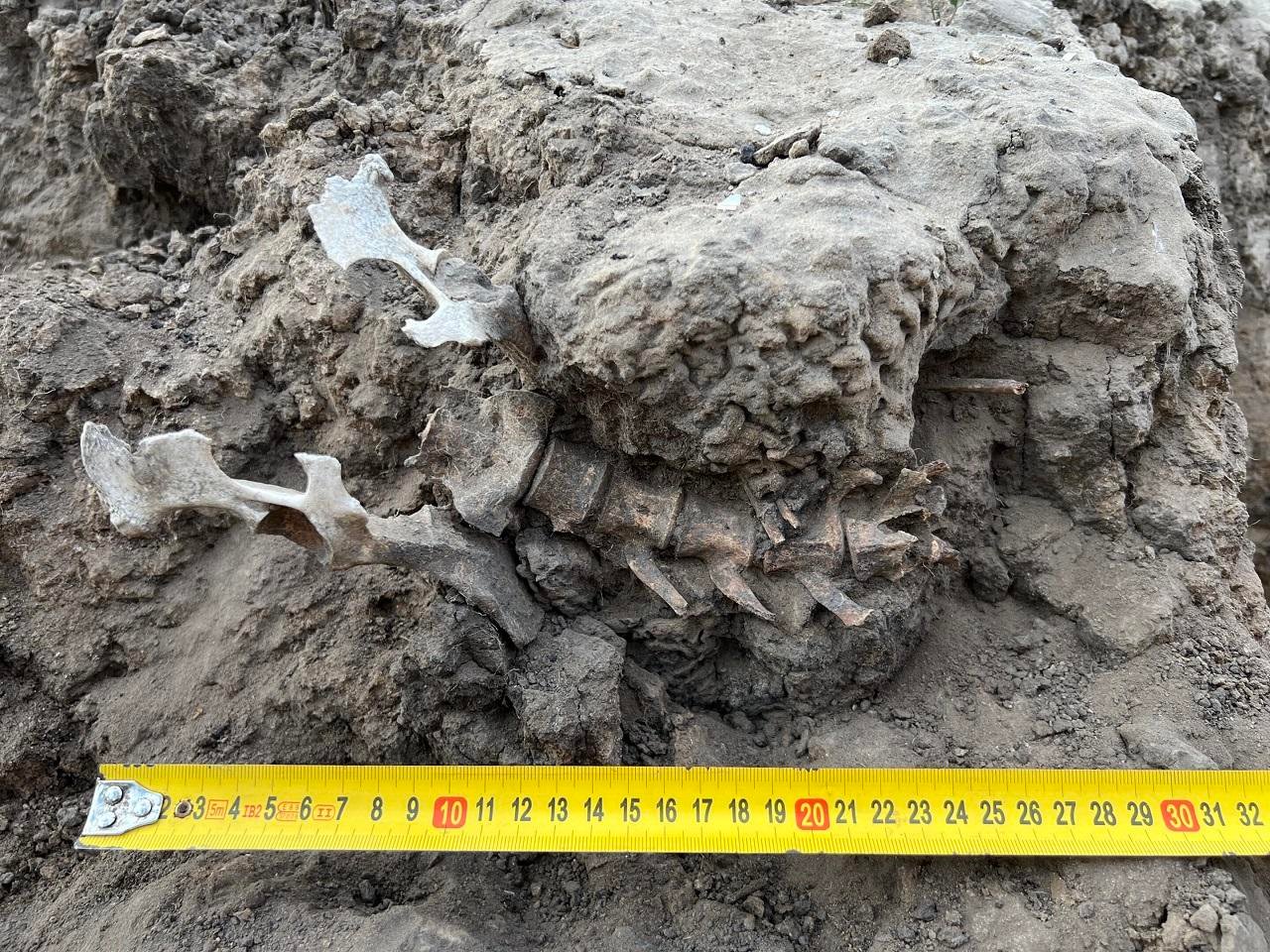
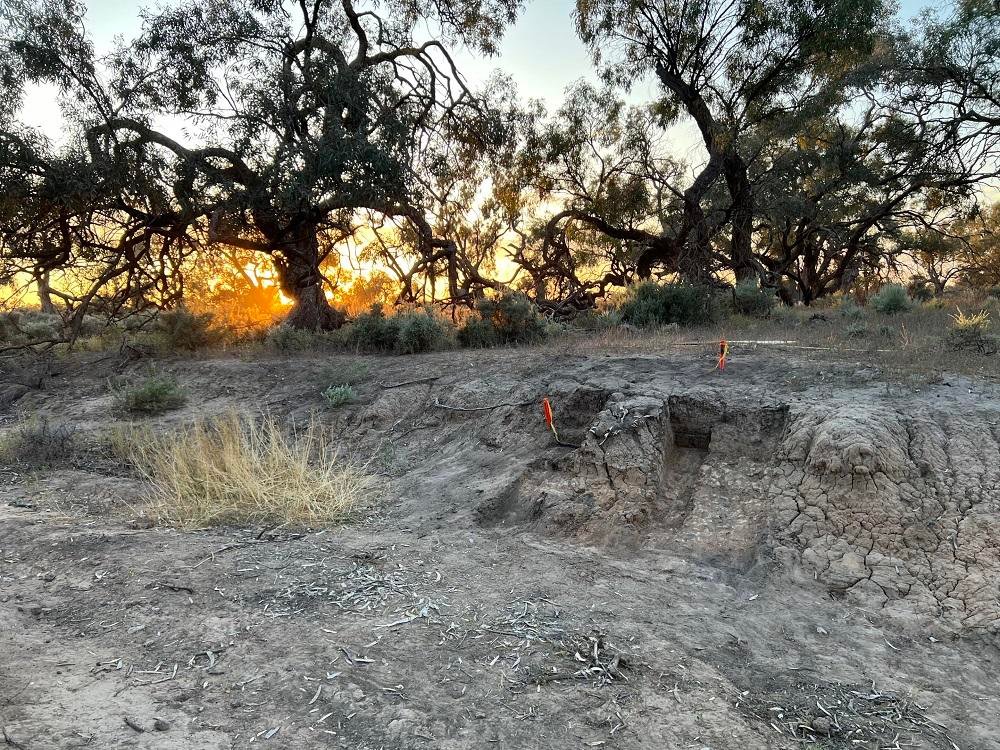
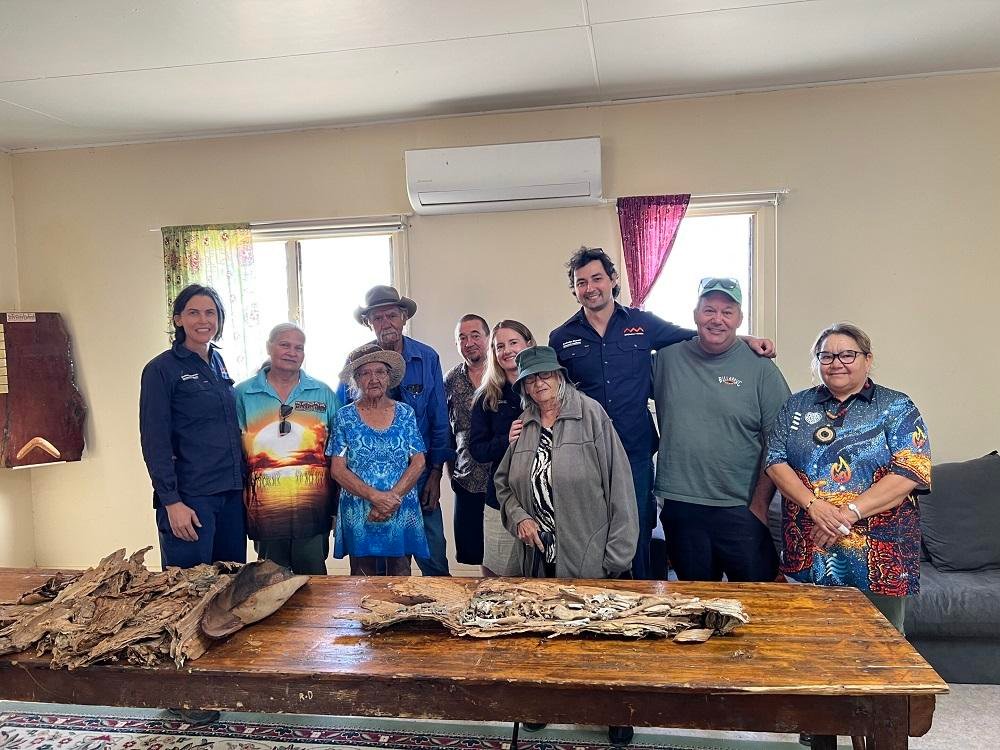
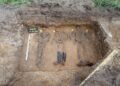
The remains were found in Kinchega National Park on Barkindji Country near the Menindee Lakes. Erosion along a road cut exposed part of the skeleton several years ago. Barkindji Elder Uncle Badger Bates and National Parks archaeologist Dan Witter first identified the burial. Archaeologists later excavated the site with guidance from the Menindee Aboriginal Elders Council.
Researchers named the dingo Garli, the Barkindji word for dingo. Radiocarbon dating placed the burial between 963 and 916 years ago. The findings appeared in the journal Australian Archaeology.
The burial site stood beside the Baaka River inside a midden filled with mussel shells and other materials linked to long-term human activity. Researchers found signs people continued adding shells to the midden for around 500 years after Garli’s burial.
Barkindji Elders described the practice as ceremonial feeding connected to Garli as an ancestor. Archaeologists said no earlier excavation had recorded evidence of such a practice linked to a buried dingo.

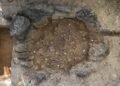
The burial itself showed care and planning. Garli lay inside a purpose-built midden near the riverbank. Researchers compared the treatment to burial practices used for respected community members.
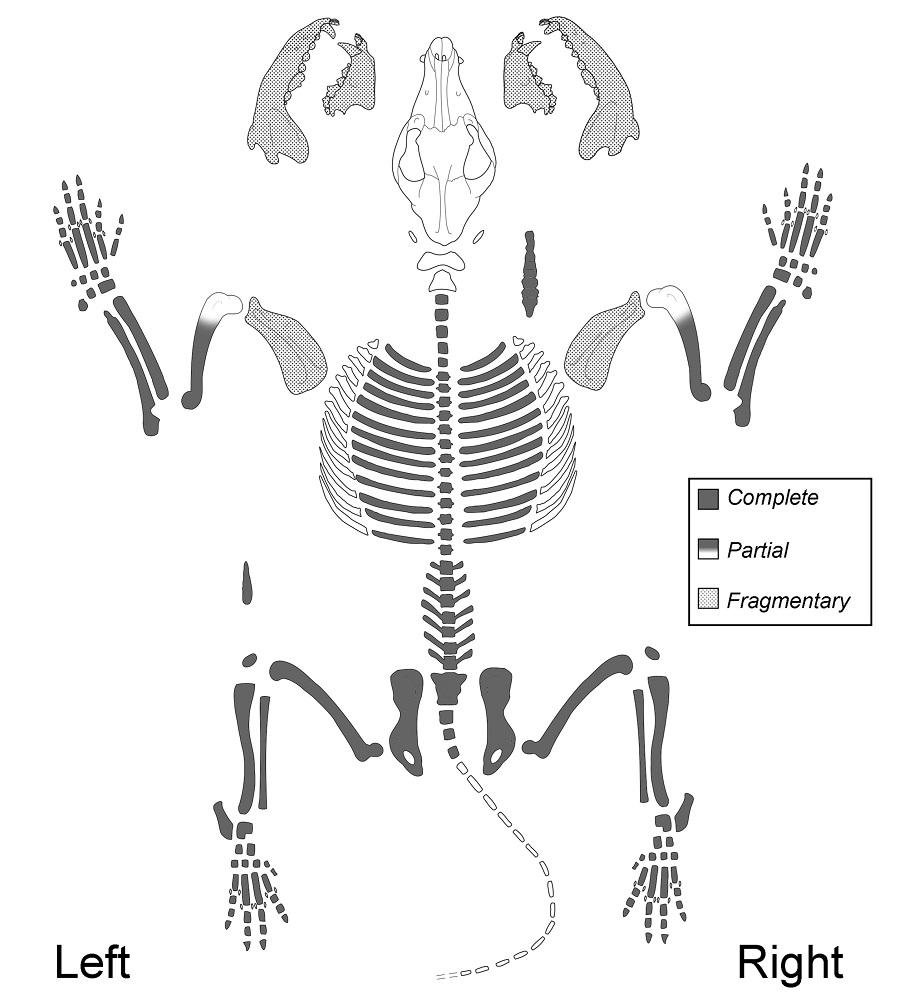
Analysis of the skeleton showed Garli lived longer than many wild dingoes. Researchers estimated his age between four and seven years old. His teeth showed heavy wear from years of chewing abrasive food.
The bones carried signs of severe injuries. Researchers identified healed broken ribs and a healed fracture in the lower leg. Those injuries likely came from hunting. One possible cause involved a kick from a kangaroo.
The injuries would have made movement difficult for long periods. Researchers believe Garli survived because people cared for him during recovery. The skeleton suggested a long relationship between the animal and the community around him.
Dr. Loukas Koungoulos from the University of Western Australia said the burial reflected close social ties between dingoes and Aboriginal groups. The evidence pointed toward tame animals living alongside people instead of moving through camps as wild scavengers.
Researchers also examined marks on several joints and surface changes on the bones. Those traces suggested the remains went through a complicated history after burial while staying buried in the midden for centuries.
Archaeologists have documented dingo burials from other parts of Australia, especially southeastern regions. Few sites received detailed excavation and scientific study. Because of this, many questions about burial customs remained unanswered.
The Kinchega excavation extended the known range of pre-colonial dingo burials farther north and west within the Murray-Darling Basin. Researchers from the University of Sydney, the Australian Museum, the Australian National University, and the University of Western Australia worked on the project together.
Barkindji Elders guided the research from the beginning. Ceremonies formed part of the excavation process, including smoking rituals linked to cultural care. Earlier this year, Garli returned to Country after researchers completed their analysis.
For Barkindji communities, the burial matched long-held cultural knowledge about ties between people, animals, ancestors, and Country. For archaeologists, the site provided rare physical evidence of care, respect, and long-term bonds between Aboriginal people and dingoes almost a millennium ago.

Disclaimer: This website is a science-focused magazine that welcomes both academic and non-academic audiences. Comments are written by users and may include personal opinions or unverified claims. They do not necessarily reflect the views of our editorial team or rely on scientific evidence.
Comment Policy: We kindly ask all commenters to engage respectfully. Comments that contain offensive, insulting, degrading, discriminatory, or racist content will be automatically removed.