
Archaeologists in central Germany have uncovered an unusual 7,000-year-old pit packed with beaver bones, offering a rare look at hunting practices and clothing materials used by some of Europe’s earliest farming communities.
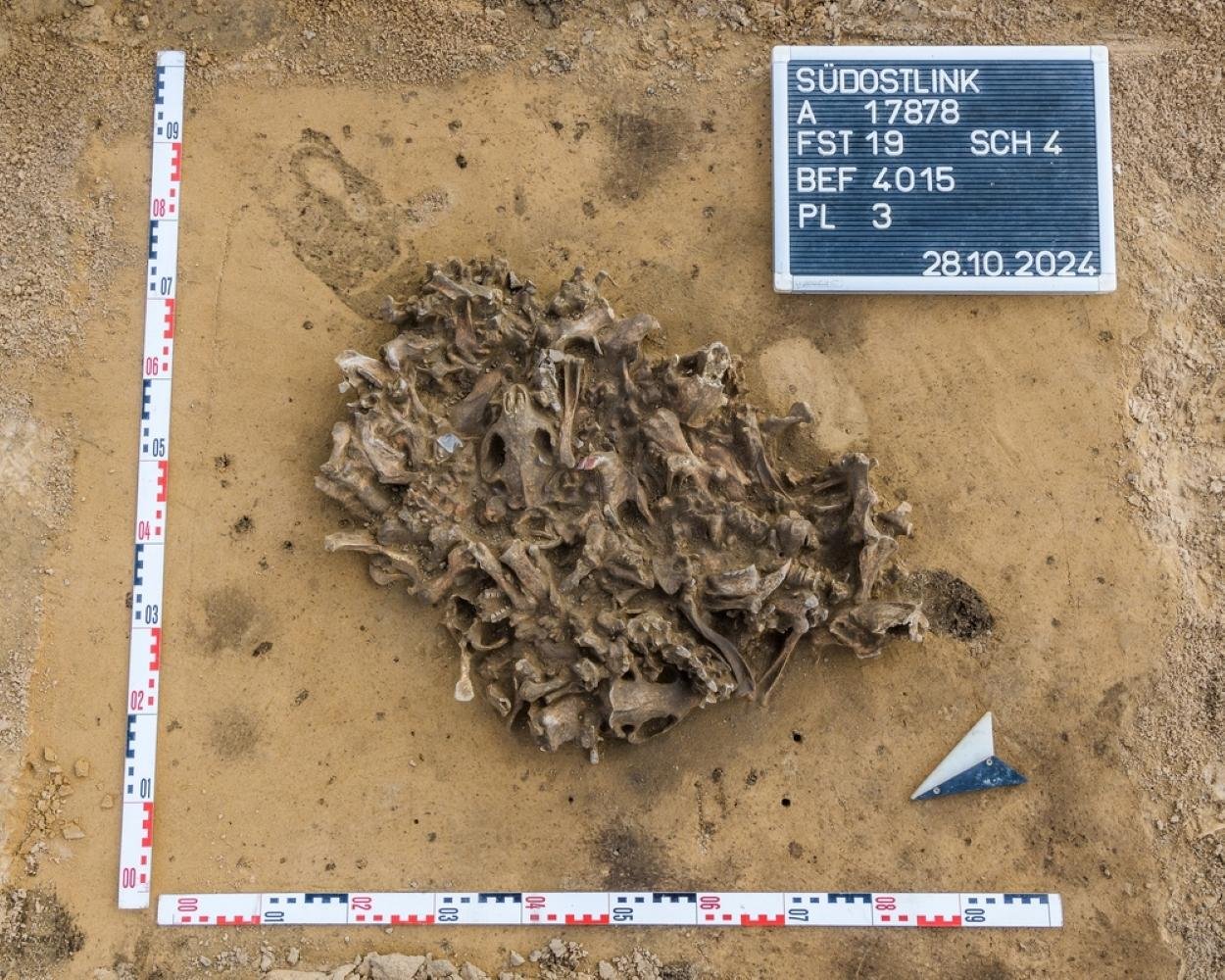
The discovery was made near Alsleben in Saxony-Anhalt during archaeological work carried out before construction of the SuedOstLink high-voltage electricity transmission line. The large infrastructure project crosses around 170 kilometers of Saxony-Anhalt, passing through landscapes known for fertile soils and long histories of human settlement. Because of this, archaeologists have been investigating and documenting sites along the route before construction starts.
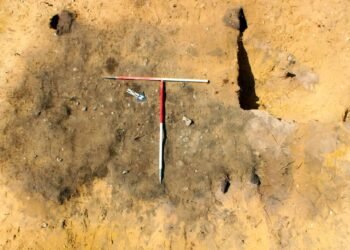
The excavation area near Alsleben sits above the Saale River, where the transmission line will cross using a trenchless method. Archaeologists from the State Office for Heritage Management and Archaeology Saxony-Anhalt found evidence of settlement from several periods, including the Neolithic, Bronze Age, and Iron Age.
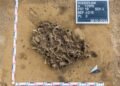
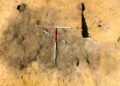
Among postholes, storage pits, burial features, and other remains, one small pit drew unusual attention. The feature measured only about 80 centimeters in diameter, yet contained a tightly packed concentration of animal bones. Researchers quickly noticed the orange-brown incisors typical of beavers mixed within the deposit.
A flint artifact found in the upper fill of the pit hinted at an early date. Because of the unusual concentration of bones, the entire feature was removed as a single block and taken to a laboratory for careful analysis.

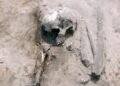
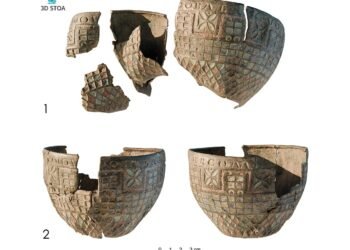
Radiocarbon dating showed the pit dates between 4935 and 4787 BCE. This places the deposit in the early Neolithic and connects it to the Stroke-Ornamented Ware Culture, a farming culture named after the decorated pottery associated with its settlements.
Analysis showed the deposit contains only beaver remains. The bones are exceptionally well preserved and mostly intact. Based on skulls already identified, archaeologists estimate the pit holds remains from at least 12 individual beavers.
The animals were not placed in the pit as complete carcasses. Many skeletal elements are missing, and the bones were not arranged in anatomical order. This suggests the animals had already decomposed before their bones were collected and deposited together.
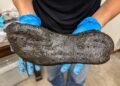
Researchers think the beavers were likely hunted primarily for their fur rather than for food. After skinning, the carcasses were probably left to decay before the remaining bones were gathered and discarded in the pit. The deposit includes animals of different age groups, from individuals around one year old to others older than eight years.
Beavers would have been common along the nearby Saale River, making them an accessible resource for local communities. Their dense, warm fur would have been useful for clothing in Neolithic Europe, where durable animal skins likely played an important role in daily life.
The concentration of bones from a single species in one pit suggests this was not ordinary household waste. Instead, archaeologists believe the find points to deliberate and organized hunting activity. Such evidence is rarely preserved because fur and textiles almost never survive in the archaeological record.
Although the pit itself looks simple, the deposit offers unusual evidence of how early farming groups managed local animal resources. The Alsleben discovery also adds new detail to what people in central Europe may have worn more than 6,900 years ago, suggesting clothing production involved planned hunting and careful use of animal materials.
More information: Landesamt für Denkmalpflege und Archäologie Sachsen-Anhalt – Landesmuseum für Vorgeschichte














Disclaimer: This website is a science-focused magazine that welcomes both academic and non-academic audiences. Comments are written by users and may include personal opinions or unverified claims. They do not necessarily reflect the views of our editorial team or rely on scientific evidence.
Comment Policy: We kindly ask all commenters to engage respectfully. Comments that contain offensive, insulting, degrading, discriminatory, or racist content will be automatically removed.