
A large genetic study of early medieval burials in southern Germany is changing how historians describe the end of Roman rule in Central Europe. The research, led by Johannes Gutenberg University Mainz and published in Nature, draws on 258 genomes from cemeteries dated between 400 and 700 CE. The team compared these data with more than 2,800 ancient and modern genomes from across Germany.
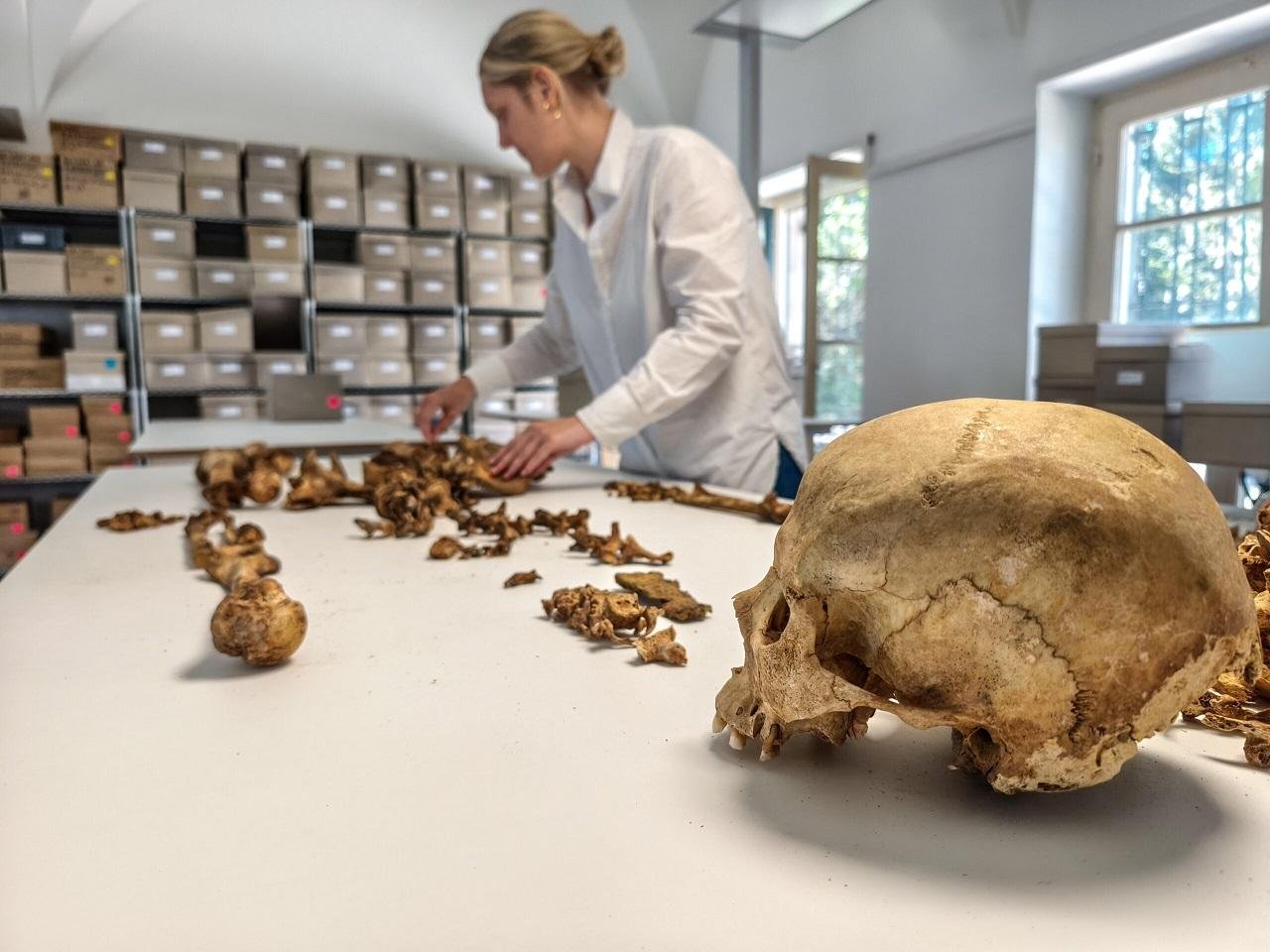
Many towns in the region began as settlements after the Western Roman Empire broke apart. For decades, this shift was linked to mass migrations of Germanic peoples. The new results point in another direction. The genetic data show movement on a smaller scale, with families and local groups relocating over time rather than large coordinated waves.
The study focused on row grave cemeteries, burial grounds used across parts of Europe from the mid-fifth century. These sites contain individuals with two distinct genetic backgrounds. One group carried ancestry linked to northern Europe. The other reflected the mixed population of the Roman provinces, shaped by long-distance connections across Europe and parts of Asia.
Evidence shows people from the north had already moved into the frontier zone before Roman authority collapsed. They lived in separate communities and often married within their own groups. Roman policies may have reinforced this pattern by assigning land under controlled conditions.
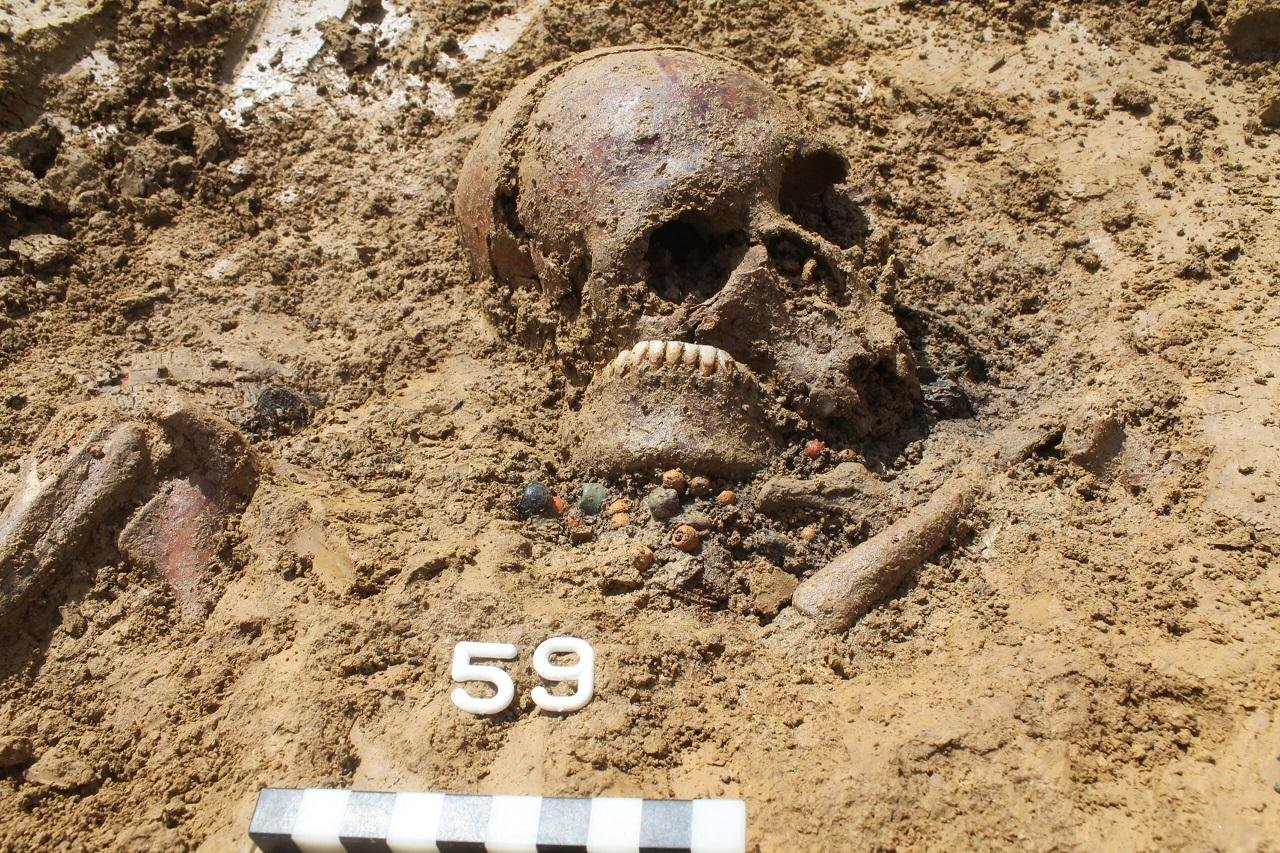
A clear shift appears in the late fifth century. As Roman structures weakened, people left urban centers and military settlements and settled in rural areas. Contact between groups increased. Shared burial grounds begin to appear, and genetic data show widespread intermarriage. By the early seventh century, the two populations had merged into a genetic profile close to that of modern Central Europeans.

Family relationships reconstructed from the genomes offer a detailed view of daily life. Households centered on nuclear families rather than extended kin groups. Marriages were monogamous, and close relatives did not marry. Lineage passed through both maternal and paternal lines. These patterns match written records from late antiquity.
The data also provide demographic details. The average generation time stood near 28 years. Life expectancy reached about 40 years for women and slightly higher for men. Infant mortality was high. About one quarter of children lost at least one parent before age ten, yet many still grew up with grandparents present in the household.
Researchers argue that these findings align with a broader shift in historical thinking. The collapse of Roman authority did not trigger a single large migration. Instead, a mix of smaller movements and local integration reshaped the population. Cultural practices linked to the late Roman world continued through this period and influenced the development of early medieval societies.
By the seventh century, the genetic structure seen in southern Germany had taken shape. Both northern and Roman provincial groups contributed to this outcome. The study shows how gradual interaction and shared social norms formed the foundation of populations in Central Europe today.
Publication: Blöcher, J., Vallini, L., Velte, M. et al. (2026). Demography and life histories across the Roman frontier in Germany 400–700 CE. Nature. doi:10.1038/s41586-026-10437-3
More information: Johannes Gutenberg University Mainz











Disclaimer: This website is a science-focused magazine that welcomes both academic and non-academic audiences. Comments are written by users and may include personal opinions or unverified claims. They do not necessarily reflect the views of our editorial team or rely on scientific evidence.
Comment Policy: We kindly ask all commenters to engage respectfully. Comments that contain offensive, insulting, degrading, discriminatory, or racist content will be automatically removed.