
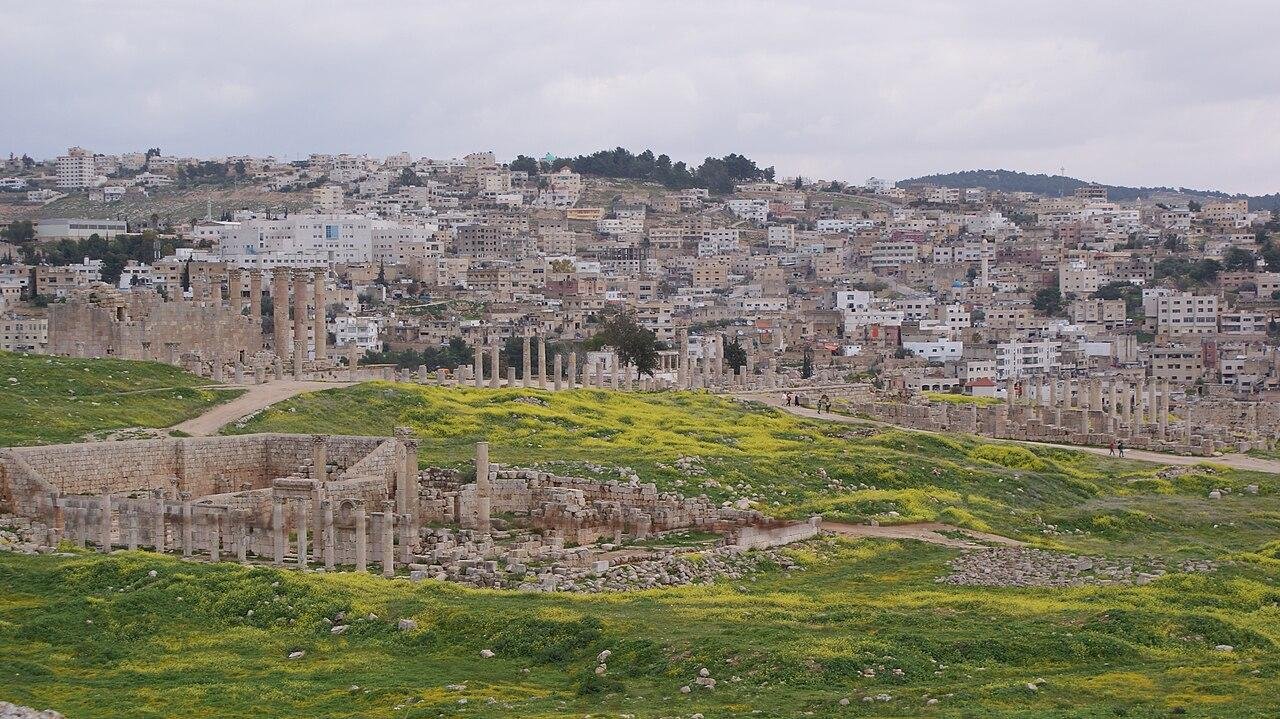
A mass grave uncovered in the ancient city of Jerash in modern-day Jordan is offering new evidence of how one of history’s earliest pandemics reshaped life and death in the Byzantine world. Researchers have confirmed the burial as the first biomolecularly verified plague mass grave from the First Pandemic, also known as the Plague of Justinian, which spread across the Mediterranean between 541 and 750 CE.
The study, published in the Journal of Archaeological Science, was led by a team from the University of South Florida. Instead of focusing only on identifying the disease itself, the researchers examined who the victims were and what their burial reveals about society during a major health crisis.
Jerash, known in antiquity as Gerasa, was once one of the region’s major urban centers. The city reached an estimated population of around 25,000 people during the 3rd century CE. By the end of the 6th century, the population had dropped to roughly 10,000. This decline placed the city in a period of social and demographic strain even before the plague burial described in the new research.
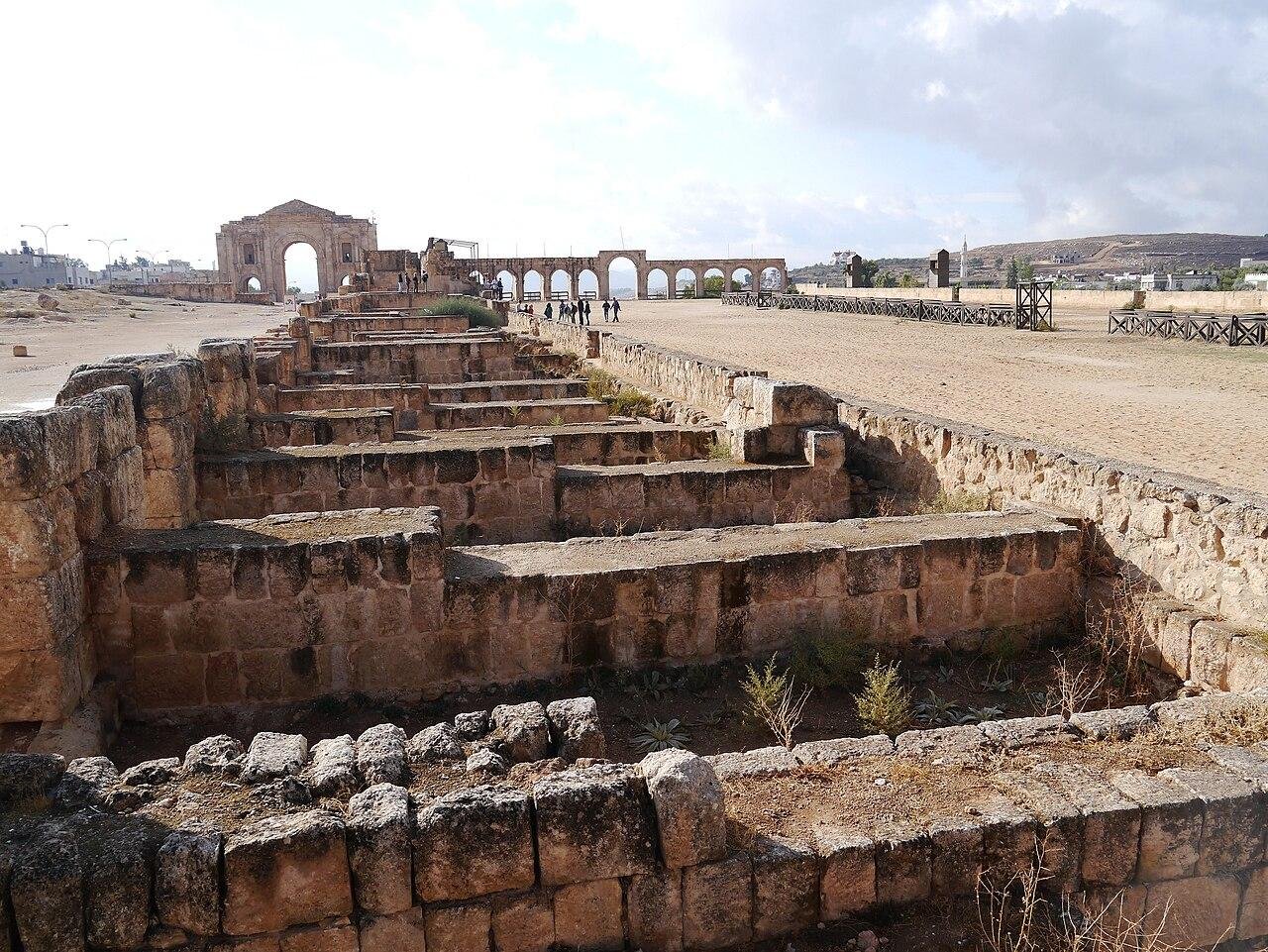
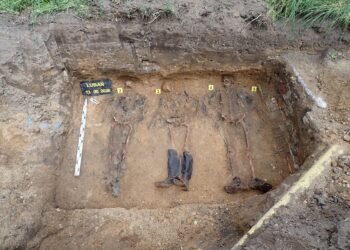
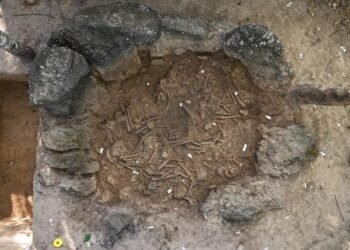
The mass grave was found in two chambers of Jerash’s hippodrome. Archaeologists documented around 230 individuals buried in tightly packed layers. The burial pattern was unusual for the period. Bodies were deposited rapidly, stacked with little attention to standard funerary customs, and placed over pottery debris in what had once been a public space. The evidence suggests the dead were buried over a very short period, likely days or weeks, during a sudden mortality crisis.
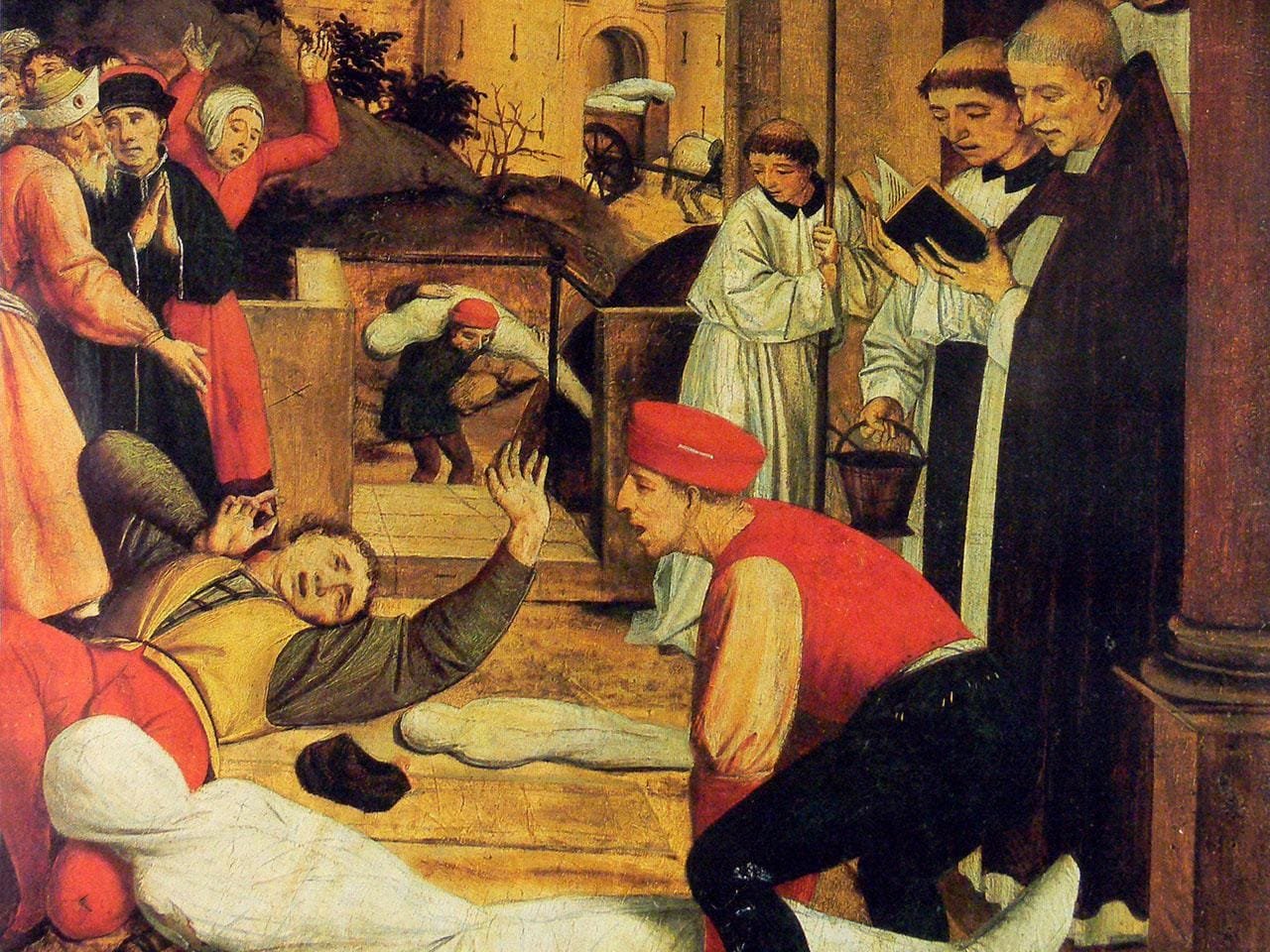
This type of burial closely resembles later plague pits from medieval Europe. Unlike ordinary cemeteries, which grow over decades or centuries, the Jerash grave records a single catastrophic event. Researchers say this provides rare direct evidence for the human toll of the Justinianic Plague in the Eastern Mediterranean.
Ancient DNA analysis identified Yersinia pestis, the bacterium responsible for plague, confirming the victims died during a synchronous epidemic event. Genetic data showed a uniform strain, supporting the idea of a single outbreak rather than repeated disease episodes.
The team also studied stable isotopes from bones and teeth to examine diet and mobility. Carbon and nitrogen isotope values indicate diets typical of the region, based largely on C3 crops and local food systems. Oxygen isotope data from tooth enamel told a different story. The values varied more widely than those seen in other long-term populations from sites such as Tell Dothan, Pella, and Faynan in the Levant.
This wider isotopic range suggests many individuals buried in the grave experienced different childhood water environments, meaning they likely grew up in varied locations before arriving in Jerash. Researchers interpret this as evidence of a socially and geographically mixed urban population.
Under normal conditions, such diversity often disappears in standard burial records because migration happens gradually across generations. The plague created a rare moment when people from different backgrounds, who may have lived across broader networks, were brought together in one burial event.
Mitochondrial DNA also identified haplogroups H13 and L3e, which fit within the expected maternal diversity of Byzantine Levantine populations.
Taken together, the archaeological, genetic, and isotopic evidence makes Jerash one of the clearest examples of how pandemics affected ancient urban life. The site shows the First Pandemic was not only a biological event but also a social crisis that exposed patterns of mobility, vulnerability, and urban pressure.
For historians and archaeologists, the Jerash grave offers one of the strongest physical records yet of how plague transformed communities in Late Antiquity. Hundreds of people who likely came from different parts of the wider region ended up buried together in a single emergency response to mass death, preserving a rare snapshot of a city under extreme strain.



Disclaimer: This website is a science-focused magazine that welcomes both academic and non-academic audiences. Comments are written by users and may include personal opinions or unverified claims. They do not necessarily reflect the views of our editorial team or rely on scientific evidence.
Comment Policy: We kindly ask all commenters to engage respectfully. Comments that contain offensive, insulting, degrading, discriminatory, or racist content will be automatically removed.