
Researchers studying ancient Maya cities in the highlands of Chiapas, Mexico, have found evidence that people transported live dogs across long distances more than 1,000 years ago. The findings point to trade connections stretching from the northern Yucatán Peninsula to western Maya regions during the Classic period, between 400 and 800 CE.
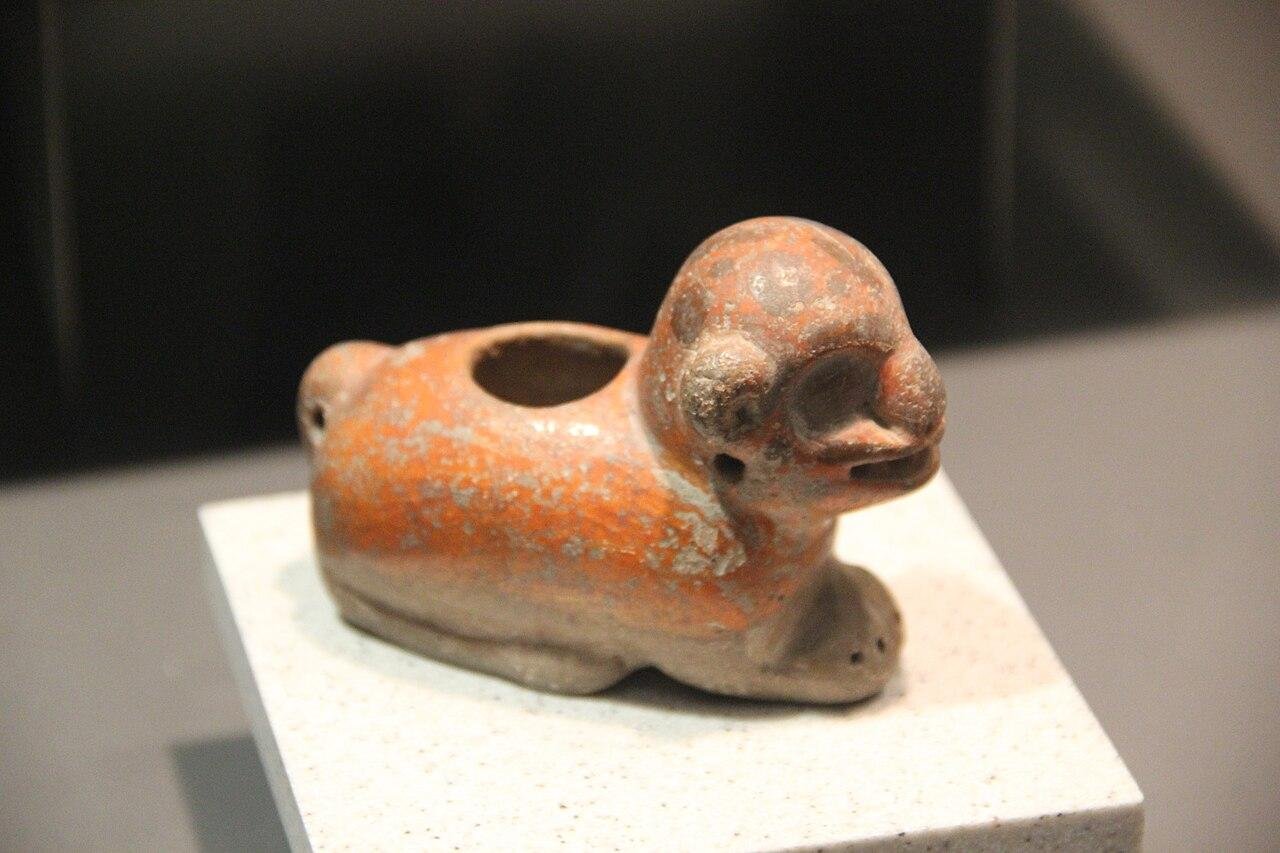
The study focused on animal remains recovered from the Maya sites of Moxviquil and Tenam Puente. Archaeologists examined dog and deer bones and teeth using isotope analysis, a method that tracks chemical signatures linked to food, water, and geology. The work was led by researchers from the University of Calgary and several partner institutions, with results published in the Journal of Archaeological Science.
The team built a new strontium isotope map for the Maya region using plant samples collected across central Chiapas along with earlier North American isotope data. Strontium ratios become stored in tooth enamel during early growth and stay stable throughout life. Bones, by contrast, change over time and reflect later movement and diet. By comparing those chemical patterns with the new regional map, the researchers traced where the animals likely came from.
The deer found at both sites matched local isotope signatures, suggesting hunters caught them nearby. The dogs told a different story. Most carried isotope values inconsistent with the Chiapas highlands, showing they had spent their early lives in distant lowland regions.

Dogs from Tenam Puente appeared to come from a shared outside source, possibly areas around Becan or Balamku in the Central Karstic Uplands. The dogs from Moxviquil showed wider geographic origins. Some matched regions linked to major Maya centers such as Palenque, Tonina, Calakmul, Tikal, and parts of coastal Yucatán.
Researchers also studied carbon and nitrogen isotopes to reconstruct the diet. The results showed many of the imported dogs ate unusually high amounts of corn and meat. Those food patterns differed from wild animals and matched foods commonly prepared for people. The researchers believe the dogs received deliberate feeding rather than surviving on scraps alone.
The study suggests these animals held social or political value. Transporting live dogs across hundreds of miles would have required planning, sustained exchange relationships, and access to long-distance trade routes already known in the Maya world.
Archaeologist Elizabeth Paris from the University of Calgary said the findings add further evidence for extensive exchange networks throughout ancient Mesoamerica. Highland Chiapas already had a reputation for overland trade and merchant activity, and the imported dogs appear tied to those connections.
The exact type of dogs involved still remains uncertain. Some skeletal features resemble the Xoloitzcuintli, a hairless breed later associated with the Aztecs. Mutations connected to hairlessness often affect tooth shape, and several of the Chiapas dogs showed similar dental traits. Researchers plan to conduct DNA testing to determine whether the animals belonged to related lineages.
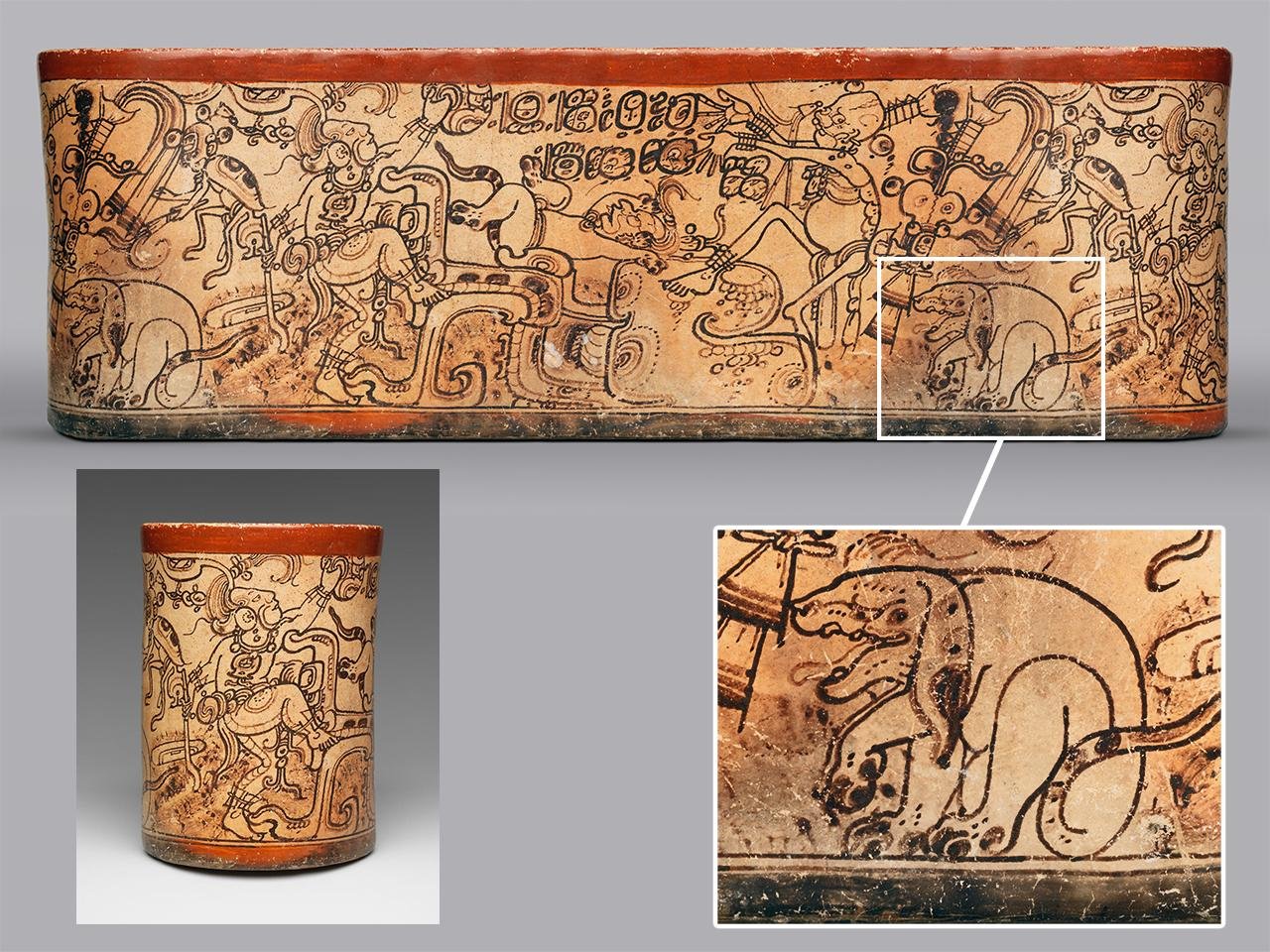
Ancient Maya artwork from lowland cities sometimes depicts rulers traveling with small dogs resting beneath hammocks. Archaeologists think elite families may have exchanged specialized dogs as gifts or symbols of status. The isotope evidence now provides direct proof that live animals moved between distant Maya cities, adding another layer to what researchers know about trade and political ties across the region.











Disclaimer: This website is a science-focused magazine that welcomes both academic and non-academic audiences. Comments are written by users and may include personal opinions or unverified claims. They do not necessarily reflect the views of our editorial team or rely on scientific evidence.
Comment Policy: We kindly ask all commenters to engage respectfully. Comments that contain offensive, insulting, degrading, discriminatory, or racist content will be automatically removed.