
A new study of human remains from Pompeii is reopening the debate over the conditions on the day Mount Vesuvius erupted in CE 79, suggesting that the city may not have faced the disaster during a typical late-summer heatwave, after all. Instead, researchers argue, the final hours may have passed with cooler or more hostile environmental conditions than long assumed.

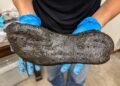
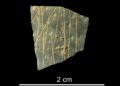
Led by the ÁTROPOS group at the University of Valencia, the study focuses on fourteen plaster casts of eruption victims found in the Porta Nola necropolis. These casts preserve detailed impressions of clothing, allowing scholars to analyze textile structure long after the organic material itself vanished. Accordingly, as these researchers’ findings show, people who died both inside buildings and in open spaces were dressed in remarkably similar ways: a wool tunic covered by a wool cloak, woven with coarse, heavy threads.
The most common fabric in the Roman world, wool was valued for its durability and affordability. Even so, the researchers note that wearing two layers of thick wool would be unexpected on a hot August day in southern Italy. In four of the casts, the textile impressions were clear enough to confirm not only the garment types but also the density and weight of the weave, pointing to especially heavy clothing.
The research poses a series of questions about what people were responding to during those final moments. Temperatures could have been unusually low for that time of year. Alternatively, thick clothing may have been an improvised protection against falling ash, toxic gases, and extreme atmospheric conditions produced during the many-hour-long eruption.

The question is linked to a long-standing debate among scholars about the timing of Vesuvius’ eruption. Ancient records, such as those from Pliny the Younger, date the catastrophe to late August, and many historians accept that as valid. But archaeological evidence from Pompeii has complicated the picture. Finds such as autumn fruits, traces of lit braziers inside houses, and wine in an advanced stage of fermentation have led some researchers to argue for a later date, possibly in early autumn.


The work of the Valencia team adds physical evidence that comes directly from the victims themselves: the uniformity of clothing from different locations across the city, suggesting some kind of shared environmental pressure rather than personal choice or social status. By examining fabric impressions like forensic traces, the researchers try to reconstruct lived experience rather than depend on written sources.
Presented recently at an international conference near Pompeii, the study highlights how small, easily overlooked details can reshape understanding of famous historical events. Whether the heavy wool garments reflect unexpected cold, a choking atmosphere, or both, they offer a rare glimpse into how Pompeii’s residents faced the eruption.
More information: University of Valencia















Disclaimer: This website is a science-focused magazine that welcomes both academic and non-academic audiences. Comments are written by users and may include personal opinions or unverified claims. They do not necessarily reflect the views of our editorial team or rely on scientific evidence.
Comment Policy: We kindly ask all commenters to engage respectfully. Comments that contain offensive, insulting, degrading, discriminatory, or racist content will be automatically removed.