
Archaeologists have documented a well-preserved Bronze Age hilltop settlement at Harden Quarry in the Cheviot Hills of northern England. The excavation took place inside Northumberland National Park ahead of a quarry extension. Results provide rare evidence for early farming and settlement in upland terrain more than four thousand years ago.
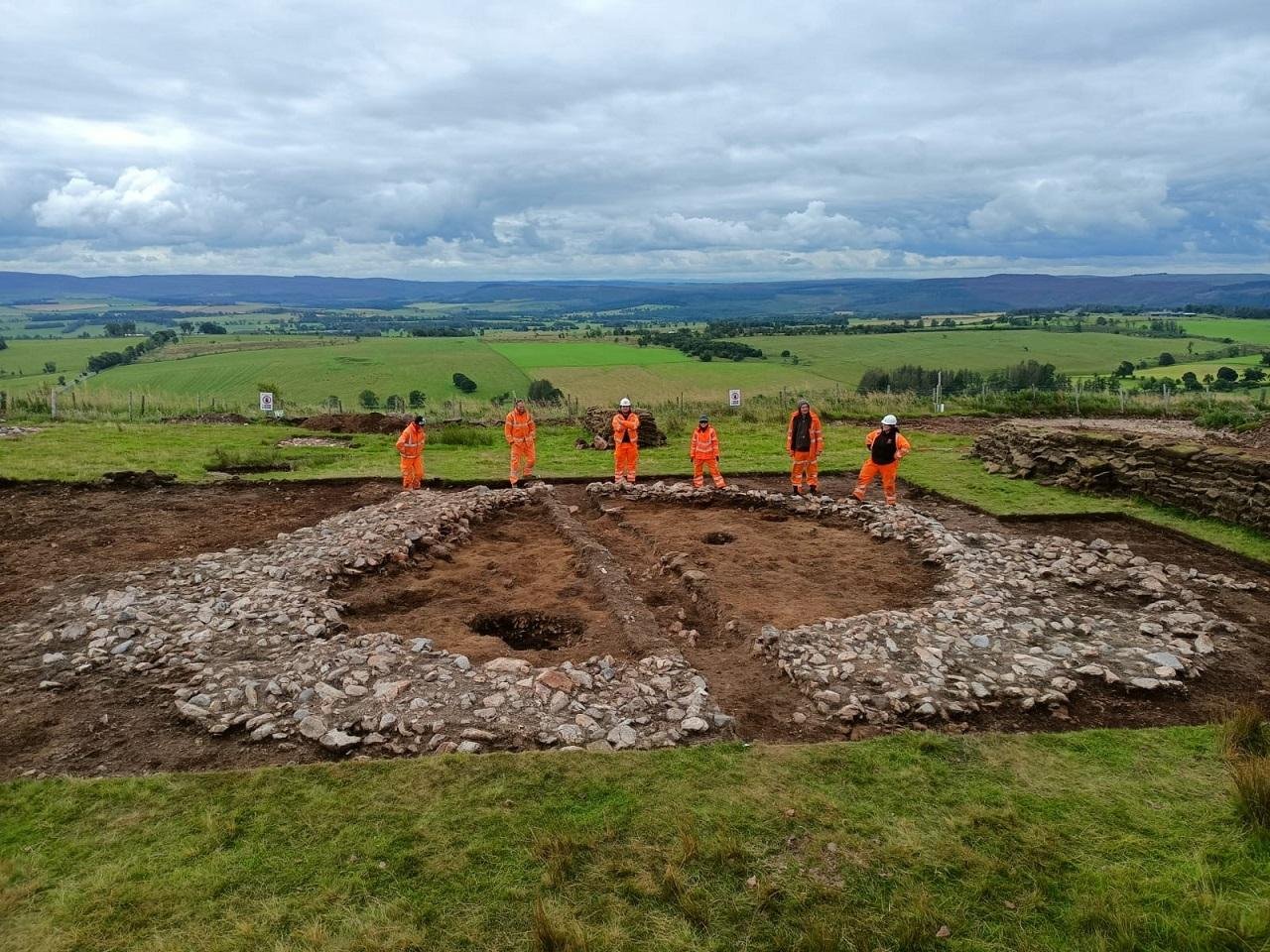
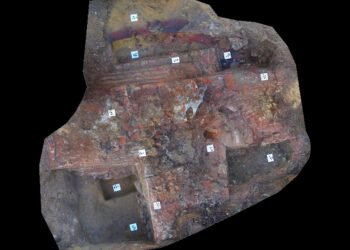
Field teams uncovered circular platforms that once supported timber roundhouses. Nearby, workers identified early field systems and multiple clearance cairns, stone piles created when farmers removed rocks from soil to prepare ground for crops. These features show organized land use rather than short visits or seasonal grazing.
Radiocarbon dates place activity around 2400 BCE, near the beginning of the British Bronze Age. One clearance cairn produced a date from this early phase, pushing back the timeline for sustained upland farming in the Cheviot region. Earlier research often linked intensive agriculture in such high ground with later periods.
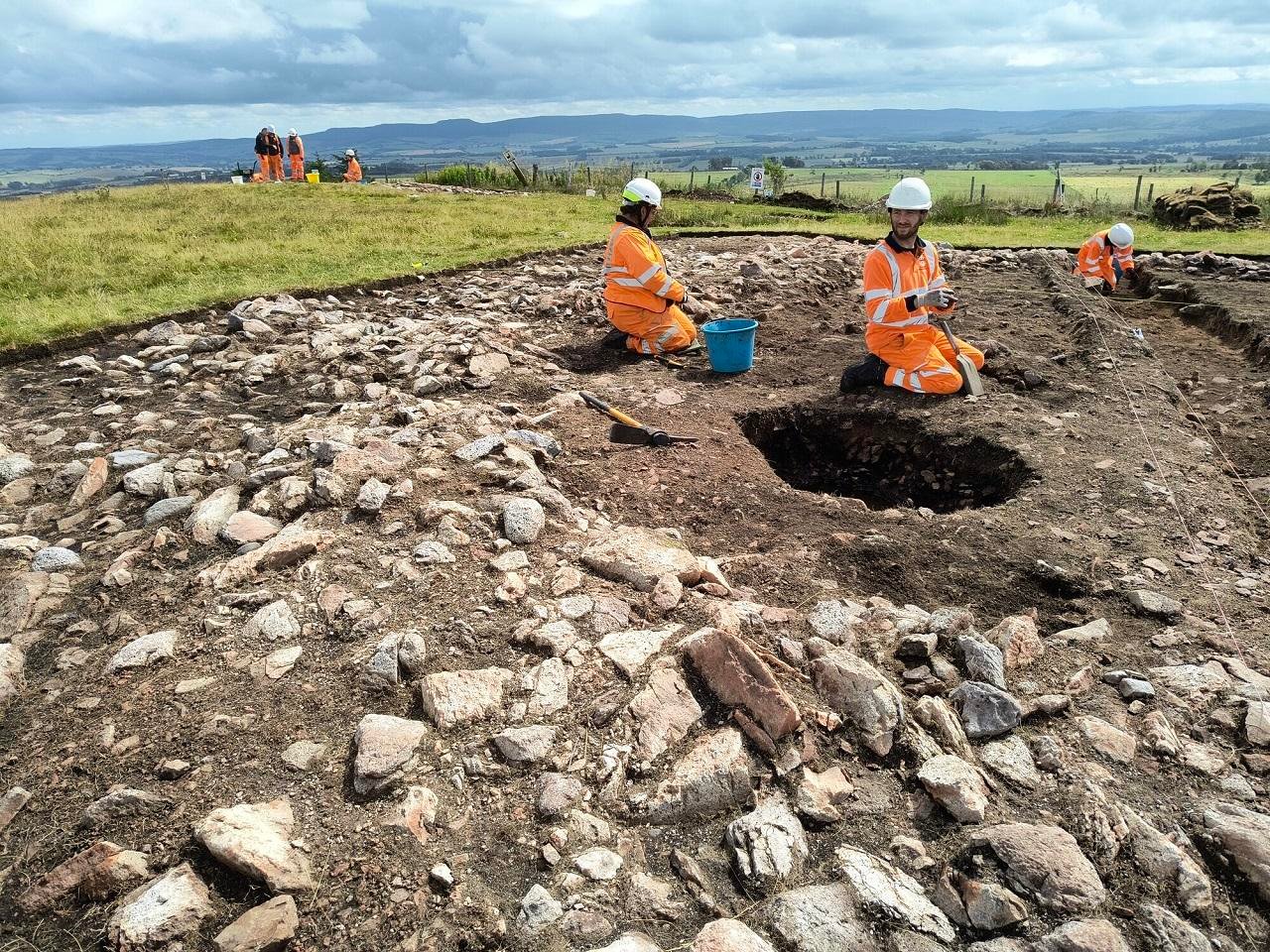
Burial evidence adds another layer of information. Archaeologists recorded three burial cairns on the hilltop. One large cairn covered two smaller, earlier monuments. Inside those earlier cairns, excavators found a stone lined grave known as a cist. Soil acidity destroyed any surviving bone, yet the grave structure confirms formal burial practice. A later phase of burial included cremated human remains. Some cremations rested inside pottery vessels, including one intact urn, while other deposits appeared in small pits close by.
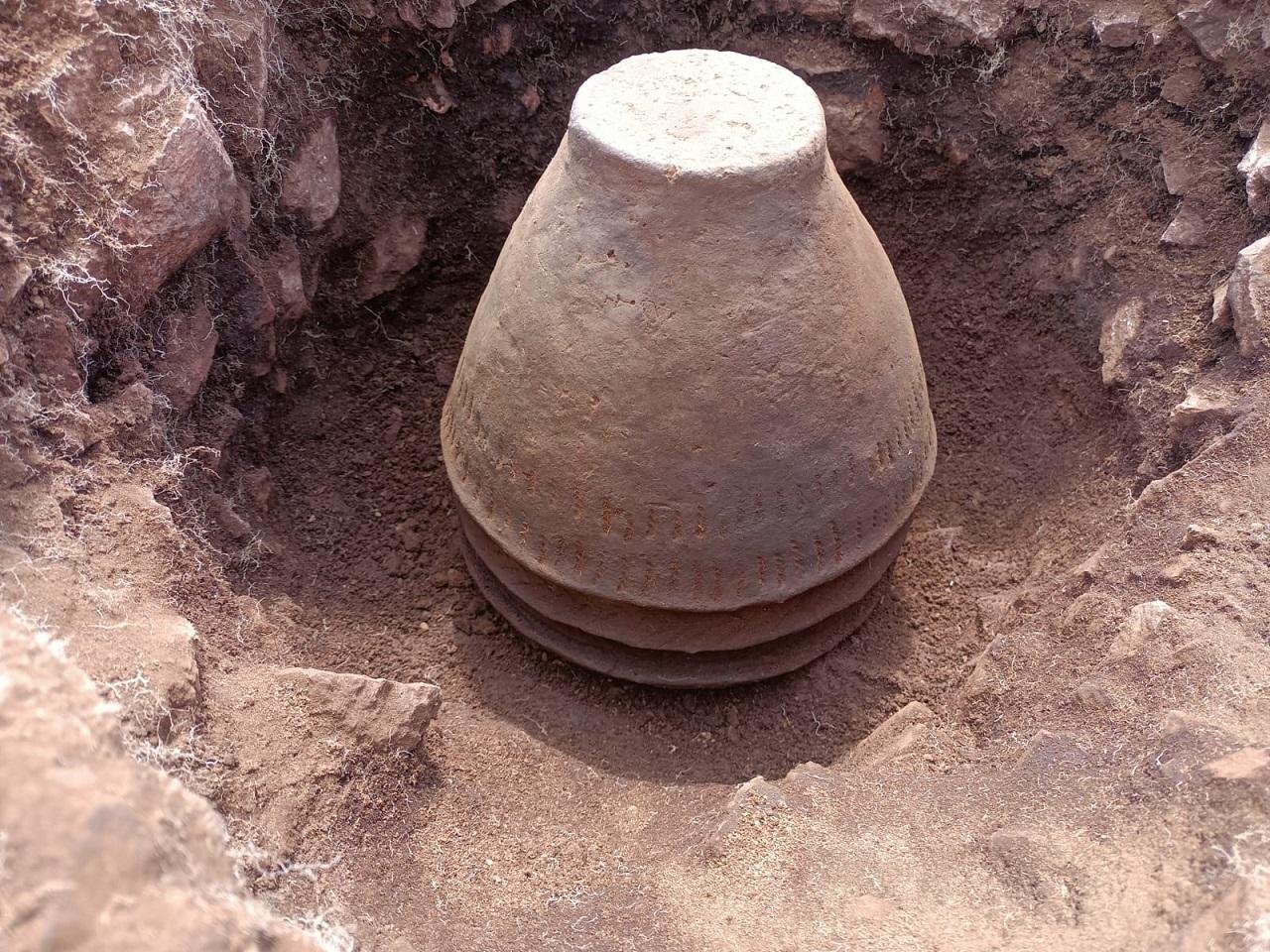
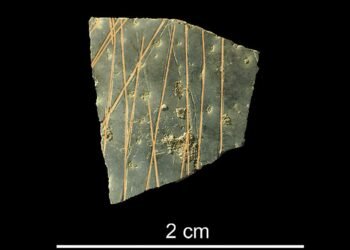
Fragments from a Beaker style pot also came from the site. Beaker pottery links with communities who introduced new burial customs, metal use, and farming practices across Britain during the early Bronze Age. Such finds support the radiocarbon results and show human presence on this hilltop during a key period of social change.

Researchers emphasize how unusual this level of preservation appears in upland settings. Settlement areas, field systems, clearance features, and burial monuments survive within a single landscape. This combination allows specialists to study daily life, land management, and ritual behavior together rather than in isolation. Clive Waddington of Archaeological Research Services Ltd explained that the site offers a near complete picture of where people lived, farmed, and buried their dead within the same terrain.

The excavation formed part of a planning requirement linked with quarry expansion approved in 2022. Archaeological Research Services Ltd carried out fieldwork, while Northumberland National Park Authority (NNPA) monitored the project. Officials from the park authority note that developer funded archaeology continues to add important data about early human activity across the Cheviots.
Harden Quarry, known for a distinctive red felsite stone used in road building, sits within a landscape long valued for natural beauty. The recent work shows similar value for cultural heritage. Specialists will complete further laboratory analysis on soils, charcoal, and artifacts to refine dates and understand crop types and environmental conditions.
These findings reshape views on how early farming communities used upland northern England. Evidence from Harden Quarry shows planned settlement and agriculture in high ground several centuries earlier than many models predicted. Future publication and public outreach will share detailed results, adding a strong dataset for Bronze Age research in Britain.
More information: Archaeological Research Services Ltd














Disclaimer: This website is a science-focused magazine that welcomes both academic and non-academic audiences. Comments are written by users and may include personal opinions or unverified claims. They do not necessarily reflect the views of our editorial team or rely on scientific evidence.
Comment Policy: We kindly ask all commenters to engage respectfully. Comments that contain offensive, insulting, degrading, discriminatory, or racist content will be automatically removed.
Fantastic reading IAM all for reading about our past