
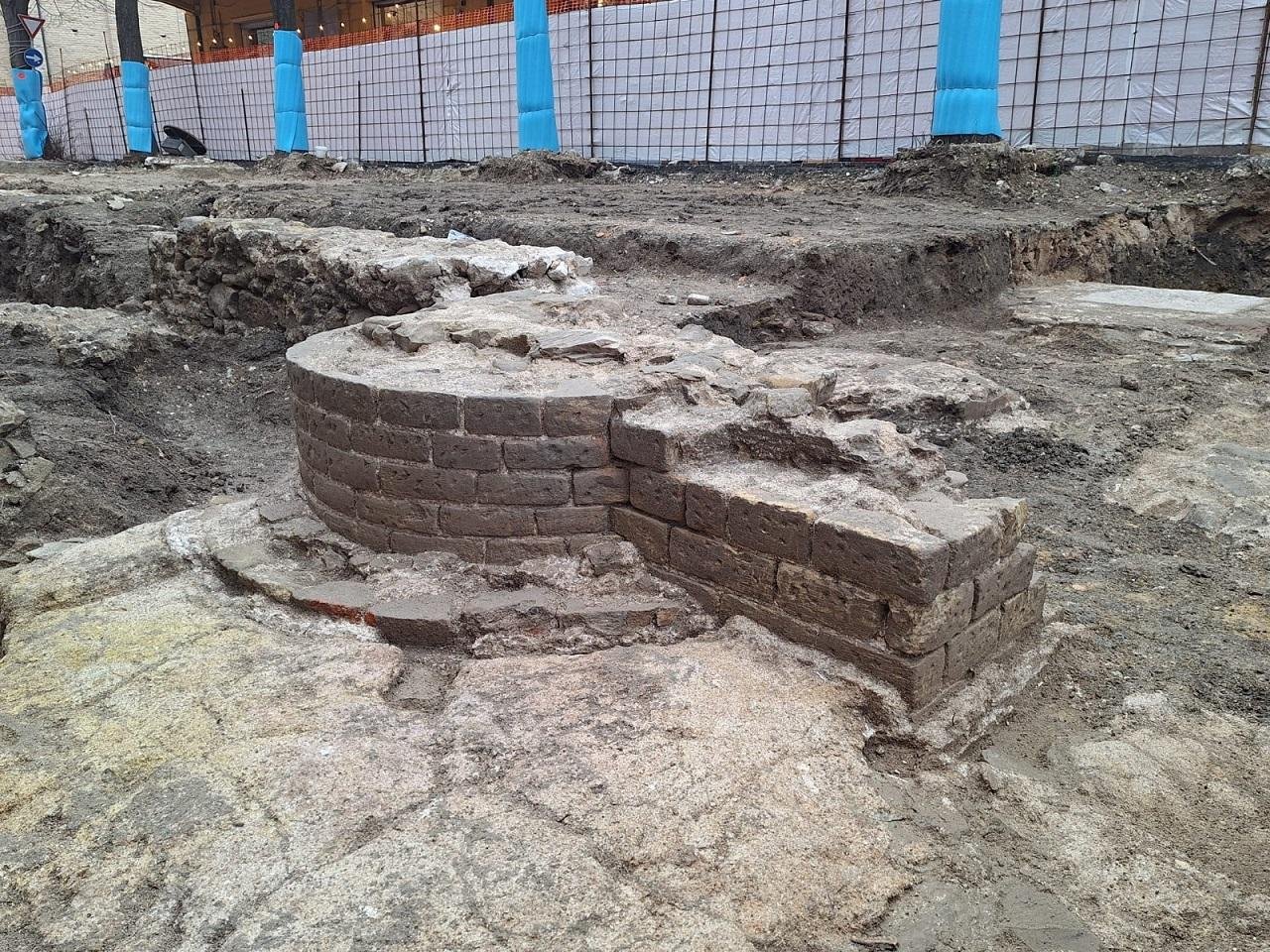
Archaeologists working in central Italy have identified the remains of a Roman basilica designed by Marcus Vitruvius Pollio, the architect and engineer known for De Architectura. The structure surfaced during rescue excavations beneath Piazza Andrea Costa in Fano, carried out before planned urban redevelopment. Dating to the late first century BCE, the basilica represents the only building Vitruvius clearly described as his own work, resolving a debate that lasted for centuries.
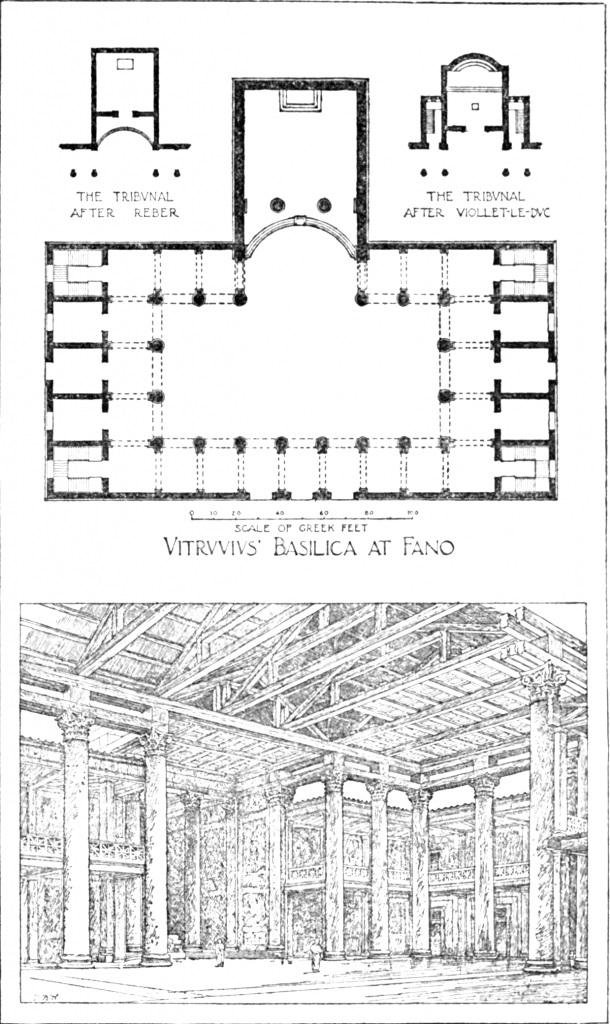
Vitruvius wrote De Architectura during the Augustan period. The ten-book treatise set out rules of proportion, symmetry, and construction that shaped architectural thought across Europe for more than two thousand years. Scholars long relied only on written descriptions, since no physical structure had been securely linked to the architect. The basilica at Fano, described in Book V as a project executed in the Julian colony, stood at the center of this discussion.
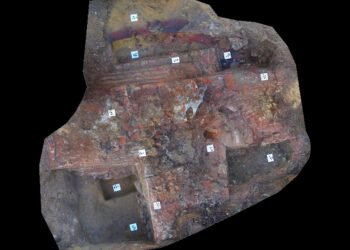
Excavation results match Vitruvius’s account with striking accuracy. The uncovered plan shows a strict rectangle aligned with the ancient forum. Eight columns defined the long side facing the civic center, while four columns marked each short end. Two central columns on one side were intentionally omitted to preserve visual connections with nearby public and religious spaces. Archaeological measurements confirm these choices.
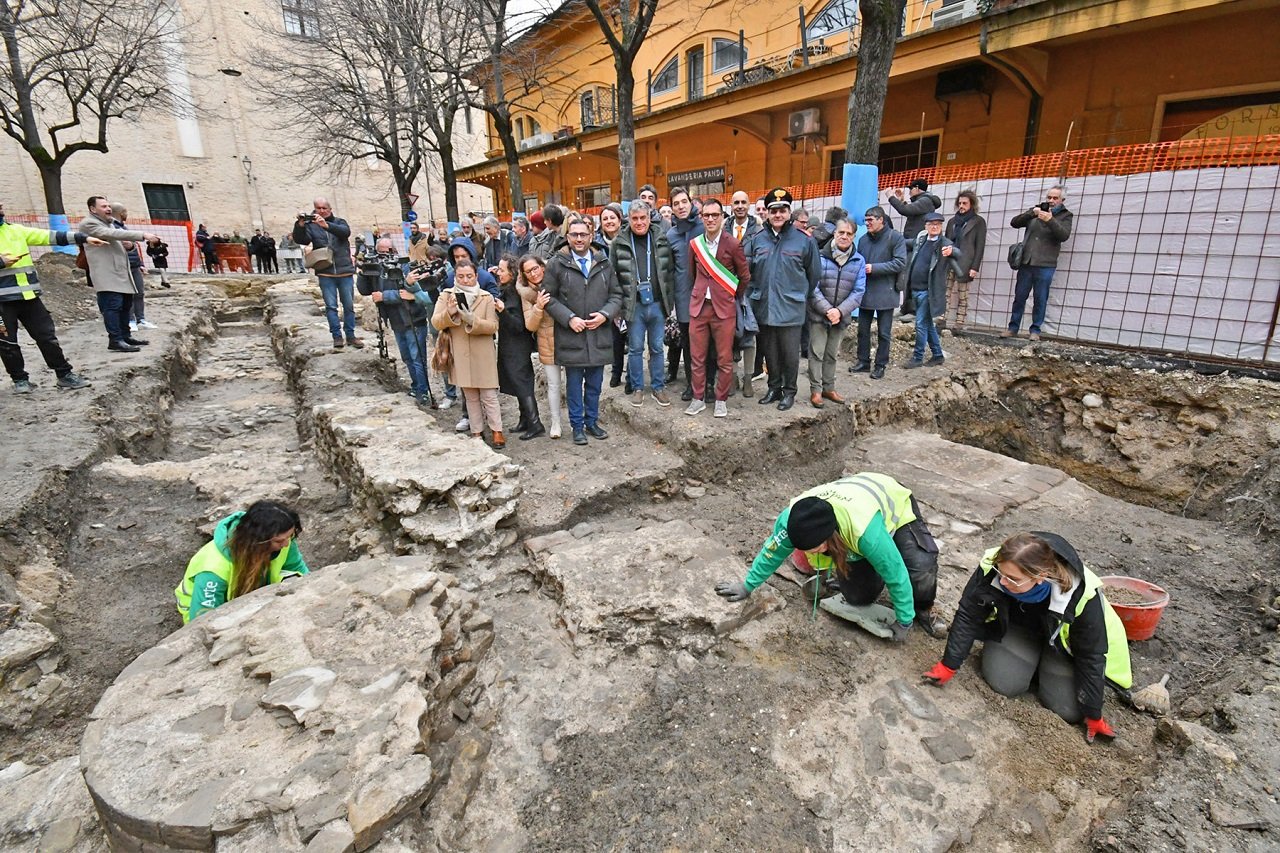
Column bases measure close to five Roman feet, roughly sixty inches, in diameter. Architectural fragments indicate an original column height near forty nine to fifty feet. The arrangement of pilasters and corner supports corresponds with details recorded in De Architectura. Using those descriptions, researchers identified a previously unclear corner point, allowing a precise reconstruction of the building’s orientation and scale.
Earlier investigations in Fano suggested high-status Roman architecture in the area. A 2022 dig along Via Vitruvio revealed marble pavements and wall remains, hinting at a major public structure nearby. The current excavation confirmed those suspicions through stratigraphic analysis and direct correspondence with the ancient text.
The basilica suffered destruction during late antiquity. Later conflicts and urban changes across centuries removed most visible traces of Roman Fano. Despite such losses, the newly exposed foundations survived beneath modern layers, preserving key architectural data.
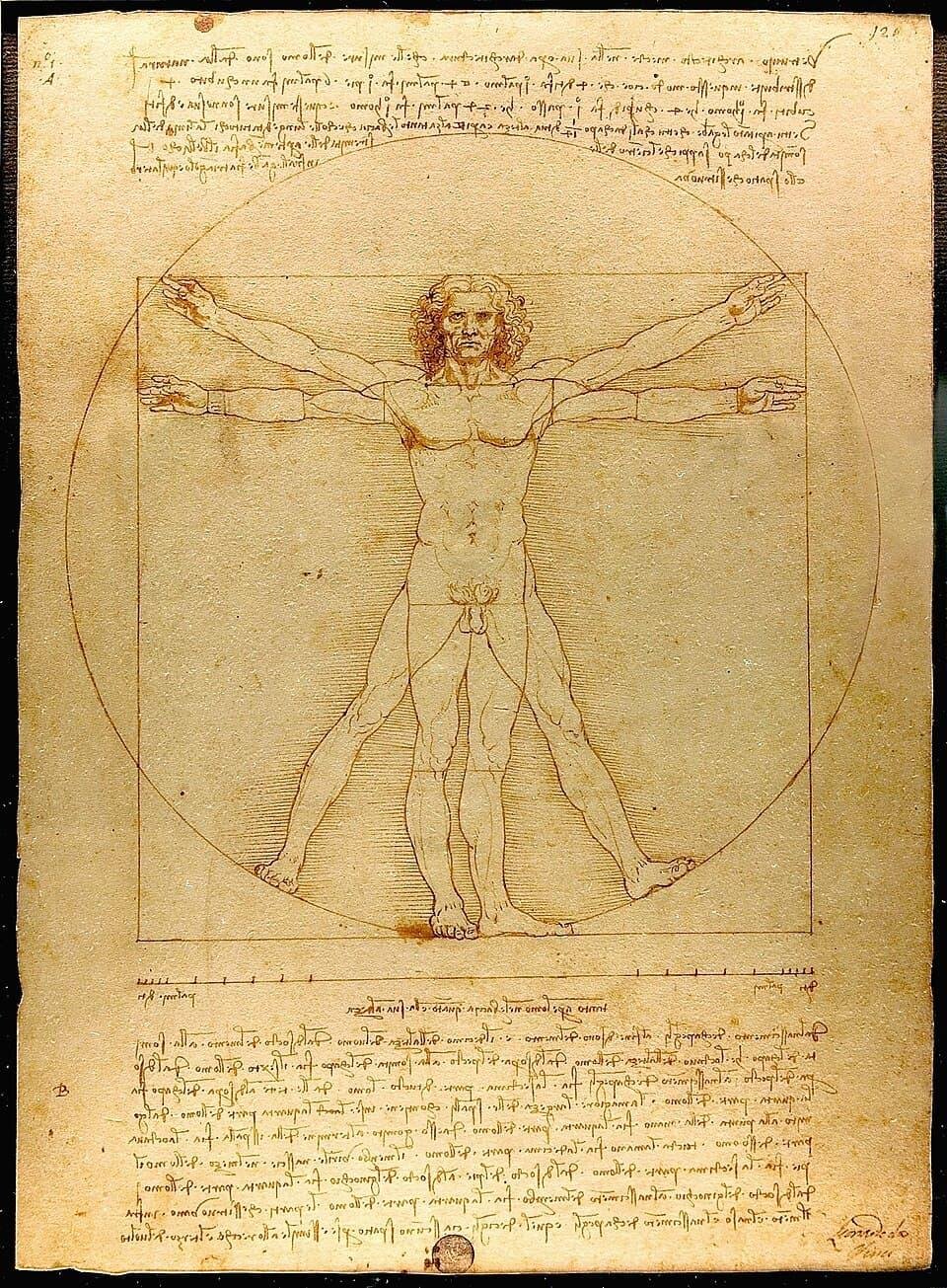
Italian heritage authorities view the find as a milestone for Roman studies. Conservation work has begun to stabilize exposed elements, while planning continues for extended excavation and interdisciplinary research. Discussions also focus on long term protection and potential public access. Cultural officials have opened talks regarding UNESCO recognition for the site.
The identification of a built work described by Vitruvius offers direct insight into Roman architectural practice during the transition from Republic to Empire.
More information: Italian Ministry of Culture












Disclaimer: This website is a science-focused magazine that welcomes both academic and non-academic audiences. Comments are written by users and may include personal opinions or unverified claims. They do not necessarily reflect the views of our editorial team or rely on scientific evidence.
Comment Policy: We kindly ask all commenters to engage respectfully. Comments that contain offensive, insulting, degrading, discriminatory, or racist content will be automatically removed.