
In a recent study, Niklas Jungmann from the Humboldt-Universität zu Berlin conducted a survey and investigation of the ‘Ain Braq aqueduct in the ancient city of Petra, a major water supply system near the Nabataean capital in southern Jordan. The research focused on a 2,500-square-meter sector of the Jabal al-Madhbah massif, where several parts of the aqueduct survive. The results show a more complex design than earlier studies suggested.
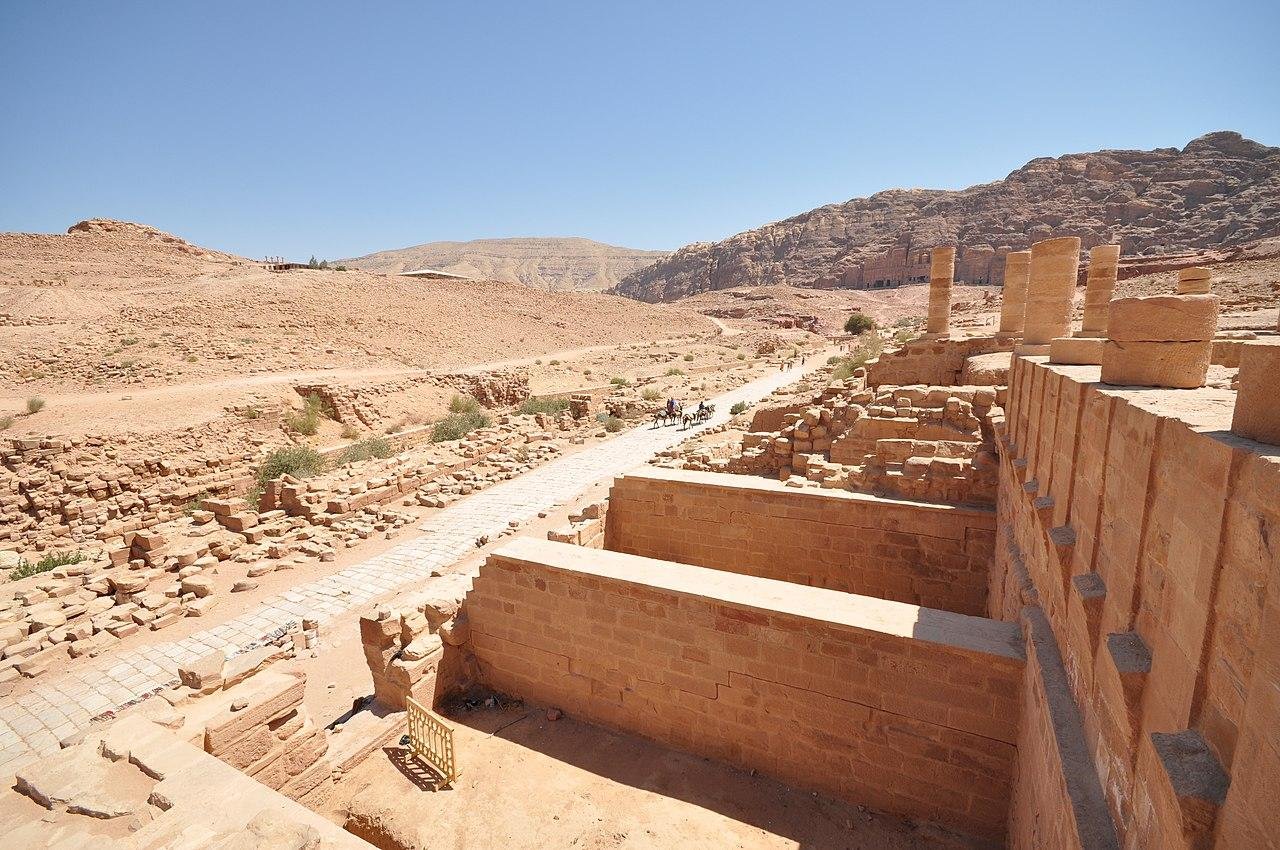
Petra reached its height during the first century BCE and the early centuries CE. The city supported baths, garden complexes, pools, and water features in temples. Such facilities required steady and controlled water flow in a semi-arid environment. Earlier studies described Petra’s hydraulic network on a large scale, often relying on surface traces. Detailed fieldwork in smaller areas remained limited.
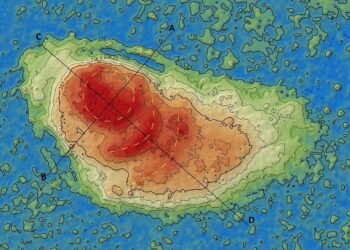
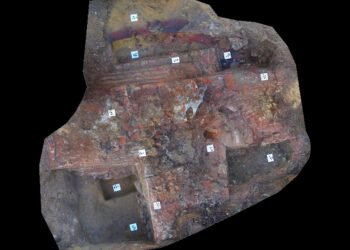
During survey work in September 2023 as part of the Urban Development of Ancient Petra Project, researchers mapped nine separate conduits in the study area. These included a previously unknown lead pipeline about 116 meters long. The team also recorded one large reservoir sealed on the city side by a high dam, two cisterns, and seven basins of different sizes. Many of these installations connect to runoff channels cut into the rock.
The lead conduit formed one phase of the system. Engineers built the pipe from welded lead sections designed to carry pressurized water. Such pipes are well suited to steep terrain where water must rise before descending again. In contrast, the second phase relied on terracotta pipes and open channels laid on a stone substructure. These channels led toward a small distribution box with two outlets, which directed water to different parts of the urban area.
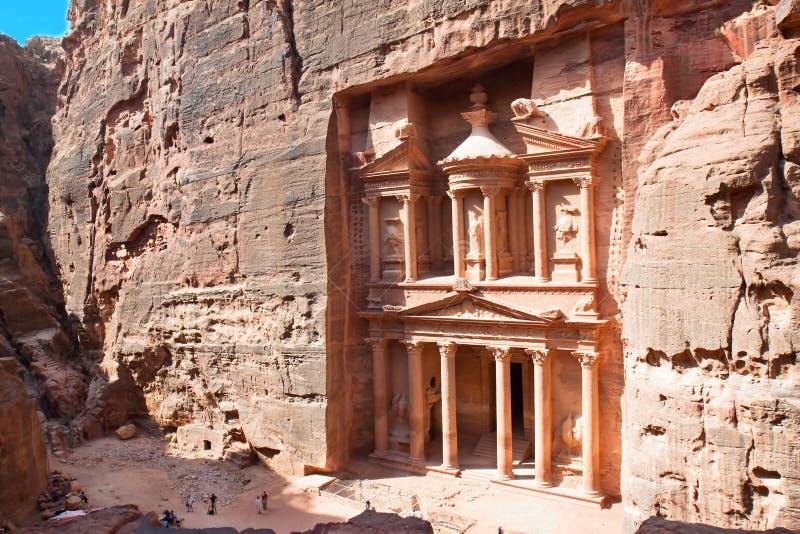
Lead pipelines rarely appear outside building interiors in the eastern Mediterranean. Their presence here points to high investment and skilled labor. The pipeline likely carried water uphill to the Az Zantur ridge. From there, gravity fed water toward central districts that housed major public buildings.
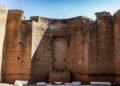

One structure in the area stands out. A large retention dam blocks a natural gap in the sandstone. Unlike other dams around Petra, this one has an uneven outline and a stepped face. No clear pressure outlet appears on the preserved surface. Builders often coated dams with colored plaster to blend them with the rock, and long exposure to weather has removed most surface layers. The stepped design would have widened the base and reduced stress from stored water. The reservoir behind the dam fed nearby basins during seasonal rains.
The study links the early phase of the aqueduct with major construction under King Aretas IV in the late first century BCE and the early first century CE. Large complexes such as the Great Temple and the Garden and Pool Complex required reliable water. The pressurized lead system met this demand during an initial stage of urban growth.
At a later point, workers sealed the lead pipeline and shifted to terracotta conduits. Clay pipes cost less to produce and repair, and local craftsmen had long experience with them. This change shows how Petra’s water managers adjusted technology to balance performance and resources.
Ongoing work aims to map the full course of the ‘Ain Braq aqueduct and related systems in southern Petra. By combining architectural survey with topographic mapping, the project builds a clearer picture of how engineers captured runoff, stored water, and guided flow across difficult terrain. The results add firm data to discussions of Nabataean hydraulic planning and urban infrastructure.














Disclaimer: This website is a science-focused magazine that welcomes both academic and non-academic audiences. Comments are written by users and may include personal opinions or unverified claims. They do not necessarily reflect the views of our editorial team or rely on scientific evidence.
Comment Policy: We kindly ask all commenters to engage respectfully. Comments that contain offensive, insulting, degrading, discriminatory, or racist content will be automatically removed.
The Ancient City of Petra is awe-inspiring, with its rock-carved architecture and timeless beauty.