
Archaeologists in southern Spain have reported rare physical evidence linked with elephants used during the Punic Wars. A single elephant bone recovered at the Colina de los Quemados site in Córdoba offers direct archaeological support for ancient written accounts describing elephants within Carthaginian armies.
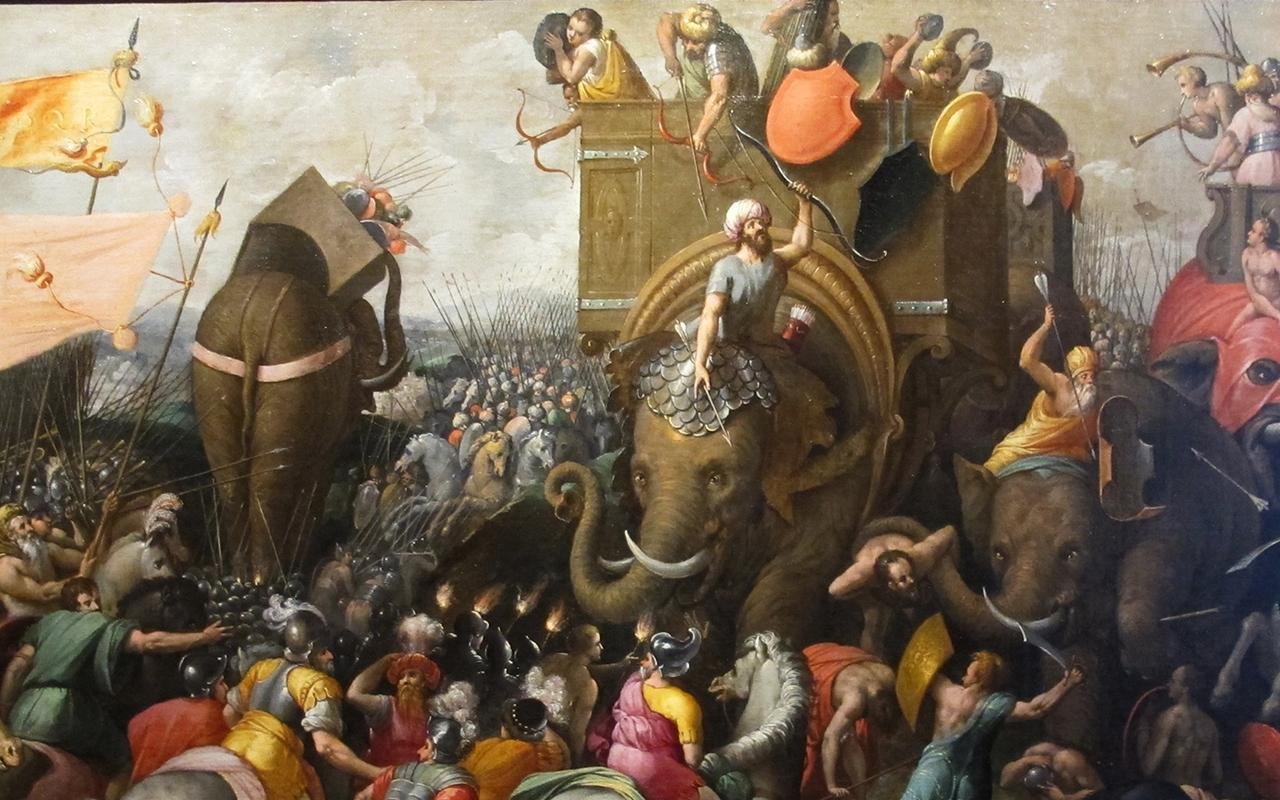
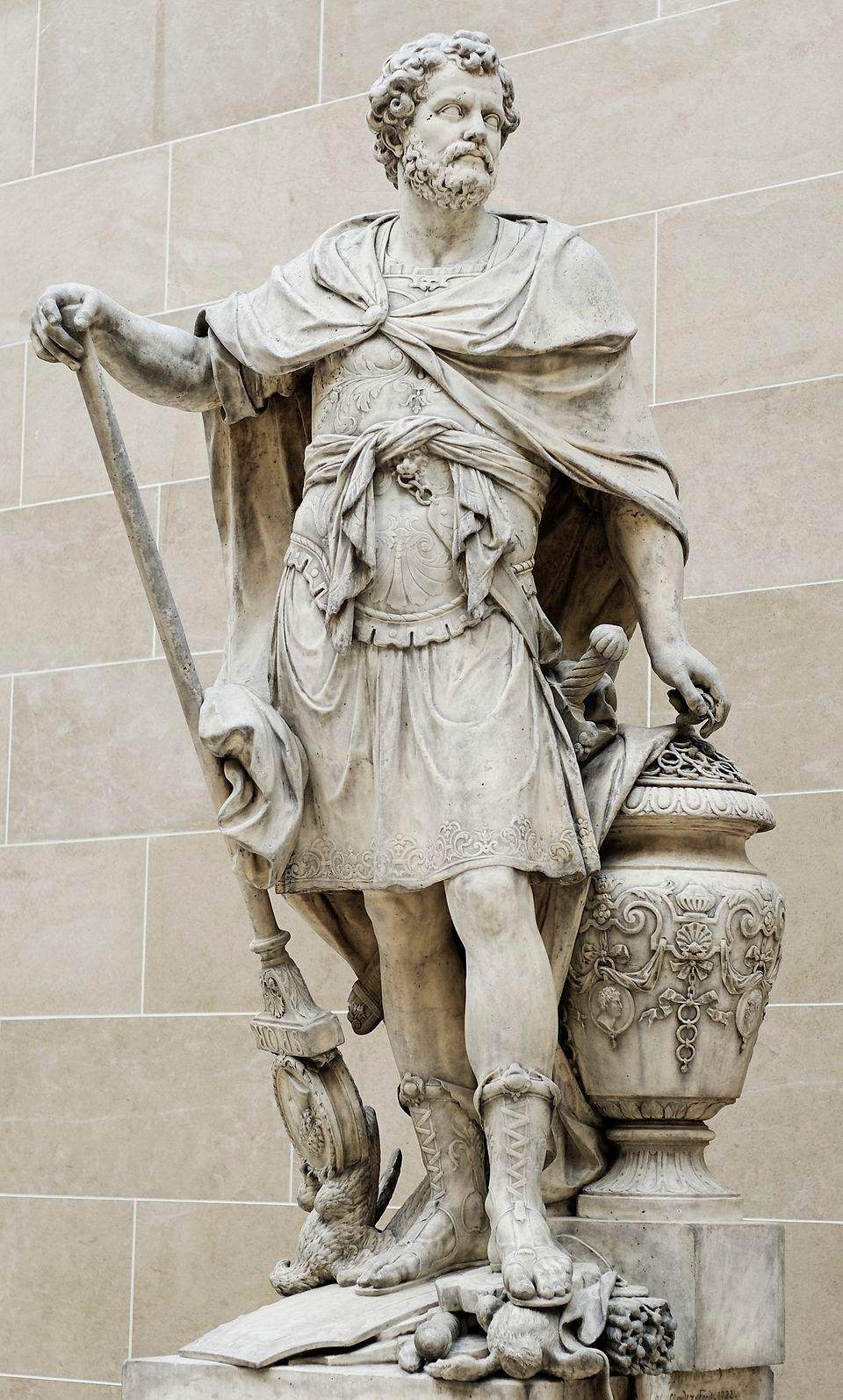
The Punic Wars took place between 264 and 146 BCE and involved repeated conflicts between the Roman Republic and the Carthaginian Empire. Ancient texts, coins, and sculptures frequently portrayed elephants as part of Carthaginian military strategy, especially during campaigns led by the general Hannibal in the Second Punic War. Research across Iberia and western Europe lacked confirmed skeletal remains from this period until the Córdoba find.
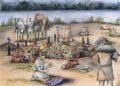
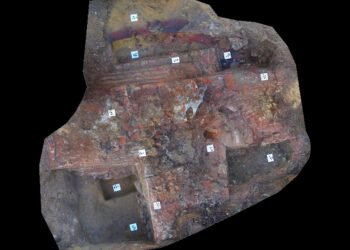
The bone emerged during a 2020 preventive excavation carried out before expansion work at the Córdoba Provincial Hospital. Colina de los Quemados stands on the northern bank of the Guadalquivir River and ranks among the largest protohistoric settlements in southern Iberia. The site extends across about 50 hectares and shows continuous occupation from the Late Bronze Age through medieval times. One destruction layer from the Late Iron Age drew attention due to strong signs of armed conflict.
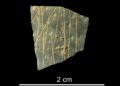
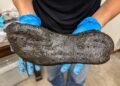
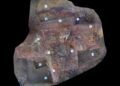
Within this layer, researchers identified a cube-shaped carpal bone from the right forefoot of an elephant. The bone measured close to 10 centimeters and lay beneath a collapsed adobe wall linked with a single occupation phase. Anatomical comparison with modern elephant and mammoth specimens confirmed the identification. Poor preservation prevented DNA or protein study. Radiocarbon dating of the mineral fraction placed the bone between the late fourth and early third centuries BCE. This date range matches the period of the Second Punic War.
Other material from the same context supports a military interpretation. Archaeologists recorded up to twelve spherical stone projectiles used in ancient artillery, along with coins and ceramics tied to armed activity. Stone shot of this type came from torsion-powered engines used during sieges and open battles. Destruction patterns across the settlement align with known Second Punic War activity in Iberia, including events described in historical sources and others preserved only through archaeology.
Elephants did not live in Europe during antiquity. Transport of living animals required ships and organized supply systems. Short carpal bones lack decorative appeal and offer little practical value. Trade or collection therefore appears unlikely. Researchers interpret the Córdoba bone as a trace of military action involving elephants.
Carthaginian forces adopted war elephants during the third century BCE, drawing on practices developed earlier in South Asia and spread through Hellenistic contacts. African elephants entered warfare during the First Punic War and later appeared often in Iberian campaigns. The Córdoba find ranks among the few osteological examples supporting historical descriptions of elephants on western Mediterranean battlefields.
This evidence strengthens archaeological understanding of ancient warfare in Iberia and links local conflict with wider Mediterranean military traditions during the Classical period.












Disclaimer: This website is a science-focused magazine that welcomes both academic and non-academic audiences. Comments are written by users and may include personal opinions or unverified claims. They do not necessarily reflect the views of our editorial team or rely on scientific evidence.
Comment Policy: We kindly ask all commenters to engage respectfully. Comments that contain offensive, insulting, degrading, discriminatory, or racist content will be automatically removed.
If a carpal bone is the size of a baseball then could it have been used as a projectile? As it was found in a military context along with 12 spherical projectiles., maybe it could have been. Also, possibly in good supply given there was trade in ivory. Do they splinter on impact?