
Archaeologists and bioarchaeologists have reconstructed three thousand years of diet and economy in Kuyavia, north-central Poland, tracing how communities adapted between about 4100 and 1230 BCE. The project examined 84 individuals from the Middle Neolithic to the Middle Bronze Age. Researchers directly radiocarbon-dated each person and measured stable carbon and nitrogen isotopes in human bone collagen. They also analyzed animal bones and charred cereals to place human diets within local farming and herding systems.
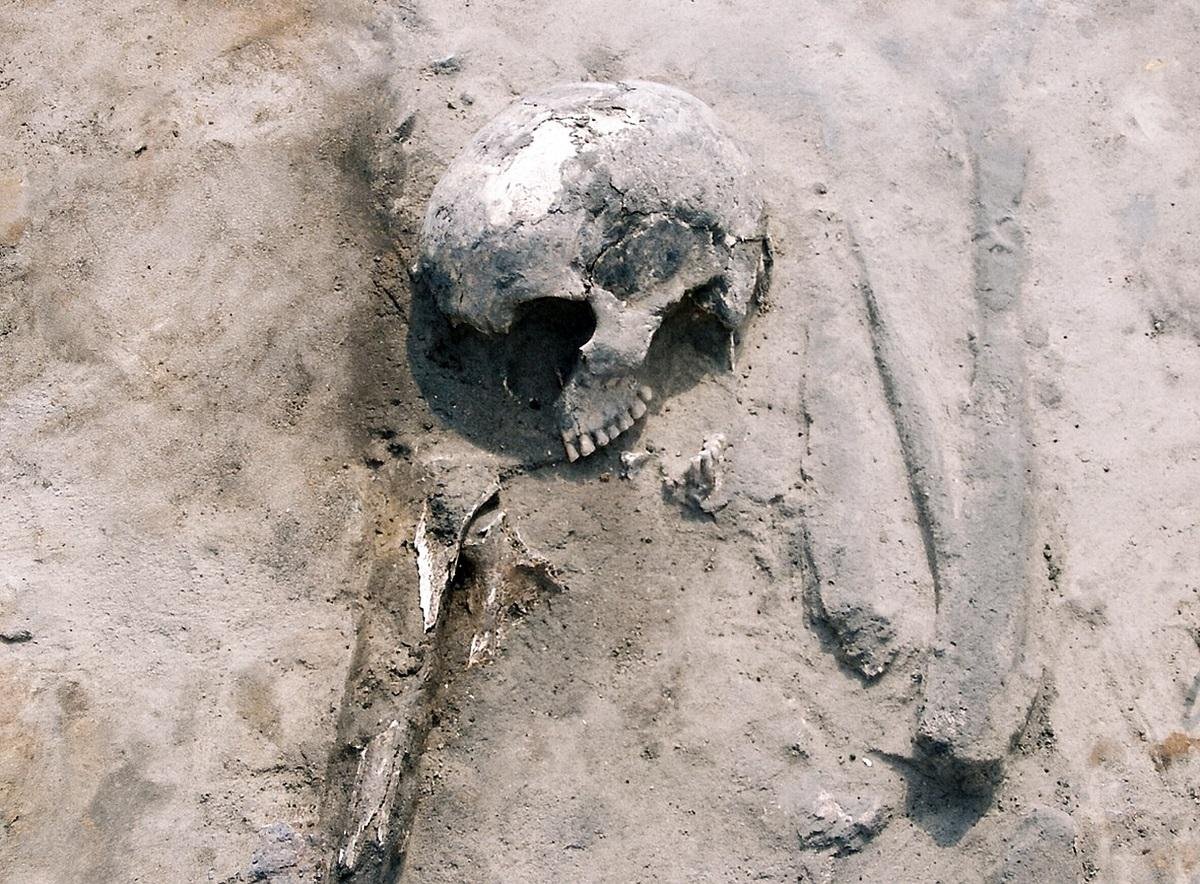
The region offers few rich graves or well-preserved settlements. Light wooden houses decayed, and soils damaged organic remains. Scientific analysis of bones and plant remains filled these gaps and provided a detailed picture of daily subsistence across major cultural shifts, including the arrival of Corded Ware groups around 2800 BCE and the later spread of millet.
Middle and Late Neolithic farmers relied on cereals and cattle. Isotope values from charred grains show high nitrogen levels, a sign of intensive manuring. This practice raises the nitrogen signature of crops and, in turn, of the people who ate them. Earlier estimates likely overstated the role of animal protein because they did not account for manured fields. Cattle isotopes point to grazing in woodland and wet valley settings rather than open grasslands. Herding took place across varied ecological zones.
The earliest Corded Ware communities followed a different pattern. Isotopes from their livestock indicate the use of forest edges and river valleys, areas outside the most fertile soils long cultivated by earlier farmers. Over time, their diets shifted. Later generations show values closer to neighboring agricultural groups, which suggests closer interaction and shared herding practices after several centuries.
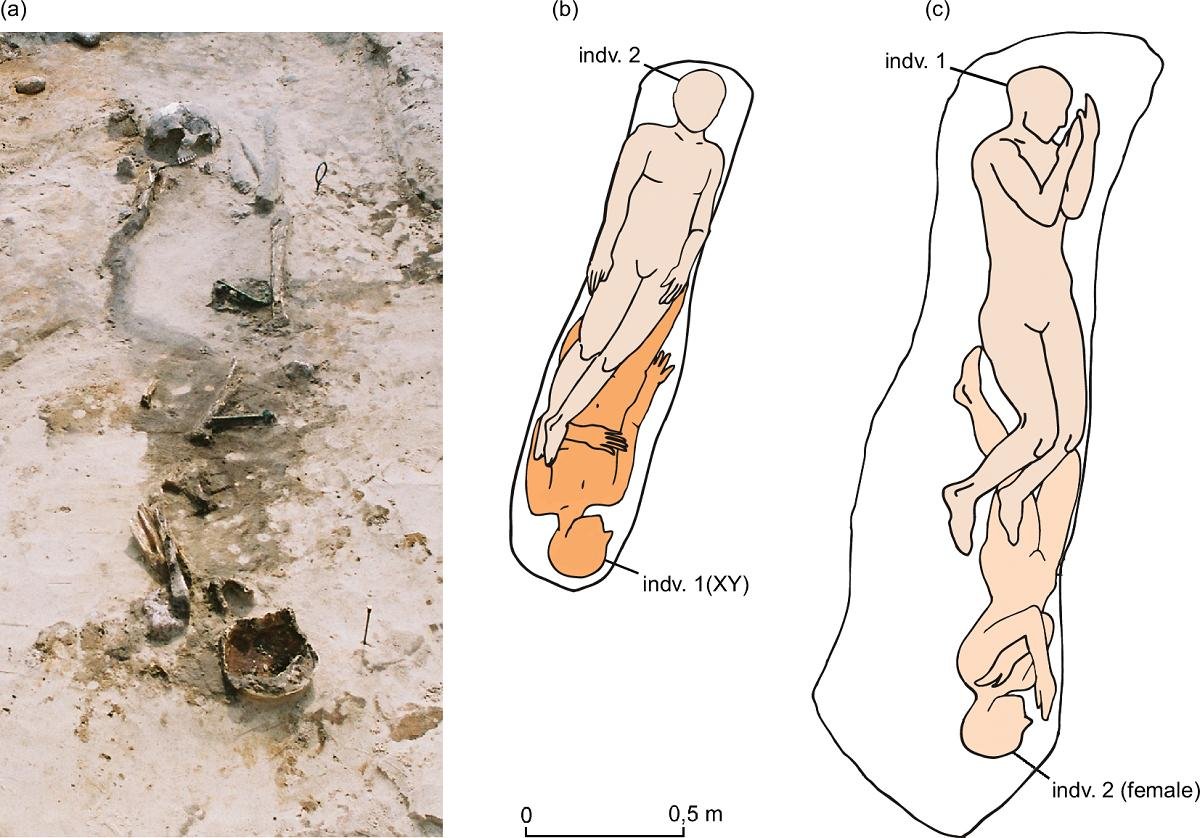
Around 1200 BCE, a new crop entered the picture. Broomcorn millet, a C4 plant with a distinct carbon signal, appears clearly in human bone chemistry. The data show uneven uptake. Some Middle Bronze Age communities relied heavily on millet, while others consumed little. Burial customs diverged as well. Certain groups returned to communal tombs used over generations. Others buried pairs of individuals in elongated pits, placed foot to foot. Food choice and funerary ritual moved together, marking social boundaries within the same region.
RelatedStories
Iron Age mass killing in Serbia: 77 women and children found in 2,800-year-old grave at Gomolava
Nitrogen variation among individuals points to unequal access to animal protein, especially during the Early Bronze Age. A wider spread of values suggests differences in diet between people, even though graves contain few objects that signal rank. Social distinctions existed but left subtle traces in material culture.
Across three millennia, mixed farming persisted, based on cereals and cattle. Within this continuity, herding zones shifted, new crops appeared, and food access varied among households. Peripheral Kuyavia did not simply mirror trends from central Europe. Local communities adjusted to forests, river valleys, and changing social ties in their own ways. Stable isotope analysis, combined with precise dating, provides a level of detail that artifacts alone rarely offer in regions with poor preservation.












Disclaimer: This website is a science-focused magazine that welcomes both academic and non-academic audiences. Comments are written by users and may include personal opinions or unverified claims. They do not necessarily reflect the views of our editorial team or rely on scientific evidence.
Comment Policy: We kindly ask all commenters to engage respectfully. Comments that contain offensive, insulting, degrading, discriminatory, or racist content will be automatically removed.