
Excavations at Beycesultan Höyük in western Turkey have produced two small pieces of fabric from the Bronze Age. They were found between 2016 and 2018 in layers damaged by fire. The settlement lies near modern Çivril in Denizli Province and dates to the Middle and Late Bronze Age. The study, led by Assoc. Prof. Dr. Çiğdem Maner of Koç University, appeared in the journal Antiquity.
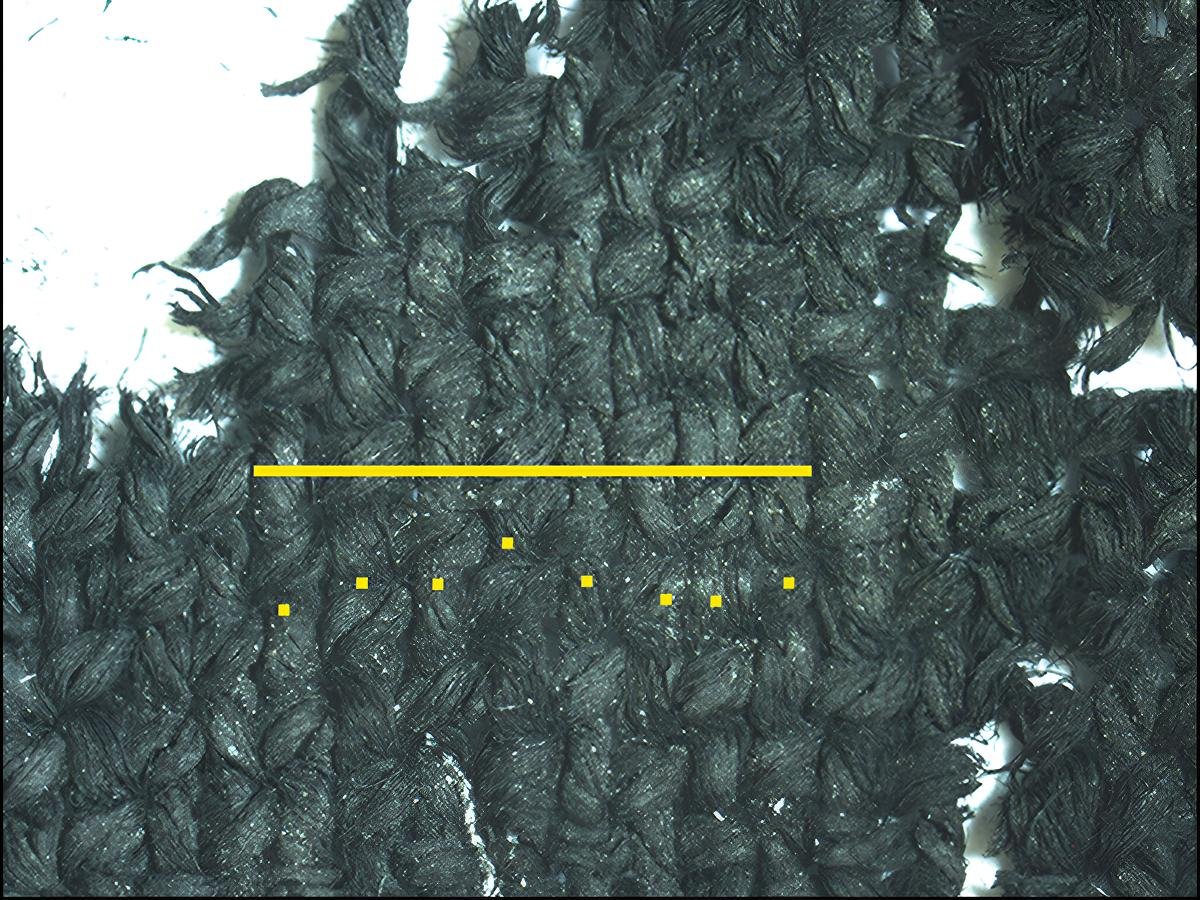
Textiles rarely survive in Anatolia. Humid soil destroys organic material over time. Earlier excavations at Beycesultan uncovered large buildings burned in antiquity, yet almost no fabric remained. Fire carbonized these two fragments and helped preserve them for nearly four thousand years.
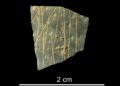
The earlier fragment, known as Tx1, dates to about 1915 to 1745 BCE. Radiocarbon samples place the cloth in the period of the Old Assyrian trading colonies. Under the microscope, researchers saw loops formed with a single needle. This method, called nålbinding, differs from loom weaving. Instead of interlacing warp and weft threads, the maker formed loops by hand with one needle and a length of yarn. No previous example of this technique has been identified in Anatolia or the wider Near East.
Laboratory tests showed the fiber came from hemp. Chemical analysis detected indigotin, the compound responsible for blue dye. The source was likely woad, a plant native to Anatolia. This fragment now stands as the earliest known blue-dyed textile from Bronze Age Anatolia.
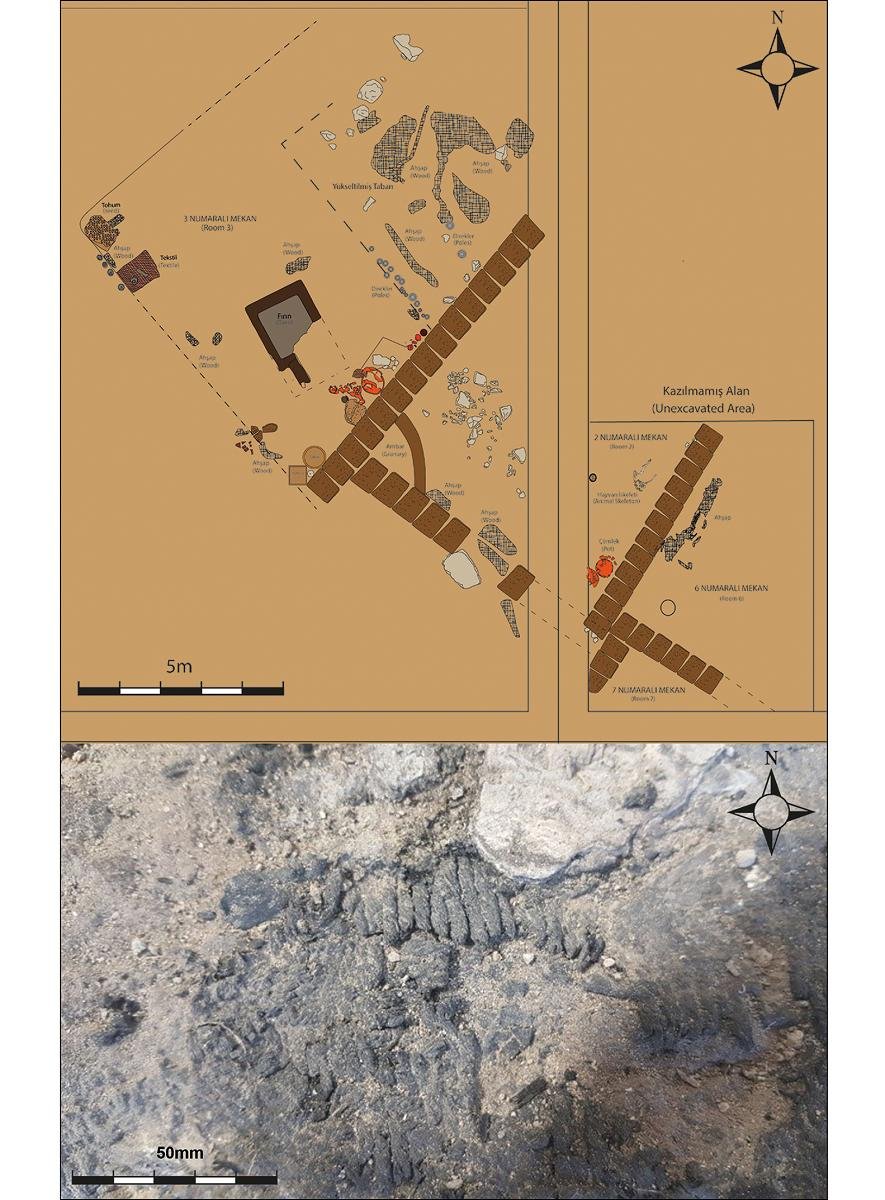
The second piece, Tx2, dates to around 1700 to 1595 BCE, during the Old Hittite period. This cloth has a plain tabby weave, produced on a loom. The fiber again proved to be hemp. Plain tabby textiles appear rarely in Bronze Age contexts across Anatolia, Mesopotamia, and the Caucasus. The find supports the use of a warp-weighted loom at Beycesultan.


Both fragments came from rooms filled with textile tools. Excavators recovered spindle whorls in different sizes, loom weights, and needles. A disk-shaped stone weight lay directly on top of the indigo-dyed cloth. Postholes in the same space mark where a loom once stood. These finds point to organized production rather than casual repair work.
Written records from the Old Assyrian and Hittite periods describe large-scale textile manufacture and trade. Tablets list wool, dyed garments, and taxes paid in cloth. Blue fabrics appear among goods associated with elite households and royal exchange. Similar blue textiles have been recovered from high-status burials in Egypt and appear in Aegean wall paintings.
No cuneiform tablets have been found at Beycesultan, and the ancient name of the settlement remains unknown. The scale of its buildings and the concentration of tools suggest a center with regional influence. The two fragments show that local producers worked with hemp, applied complex techniques such as nålbinding, and used plant-based dyes to create high-value textiles alongside everyday cloth.

















Disclaimer: This website is a science-focused magazine that welcomes both academic and non-academic audiences. Comments are written by users and may include personal opinions or unverified claims. They do not necessarily reflect the views of our editorial team or rely on scientific evidence.
Comment Policy: We kindly ask all commenters to engage respectfully. Comments that contain offensive, insulting, degrading, discriminatory, or racist content will be automatically removed.
Nice work! Hope the weaver survived to weave another day..