
A large water system in the City of David has been precisely dated to nearly 2,800 years ago, a discovery that sheds new light on the engineering prowess of Iron Age Jerusalem. The discovery, published in the Proceedings of the National Academy of Sciences (PNAS), shows that the extensive Siloam Dam was built between 805 and 795 BCE, during the reign of either the biblical king Joash or Amaziah of Judah.
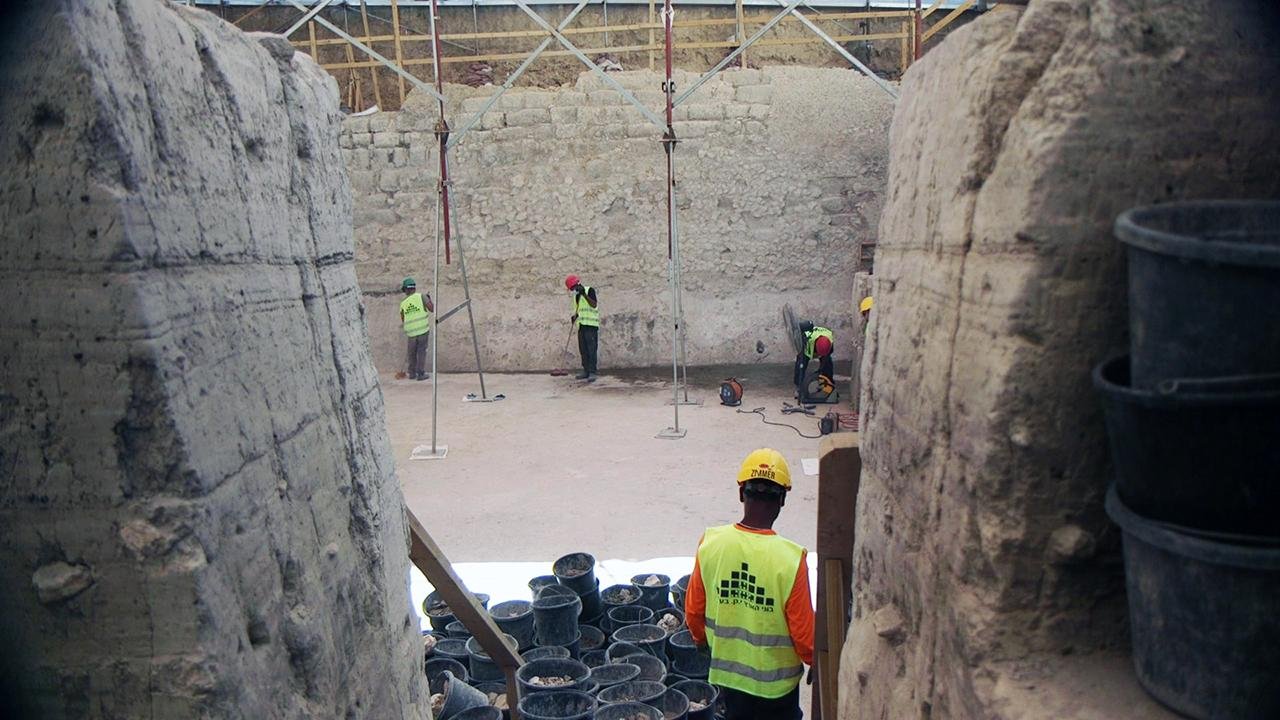
Archaeologists from the Israel Antiquities Authority, working with scientists at the Weizmann Institute of Science, found that the dam was constructed in direct response to changing climate conditions that were marked by harsh droughts punctuated by violent flash floods. By using advanced radiocarbon dating techniques on fragile organic material such as straw and twigs that had been embedded in the mortar of the dam, researchers were able to pinpoint its construction within an unusually specific 10-year time frame.
“This is the largest dam discovered in Israel so far and the earliest one discovered in Jerusalem,” said the excavation directors Dr. Nahshon Szanton, Dr. Filip Vukosavović, and Itamar Berko. “Its dimensions are remarkable: about 12 meters high, over 8 meters wide, and the uncovered length reaches 21 meters, continuing beyond the limits of the current excavation.”
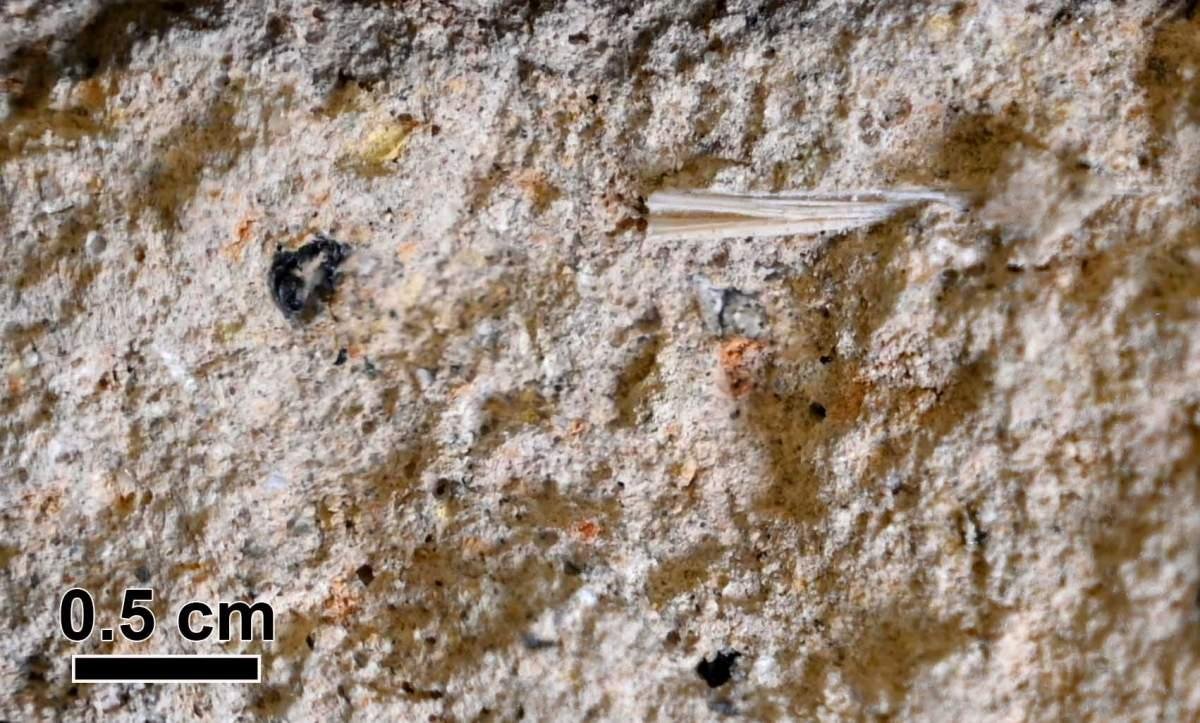
The dam, which deflected waters from the Gihon Spring to the Siloam Pool and simultaneously captured seasonal floodwaters from the Tyropoeon Valley and Kidron Stream, was a double solution to both scarcity and flood. The project formed part of a comprehensive urban water system, also including a fortified tower at the spring and channels leading into the pool.
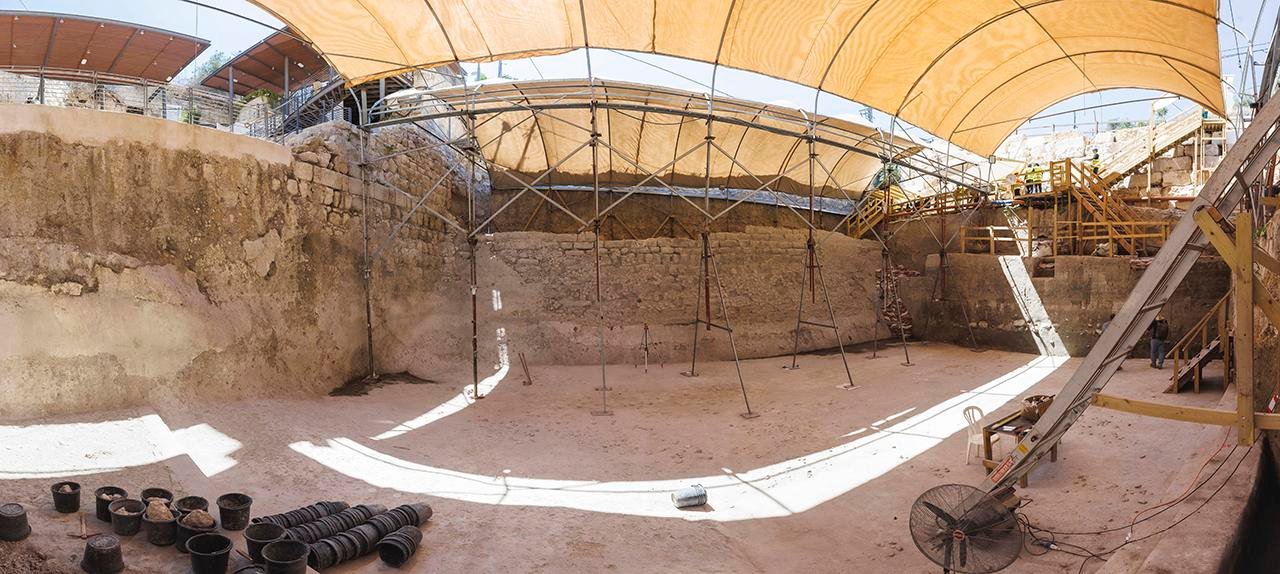
Dr. Johanna Regev and Prof. Elisabetta Boaretto from the Weizmann Institute of Science, who directed the scientific dating, explained: “Short-lived twigs and branches embedded in the construction mortar of the dam provided a clear date at the end of the 9th century BCE, with exceptional resolution of only about 10 years – a rare achievement when dating ancient finds.”

To put the discovery into perspective, the scientists compared their results with Dead Sea drill core climate records, Soreq Cave stalagmite records, and records of solar activity. Combined, the evidence suggests that Jerusalem’s rulers deemed it necessary to enact a vigorous response to unpredictable rainfall patterns. “Our research points to sweeping urban planning for managing Jerusalem’s water system as early as the 9th century BCE – evidence of the city’s power and strength,” the researchers concluded.
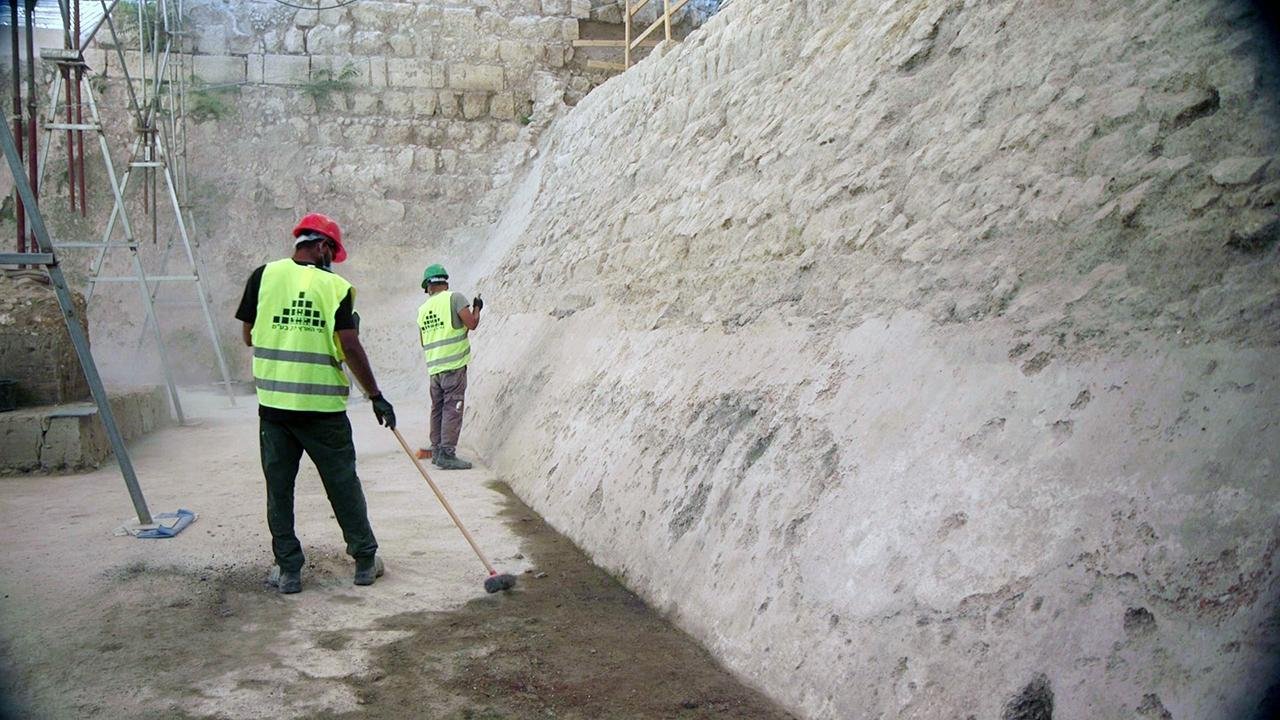
The dam’s scale shows that the kings of Judah had vast resources and organizational ability many years earlier than the reign of King Hezekiah, who is better known for later waterworks, including the famous tunnel built around 700 BCE.
Dr. Szanton noted that this royal construction project had lasting consequences for Jerusalem’s development. “This massive project influenced the southern and western parts of the city – including Mount Zion – which relied on the waters of the Siloam Pool.”
The study not only sheds light on Jerusalem’s engineering expertise in ancient times but also provides an ancient example of how societies responded to environmental challenges.

















Disclaimer: This website is a science-focused magazine that welcomes both academic and non-academic audiences. Comments are written by users and may include personal opinions or unverified claims. They do not necessarily reflect the views of our editorial team or rely on scientific evidence.
Comment Policy: We kindly ask all commenters to engage respectfully. Comments that contain offensive, insulting, degrading, discriminatory, or racist content will be automatically removed.