
A monumental structure has been discovered in northern Iraq by archaeologists, dating back 5,000 years and potentially rewriting how the world’s first cities interacted with surrounding regions. The findings were made at the Kani Shaie site in the Sulaymaniyah Governorate and date to the Uruk period, roughly 3300–3100 BCE, when early urban civilization was forming in southern Mesopotamia.
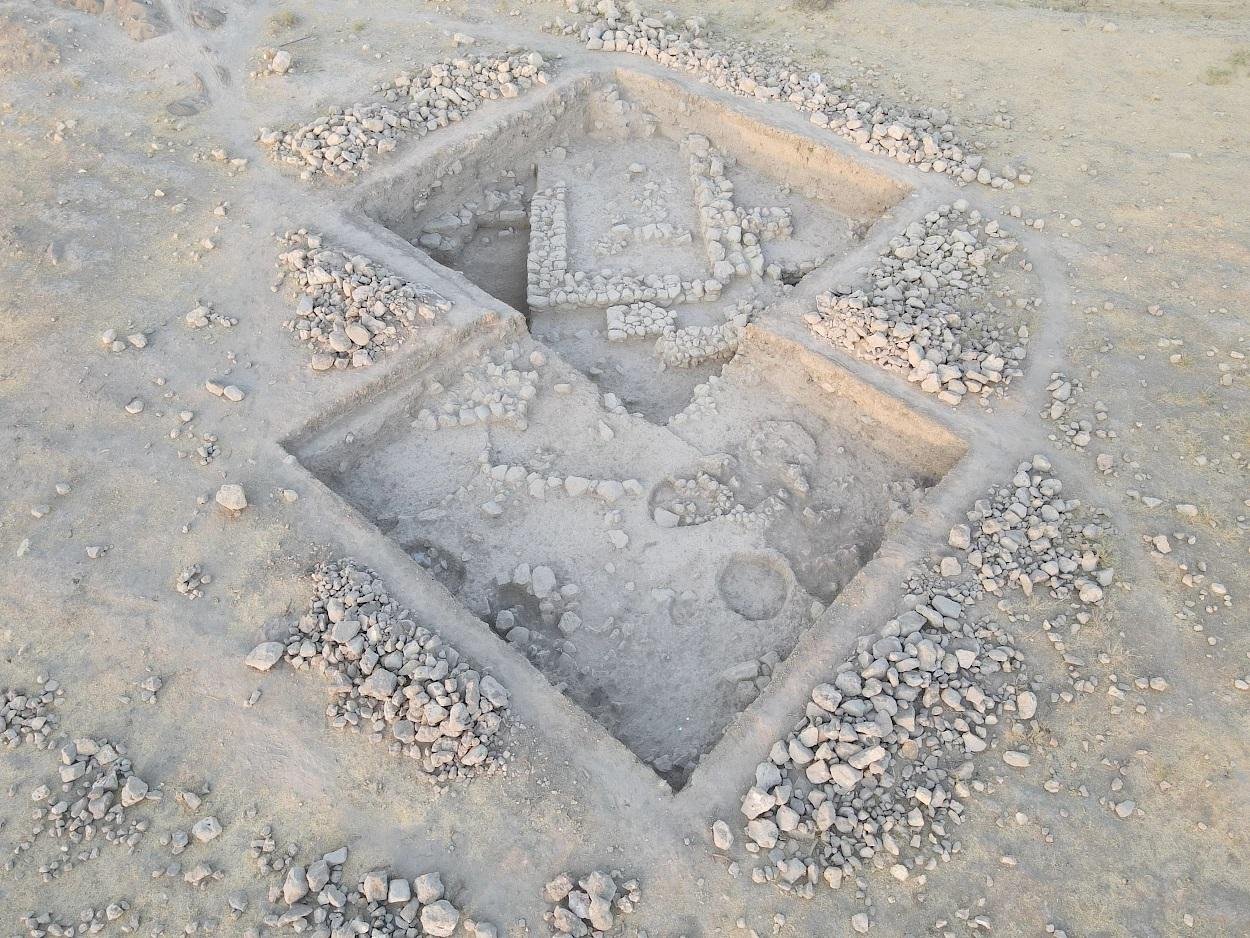
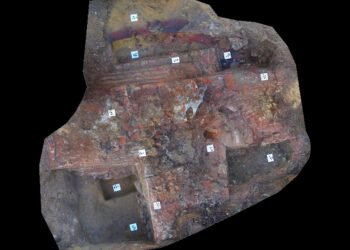
The discovery was announced by the Kani Shaie Archaeological Project, an international collaboration led by the University of Coimbra’s Centre for Studies in Archaeology, Arts and Heritage Sciences (CEAACP), along with its institutional partners, the University of Cambridge and the Slemani Antiquities and Heritage Directorate. Excavations revealed a large, officially constructed building atop the mound, probably a temple or cultic space where ritual or administrative activities would have been conducted.
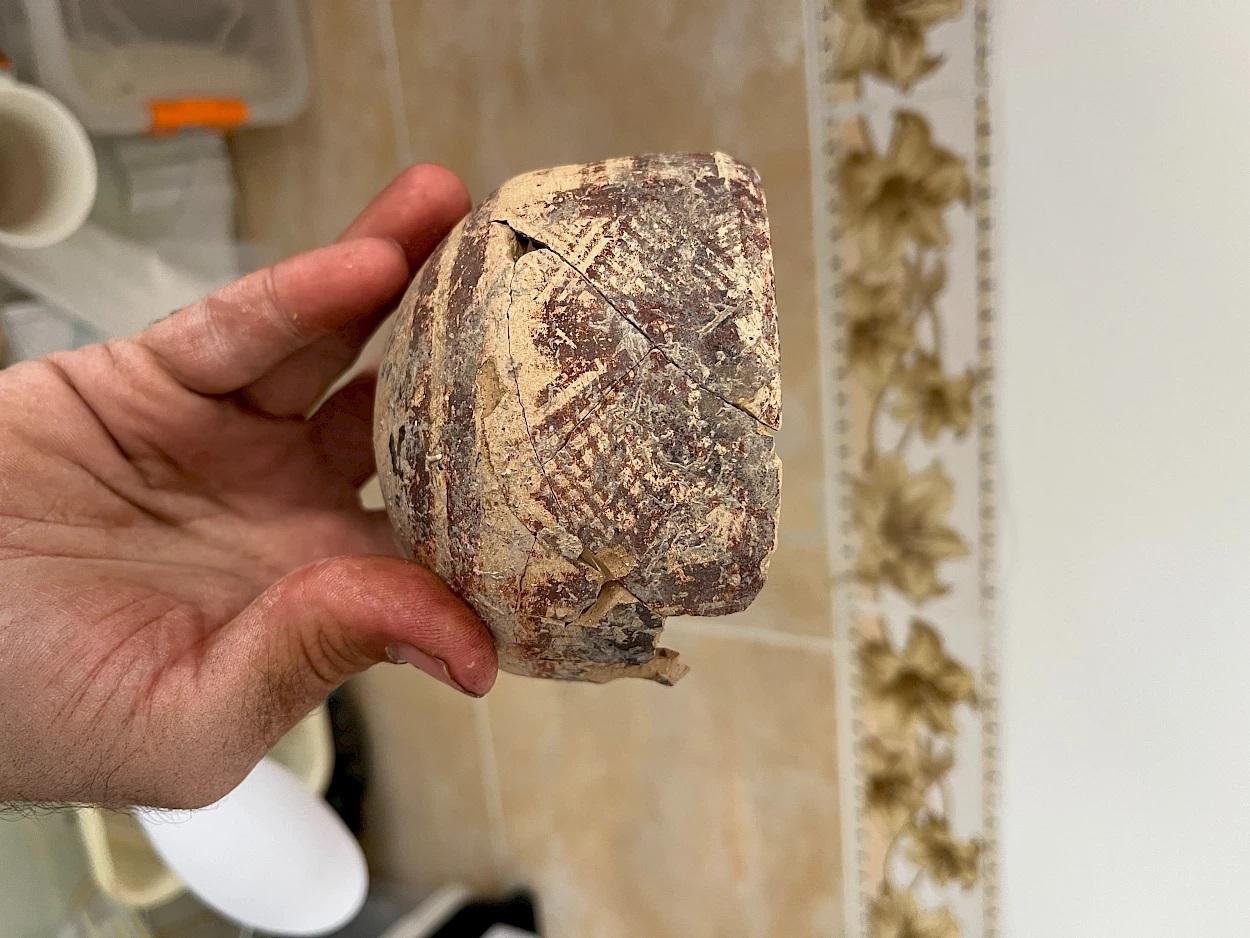
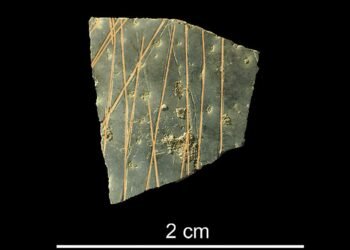
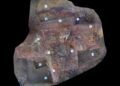
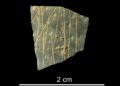
Archaeologists identified unique wall cones—decorative clay or stone elements pressed into plastered walls and painted to form colorful geometric mosaics—common in the monumental architecture of southern Mesopotamia. This suggests the building had a ceremonial or public function. Other finds include a fragment of a gold pendant, attesting to access to luxury materials and hence social prestige, and cylinder seals, used for record-keeping and the authentication of power. These finds collectively suggest that Kani Shaie was not an isolated settlement but an active participant in the administrative and cultural networks of its time.
It lies almost 300 miles (480 km) north of Uruk, generally considered the world’s first metropolis, and this fact makes the findings at Kani Shaie especially significant. Uruk, boasting a population of up to 80,000 and with organized streets and temples, influenced early writing, trade, and religion. The monumental building at Kani Shaie indicates that this influence extended deep into the Zagros foothills, linking highland communities with the urban centers of the southern plain.
If the monumental nature of the building is confirmed, it may challenge our current view of how Uruk interacted with surrounding regions. Sites like Kani Shaie would have been active contributors to shaping early cultural and political systems rather than peripheral observers.

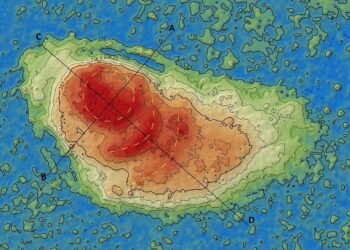
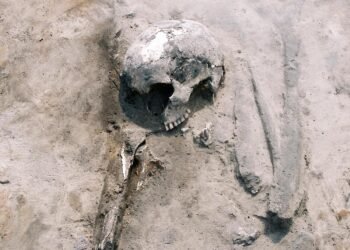
Excavations at Kani Shaie, ongoing since 2013, have revealed a long sequence of human occupation from the Chalcolithic period, c. 6500 BCE, to the 3rd millennium BCE, with later layers dating to the Neo-Assyrian and Hellenistic–Parthian periods. This makes it one of the most important archaeological sites east of the Tigris River for studying early social and political development.
The project’s 2025 season was funded by the Portuguese Foundation for Science and Technology (FCT) and supported by the University of Cambridge. The findings reinforce that the cultural networks connecting the Fertile Crescent—the Cradle of Civilization—were more extensive and dynamic than previously believed.
More information: University of Coimbra









Disclaimer: This website is a science-focused magazine that welcomes both academic and non-academic audiences. Comments are written by users and may include personal opinions or unverified claims. They do not necessarily reflect the views of our editorial team or rely on scientific evidence.
Comment Policy: We kindly ask all commenters to engage respectfully. Comments that contain offensive, insulting, degrading, discriminatory, or racist content will be automatically removed.