
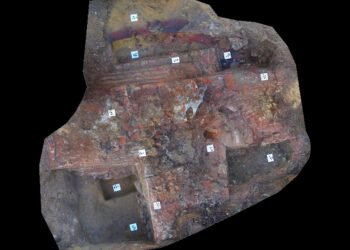
A recent study has now provided the first precise chronological framework for the Bronze Age settlement mound at Tabakoni in the Colchis lowlands of western Georgia, contributing to the knowledge surrounding settlement dynamics and environmental adaptation in the eastern Black Sea region. Between 2011 and 2017, a Georgian–German team of archaeologists excavated the waterlogged site where complex wood structures were preserved, making it feasible to apply both radiocarbon dating and dendrochronology, a first in the region of the Caucasus.
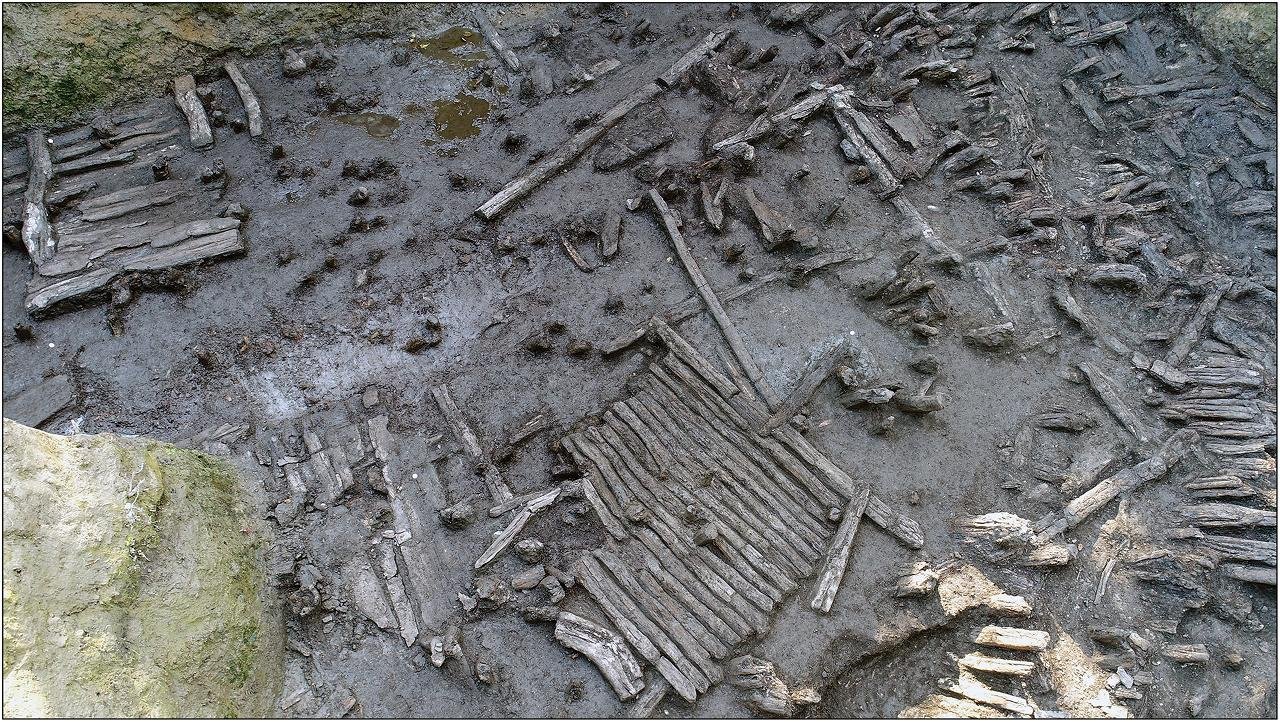
The results suggest that people began constructing a stable foundation for the Tabakoni mound as early as the 20th century BCE, which pushes back the origins of this settlement to the Middle Bronze Age. This early phase is also marked by some of the earliest evidence for the cultivation of millet in Colchis, suggesting agricultural practices adapted to local environmental conditions.
Phases of successive occupation at the site demonstrate a sequence of leveling and intentional backfilling of earlier structures, leading to gradual accretion of the mound over centuries. The site does not appear to be simply an occupation that was abandoned and eventually reoccupied at a later date, but rather demonstrates continual modification and reuse reflecting changing settlement needs and possibly shifts in social or environmental conditions. The site was not continuously occupied without interruption, but the overall sequence spans much of the Bronze Age and extends into the first millennium BCE.
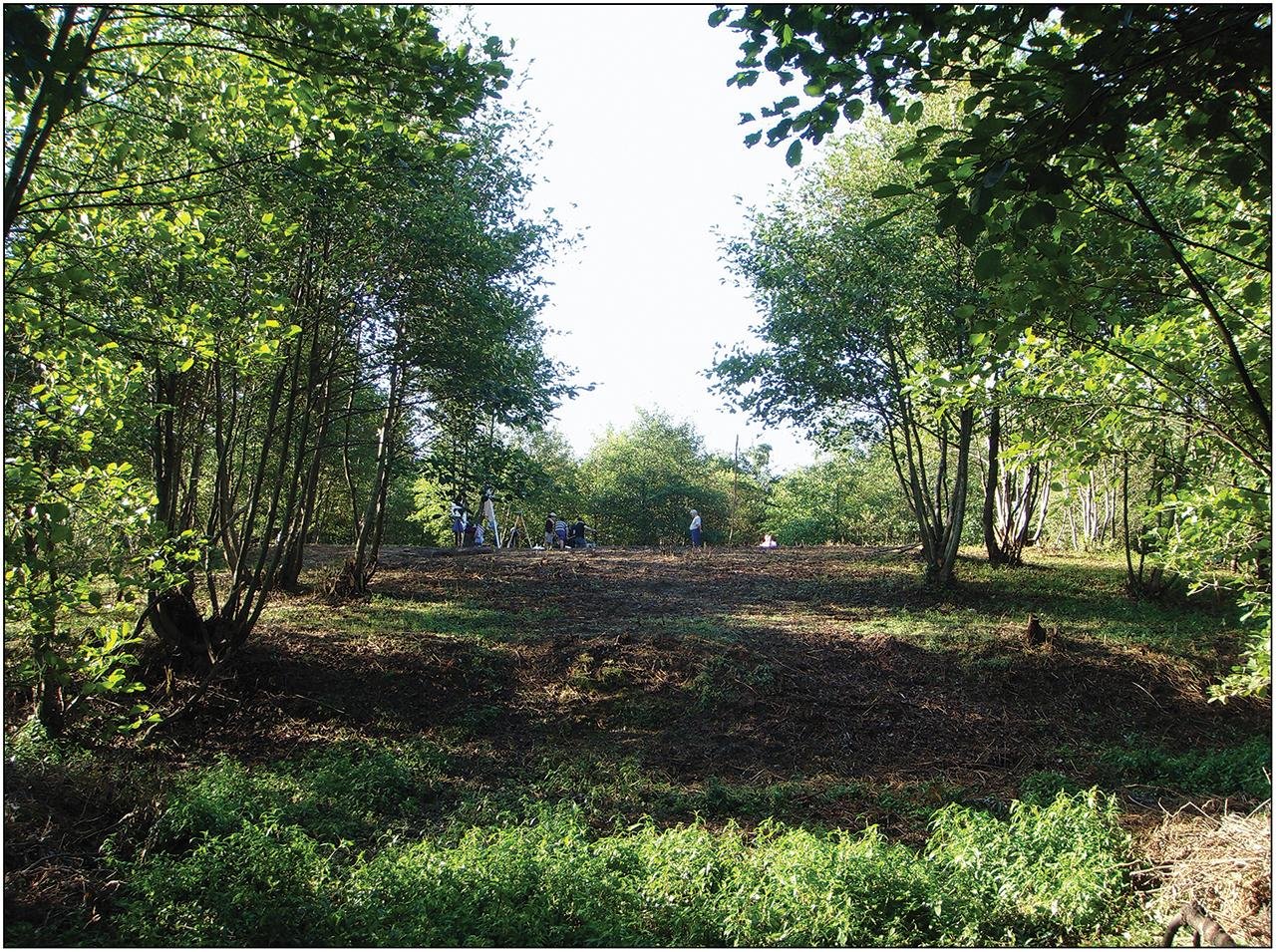
In the Tabakoni excavations, a multidisciplinary approach combining stratigraphic excavation with cutting-edge dating techniques has led to a more refined temporal framework for understanding human activity in Colchis. Radiocarbon measurements were anchored by tree-ring sequences obtained from preserved timbers, which enabled a finer distinction between discrete construction events within the mound’s long history.
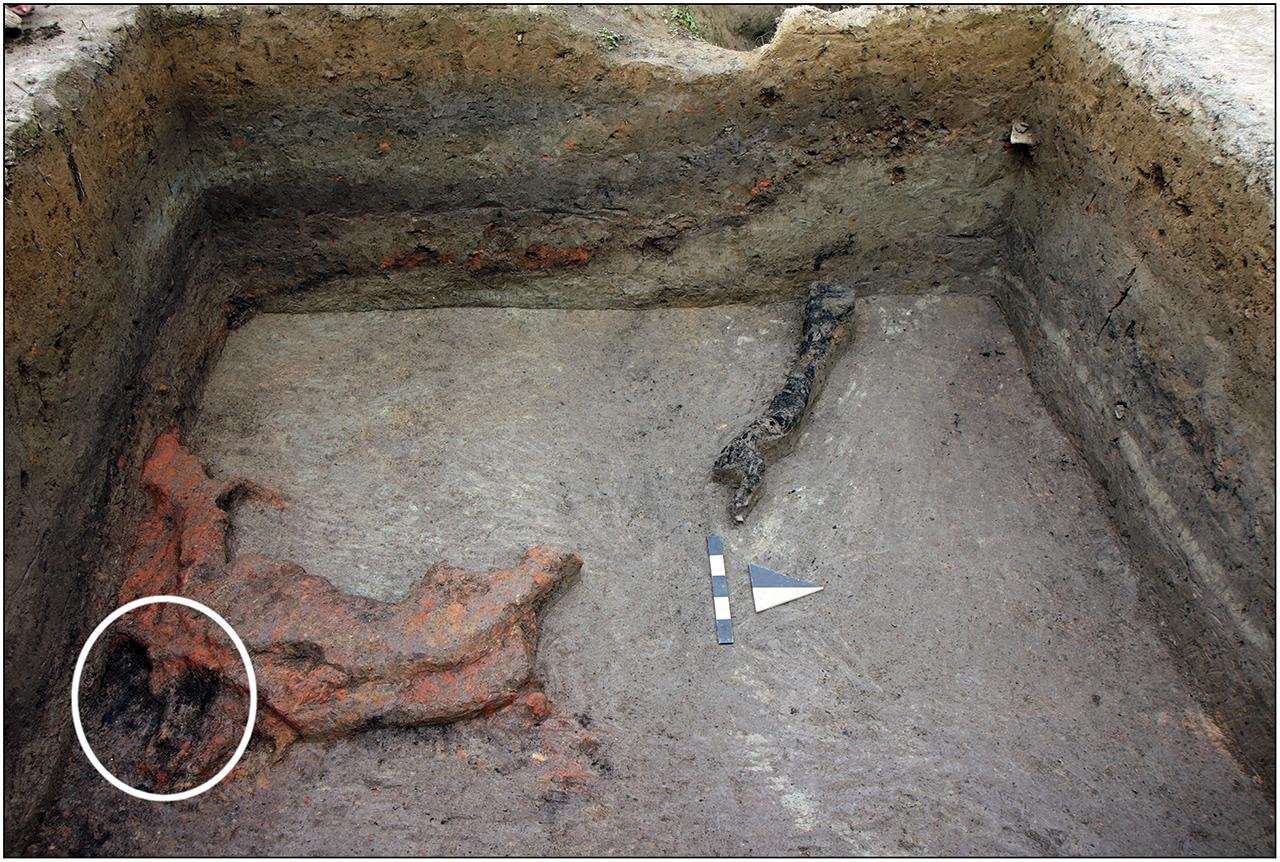
In addition to its chronological importance, another key significance of the Tabakoni archaeological project is its contribution to debates regarding Bronze Age settlement patterns in the South Caucasus. The evidence of millet cultivation corresponds with a new understanding of varied agricultural strategies in this region, incorporating cereals that were well adapted to local climate and soil conditions in the Colchian plain. The repeated remodeling of the mound also parallels developments seen in other Eurasian tell sites.


Finally, the Tabakoni mound was abandoned in the second half of the first millennium BCE, after several centuries of intermittent occupation and reconfiguration. The dating of human occupation at this crucial site within the ancient Black Sea world has been greatly clarified by the researchers’ findings.
The work sets a new level of chronological precision for the archaeology of Colchis and heralds further research into the social, economic, and environmental changes that shaped the region during the Bronze and Iron Ages.









Disclaimer: This website is a science-focused magazine that welcomes both academic and non-academic audiences. Comments are written by users and may include personal opinions or unverified claims. They do not necessarily reflect the views of our editorial team or rely on scientific evidence.
Comment Policy: We kindly ask all commenters to engage respectfully. Comments that contain offensive, insulting, degrading, discriminatory, or racist content will be automatically removed.
A suggestion for the modern archaeologist…. When sites are dug. and discoveries of items and dates approximately learned, then an emhanced Rosetta Stone-style record should be left buried at the site. This is so that if there’s ever a human catastrophe where our electronic/written records are destroyed then future archaeologists in thousands of years time can learn what was at a location. We feel somewhat secure in this short term of modernity and its amazing technology in which we live but we all know things come to pass. Give a non-decaying gift of knowledge to those who will come later.