
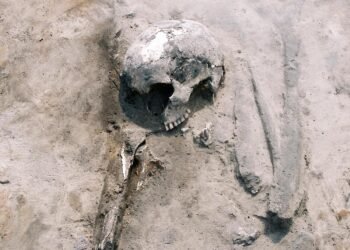
In 1898, a burial slipped from a coastal cliff near Bagicz in northwestern Poland. Waves and wind had been eating away at the shoreline, which retreats by as much as one meter each year. The erosion exposed a hollowed oak log coffin from the Roman Iron Age. Inside lay the skeleton of a young woman.
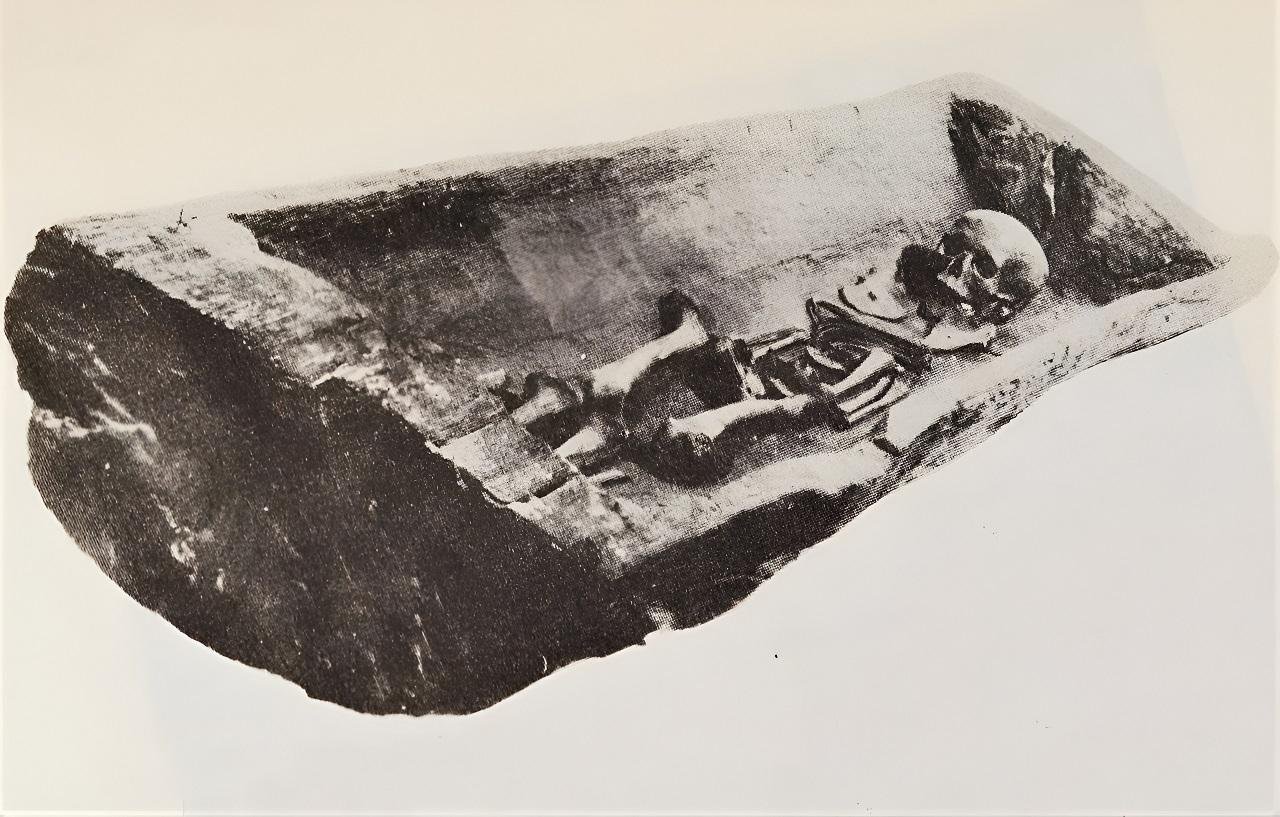
Archaeologists later linked the grave to the Wielbark culture, active between the first and fourth centuries CE. People from this culture often buried their dead in log coffins or graves lined with twigs. Wood rarely survives in the sandy soils of Pomerania. This coffin stands as the only well-preserved example of its kind from the region.
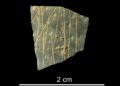
The woman was buried with a bronze fibula, a pin, two bronze bracelets, and a necklace made of glass and amber beads. Early reports also mentioned a small wooden stool and a cattle hide, though those objects did not survive. Because the burial seemed isolated and contained ornaments, researchers once described her as a princess. Later excavations identified a nearby cemetery, which showed that she formed part of a larger burial ground.
Dating the grave proved difficult. In the 1980s, scholars studied the style of the grave goods and placed the burial between about 110 and 160 CE. In 2018, radiocarbon testing on one of her teeth produced a much earlier date, between 113 BCE and 65 CE, with high probability. The two results differed by nearly one hundred years.
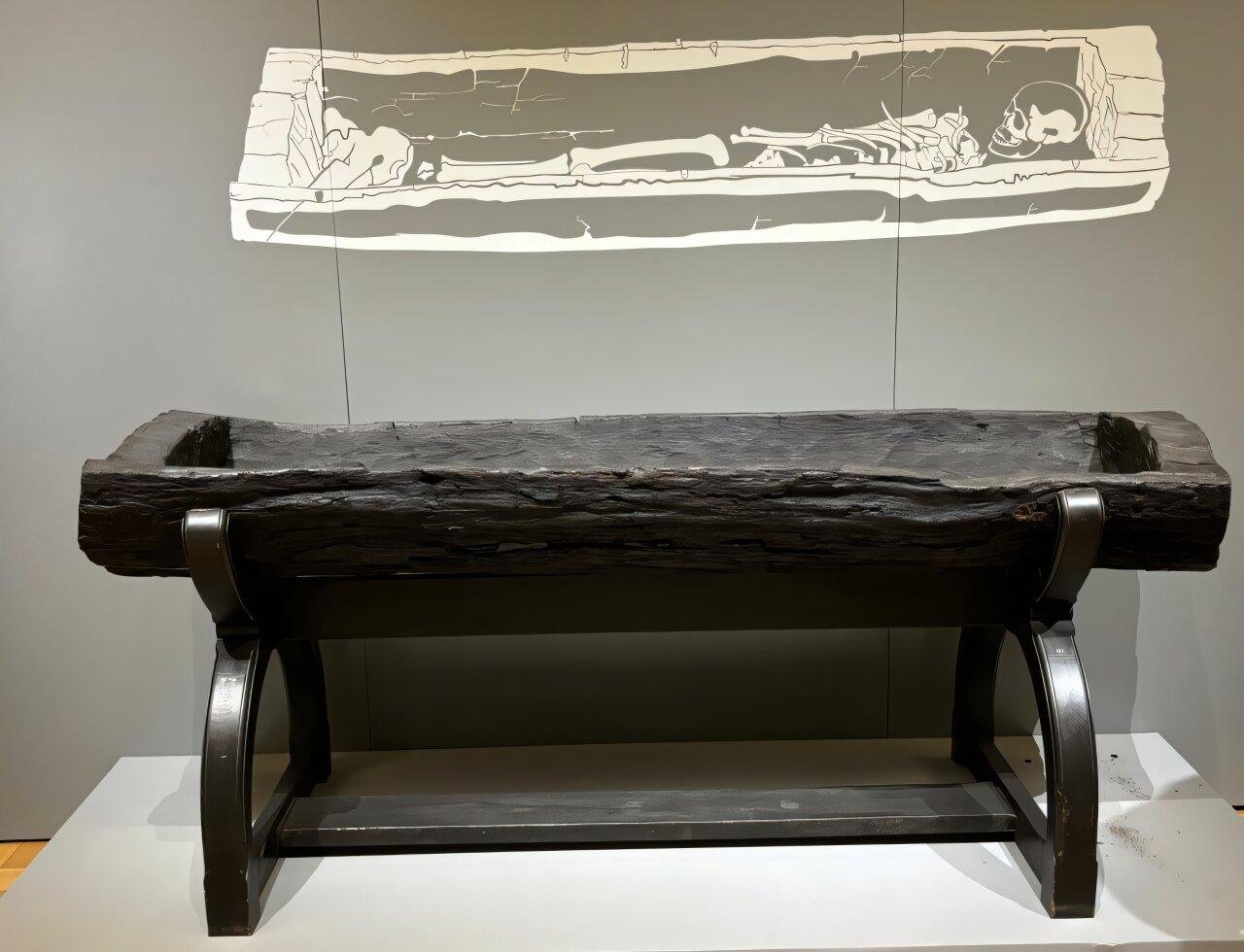
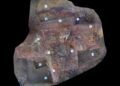
A recent study published in Archaeometry revisited the case. The research team applied dendrochronology to the oak coffin. By measuring tree rings and comparing them with established chronologies, they determined that the tree was felled around 120 CE, with an error margin of seven to eight years. This result matches the earlier archaeological estimate and points to a problem with the radiocarbon date.
The team then examined possible causes for the older radiocarbon result. Stable isotope analysis of the woman’s bones showed she consumed a large amount of animal protein and likely freshwater fish. Fish from rivers and lakes sometimes carry older carbon from dissolved limestone. When people eat such fish, radiocarbon dating of their remains can produce ages older than their true time of death.
The local environment may have added to the issue. Studies describe the region’s water as moderately hard. Aquatic organisms living in hard water can incorporate ancient carbon. If humans consume those organisms, radiocarbon measurements shift toward older dates.
Researchers also analyzed strontium isotopes to assess her origin. Her values resemble those recorded in parts of Scandinavia, including Öland. Glacial deposits in Pomerania produce similar signatures, which make it difficult to separate locals from migrants using this method alone.
By combining archaeological study, radiocarbon testing, isotope analysis, and tree ring dating, the team clarified the burial’s age. The oak coffin dates to the early second century CE. The case shows how diet and environment affect radiocarbon results and why multiple methods matter when building a timeline from ancient remains.











Disclaimer: This website is a science-focused magazine that welcomes both academic and non-academic audiences. Comments are written by users and may include personal opinions or unverified claims. They do not necessarily reflect the views of our editorial team or rely on scientific evidence.
Comment Policy: We kindly ask all commenters to engage respectfully. Comments that contain offensive, insulting, degrading, discriminatory, or racist content will be automatically removed.
The Details from the buried princess mentions are bronze fibula in the wooden cofin. Are you insuating that she had undergone surgery?