
In a spectacular discovery along the route of Germany’s SuedOstLink high-voltage power transmission project, archaeologists have uncovered twelve ritual pits dating back 5,000 years, near Gerstewitz in Saxony-Anhalt. These finds, associated with the enigmatic Salzmünde Culture (approximately 3400–3050 BCE), provide a glimpse into the burial and ritual practices of a prehistoric society grappling with climate insecurity and cultural transformation.
The excavations are being carried out by the State Office for Heritage Management and Archaeology Saxony-Anhalt, together with the transmission operator 50Hertz, as part of preconstruction archaeological surveys. The Salzmünde Culture is a regional offshoot of the Funnel Beaker Culture and was centered along the middle and lower Saale River. It is renowned for its mortuary rites, including burials under layers of broken pottery and the remains of burnt houses, and widespread evidence of violence and secondary burial—especially of skulls—within the graves.
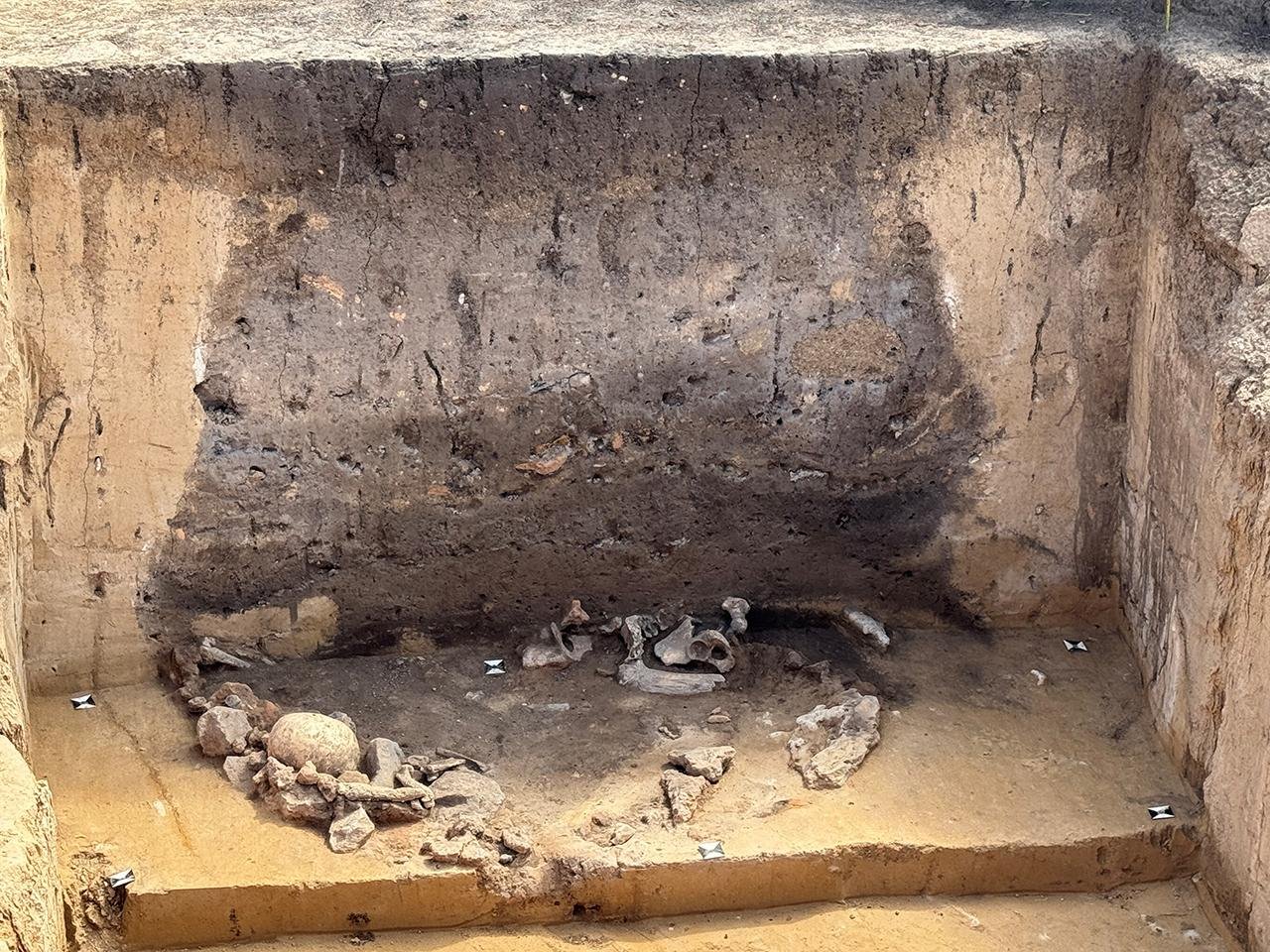
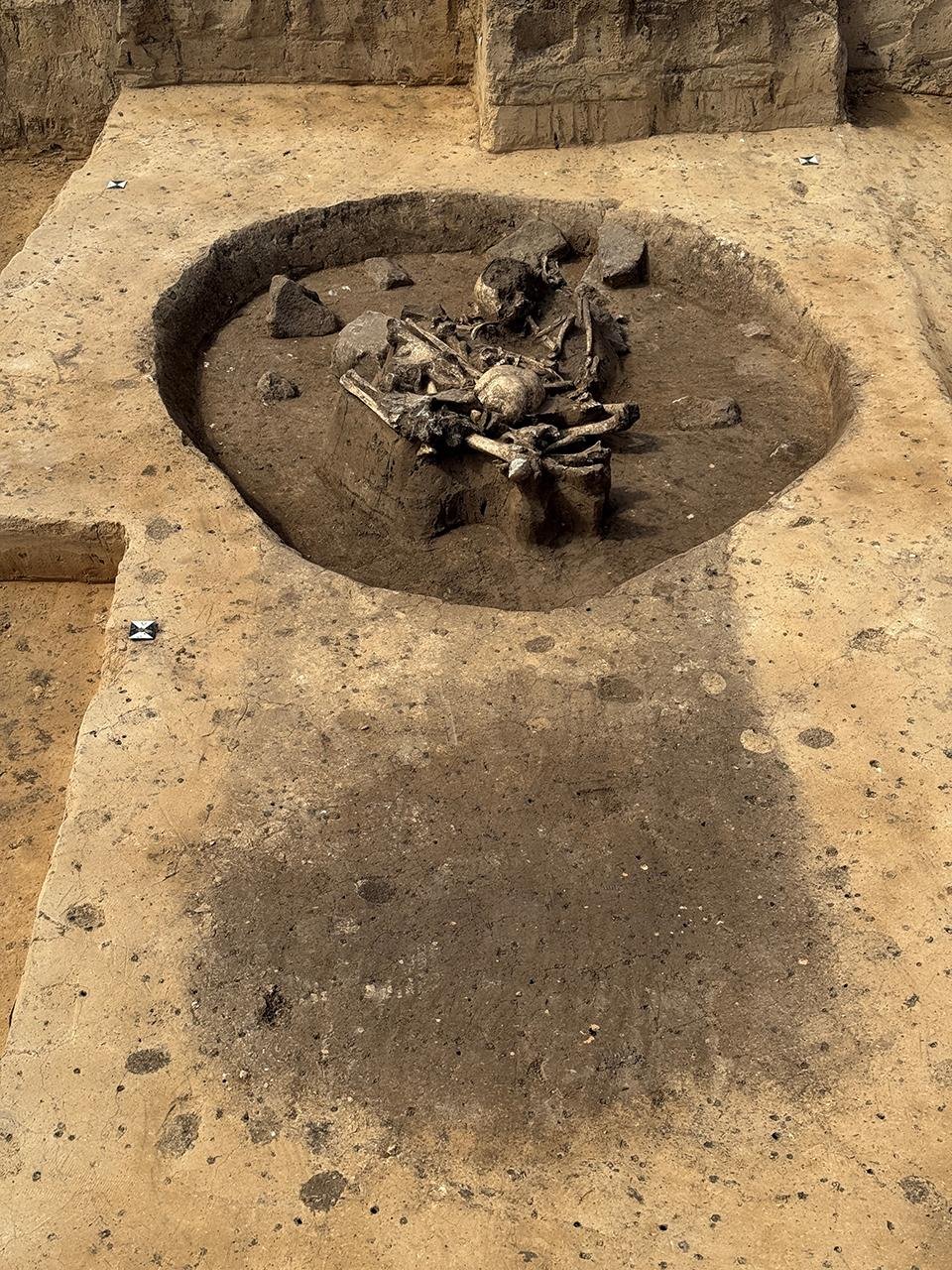
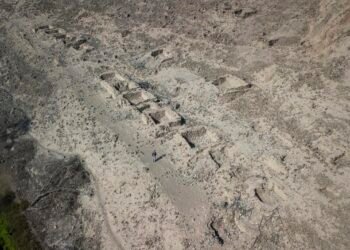
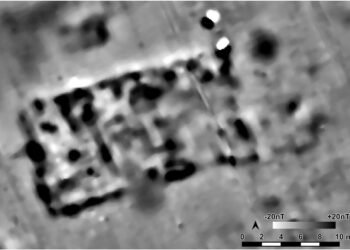
Archaeologists at the Gerstewitz site have revealed twelve circular pits, around 2 to 3 meters in diameter and up to 2.5 meters deep, that were enclosed by ditches. The pits contained a mix of offerings and charred remains: fragments of structures that had been destroyed, ceramic vessels, and human and animal bones. Most remarkable was one pit containing two intact pottery vessels that would have been utilized in rituals; another held the charred remains of a dog, still in anatomical position, discovered together with a human skull that showed no weathering—suggesting that the dog was perhaps burned, its remains preserved or exposed before burial, while the skull had been recently placed there.
In one of the converted oven pits, archaeologists discovered the remains of two individuals who appeared to have decomposed elsewhere before burial, pointing to an elaborately staged, multi-phase funeral rite. “This suggests that the pits remained open during extended ritual ceremonies, or that the dog bones were kept in another place for a prolonged period of time,” the researchers wrote in a statement.
The find follows earlier discoveries along the same infrastructure project, including graves near Krauschwitz attributed to the Corded Ware Culture. However, the Salzmünde pits are nearly 500 years older and reflect more sophisticated ceremonial activity, likely in response to growing social stress.
Researchers see these ritual practices as a sign of a time of crisis. Central Europe experienced a climatic downturn around 3000 BCE, with cooler, more unpredictable weather. Meanwhile, the Bernburg Culture began expanding into Salzmünde territory from the north. These outside pressures might have forced the Salzmünde people to seek protection and stability in increasingly complex rites, calling on their ancestors—and possibly animal spirits—for support.
Most controversial is the inclusion of dogs in the pits. Some researchers believe they may have been regarded as spiritual guides or mediators between the living and the dead. Whether these ceremonies were communal affairs or restricted to particular members of society is not known. Nevertheless, the evidence paints an image of a population deeply invested in symbolic ritual, navigating a changing world through often haunting ceremonies.


Disclaimer: This website is a science-focused magazine that welcomes both academic and non-academic audiences. Comments are written by users and may include personal opinions or unverified claims. They do not necessarily reflect the views of our editorial team or rely on scientific evidence.
Comment Policy: We kindly ask all commenters to engage respectfully. Comments that contain offensive, insulting, degrading, discriminatory, or racist content will be automatically removed.
How do we know this is a “ritual” and not a form of sanitation? Perhaps they just didn’t understand illnesses enough but understood that by burning things contaminated helped prevent the spread of illness.
The bodies were found to have decomposed elsewhere before burning in the pit. I agree that it could have been a sanitation system.