1,900-year-old Roman unguentarium shows human feces used as medicine with thyme to mask smell
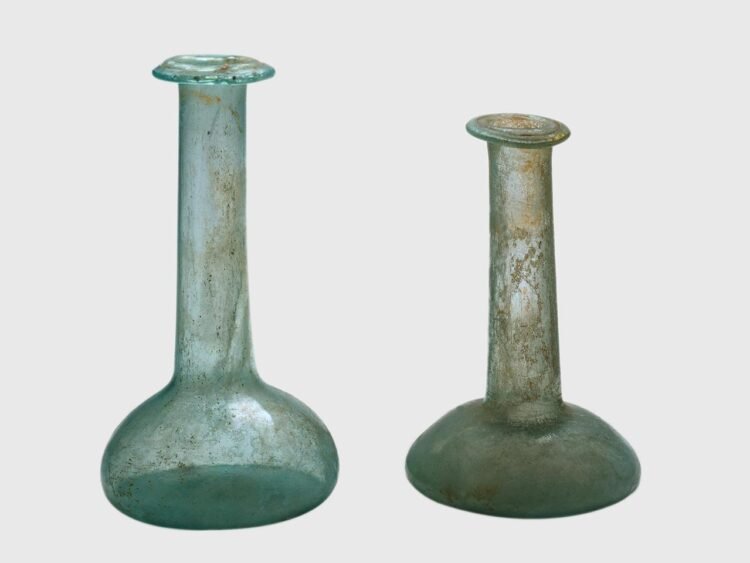
Chemical analysis of residue inside a small Roman glass vial has produced the first direct physical evidence that human feces...

Chemical analysis of residue inside a small Roman glass vial has produced the first direct physical evidence that human feces...
A new study examines how divine sanctuaries fit into medical practice in ancient Mesopotamia. Troels Arbøll analyzed cuneiform prescriptions from...
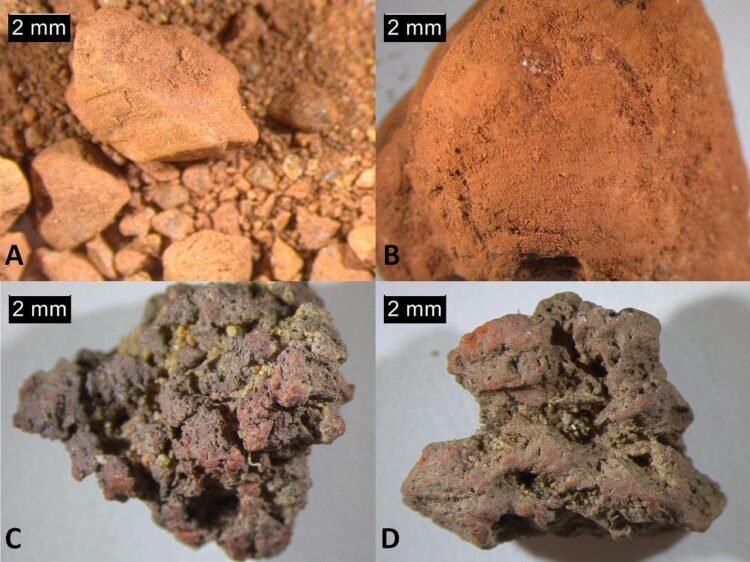
About 5,500 to 6,000 years ago, hunter-fisher-gatherers lived across what is now Finland. These communities, known to archaeologists as the...
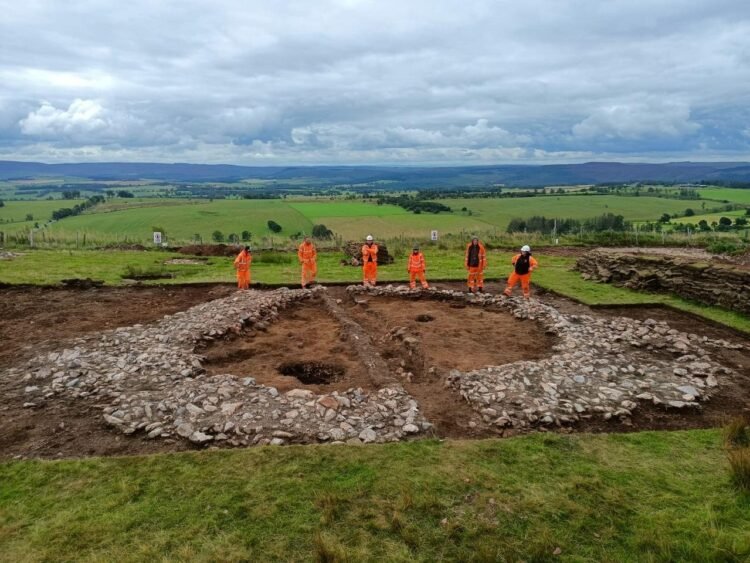
Archaeologists have documented a well-preserved Bronze Age hilltop settlement at Harden Quarry in the Cheviot Hills of northern England. The...
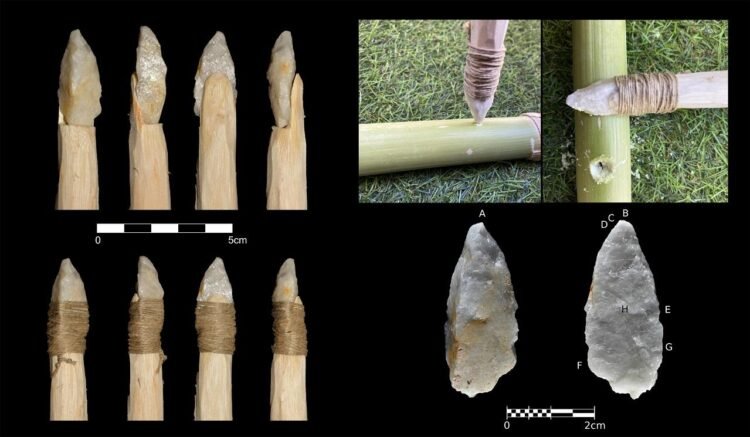
Researchers working in central China have identified stone tools shaped for attachment to handles between 160,000 and 72,000 years ago....
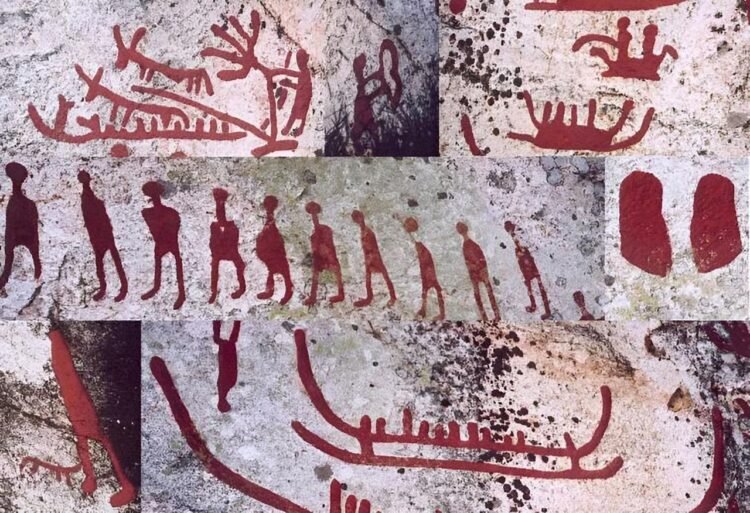
A doctoral dissertation at the University of Gothenburg has examined the social role of Nordic Bronze Age rock art in...
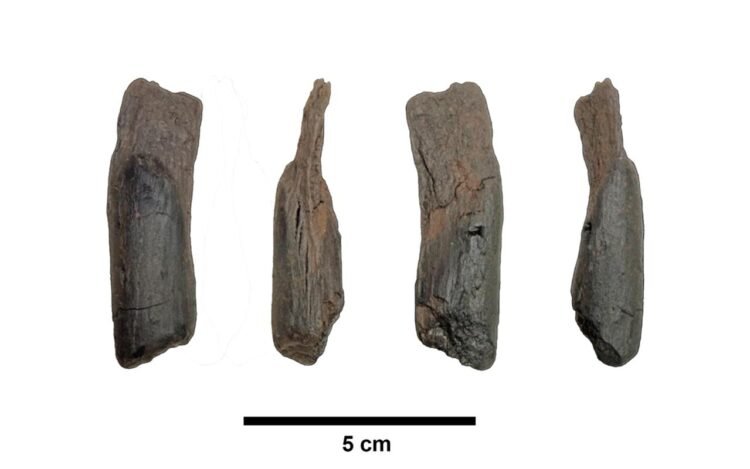
Researchers working in southern Greece have identified the oldest known handheld wooden tools, dated to about 430,000 years ago. The...
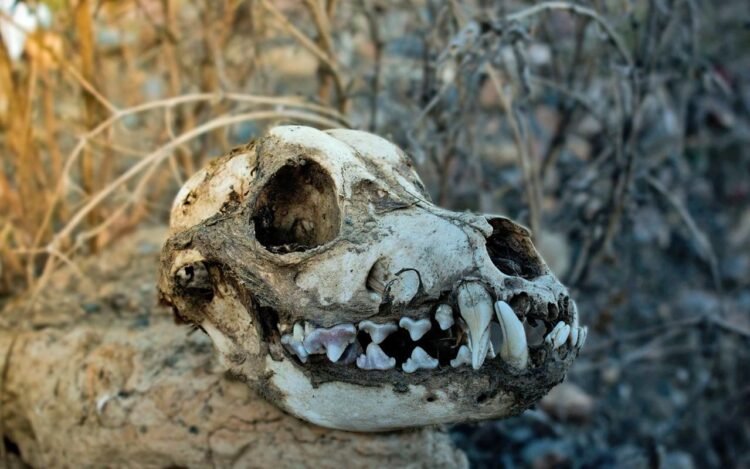
Archaeologists studying animal bones from Iron Age settlements in Bulgaria have found strong evidence for dog consumption between the fifth...
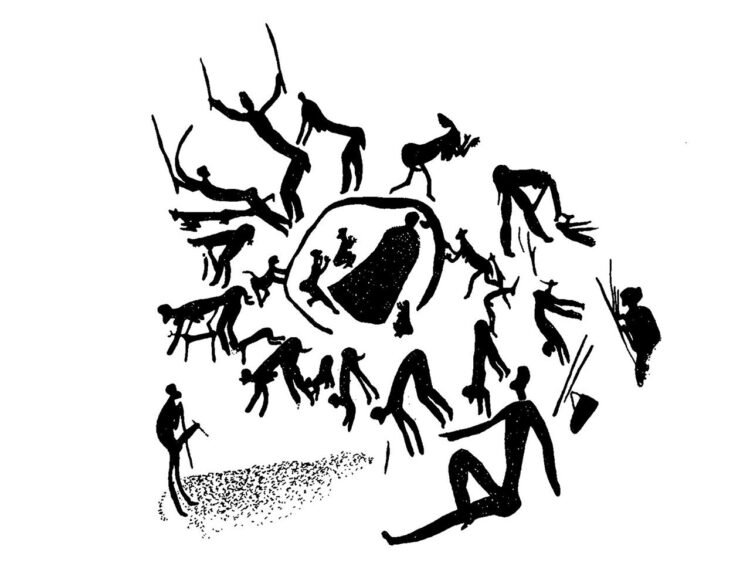
A recent study in the journal Telestes presents a systematic analysis of dance scenes in South African rock art, offering...
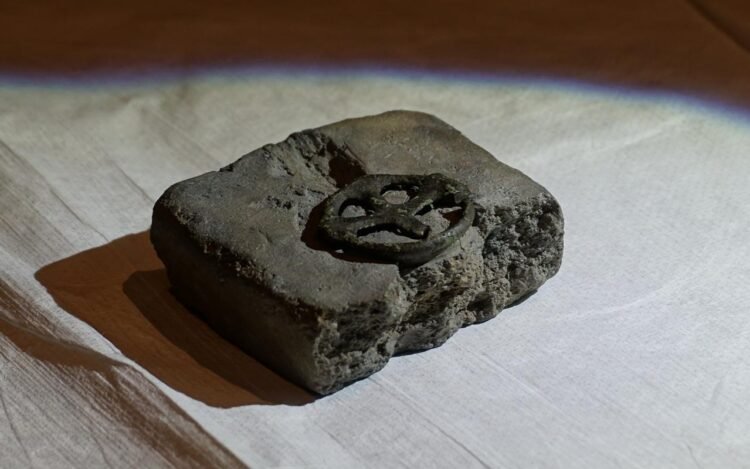
Archaeologists in Brandenburg, Germany, have uncovered a bronze wheel cross dating to the 10th or 11th century CE in the...