• About
  • Privacy Policy
  • Terms of Use
  • Donation
  • Contact
No Result
View All Result
Archaeology News
  • Home
  • News
    • Archaeology
    • Anthropology
    • Paleontology
  • Academic
    • Books
    • Conferences
    • Universities
  • Articles
  • VR Tours
  • Quiz & Game
  • Download
  • Encyclopedia
  • Forum
Archaeology News
No Result
View All Result
Home News Archaeology

Julius Caesar’s perfume recreated

by Dario Radley
August 4, 2024

The scent of ancient Rome has been brought back to life through the efforts of the Scent Culture and Tourism Association, which has recreated the “Telinum” perfume used by Julius Caesar.
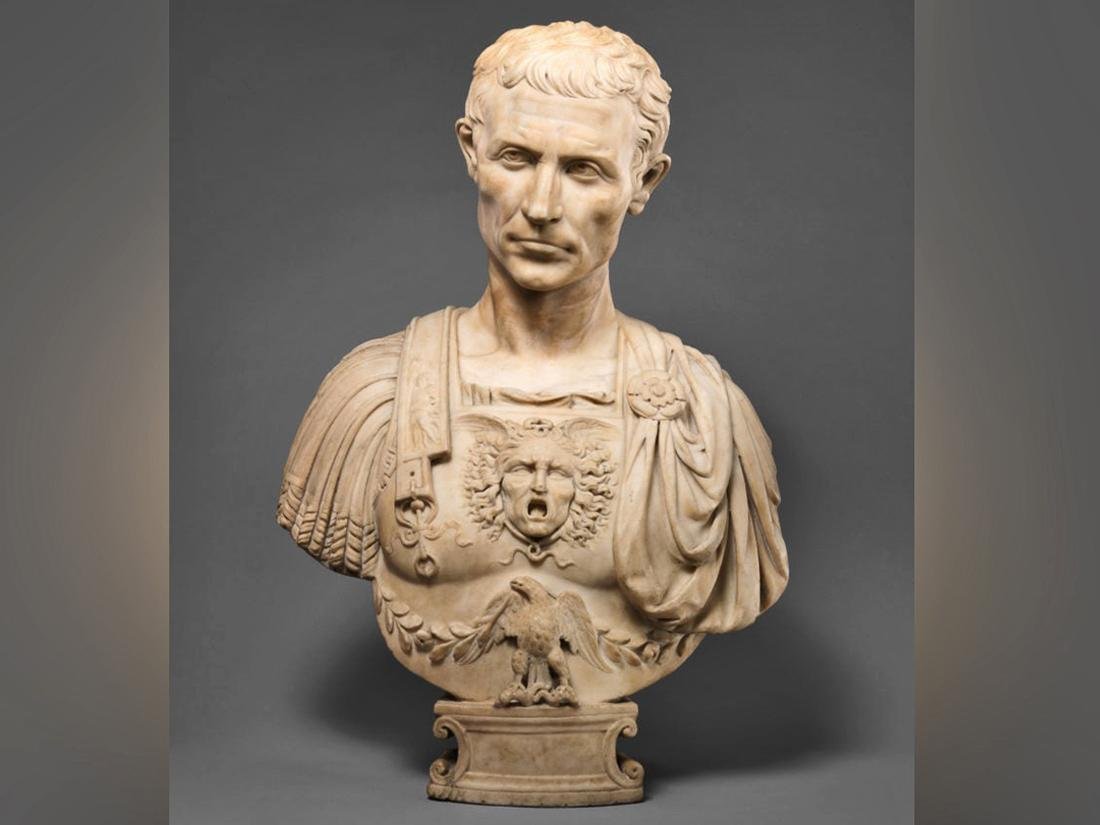
Roman emperor Julius Caesar’s perfume recreated
Julius Caesar’s bust sculpture, by Andrea di Pietro di Marco Ferrucci, ca. 1512–14. Credit: Metropolitan Museum of Art

This project was overseen by Associate Professor Cenker Atila from Sivas Cumhuriyet University’s Archaeology Department, with collaboration from Milanese perfumers and the expertise of renowned Perfume Designer Bihter Türkan Ergül.

The ancient perfume, known as “Telinum,” contains a blend of scents including rock rose, citrus, oud, and amber, evoking the grandeur of Caesar’s era. The project meticulously replicated the perfume’s composition based on archaeological and historical data, with scents like mint, rose, lemon, bergamot, lavender, jasmine, water lily, violet, oud cedarwood, patchouli, and amber. Additionally, the perfume features iris flowers and rock roses, which were particularly coveted and difficult to source in ancient times.

The association has announced that the perfume will be available for sale in Türkiye, France, and Italy starting in October. This launch marks a significant achievement in bringing ancient history into the modern day, allowing people to experience a part of Caesar’s life through scent.
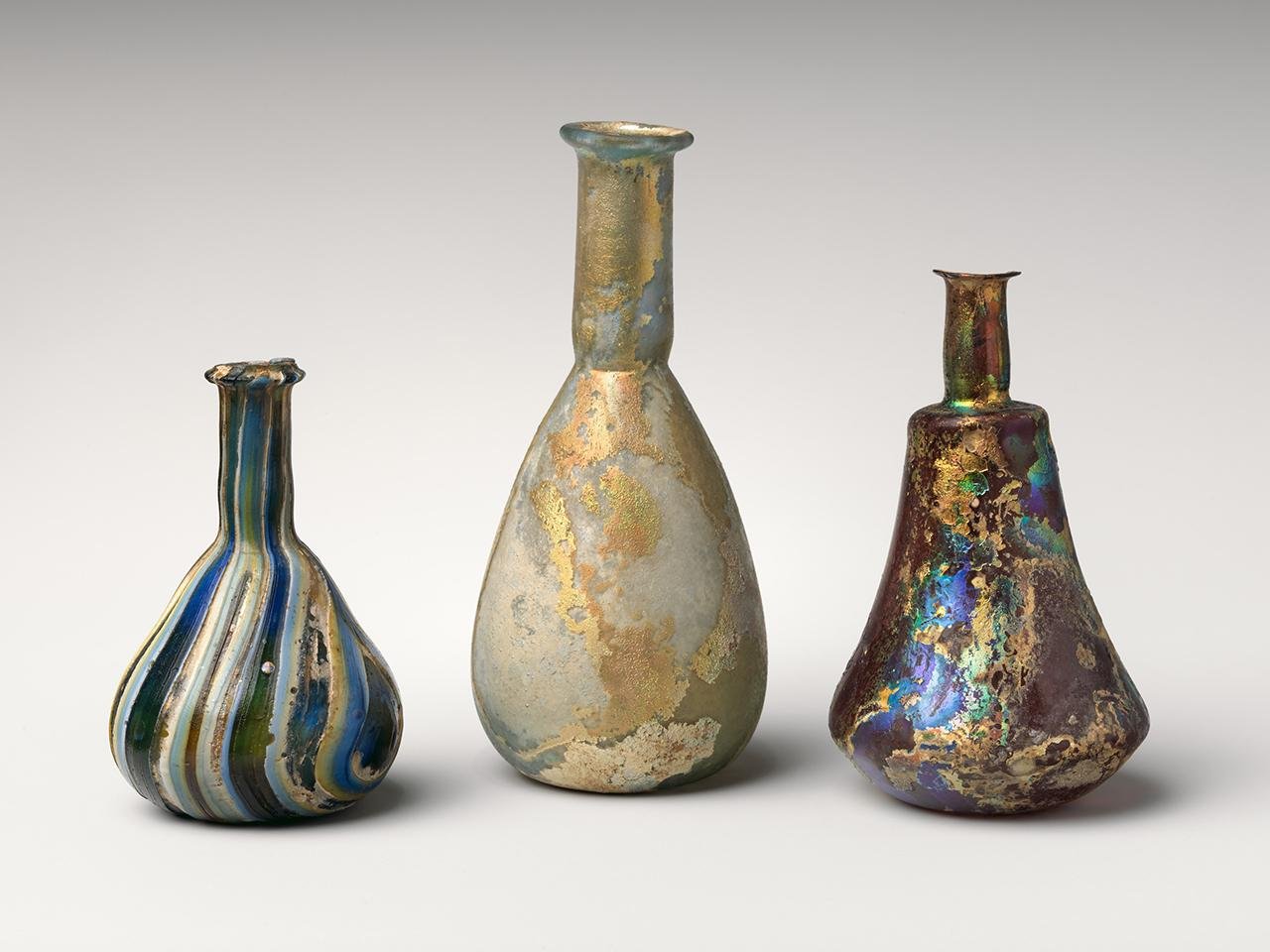
Roman emperor Julius Caesar’s perfume recreated
Roman perfume bottle, 1st century CE. Credit: Metropolitan Museum of Art/Public Domain

The Romans had a deep appreciation for perfumes, which played a crucial role in their daily lives and rituals. Perfumes and cosmetics were immensely popular throughout the Mediterranean world and had substantial commercial value. High-ranking officials, generals, priests, and the wealthy often imported rare perfumes from across the globe or commissioned custom blends to distinguish themselves from the masses. Atila noted that these elite figures sought unique fragrances to reflect their status and sophistication.


RelatedStories

Ancient settlement with weaving workshop and longhouses uncovered in Germany gravel pit

Ancient settlement with weaving workshop and longhouses uncovered in Germany gravel pit

May 17, 2026
Pompeii victim identified as Roman physician killed while fleeing Vesuvius eruption

Pompeii victim identified as Roman physician killed while fleeing Vesuvius eruption

May 17, 2026

In ancient Rome, alongside popular perfumes like rhodium—which combined rose oil with the sweat of gladiators—there were other beloved mixtures such as those with rose, narcissus, crocus with saffron, and metopium with bitter almonds. Rhodium, in particular, was favored for its simple yet potent composition.

Caesar’s perfume, however, stood apart. As a celebrated general and dictator, Caesar’s every move, including his choice of scent, was a subject of public fascination. The contents of his perfumes have been largely determined through ancient writings and accounts from his contemporaries. This new perfume, crafted by Ergül, encapsulates those historical elements, providing a faithful representation of what Caesar might have worn.
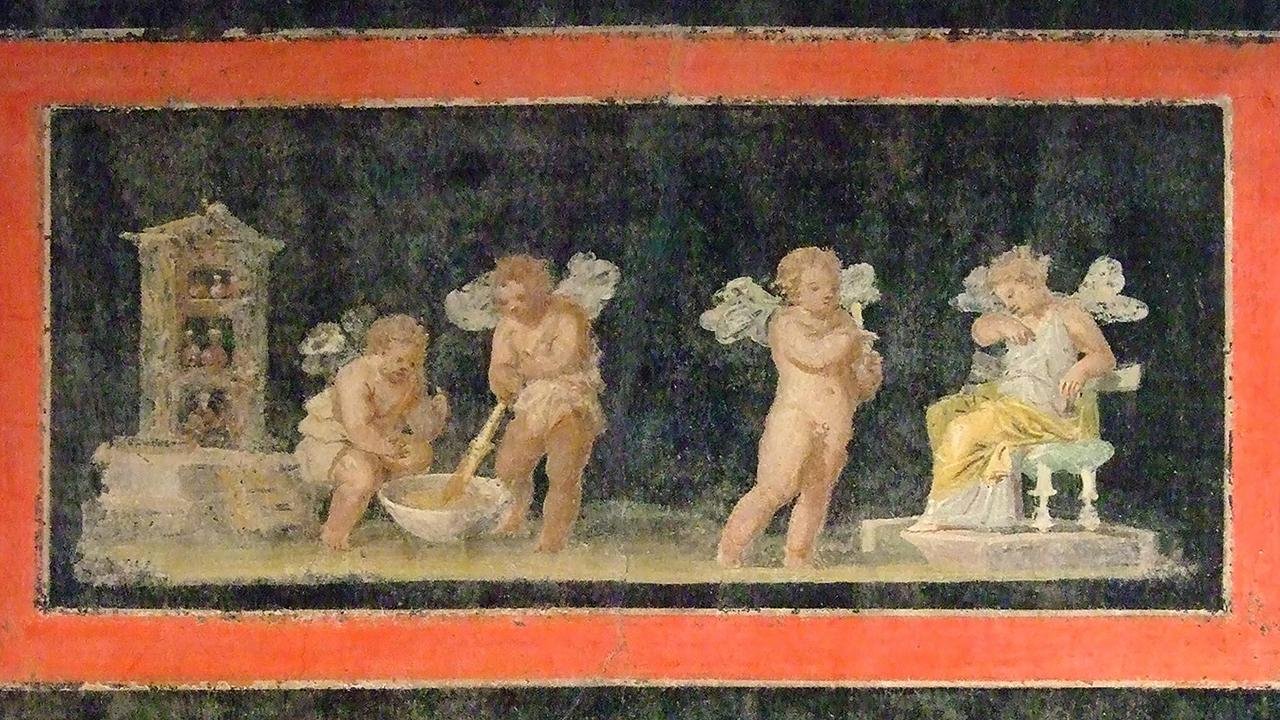
Roman emperor Julius Caesar’s perfume recreated
Wall Fragment with Cupids and Psyche making Perfume, Roman, 50-75 CE. Credit: Mary Harrsch via Flickr

The Scent Culture and Tourism Association stated that perfumes in ancient Rome were not merely for aesthetic pleasure but also had ritualistic and medicinal uses. They were integral to daily life and special ceremonies, such as funerals where incense was mandatory. Perfumes were also used as ointments or embalming substances for the deceased.

Perfume making is a tradition that dates back thousands of years, with the ancient Egyptians being among the earliest enthusiasts. This practice spread throughout the ancient world, including Greece and Rome, becoming a hallmark of sophisticated society. Researchers, like those from the 2021 Lithub report, have even attempted to recreate historical perfumes, such as one potentially used by Cleopatra.

The recreation of Julius Caesar’s perfume honors the legacy of Roman perfumery.
ShareTweetShareShareSend

You May Also Like...

Ancient texts reveal how Persian and Greek rule shaped language in Central Asia
Archaeology

Ancient texts reveal how Persian and Greek rule shaped language in Central Asia

May 20, 2026
World War II mass grave in Poland reveals remains of German officer killed during Battle of Lauban
Anthropology

World War II mass grave in Poland reveals remains of German officer killed during Battle of Lauban

May 19, 2026
massive jar in Laos contained remains of 37 people, revealing ancient burial rituals and Asian trade links
Anthropology

Massive jar in Laos contained remains of 37 people, revealing ancient burial rituals and Asian trade links

May 19, 2026
6,000-year-old necropolis in Spain rewrites origins of Europe’s first megalithic tombs
Archaeology

6,000-year-old necropolis in Spain rewrites origins of Europe’s first megalithic tombs

May 18, 2026
Ancient settlement with weaving workshop and longhouses uncovered in Germany gravel pit
Archaeology

Ancient settlement with weaving workshop and longhouses uncovered in Germany gravel pit

May 17, 2026
Pompeii victim identified as Roman physician killed while fleeing Vesuvius eruption
Anthropology

Pompeii victim identified as Roman physician killed while fleeing Vesuvius eruption

May 17, 2026

Follow us


Instagram
242K

Facebook
117K

Threads
46K

LinkedIn
14K

Twitter
6K

YouTube
1K
Ancient texts reveal how Persian and Greek rule shaped language in Central Asia

Ancient texts reveal how Persian and Greek rule shaped language in Central Asia

May 20, 2026
World War II mass grave in Poland reveals remains of German officer killed during Battle of Lauban

World War II mass grave in Poland reveals remains of German officer killed during Battle of Lauban

May 19, 2026
massive jar in Laos contained remains of 37 people, revealing ancient burial rituals and Asian trade links

Massive jar in Laos contained remains of 37 people, revealing ancient burial rituals and Asian trade links

May 19, 2026
6,000-year-old necropolis in Spain rewrites origins of Europe’s first megalithic tombs

6,000-year-old necropolis in Spain rewrites origins of Europe’s first megalithic tombs

May 18, 2026

Archaeology News online magazine

Archaeology News is an international online magazine that covers all aspects of archaeology.


Categories

  • Academics
    • Books
    • Conferences
    • Universities
  • Articles
  • Download
  • Game
  • News
    • Anthropology
    • Archaeology
    • Paleontology
  • Quiz
  • Tours

Subscribe to our newsletter

© 2024 - Archaeology News Online Magazine. All Rights Reserved.

  • About
  • Privacy Policy
  • Terms of Use
  • Donation
  • Contact

Manage Consent
To provide the best experiences, we use technologies like cookies to store and/or access device information. Consenting to these technologies will allow us to process data such as browsing behavior or unique IDs on this site. Not consenting or withdrawing consent, may adversely affect certain features and functions.
Functional Always active
The technical storage or access is strictly necessary for the legitimate purpose of enabling the use of a specific service explicitly requested by the subscriber or user, or for the sole purpose of carrying out the transmission of a communication over an electronic communications network.
Preferences
The technical storage or access is necessary for the legitimate purpose of storing preferences that are not requested by the subscriber or user.
Statistics
The technical storage or access that is used exclusively for statistical purposes. The technical storage or access that is used exclusively for anonymous statistical purposes. Without a subpoena, voluntary compliance on the part of your Internet Service Provider, or additional records from a third party, information stored or retrieved for this purpose alone cannot usually be used to identify you.
Marketing
The technical storage or access is required to create user profiles to send advertising, or to track the user on a website or across several websites for similar marketing purposes.
  • Manage options
  • Manage services
  • Manage {vendor_count} vendors
  • Read more about these purposes
View preferences
  • {title}
  • {title}
  • {title}
  • Home
  • News
    • Archaeology
    • Anthropology
    • Paleontology
  • Academic
    • Books
    • Conferences
    • Universities
  • Articles
  • VR Tours
  • Quiz & Game
  • Download
  • Encyclopedia
  • Forum

About  .  Contact  .  Donation

© 2024 - Archaeology News Online Magazine. All Rights Reserved