• About
  • Privacy Policy
  • Terms of Use
  • Donation
  • Contact
No Result
View All Result
Archaeology News
  • Home
  • News
    • Archaeology
    • Anthropology
    • Paleontology
  • Academic
    • Books
    • Conferences
    • Universities
  • Articles
  • VR Tours
  • Quiz & Game
  • Download
  • Encyclopedia
  • Forum
Archaeology News
No Result
View All Result
Home News Archaeology

Rats and the fall of Rapa Nui’s forests: invasive species, not humans, drove the island’s deforestation

by Dario Radley
November 9, 2025

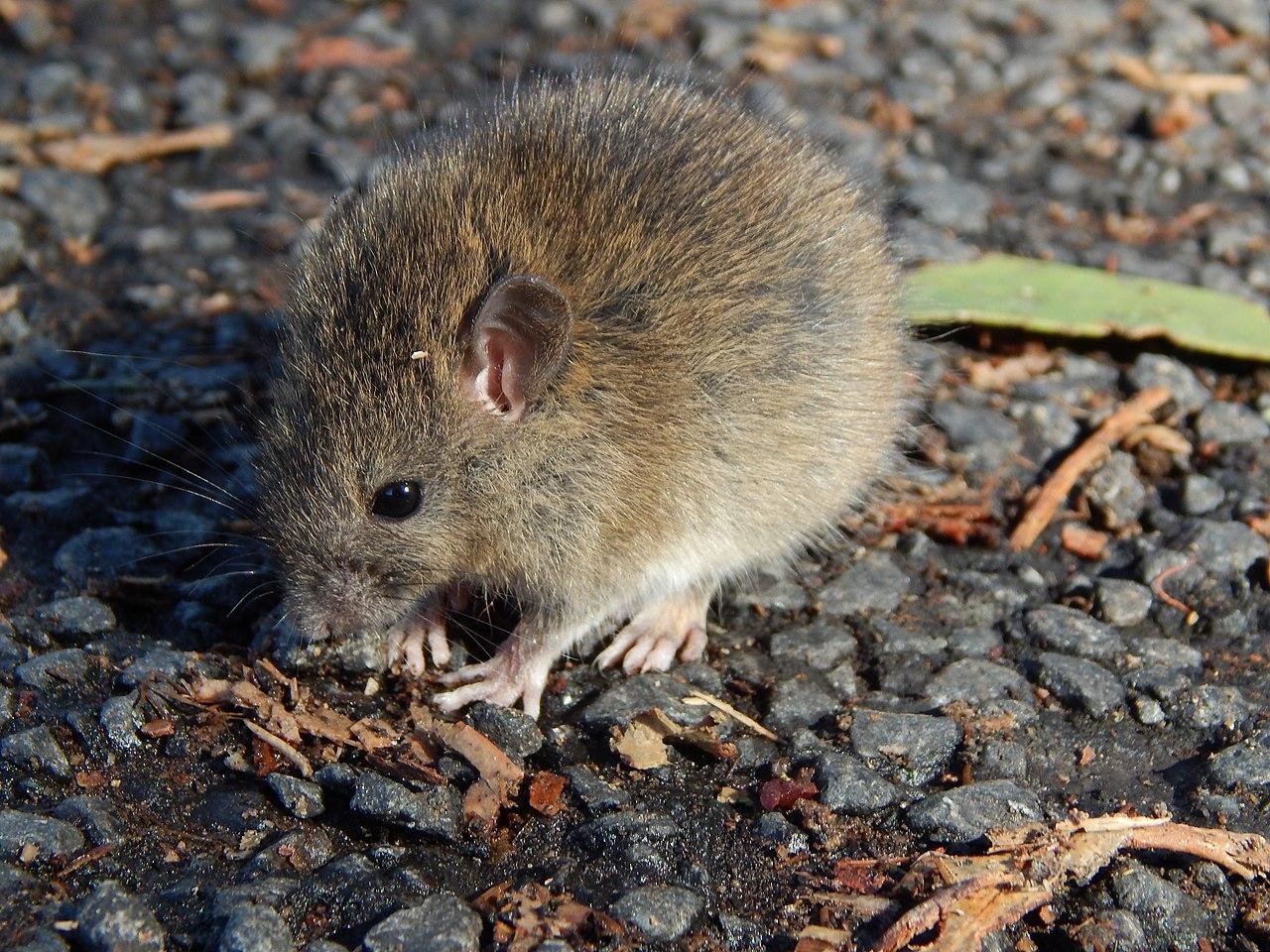
A new study by Dr. Terry Hunt (University of Arizona) and Dr. Carl Lipo (University of Birmingham), published in the Journal of Archaeological Science, reexamines the causes of Rapa Nui’s dramatic deforestation and highlights the role of the introduced Polynesian rat (Rattus exulans). Long framed as a cautionary tale of human “ecocide,” the island’s transformation may instead reflect a powerful interaction between people and an invasive species.
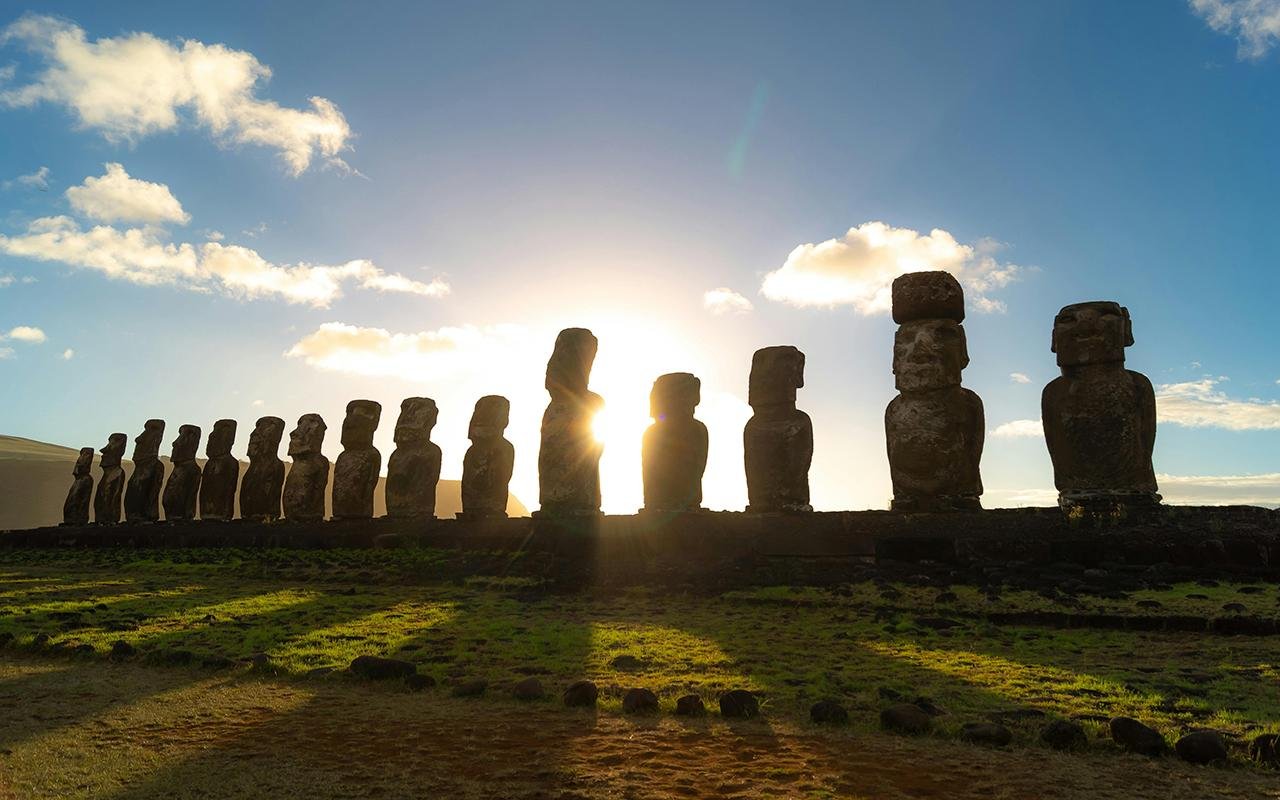
New study debunks myth of Easter Island's ecological collapse
The statues of Easter Island. Credit: Andrea Vera Sasso

Paleoecological records indicate that Rapa Nui once supported an extensive palm forest—estimates suggest between 15–19 million Paschalococos disperta trees—prior to shifting to grasses and shrubs between about 1200 and 1650 CE. Hunt and Lipo make the case that the rats’ impact on seed predation has been greatly underestimated. Through ecological modeling, they show that a single breeding pair could grow to approximately 11.2 million rats within 47 years while consuming around 95 percent of the palm seeds and preventing regeneration.

The palms were unusually vulnerable: they produced relatively few, large, nutrient-rich seeds—ideal food for rodents. Once rats reached high densities, even modest seed losses would halt recruitment. Comparative island cases support this dynamic. On Pacific islands where rats were never introduced, native palms have persisted despite human presence; in contrast, on islands where rats arrived, palm declines sometimes preceded or outpaced direct human clearing.

The excavated remains of rats from Anakena (1986–2005) reveal a boom–bust population trajectory consistent with invasive species dynamics. Rather than acting as a “fallback” food for people after marine resources declined, rat abundances surged after arrival and then crashed by about 93 percent, as their food base collapsed. This pattern challenges interpretations suggesting that human hunting reduced rat numbers.
Rats and the fall of Rapa Nui’s forests: invasive species, not humans, drove the island’s deforestation
Polynesian rat (Rattus exulans). Credit: Forest and Kim Starr / CC BY 2.0

Critics have long minimized the rats’ impacts and have attributed deforestation mainly to human land clearing, fire, and resource overuse. Hunt and Lipo point out that such explanations overlook how biological invasions and human land use interacted. Their integrated evidence from archaeological data, faunal analysis, and ecological modeling indicates that rats alone could eventually have caused palm extinction, while human activities accelerated the pace and shaped its geography.

The study reframes Rapa Nui’s environmental history from a simple story of human-induced collapse to one better described as a complex invasive-species dynamic interacting with human action. That shift matters: it challenges the notion of inevitable societal self-destruction and places at center stage how introduced species can trigger lasting ecological change—an urgent lesson for island conservation today.

More information: Hunt, T. L., & Lipo, C. P. (2025). Reassessing the role of Polynesian rats (Rattus exulans) in Rapa Nui (Easter Island) deforestation: Faunal evidence and ecological modeling. Journal of Archaeological Science, 184(106388), 106388. doi:10.1016/j.jas.2025.106388

Share:

Share on Facebook Share on X (Twitter) Share on LinkedIn Share on Pinterest Share on WhatsApp Share on Email

You May Also Like...

Ancient city of Ihnasya reveals Aphrodite statue, Senusret III inscription, and Roman basilica remains in Egypt
Archaeology

Ancient city of Ihnasya reveals Aphrodite statue, Senusret III inscription, and Roman basilica remains in Egypt

June 2, 2026
Rare funerary cache discovered at ancient Heliopolis site
Archaeology

Rare funerary cache discovered at ancient Heliopolis site

June 2, 2026
Archaeologists find Queen Elisenda’s remains among 25 medieval skeletons, including individuals with unexplained stab wounds
Anthropology

Archaeologists find Queen Elisenda’s remains among 25 medieval skeletons, including individuals with unexplained stab wounds

June 1, 2026
Copper Age children in Spain suffered widespread respiratory disease, skeletal study suggests
Anthropology

Copper Age children in Spain suffered widespread respiratory disease, skeletal study suggests

June 1, 2026
Unknown World War II mass grave with 14 German soldiers uncovered at quarry site in Poland
Anthropology

Unknown World War II mass grave with 14 German soldiers uncovered at quarry site in Poland

May 31, 2026
Volunteers restore England’s mysterious Cerne Abbas Giant as climate and erosion threaten ancient landmark
Archaeology

Volunteers restore England’s mysterious Cerne Abbas Giant as climate and erosion threaten ancient landmark

May 31, 2026

Comments 1

  1. Editorial Team says:
    1 second ago

    Disclaimer: This website is a science-focused magazine that welcomes both academic and non-academic audiences. Comments are written by users and may include personal opinions or unverified claims. They do not necessarily reflect the views of our editorial team or rely on scientific evidence.

    Comment Policy: We kindly ask all commenters to engage respectfully. Comments that contain offensive, insulting, degrading, discriminatory, or racist content will be automatically removed.

    Reply
  2. Jim Robison says:
    7 months ago

    Human colonization, with all we bring with us, has been shown to often lead to the destruction of indigenous species. Will we learn from the past and prevent this trend as we seek to colonize other worlds? I suspect not.

    Reply

Leave a Reply Cancel reply

Your email address will not be published. Required fields are marked *

Follow us


Instagram
242K

Facebook
117K

Threads
47K

LinkedIn
15K

Twitter
6K

YouTube
1K

Archaeology News online magazine

Archaeology News is an international online magazine that covers all aspects of archaeology.


Categories

  • Academics
    • Books
    • Conferences
    • Universities
  • Articles
  • Download
  • Game
  • News
    • Anthropology
    • Archaeology
    • Paleontology
  • Quiz
  • Tours

Subscribe to our newsletter

© 2024 - Archaeology News Online Magazine. All Rights Reserved.

  • About
  • Privacy Policy
  • Terms of Use
  • Donation
  • Contact

Manage Consent
To provide the best experiences, we use technologies like cookies to store and/or access device information. Consenting to these technologies will allow us to process data such as browsing behavior or unique IDs on this site. Not consenting or withdrawing consent, may adversely affect certain features and functions.
Functional Always active
The technical storage or access is strictly necessary for the legitimate purpose of enabling the use of a specific service explicitly requested by the subscriber or user, or for the sole purpose of carrying out the transmission of a communication over an electronic communications network.
Preferences
The technical storage or access is necessary for the legitimate purpose of storing preferences that are not requested by the subscriber or user.
Statistics
The technical storage or access that is used exclusively for statistical purposes. The technical storage or access that is used exclusively for anonymous statistical purposes. Without a subpoena, voluntary compliance on the part of your Internet Service Provider, or additional records from a third party, information stored or retrieved for this purpose alone cannot usually be used to identify you.
Marketing
The technical storage or access is required to create user profiles to send advertising, or to track the user on a website or across several websites for similar marketing purposes.
  • Manage options
  • Manage services
  • Manage {vendor_count} vendors
  • Read more about these purposes
View preferences
  • {title}
  • {title}
  • {title}
  • Home
  • News
    • Archaeology
    • Anthropology
    • Paleontology
  • Academic
    • Books
    • Conferences
    • Universities
  • Articles
  • VR Tours
  • Quiz & Game
  • Download
  • Encyclopedia
  • Forum

About  .  Contact  .  Donation

© 2024 - Archaeology News Online Magazine. All Rights Reserved