
Archaeologists working at Cabezo Redondo have identified clear evidence of textile production inside a Bronze Age house. The findings come from a study in the journal Antiquity and focus on a set of loom weights found in place on the floor of a domestic room.
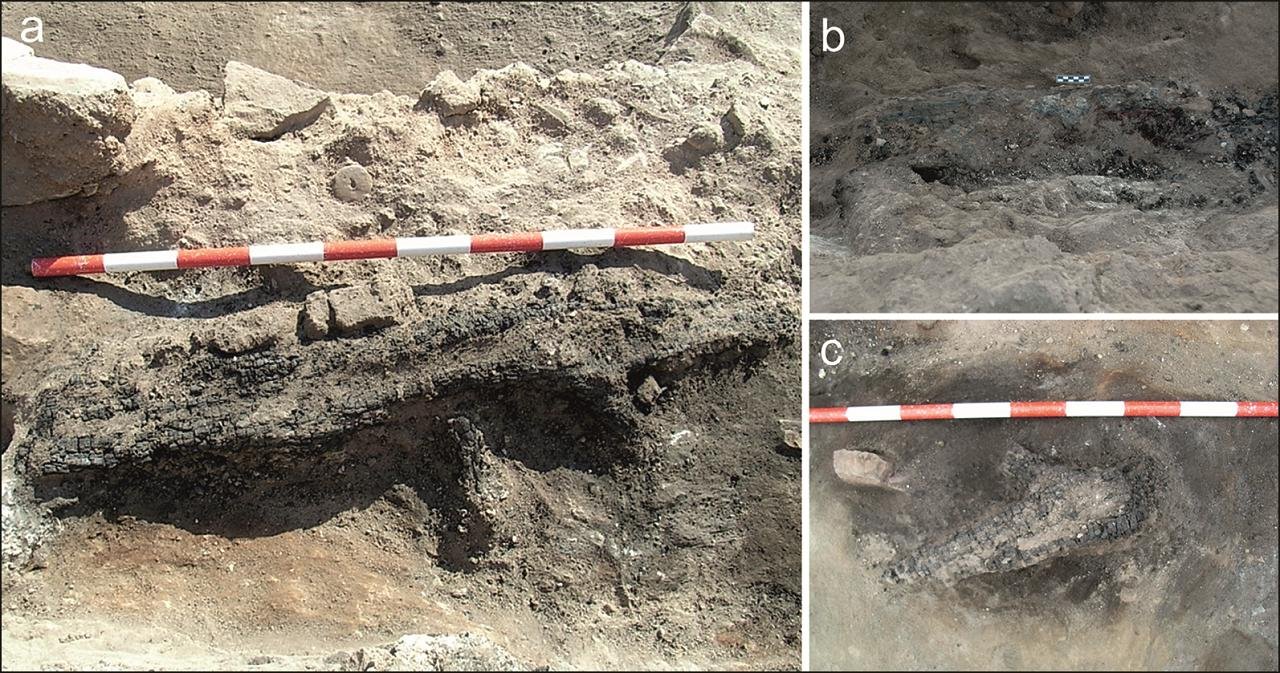
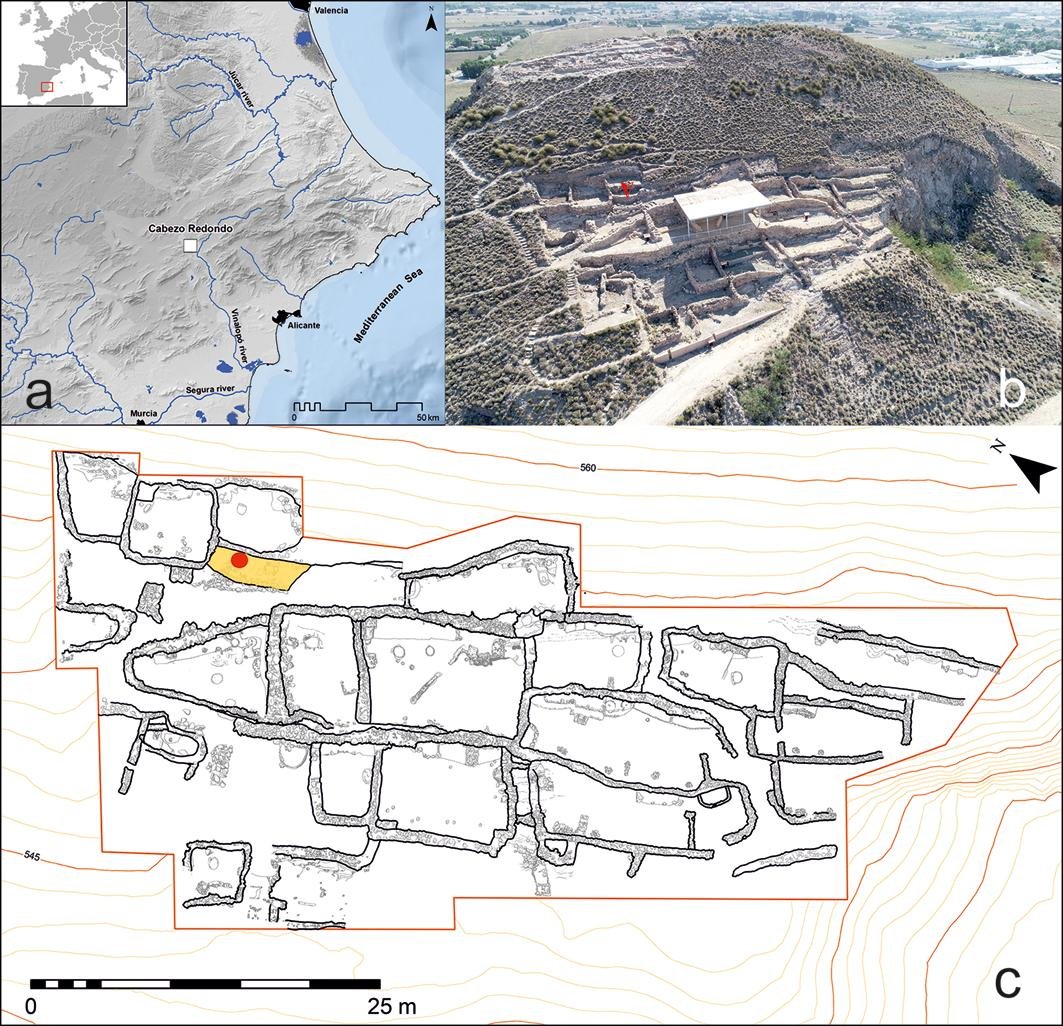
The site lies near Villena in southeastern Spain. Excavations there have exposed a dense settlement with houses built close together, along with storage areas and spaces used for daily work. The room examined in this study contained a group of clay weights arranged in straight, parallel rows.
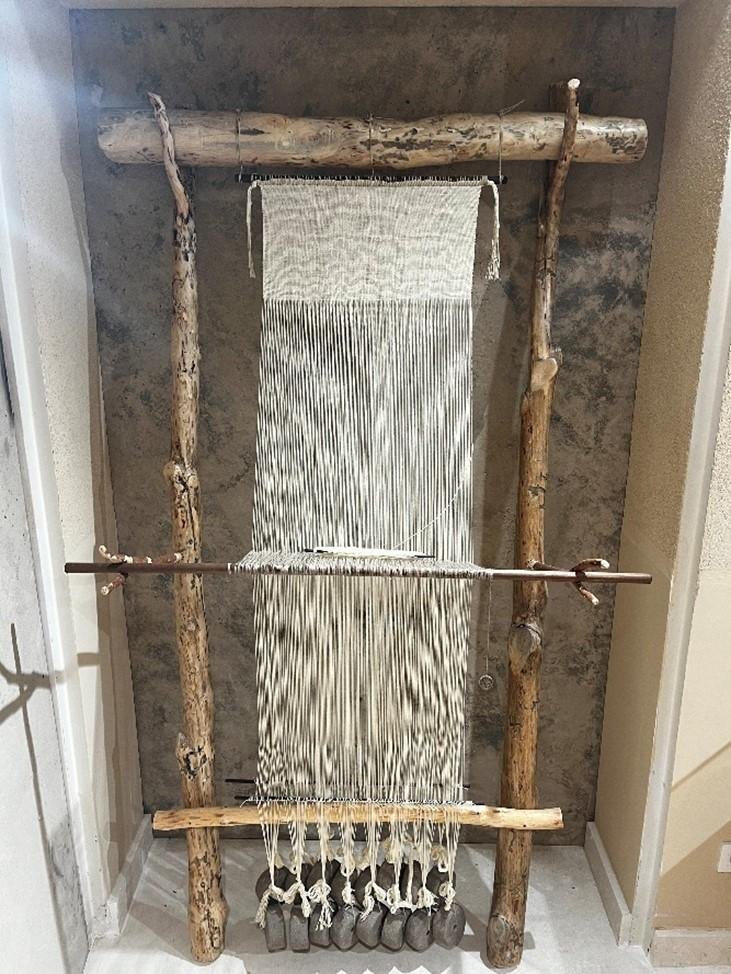
Their layout matches a vertical warp-weighted loom. In this type of loom, threads hang down and weights keep them under tension. The position of the weights suggests the loom stood in place when the building fell out of use. The rows remain aligned, which points to a structure left behind rather than a pile of moved objects.
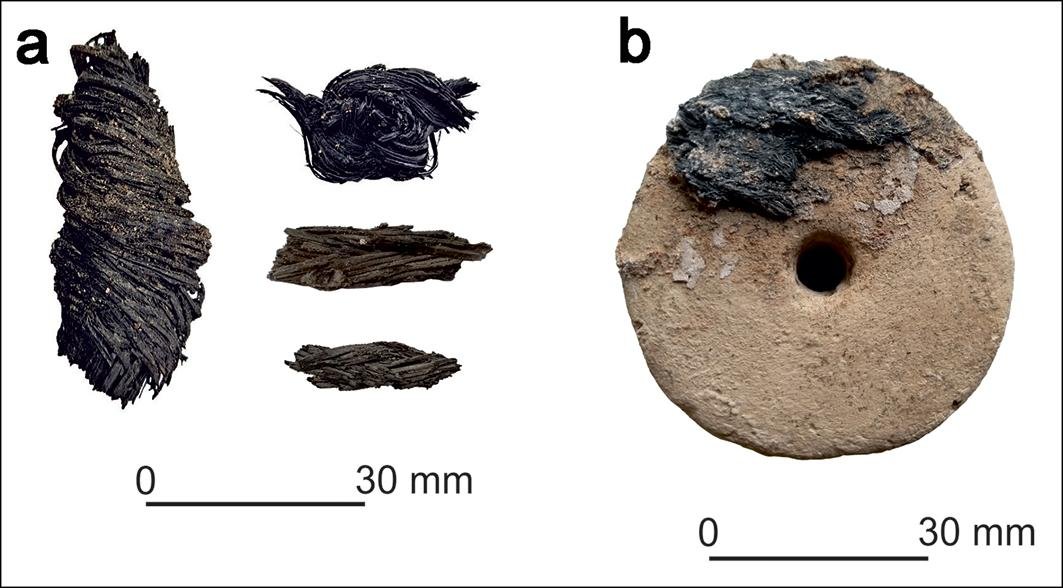
The team recorded dozens of weights, many with similar shapes and sizes. Some show wear marks linked to repeated tension from fibers. Differences in weight suggest adjustments in thread spacing or tension, which would affect the thickness and texture of the cloth.
The loom stood inside a room used for daily activities. Storage jars and household items appeared nearby. This setting places textile work within the home rather than in a separate workshop. Weaving formed part of routine tasks carried out in shared spaces.
Other buildings at Cabezo Redondo have produced loom weights as well, though often scattered. This example stands out because the original layout remains visible. The pattern allows a direct reconstruction of how the loom worked and how much space it occupied.
Finds like this help clarify the scale of textile production at the settlement. Households appear to have taken part in making cloth, using tools set up in living spaces. The work required time and skill, along with access to fibers such as wool or plant material.
The preserved arrangement offers a rare look at a working tool left where people last used it. The evidence from Cabezo Redondo adds detail to how weaving took place in Bronze Age Iberia and how domestic spaces supported everyday production.



Disclaimer: This website is a science-focused magazine that welcomes both academic and non-academic audiences. Comments are written by users and may include personal opinions or unverified claims. They do not necessarily reflect the views of our editorial team or rely on scientific evidence.
Comment Policy: We kindly ask all commenters to engage respectfully. Comments that contain offensive, insulting, degrading, discriminatory, or racist content will be automatically removed.