
Archaeologists working at the site of Sheffield Castle have completed a detailed survey of a medieval well hidden beneath the former fortress. The structure once supplied fresh water to people living inside the castle walls and played an important role during periods of conflict, including the English Civil War.
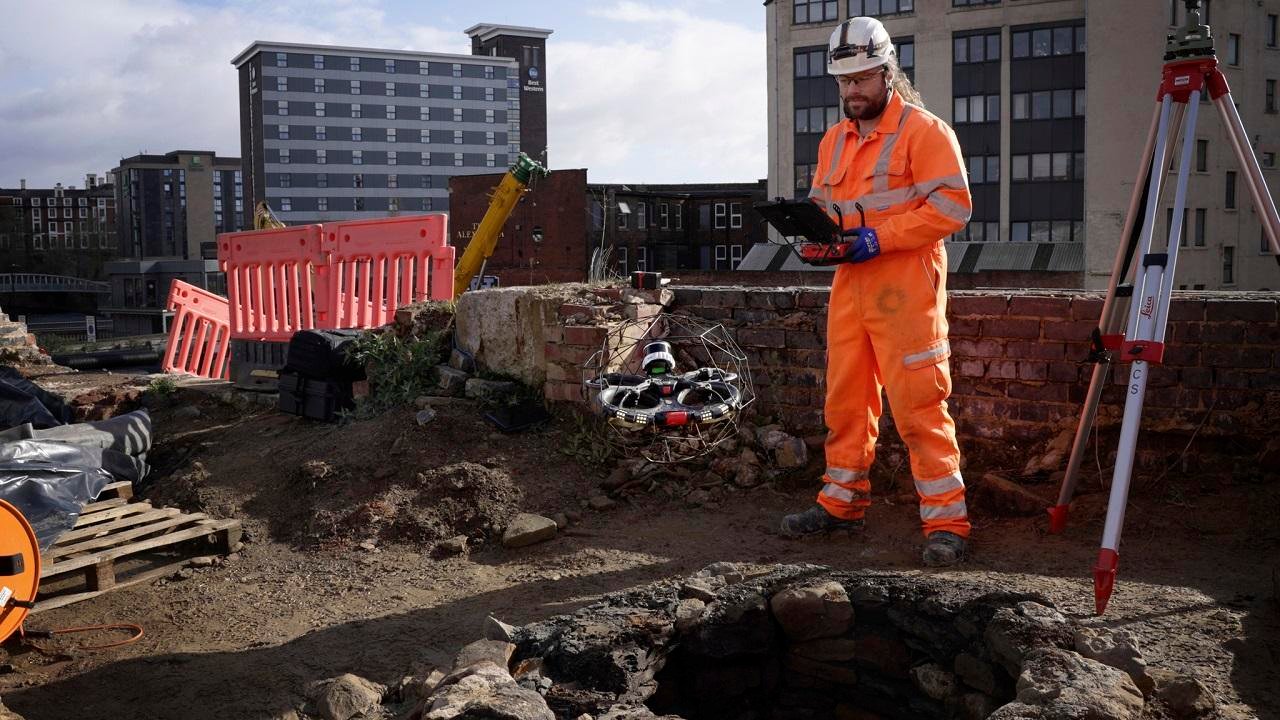
The work was carried out by Wessex Archaeology alongside FlyThru during excavations linked to Sheffield City Council’s Castlegate Regeneration Project. Researchers examined the well using a drone protected by a metal cage, which descended into the narrow shaft and captured hundreds of photographs. Those images were later combined into a detailed 3D model of the interior.
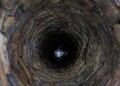
The well sits inside the Norman motte, the raised mound at the center of the medieval castle complex. Archaeologists recorded the shaft at around 12.5 meters deep. Stone lining survives near the top before the well cuts directly into solid bedrock. The survey also confirmed that water still sits at the bottom after centuries underground.
Ashley Tuck, Research Manager at Wessex Archaeology, said the well would have been essential for people living and working inside the castle every day, especially during sieges when access to water from outside the walls was impossible.
Sheffield Castle stood near the meeting point of the Rivers Don and Sheaf. Built soon after the Norman Conquest, the fortress became one of the region’s main centers of power for several centuries. During the Civil War in the 1640s, Parliamentarian forces besieged the castle before the site was later dismantled.

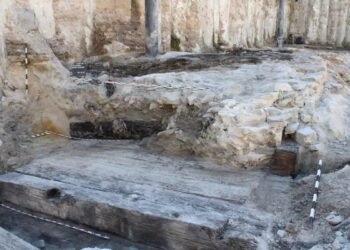
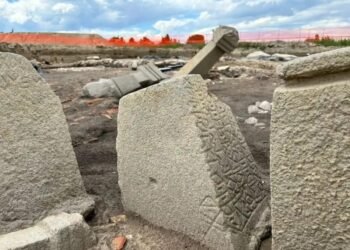
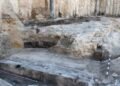
Although most of the castle disappeared long ago, excavations beneath the modern city center continue to uncover parts of the medieval stronghold. Archaeologists have already identified walls, buildings, and other buried features linked to daily life inside the fortress. The newly surveyed well adds another piece to that picture.
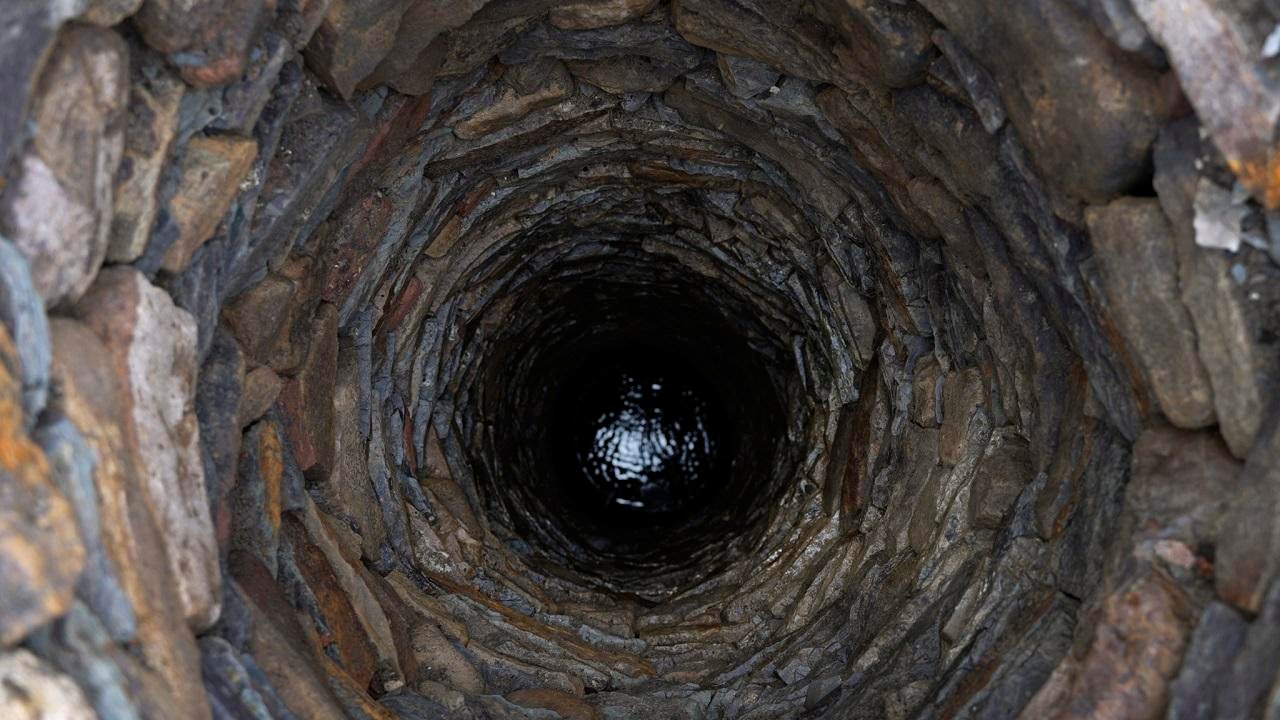
Researchers believe the structure offers rare physical evidence of how people survived during wartime. A secure water source inside castle walls often determined how long defenders could hold out during a siege. The well also supported ordinary routines during peaceful periods, supplying water for cooking, cleaning, and other daily needs.
The latest survey allowed archaeologists to study the shaft without damaging the fragile remains. The 3D model recorded construction details that are difficult to see from the surface and created a permanent digital record of the feature.
The excavation forms part of a wider redevelopment project aimed at transforming Sheffield’s historic Castlegate district into a new public green space. Officials plan to expose the medieval well so visitors will be able to see part of the castle’s buried history for themselves.
More information: Wessex Archaeology





Disclaimer: This website is a science-focused magazine that welcomes both academic and non-academic audiences. Comments are written by users and may include personal opinions or unverified claims. They do not necessarily reflect the views of our editorial team or rely on scientific evidence.
Comment Policy: We kindly ask all commenters to engage respectfully. Comments that contain offensive, insulting, degrading, discriminatory, or racist content will be automatically removed.