• About
  • Privacy Policy
  • Terms of Use
  • Donation
  • Contact
No Result
View All Result
Archaeology News
  • Home
  • News
    • Archaeology
    • Anthropology
    • Paleontology
  • Academic
    • Books
    • Conferences
    • Universities
  • Articles
  • VR Tours
  • Quiz & Game
  • Download
  • Encyclopedia
  • Forum
Archaeology News
No Result
View All Result
Home News Archaeology

Nondestructive DNA sampling uncovers 1,300 years of history preserved in ancient parchments

by Dario Radley
May 22, 2026

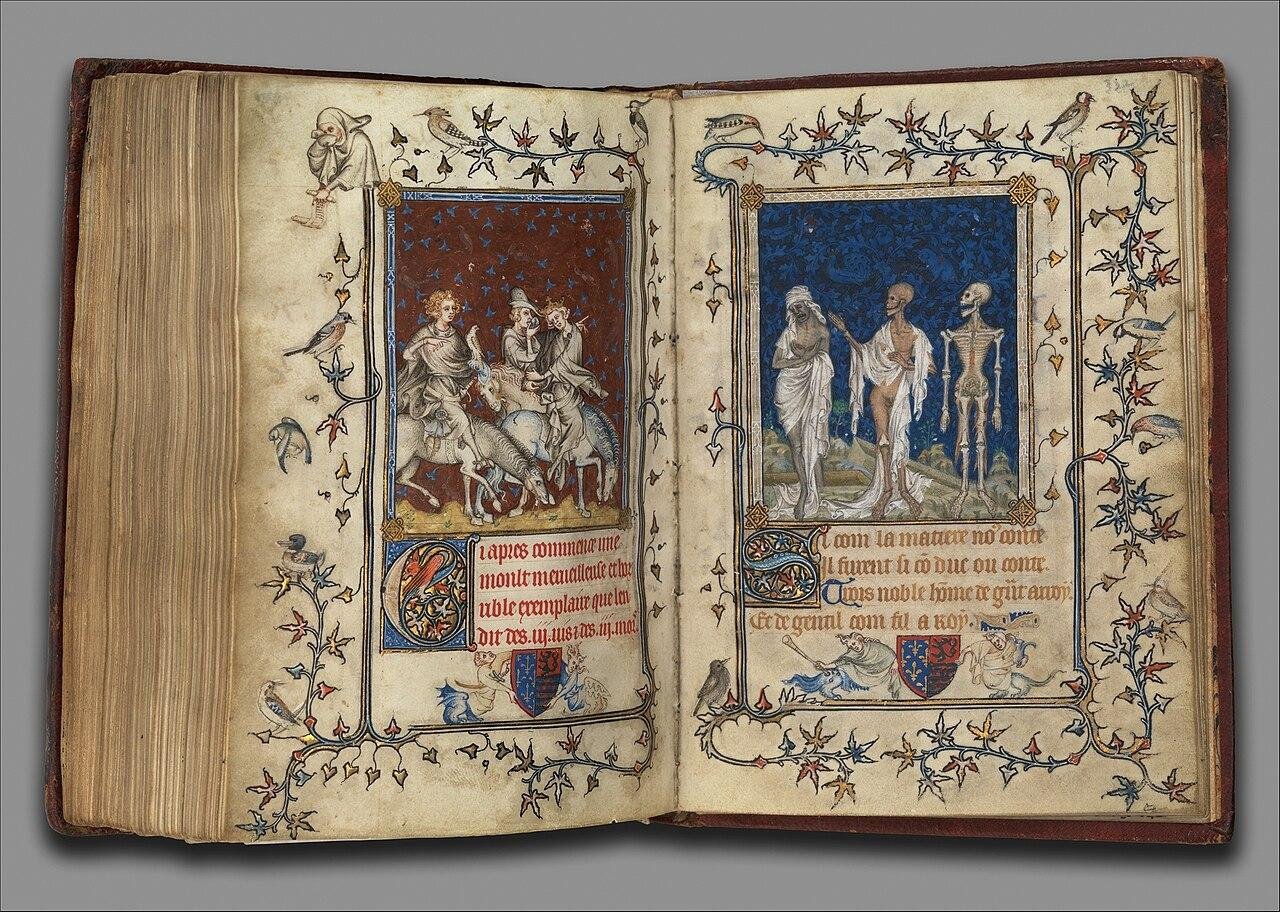
Researchers have developed a way to study DNA preserved inside ancient parchment manuscripts without damaging the documents. The work focused on animal skins used to produce manuscripts dating from the eighth century through the early 1900s. By analyzing genetic material from those skins, the team gathered new information about livestock farming, parchment production, and trade patterns across several regions.
Nondestructive DNA sampling uncovers 1,300 years of history preserved in ancient parchments
Jean Le Noir. Miniature from Psalter of Bonne of Luxemburg, 1348-49 CE, Metropolitan Museum. Public domain

The study appeared in the journal Manuscript Studies. Researchers examined 91 parchment manuscripts preserved at Duke University’s David M. Rubenstein Rare Book & Manuscript Library. The collection included religious texts, scrolls, legal records, fragments, and manuscripts written in several languages. The documents came from England, different parts of Europe, the Middle East, and northeastern Africa.

For more than a thousand years, parchment served as the main writing material across Europe and much of the Mediterranean region. Unlike paper, parchment came from animal hides, usually sheep, goats, or cattle. Millions of parchment documents still survive in libraries and museums today. Researchers involved in the study describe those collections as a large biological archive preserved across centuries.

Scientists faced a major obstacle for years. Traditional ancient DNA studies often require researchers to cut, scrape, or drill into material samples. Archivists and conservation experts rarely allow such methods on rare manuscripts because even small damage matters when dealing with cultural heritage objects.

The team used a different technique. Researchers gently rubbed the parchment with small cytology brushes, the same type often used in medical testing. The brushes collected tiny traces of cells from the surface without leaving visible damage.

RelatedStories

Ancient Venetic sanctuary with rare inscriptions unearthed beneath road project in Italy

Ancient Venetic sanctuary with rare inscriptions unearthed beneath road project in Italy

May 21, 2026
Ancient texts reveal how Persian and Greek rule shaped language in Central Asia

Ancient texts reveal how Persian and Greek rule shaped language in Central Asia

May 20, 2026

After sampling, scientists extracted DNA from the brushes and analyzed the material with next-generation sequencing technology. These sequencing methods work well with old and fragmented DNA, which often survives in poor condition inside ancient material.

Researchers processed 351 samples from the manuscripts. Around 58 percent passed strict quality tests required for species identification. Among the authenticated samples, 129 came from sheep, 42 from cattle, 32 from goats, and one from pig skin.
Nondestructive DNA sampling uncovers 1,300 years of history preserved in ancient parchments
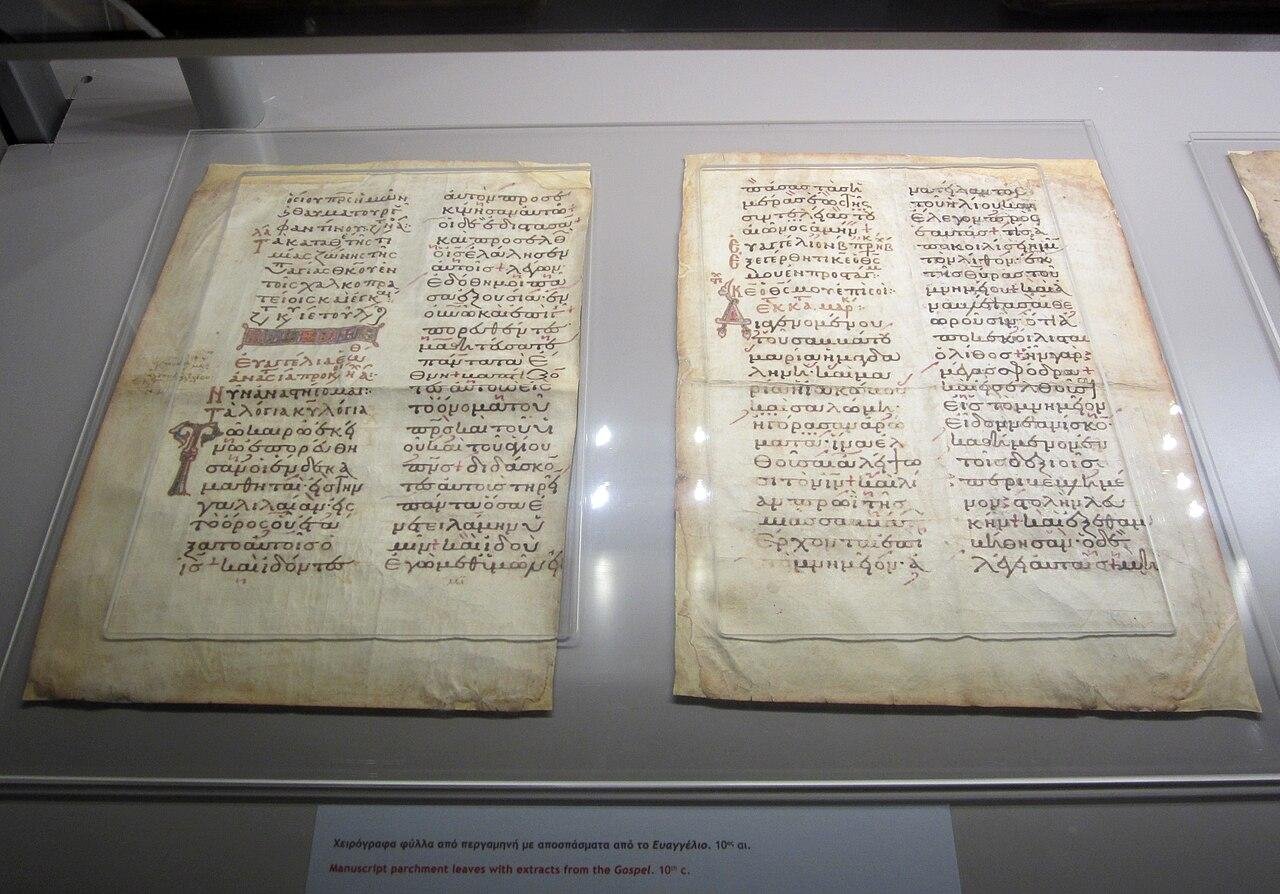
Manuscripts with extracts from the Gospel, 10th century. Historical Museum of Crete, Heraklion (Iraklion), Crete, Greece. Credit: Tomisti, CC BY-SA 4.0

The results matched regional farming patterns from the medieval and early modern periods. English manuscripts relied heavily on sheepskin parchment. Sheep accounted for about 80 percent of authenticated English samples, which fits the long history of wool production in England.

A twelfth-century English manuscript received special attention during the project. Researchers sampled every bifolium, or folded sheet, in the manuscript. All tested pages came from sheep parchment. Scientists compared the manuscript with earlier studies of other medieval books where scribes appeared to mix calfskin and sheepskin in deliberate patterns.

Southern European manuscripts showed a more balanced mix of goat, sheep, and cattle parchment. Ethiopian manuscripts mainly used goatskin. Samples linked to West Asia relied entirely on sheepskin in authenticated results.

The genetic data also offered clues about relationships between animals used in manuscript production. Some samples from the same document shared similar maternal genetic markers, suggesting related animals supplied the skins. Researchers hope future studies help identify whether medieval workshops relied on local herds or larger trade networks.

The study belongs to a growing field called biocodicology, which examines manuscripts through biological traces preserved inside them. Earlier work in the field identified unusual patterns in parchment selection. One medieval manuscript, for example, included a single goatskin page placed after a biblical passage mentioning a young goat.

Researchers believe parchment preserves far more than animal DNA. The material also contains traces of bacteria, viruses, insects, rodents, and human handling collected over centuries. Future projects aim to study livestock diseases, historical breeding practices, and the spread of animal populations across regions.

Estimates suggest between one and three billion parchment fragments and documents still survive worldwide. Together, those materials preserve a long biological record linked to farming, trade, religion, and manuscript production across more than a thousand years.
Publication: Stinson, T. L., Scheible, M. K. R., Thomas, R., Wagner, N. E., Breen, M., Callahan, B. J., & Meiklejohn, K. (2026). Adventures in the animal archive: New techniques for the genetic analysis of parchment manuscripts. Manuscript Studies A Journal of the Schoenberg Institute for Manuscript Studies, 11(1), 136–169. doi:10.1353/mns.2026.a990234
More information: North Carolina State University

Share:

Share on Facebook Share on X (Twitter) Share on LinkedIn Share on Pinterest Share on WhatsApp Share on Email

You May Also Like...

2,300-year-old Iron Age riverside structure discovered beneath German city astonishes archaeologists
Archaeology

2,300-year-old Iron Age riverside structure discovered beneath German city

May 22, 2026
100 Abbasid-era gold jewelry pieces found at ancient Dariyah site in Saudi Arabia
Archaeology

100 Abbasid-era gold jewelry pieces found at ancient Dariyah site in Saudi Arabia

May 22, 2026
Neanderthals gathered shellfish like modern humans 115,000 years ago, study finds
Anthropology

Neanderthals gathered shellfish like modern humans 115,000 years ago, study finds

May 21, 2026
Ancient pigeons were already living alongside humans 3,400 years ago, study finds
Archaeology

Ancient pigeons were already living alongside humans 3,400 years ago, study finds

May 21, 2026
Ancient Venetic sanctuary with rare inscriptions unearthed beneath road project in Italy
Archaeology

Ancient Venetic sanctuary with rare inscriptions unearthed beneath road project in Italy

May 21, 2026
1,000-year-old dingo burial in Australia reveals deep ties between Barkindji people and dingoes
Archaeology

1,000-year-old ritually buried dingo in Australia reveals deep ties between Barkindji people and dingoes

May 20, 2026

Comments 0

  1. Editorial Team says:
    1 second ago

    Disclaimer: This website is a science-focused magazine that welcomes both academic and non-academic audiences. Comments are written by users and may include personal opinions or unverified claims. They do not necessarily reflect the views of our editorial team or rely on scientific evidence.

    Comment Policy: We kindly ask all commenters to engage respectfully. Comments that contain offensive, insulting, degrading, discriminatory, or racist content will be automatically removed.

    Reply

Leave a Reply Cancel reply

Your email address will not be published. Required fields are marked *

Follow us


Instagram
242K

Facebook
117K

Threads
46K

LinkedIn
14K

Twitter
6K

YouTube
1K
Nondestructive DNA sampling uncovers 1,300 years of history preserved in ancient parchments

Nondestructive DNA sampling uncovers 1,300 years of history preserved in ancient parchments

May 22, 2026
2,300-year-old Iron Age riverside structure discovered beneath German city astonishes archaeologists

2,300-year-old Iron Age riverside structure discovered beneath German city

May 22, 2026
100 Abbasid-era gold jewelry pieces found at ancient Dariyah site in Saudi Arabia

100 Abbasid-era gold jewelry pieces found at ancient Dariyah site in Saudi Arabia

May 22, 2026
Neanderthals gathered shellfish like modern humans 115,000 years ago, study finds

Neanderthals gathered shellfish like modern humans 115,000 years ago, study finds

May 21, 2026

Archaeology News online magazine

Archaeology News is an international online magazine that covers all aspects of archaeology.


Categories

  • Academics
    • Books
    • Conferences
    • Universities
  • Articles
  • Download
  • Game
  • News
    • Anthropology
    • Archaeology
    • Paleontology
  • Quiz
  • Tours

Subscribe to our newsletter

© 2024 - Archaeology News Online Magazine. All Rights Reserved.

  • About
  • Privacy Policy
  • Terms of Use
  • Donation
  • Contact

Manage Consent
To provide the best experiences, we use technologies like cookies to store and/or access device information. Consenting to these technologies will allow us to process data such as browsing behavior or unique IDs on this site. Not consenting or withdrawing consent, may adversely affect certain features and functions.
Functional Always active
The technical storage or access is strictly necessary for the legitimate purpose of enabling the use of a specific service explicitly requested by the subscriber or user, or for the sole purpose of carrying out the transmission of a communication over an electronic communications network.
Preferences
The technical storage or access is necessary for the legitimate purpose of storing preferences that are not requested by the subscriber or user.
Statistics
The technical storage or access that is used exclusively for statistical purposes. The technical storage or access that is used exclusively for anonymous statistical purposes. Without a subpoena, voluntary compliance on the part of your Internet Service Provider, or additional records from a third party, information stored or retrieved for this purpose alone cannot usually be used to identify you.
Marketing
The technical storage or access is required to create user profiles to send advertising, or to track the user on a website or across several websites for similar marketing purposes.
  • Manage options
  • Manage services
  • Manage {vendor_count} vendors
  • Read more about these purposes
View preferences
  • {title}
  • {title}
  • {title}
  • Home
  • News
    • Archaeology
    • Anthropology
    • Paleontology
  • Academic
    • Books
    • Conferences
    • Universities
  • Articles
  • VR Tours
  • Quiz & Game
  • Download
  • Encyclopedia
  • Forum

About  .  Contact  .  Donation

© 2024 - Archaeology News Online Magazine. All Rights Reserved