
Nottingham has reached a recorded milestone of 1,000 caves beneath its streets, a number built through years of archaeological work and historical research. The city sits on soft sandstone, a material easy to carve, which allowed generations to create underground spaces across centuries.
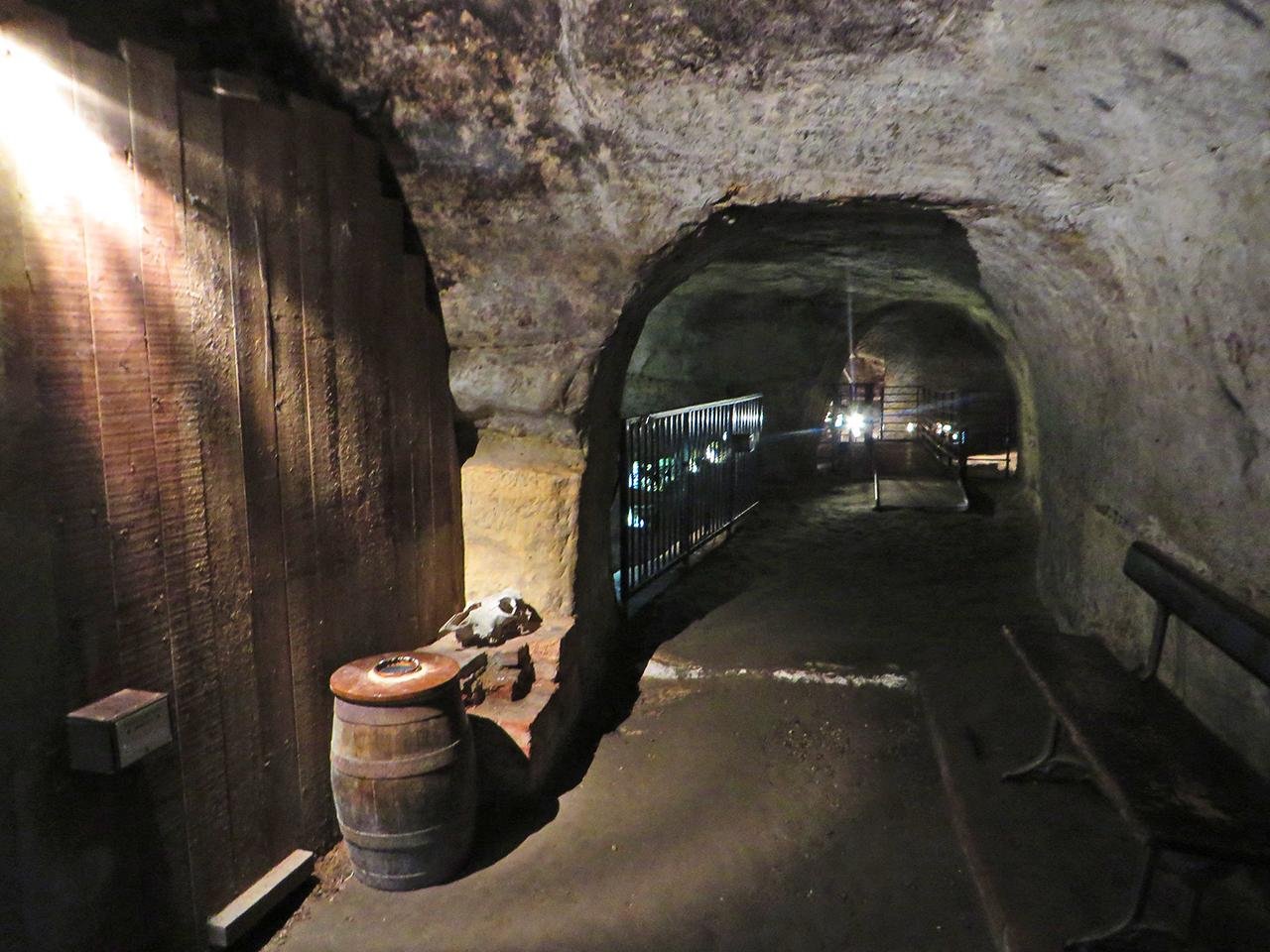
Systematic recording began in the late 2000s, when known cave sites stood at around 425. Since then, the documented total has grown steadily, now more than doubling the original count. Recent years brought a faster rise, with dozens of new entries added annually through document research and field investigation.
The caves span a long timeline. Early references appear in historical accounts from the first millennium, including a description of Nottingham as a “house of caves” by a ninth-century writer. Many surviving spaces date to the medieval period, when sandstone excavation became common for storage, work areas, and shelter. Later centuries added new uses, including beer storage beneath public houses, industrial tanning and malting areas, and residential spaces during periods of overcrowding in the nineteenth century.
One area beneath the former Broadmarsh shopping district preserves traces of Drury Hill, once part of dense housing in Narrow Marsh. Residents lived in cave-like rooms carved into the rock, reflecting limited surface space during rapid urban growth. Other caves remain connected to commercial buildings across the city, especially pubs where cool underground chambers suited storage of beer barrels.
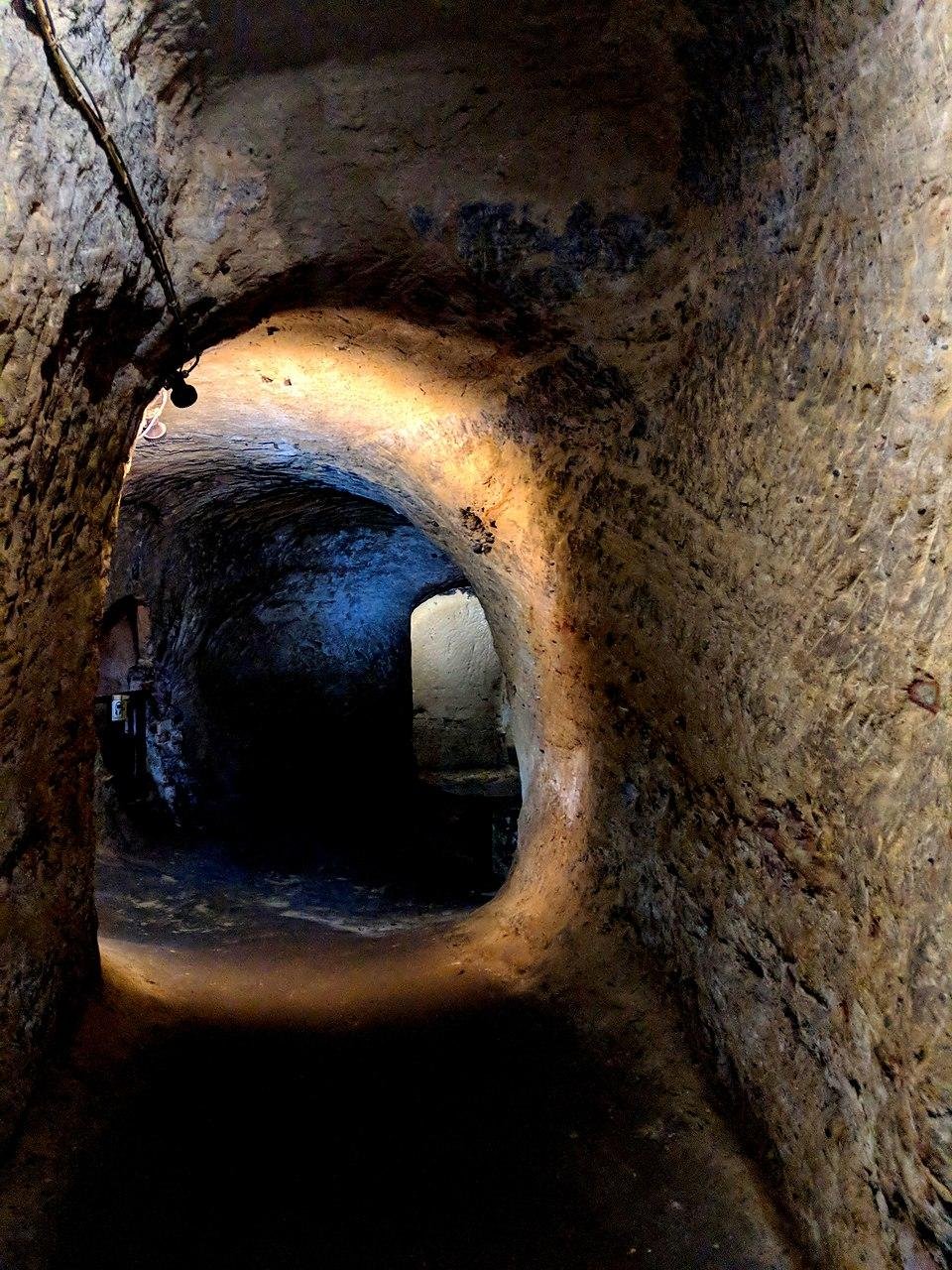
During the Second World War, sections of the cave network served as air raid shelters. This later use added another layer to a system already shaped by centuries of adaptation. Many sites still exist beneath private property, often unknown to current owners until research identifies their presence through historic maps, deeds, and municipal records.
City archaeologist Scott Lomax leads much of the current documentation effort. His work relies heavily on archival material, with hundreds of historical references still under review. He expects additional discoveries as research continues, noting hundreds of records remain unprocessed. The pattern of findings suggests the final total will rise further in coming years.
The caves are not evenly distributed or fully visible. Many lie beneath modern buildings, some sealed, others accessible through protected entry points. A portion forms part of visitor attractions, including the City of Caves site, where sections of former industrial and residential underground spaces remain open for public viewing.
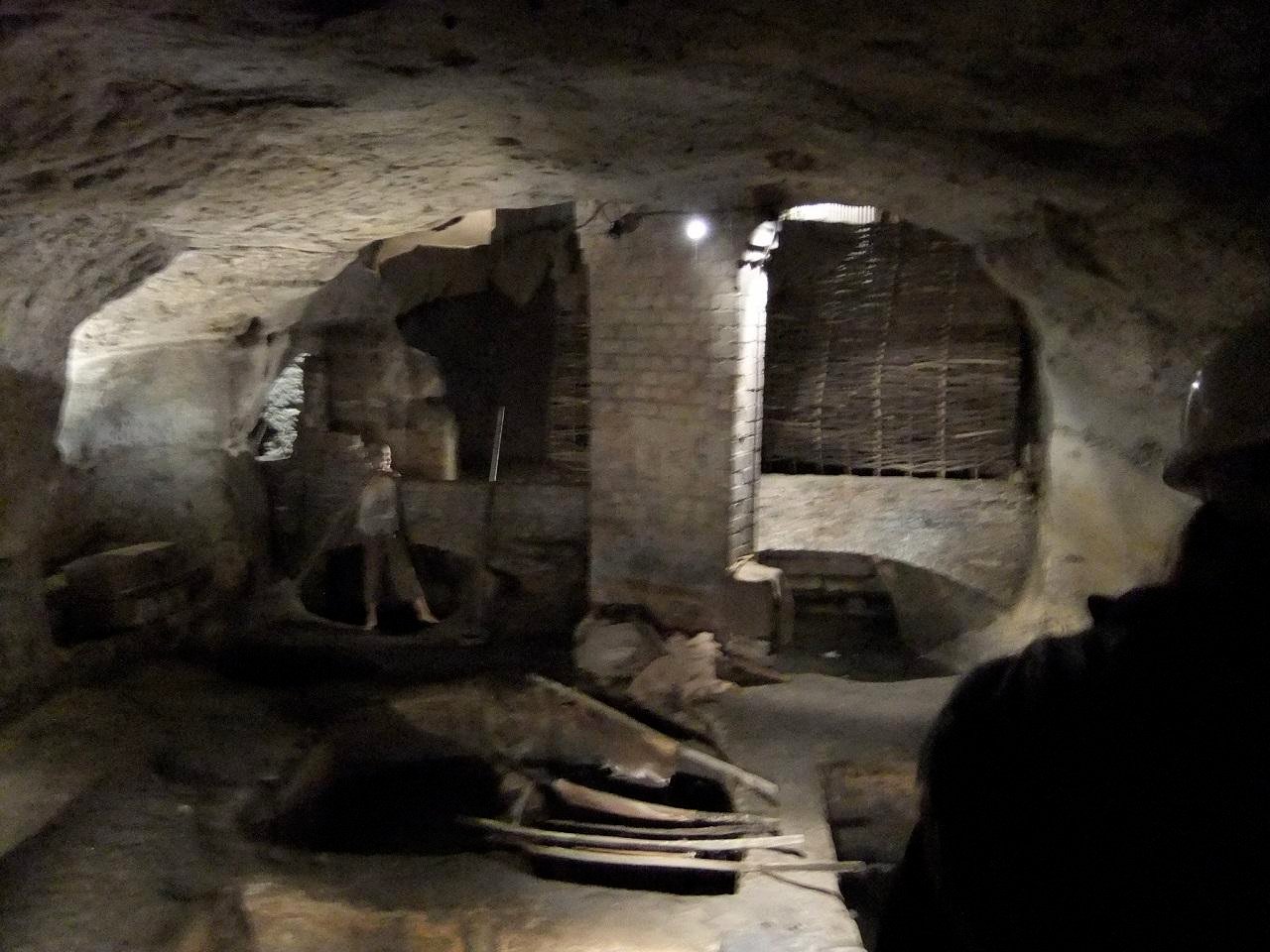
Concerns about structural risk often arise among property owners, though assessments indicate most cave systems remain stable. In several cases, spaces beneath homes have been adapted for modern use after inspection, including recreational rooms. Archaeological guidance focuses on mapping locations before construction work begins, reducing accidental damage and preserving remaining structures.
Research methods combine archival study with on-site verification during redevelopment projects. Construction activity continues to reveal previously unrecorded chambers, including an eighteenth-century sand mine, a nineteenth-century beer cellar, and tunnels extending beyond recorded boundaries. Each discovery adds detail to a landscape shaped over roughly a thousand years of human activity.
The expanding record highlights how deeply underground structures remain tied to Nottingham’s development. What began as isolated excavations evolved into a dense network reflecting shifts in housing, industry, commerce, and wartime survival.
More information: Nottingham City Gov




Disclaimer: This website is a science-focused magazine that welcomes both academic and non-academic audiences. Comments are written by users and may include personal opinions or unverified claims. They do not necessarily reflect the views of our editorial team or rely on scientific evidence.
Comment Policy: We kindly ask all commenters to engage respectfully. Comments that contain offensive, insulting, degrading, discriminatory, or racist content will be automatically removed.