• About
  • Privacy Policy
  • Terms of Use
  • Donation
  • Contact
No Result
View All Result
Archaeology News
  • Home
  • News
    • Archaeology
    • Anthropology
    • Paleontology
  • Academic
    • Books
    • Conferences
    • Universities
  • Articles
  • VR Tours
  • Quiz & Game
  • Download
  • Encyclopedia
  • Forum
Archaeology News
No Result
View All Result
Home News Anthropology

Archaeologists uncover Celtic burial ground, Slavic graves, and Neolithic settlement in Czechia

by Dario Radley
November 29, 2024

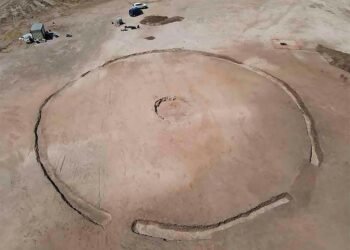
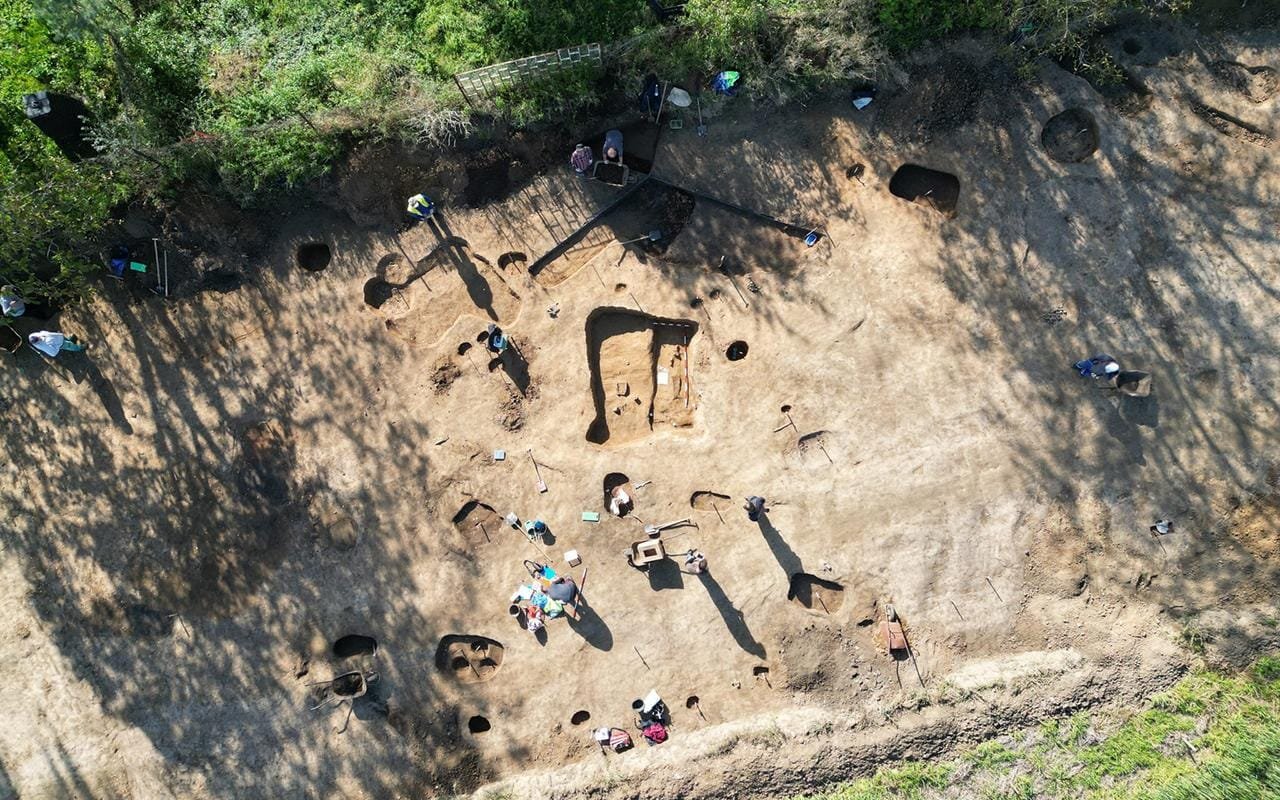
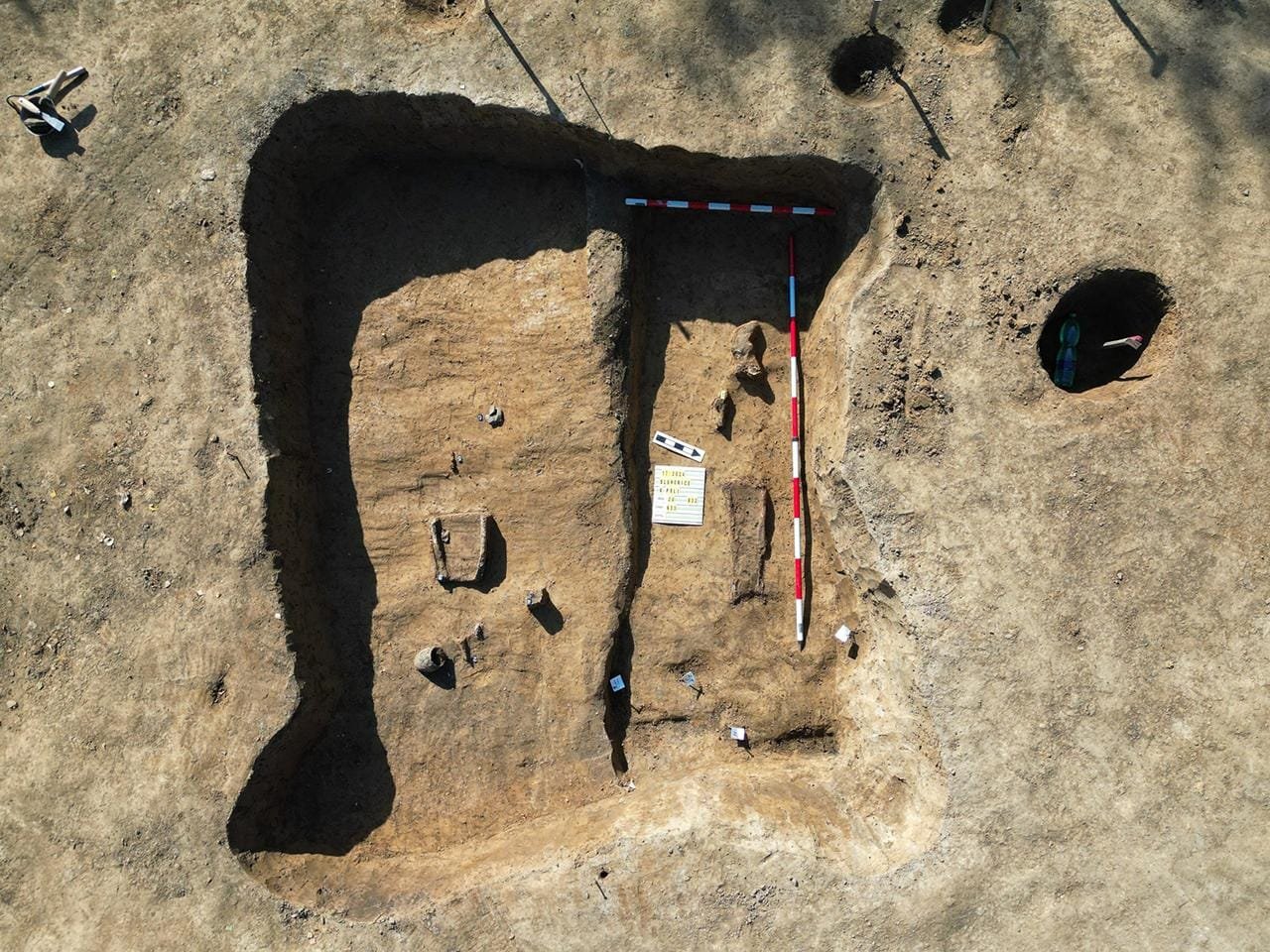
Archaeologists from the Archaeological Center of Olomouc have unearthed a significant historical site in Dluhonice, near Přerov in Czechia. The excavation, carried out over a 250 × 15-meter area between mid-September and November, revealed traces of three major cultural periods: a Celtic cremation cemetery from the 3rd–2nd century BCE, Slavic graves from the 9th–10th century CE, and a Neolithic settlement dating back to approximately 5000 BCE.
Archaeologists uncover Celtic burial ground, Slavic graves, and Neolithic settlement in Czechia
Archaeologists have unearthed a significant historical site in Dluhonice, near Přerov in Czechia. Credit: Olomouc Archaeological Centre

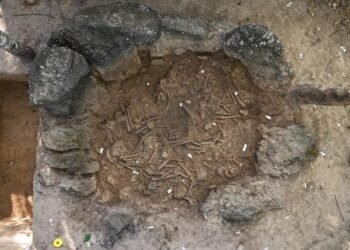
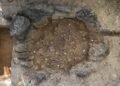
One of the most striking discoveries was a La Tène culture cremation cemetery containing 33 graves, the largest concentration of Celtic cremations found in central Moravia. Unlike most Celtic burial sites in the region, which typically contain skeletal remains, this necropolis showcases cremation—a practice less documented in this area. “This is an exceptional find because Celtic graves from other sites are typically skeletal and in smaller numbers,” said chief archaeologist Marek Kalábek.

The most prominent burial belonged to a warrior, identified as a member of the elite due to the grave goods found alongside him. These included an iron sword stored in a leather scabbard, a spear, and a belt. “The double-edged iron sword was used in combat or for defense. Other graves were simpler, containing items such as bronze fibulae, ceramic vessels, and iron tools. These modest burials offer rare insights into the lives of lower-class Celts. “Through these finds, we gain unique information about individuals whose existence was previously only sparsely evidenced,” Kalábek added.

The cremation process, performed at temperatures around 600°C, left only small bone fragments, presenting challenges for analysis. Anthropologist Lukáš Šín noted, “The shape of the fibula is characteristic of this period, and its craftsmanship helps us date the findings more precisely.”
Archaeologists uncover Celtic burial ground, Slavic graves, and Neolithic settlement in Czechia
The excavation also uncovered graves from the Great Moravian Empire, dated to the 9th–10th century CE. Credit: Olomouc Archaeological Centre

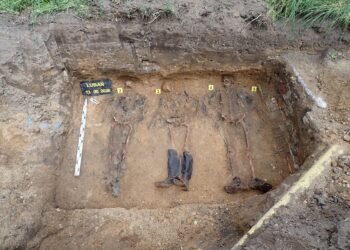
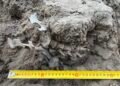
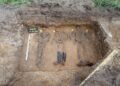
The excavation also uncovered graves from the Great Moravian Empire, dated to the 9th–10th century CE. These skeletal graves followed traditional Christian burial customs, with bodies oriented westward and legs extended. A standout discovery was a double grave and the burial of a woman placed on a wooden bier, a rare occurrence due to the usual decomposition of organic materials. Her grave goods included a ceramic vessel, a fire-starting kit, and an iron sickle with a wooden handle. “This is an exceptionally well-preserved artifact,” said Šín.
RelatedStories

6,000-year-old necropolis in Spain rewrites origins of Europe’s first megalithic tombs

6,000-year-old necropolis in Spain rewrites origins of Europe’s first megalithic tombs

May 18, 2026
Ancient Danes kept fishing for millennia after farming arrived, study finds

Ancient Danes kept fishing for millennia after farming arrived, study finds

May 14, 2026

Other graves from this era were modest, containing items like small bronze earrings, iron knives, and flint fire-starting kits. These finds suggest the interred were farmers of humble means.

The earliest layer of the site dates to the Neolithic period and is associated with the Linear Pottery culture. Over 300 structures, including longhouses, storage pits, and kilns, were identified. Archaeologists recovered artifacts such as ceramic shards, flint tools, polished stone axes, and grinding stones. Kalábek elaborated, “In addition to abundant pottery, we discovered flint tools and stone mills for grinding grain. These artifacts help us better understand the daily lives of prehistoric societies.”

The settlement’s storage pits, later repurposed as waste disposal sites, highlight the evolving use of the landscape over time.

After completing the fieldwork, all findings were transferred to the Archaeological Center of Olomouc for analysis and conservation. “In total, 51 graves and over 300 settlement structures were examined. We now face the task of analyzing and conserving the artifacts and compiling a detailed excavation report. The artifacts will be handed over to the Comenius Museum in Přerov,” Kalábek concluded.

More information: Olomouc Archaeological Centre
ShareTweetShareShareSend

You May Also Like...

1,000-year-old dingo burial in Australia reveals deep ties between Barkindji people and dingoes
Archaeology

1,000-year-old ritually buried dingo in Australia reveals deep ties between Barkindji people and dingoes

May 20, 2026
Ancient texts reveal how Persian and Greek rule shaped language in Central Asia
Archaeology

Ancient texts reveal how Persian and Greek rule shaped language in Central Asia

May 20, 2026
World War II mass grave in Poland reveals remains of German officer killed during Battle of Lauban
Anthropology

World War II mass grave in Poland reveals remains of German officer killed during Battle of Lauban

May 19, 2026
massive jar in Laos contained remains of 37 people, revealing ancient burial rituals and Asian trade links
Anthropology

Massive jar in Laos contained remains of 37 people, revealing ancient burial rituals and Asian trade links

May 19, 2026
6,000-year-old necropolis in Spain rewrites origins of Europe’s first megalithic tombs
Archaeology

6,000-year-old necropolis in Spain rewrites origins of Europe’s first megalithic tombs

May 18, 2026
Ancient settlement with weaving workshop and longhouses uncovered in Germany gravel pit
Archaeology

Ancient settlement with weaving workshop and longhouses uncovered in Germany gravel pit

May 17, 2026

Follow us


Instagram
242K

Facebook
117K

Threads
46K

LinkedIn
14K

Twitter
6K

YouTube
1K
1,000-year-old dingo burial in Australia reveals deep ties between Barkindji people and dingoes

1,000-year-old ritually buried dingo in Australia reveals deep ties between Barkindji people and dingoes

May 20, 2026
Ancient texts reveal how Persian and Greek rule shaped language in Central Asia

Ancient texts reveal how Persian and Greek rule shaped language in Central Asia

May 20, 2026
World War II mass grave in Poland reveals remains of German officer killed during Battle of Lauban

World War II mass grave in Poland reveals remains of German officer killed during Battle of Lauban

May 19, 2026
massive jar in Laos contained remains of 37 people, revealing ancient burial rituals and Asian trade links

Massive jar in Laos contained remains of 37 people, revealing ancient burial rituals and Asian trade links

May 19, 2026

Archaeology News online magazine

Archaeology News is an international online magazine that covers all aspects of archaeology.


Categories

  • Academics
    • Books
    • Conferences
    • Universities
  • Articles
  • Download
  • Game
  • News
    • Anthropology
    • Archaeology
    • Paleontology
  • Quiz
  • Tours

Subscribe to our newsletter

© 2024 - Archaeology News Online Magazine. All Rights Reserved.

  • About
  • Privacy Policy
  • Terms of Use
  • Donation
  • Contact

Manage Consent
To provide the best experiences, we use technologies like cookies to store and/or access device information. Consenting to these technologies will allow us to process data such as browsing behavior or unique IDs on this site. Not consenting or withdrawing consent, may adversely affect certain features and functions.
Functional Always active
The technical storage or access is strictly necessary for the legitimate purpose of enabling the use of a specific service explicitly requested by the subscriber or user, or for the sole purpose of carrying out the transmission of a communication over an electronic communications network.
Preferences
The technical storage or access is necessary for the legitimate purpose of storing preferences that are not requested by the subscriber or user.
Statistics
The technical storage or access that is used exclusively for statistical purposes. The technical storage or access that is used exclusively for anonymous statistical purposes. Without a subpoena, voluntary compliance on the part of your Internet Service Provider, or additional records from a third party, information stored or retrieved for this purpose alone cannot usually be used to identify you.
Marketing
The technical storage or access is required to create user profiles to send advertising, or to track the user on a website or across several websites for similar marketing purposes.
  • Manage options
  • Manage services
  • Manage {vendor_count} vendors
  • Read more about these purposes
View preferences
  • {title}
  • {title}
  • {title}
  • Home
  • News
    • Archaeology
    • Anthropology
    • Paleontology
  • Academic
    • Books
    • Conferences
    • Universities
  • Articles
  • VR Tours
  • Quiz & Game
  • Download
  • Encyclopedia
  • Forum

About  .  Contact  .  Donation

© 2024 - Archaeology News Online Magazine. All Rights Reserved