
Archaeologists in Norway have recovered more than 3,150 silver coins from a field near Rena, making the find the largest Viking Age coin hoard ever recorded in the country. Work at the site is still ongoing, and archaeologists expect more coins to appear as the search continues.
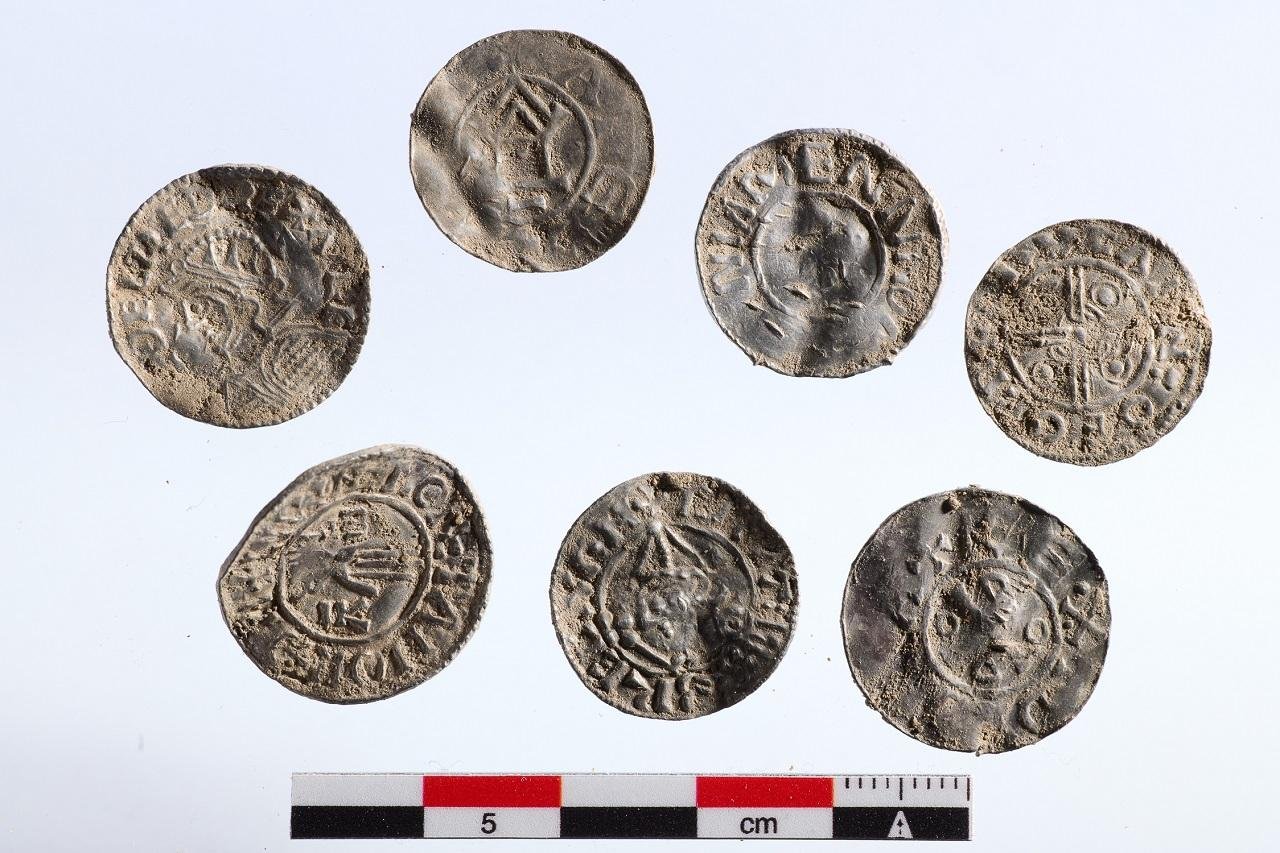
The find began on April 10 when two metal detectorists, Rune Sætre and Vegard Sørlie, located 19 silver coins while surveying farmland at Mørstad in Østerdalen. After finding the first group, they stopped their search and contacted county archaeologists. Their decision allowed professionals to secure the area before uncontrolled searching damaged the site.
At first, the team expected a small hoard. When archaeologists joined the search, the number rose to 70 coins on the first day. More coins kept appearing each day. The count soon passed 500, then 1,000, and later exceeded 3,000.
Researchers now refer to the collection as the Mørstad Hoard. Specialists from the Coin Cabinet at the Museum of Cultural History in Oslo date the coins from the late 10th century to around the 1040s. Based on the latest coins in the deposit, experts believe someone buried the hoard around 1050, near the final phase of the Viking Age.
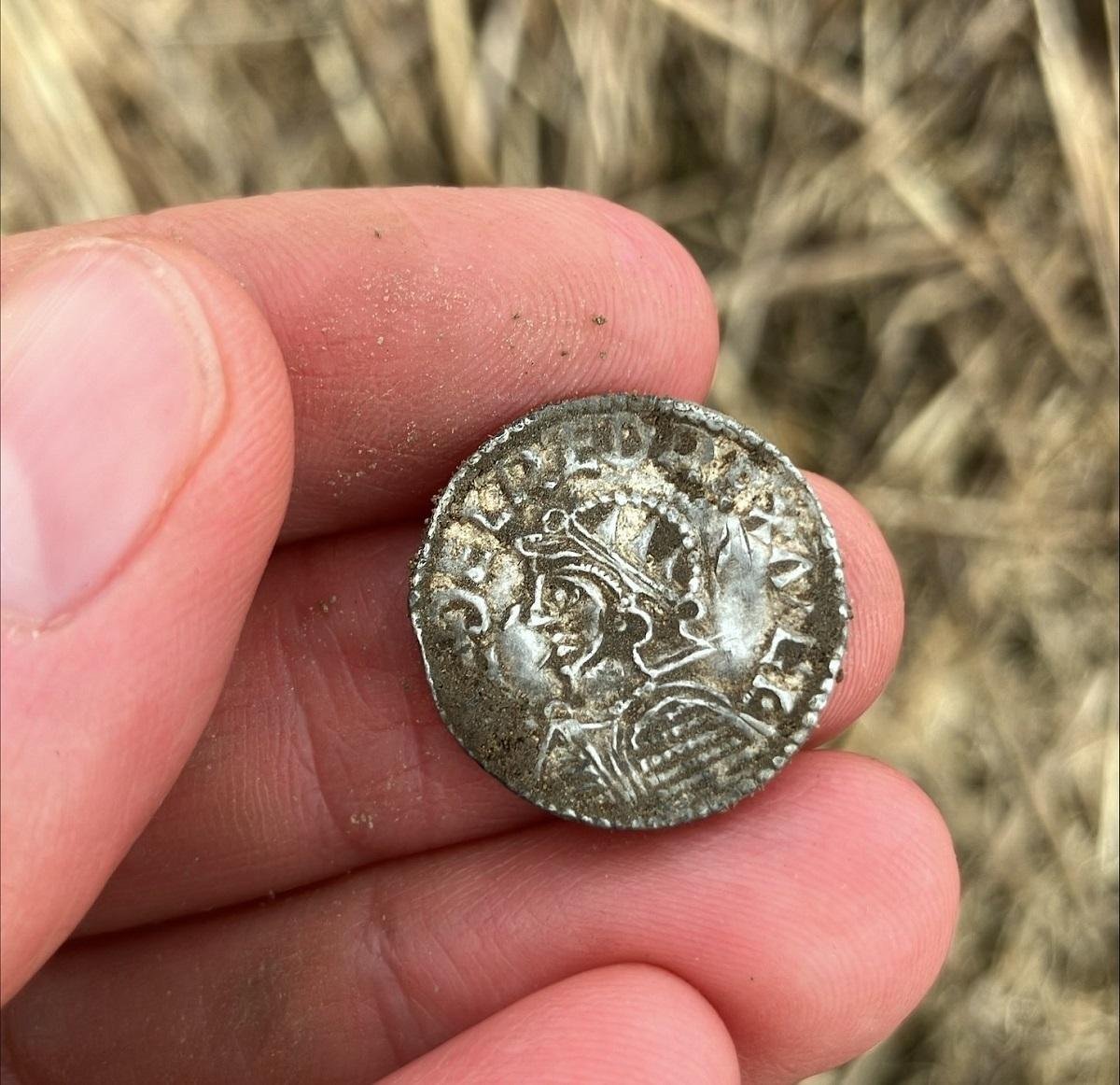
Most of the coins were minted in England and German territories. Smaller numbers came from Denmark and Norway. The hoard includes coins linked to rulers such as Cnut the Great, Æthelred II, Otto III, and Harald Hardrada.

The Norwegian coins have drawn special attention from researchers. Harald Hardrada ruled Norway from 1046 to 1066 and introduced a national coinage system after returning from Byzantium around 1045. Before his reforms, foreign silver coins dominated trade in Norway. Since some Norwegian coins in the hoard appear newly minted, archaeologists believe the deposit belongs to the early years of this monetary shift.
This dating gives the hoard historical importance beyond its size. The coins provide evidence of trade links between Norway and other parts of Europe during the 11th century. Silver from England and the German regions circulated widely in Scandinavia during this period, showing how connected Viking Age economies had become.
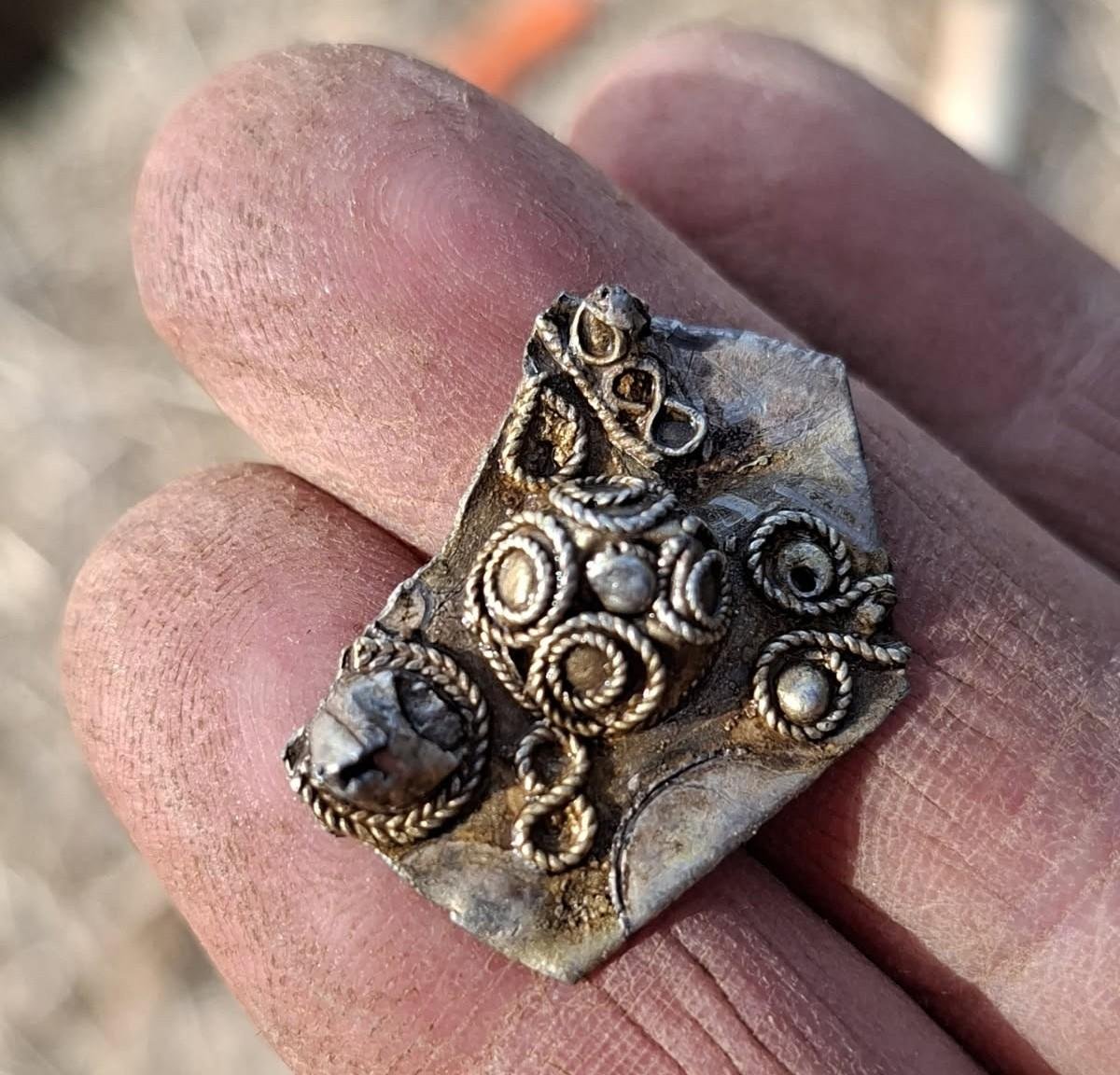
The coins are in strong condition. Archaeologists say the soil at the site contains little stone, which helped preserve the silver surfaces. Many coins still show sharp details and clear inscriptions after nearly 1,000 years underground.
Researchers believe the silver was originally buried inside a leather pouch or another organic container. Over time, the material decayed. Farming later scattered the coins through repeated plowing, spreading them across the field.
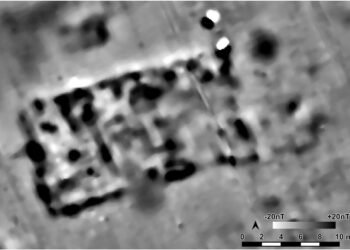
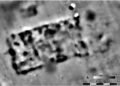
The area had never been searched by detectorists before. Archaeologists also used ground-penetrating radar to check for buried buildings, graves, or other features. So far, surveys have not identified any archaeological structures connected to the hoard.
This suggests the coins were intentionally hidden as a deposit. During the Viking Age, people often buried silver and other valuables for safekeeping during periods of instability or conflict.
Authorities delayed public announcement of the find until enough material had been recovered and secured. The site is now protected under Norwegian cultural heritage law and remains closed to visitors.
Archaeologists involved in the excavation describe the find as a rare event in Norwegian archaeology. With detectors still producing signals in the field, the final number of coins has not yet been reached.
More information: Innlandet County Municipality



Disclaimer: This website is a science-focused magazine that welcomes both academic and non-academic audiences. Comments are written by users and may include personal opinions or unverified claims. They do not necessarily reflect the views of our editorial team or rely on scientific evidence.
Comment Policy: We kindly ask all commenters to engage respectfully. Comments that contain offensive, insulting, degrading, discriminatory, or racist content will be automatically removed.