
Two infants buried nearly 1,700 years ago in Roman York were wrapped in one of the most expensive textiles in the Roman world, according to new research from the University of York. Scientists identified traces of Tyrian purple, a rare dye linked to emperors and wealthy elites, on fabrics preserved inside ancient gypsum burials.
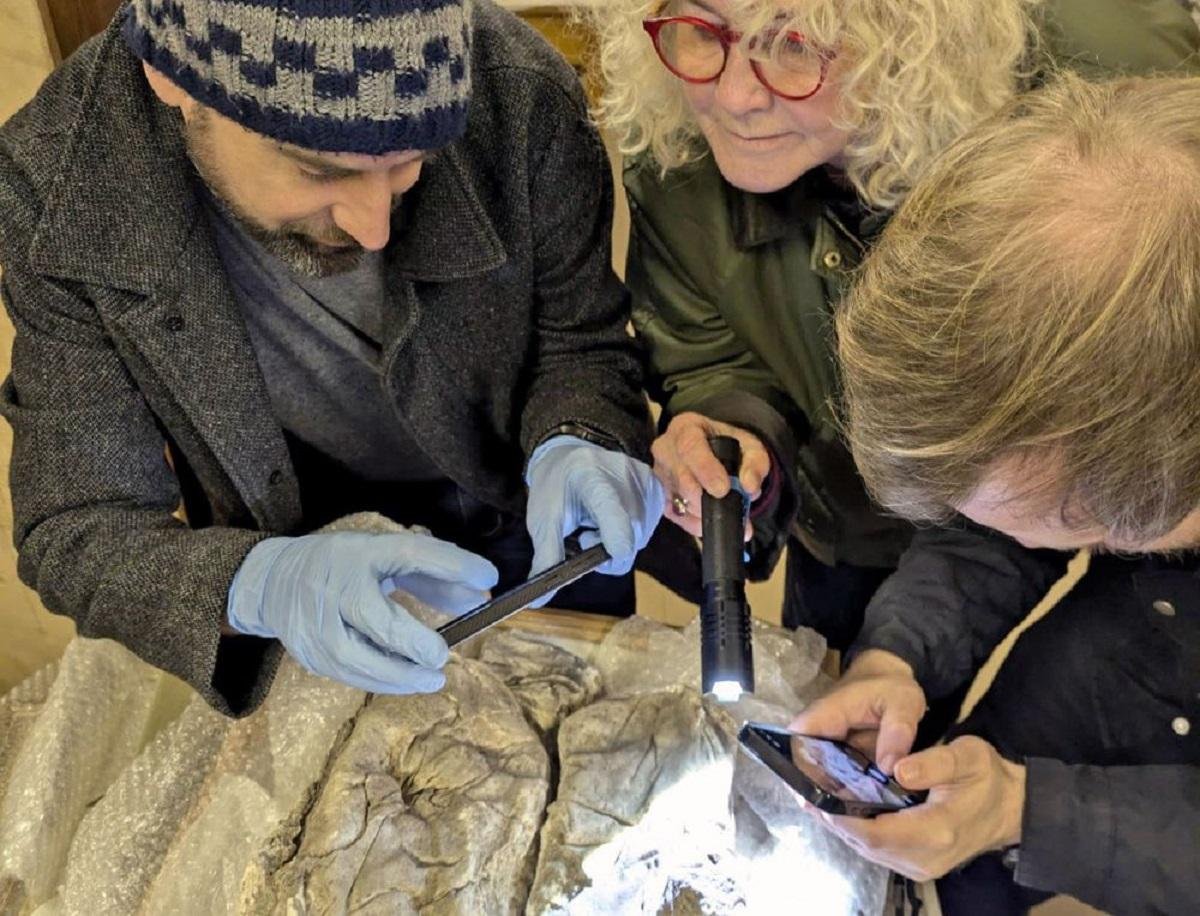
The burials date to the late third or early fourth century CE and are part of the collections at York Museums Trust. One infant was placed in a stone sarcophagus with two adults. The second infant was buried alone in a lead coffin.
Researchers studied hardened gypsum casings formed during a Roman burial practice in which liquid gypsum was poured over clothed bodies. Once hardened, the material protected fabric impressions, fragments, and chemical traces of dyes for centuries. This unusual process preserved details no longer visible to the eye.
Tests found purple dye in both burials. The lead coffin burial revealed even more detail. Researchers identified at least two visible textile layers covering the infant. A cloak or shawl with tassels lay over the body, while a fine outer textile dyed with Tyrian purple and woven with gold thread covered the top. This luxury cloth likely remained visible during funeral rituals before the coffin was sealed.
In Roman society, purple clothing signaled wealth and rank. Tyrian purple came from murex sea snails collected from Mediterranean waters. Workers crushed thousands of mollusks or removed glands to extract the material needed for the dye, making production slow and expensive.


Ancient records show how valuable the color became. In CE 301, Emperor Diocletian listed one Roman pound of Tyrian-dyed silk at 150,000 denarii in his price edict. This amount matched the value of three Roman pounds of gold.
The dye was mainly produced in the Phoenician city of Tyre, in modern Lebanon, which gave the color its name. Purple textiles from Tyre circulated across the Roman Empire as symbols of social status.
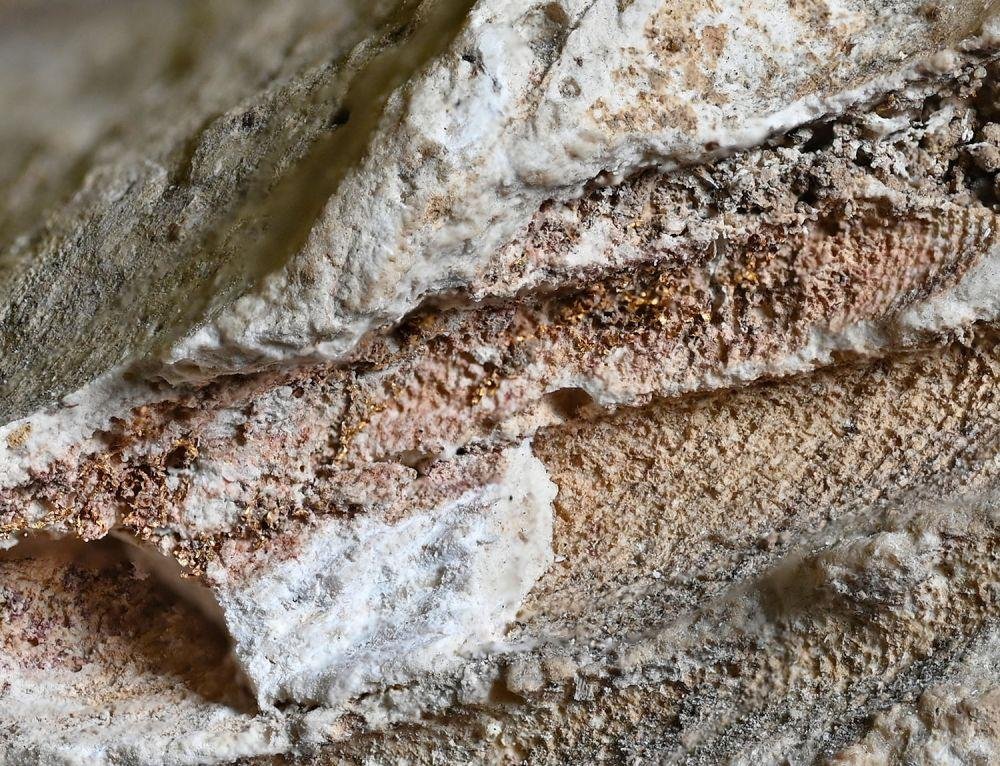
This study marks the first confirmed evidence of Tyrian purple on Roman textile remains from York. Similar finds in Britain are rare, which makes these burials unusual. The combination of purple dye and gold thread placed the fabric among the highest-status textiles available in the empire.
The find also adds evidence to discussions about Roman responses to infant death. Roman customs often limited public mourning for babies, partly because infant mortality was common. Around three out of ten infants died before reaching their first birthday.
These burials suggest families still invested heavily in funerary rituals for children. The decision to bury infants wrapped in imported luxury textiles shows careful preparation and significant expense.
For researchers, the burials reveal both status and grief. These families gave children who lived only a few months a burial normally linked with the highest social circles in Roman society.
More sampling of gypsum burials from York and nearby sites is planned. Researchers hope similar traces remain hidden in other Roman graves, preserved inside gypsum layers for nearly two millennia.
For more information on this discovery, visit the Seeing the Dead project website at the University of York: https://seeingthedead.ac.uk






Disclaimer: This website is a science-focused magazine that welcomes both academic and non-academic audiences. Comments are written by users and may include personal opinions or unverified claims. They do not necessarily reflect the views of our editorial team or rely on scientific evidence.
Comment Policy: We kindly ask all commenters to engage respectfully. Comments that contain offensive, insulting, degrading, discriminatory, or racist content will be automatically removed.