
A new study of a Neanderthal infant from Amud Cave in northern Israel points to a faster pace of early growth than seen in modern humans. The remains, known as Amud 7, date to about 51,000 to 56,000 years ago and include more than 100 bone fragments from the skull, arms, legs, and torso. Researchers revisited the skeleton to compare body size and tooth development, then matched the results with modern human growth data.
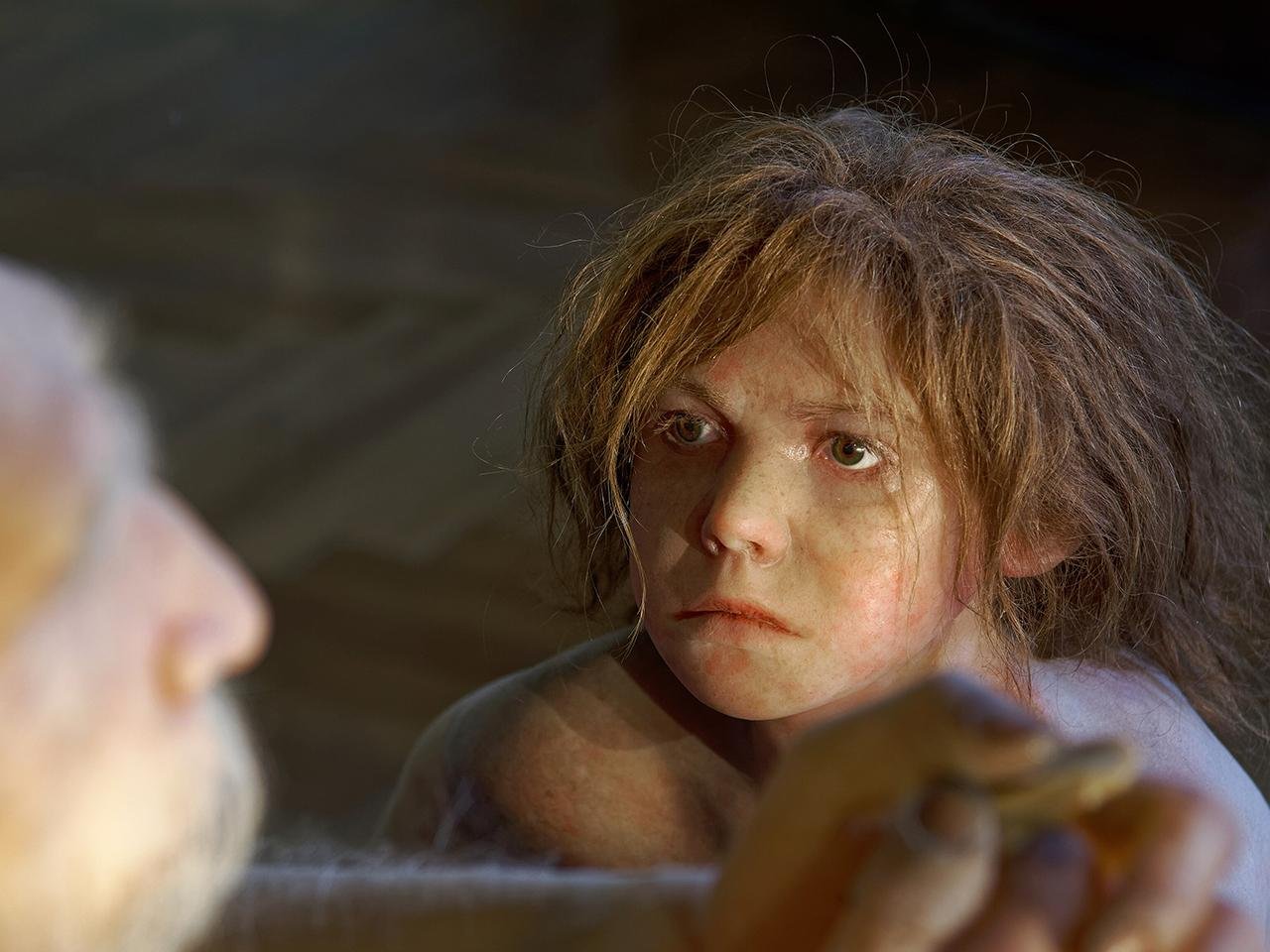
Teeth place the child at about 5.5 to 6 months old. The bones tell a different story. The lengths of the arms and legs match those of a modern human child between 12 and 14 months. The upper limbs align with about 13.7 months, while the lower limbs fall in a similar range. Height estimates range from 70.3 to 78.6 centimeters. This size fits a child more than twice the dental age.
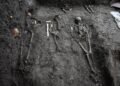
This gap between teeth and body growth stands out. In modern humans, both tend to track together during infancy. In Amud 7, the body grew at a faster pace than the teeth. The skeleton also shows clear Neanderthal traits at a young age. The child had been placed in a niche in the cave wall, with a red deer jaw above the remains, a detail often linked to burial behavior.
The pattern begins with birth. Previous work shows Neanderthal newborns had tooth formation and limb lengths close to those of modern humans, though their skulls were larger. After birth, growth paths split. During the first years of life, body size increased faster in Neanderthals, while tooth development moved at a steadier rate. Later in childhood, both patterns appear to align more closely with those of modern humans.
Few Neanderthal infant skeletons exist, yet other finds hint at a similar trend. The research team links this early rapid growth to energy needs. Neanderthals lived in cold regions across Eurasia. Larger bodies helped retain heat, and faster growth in infancy would support survival in such conditions.

Amud 7 offers a rare case where both teeth and bones are preserved well enough for direct comparison. The mismatch between age estimates based on teeth and those based on body size shows a growth pattern different from modern humans within the first months of life. The findings add detail to how Neanderthals developed after their line split from modern humans around 600,000 years ago.




Disclaimer: This website is a science-focused magazine that welcomes both academic and non-academic audiences. Comments are written by users and may include personal opinions or unverified claims. They do not necessarily reflect the views of our editorial team or rely on scientific evidence.
Comment Policy: We kindly ask all commenters to engage respectfully. Comments that contain offensive, insulting, degrading, discriminatory, or racist content will be automatically removed.
That’s because they did not eat processed foods and had a diet of milk ….water ..steaks …chops….bacon …liver ….fruits and vegetables of which is completely healthy full of proteins and fibres and makes bones grow strong and fast. No sugar laden snacks or takeaway garbage ….that’s why !