
Deep inside the Rising Star cave system in South Africa, researchers have discovered what is possibly the oldest known evidence of deliberate burial by a non-human species of early hominin. The researchers, publishing in eLife, are studying Homo naledi, a small-brained species that lived more than 240,000 years ago, and they speculate that these distant human relatives may have practiced cultural mortuary activity before modern humans or Neanderthals.
The quest began in 2013, when a team led by anthropologist Lee Berger of the University of the Witwatersrand initiated a daring excavation. Because the cave features narrow passages—entered only by descent through twisting shafts up to 30 meters deep—Berger recruited slim and highly fit researchers to navigate the dark, dangerous system. Their efforts produced one of the century’s most remarkable fossil discoveries: over 1,500 bones from at least 15 individuals of a newly recognized species, Homo naledi. The most concentrated section of the deposit, later named the “Puzzle Box,” contained unusually preserved fossils that appeared deliberately placed.
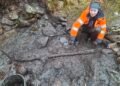
The latest round of excavations built on those discoveries with fresh work in 2017 and 2018 in the Hill Antechamber and the Dinaledi Chamber. There, scientists found additional concentrations of teeth and articulated bones, including juveniles and adults. Some skeletons even retained full anatomical connections, such as a foot and ankle still attached to a leg. Analysis of the sediment showed no evidence of water transport or slumping that might have carried bones into these chambers naturally. Instead, the fossils had apparently been placed there deliberately and then rapidly covered by sediment before the bodies had finished decomposing.
This is more a pattern of cultural burial than of natural processes. The authors of the study argue that the bones could not have been deposited by carnivores or by random geological events. Instead, the evidence indicates that Homo naledi brought their dead deliberately into the cave system and buried them. Most importantly, the caves show no evidence of occupation, further supporting the argument that they were used primarily as mortuary space.

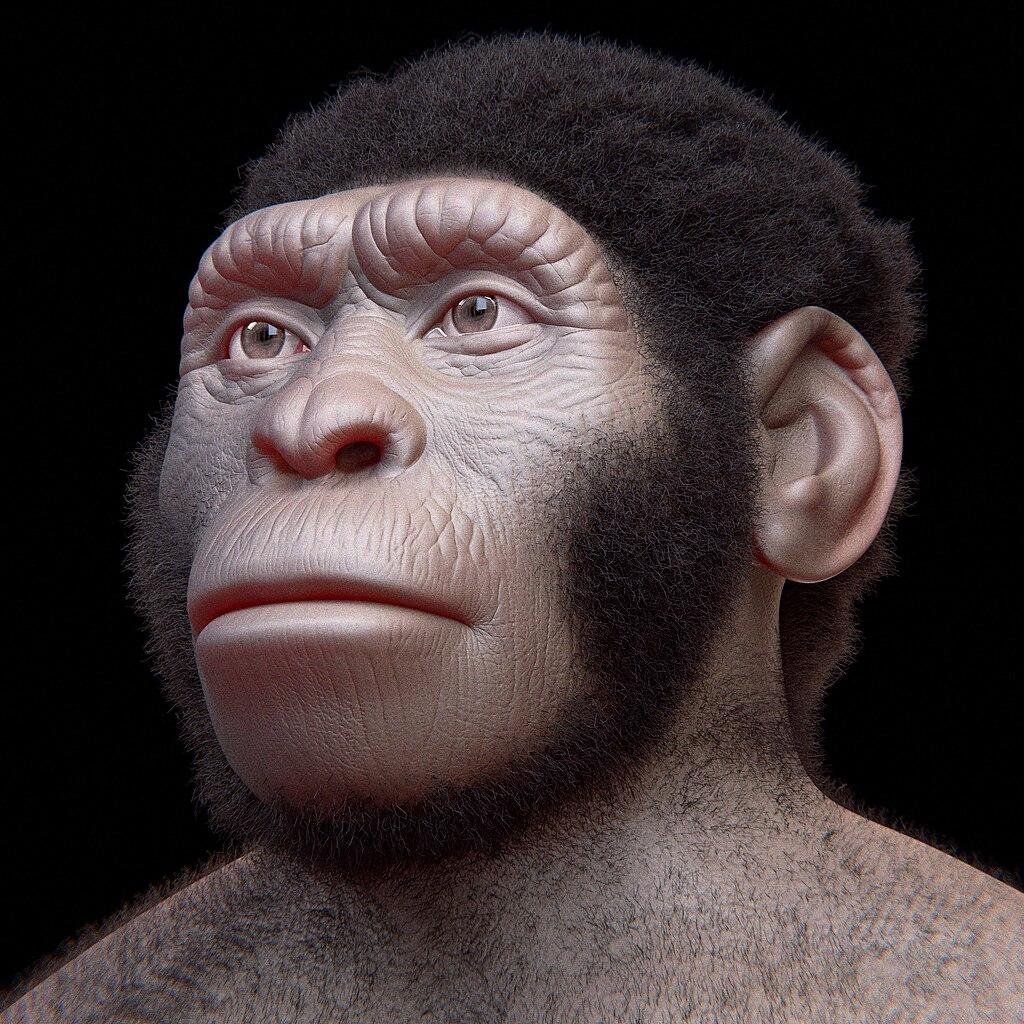
The implications are immense. Deliberate burial was formerly considered unique to modern humans, tied to symbolic thinking, ritual, and even spiritual belief. Neanderthal burials, much debated in archaeology, had already shaken this image. Now Homo naledi, a little more than four feet high, with a brain just one-third the size of our own, could extend the date of mortuary practice back more than 100,000 years.
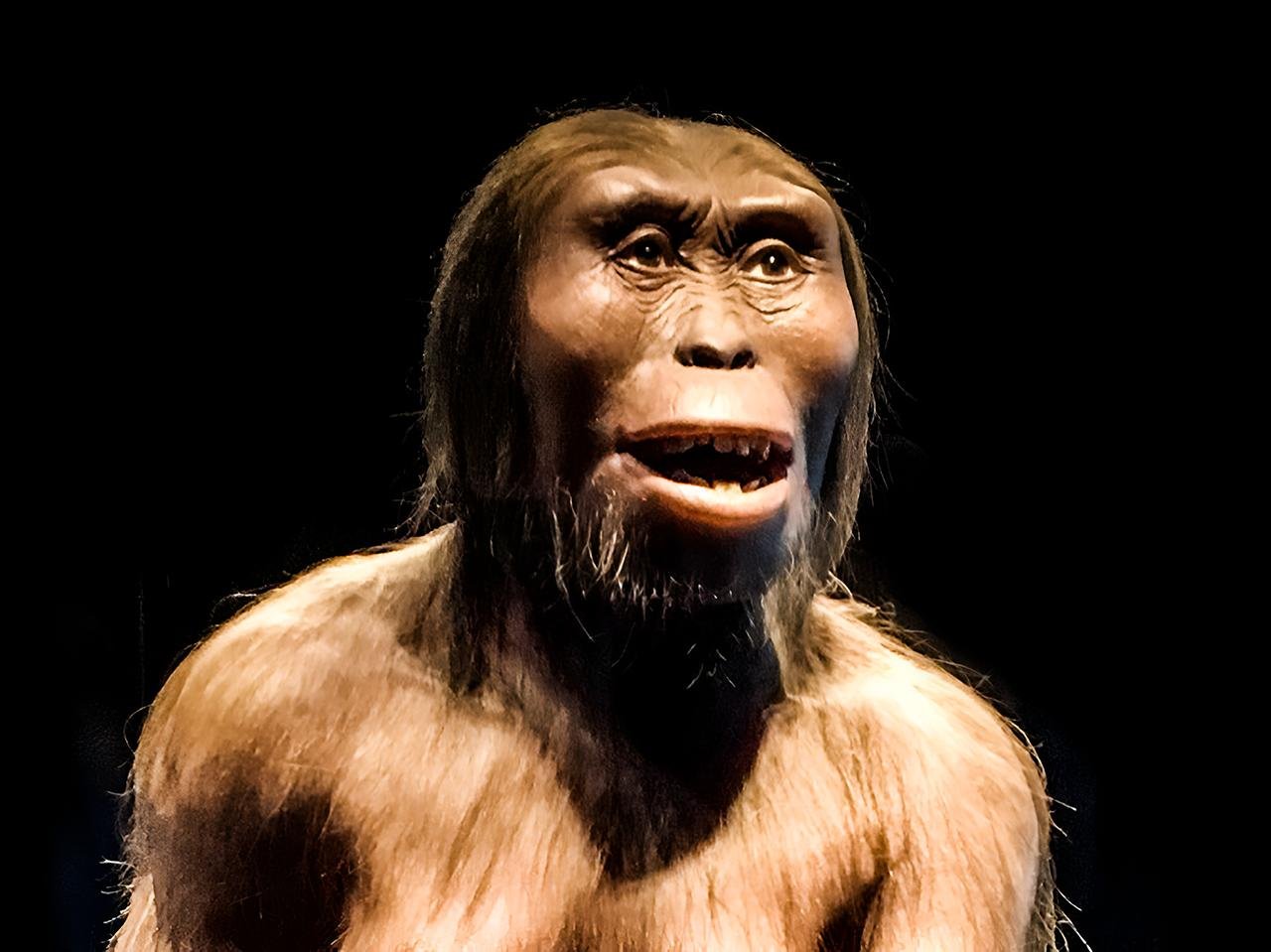
The Rising Star discoveries also expand our understanding of early human ancestors in new forms. Despite their small stature and primitive shoulder and hip formation, naledi had hands and feet very similar to modern humans. Carrying bodies far into deep, narrow caves would have required cooperation, planning, and possibly fire to navigate in total darkness. Whether motivated by practical considerations, such as keeping dead bodies out of sight of scavengers, or by symbolic and emotional motives, the action suggests cognitive sophistication unexpected for a species so far removed from modern humans.

However, there remain arguments. Archaeologists continue to struggle with the definition of evidence of cultural burial. Many prior claims, especially regarding Neanderthals, have been questioned after closer study. However, the evidence in Rising Star is characterized by the number of individuals involved, lack of disturbance by water or animals, and clear spatial separation of remains from surrounding sediments.
For now, the caves are the only known remains of Homo naledi, their daily lives and culture a mystery. But their burials—if confirmed—make us reconsider the very traits once presumed to make us human. The discovery suggests that symbolic or ritual behavior is deeper and more complex in the human lineage than ever previously thought.









Disclaimer: This website is a science-focused magazine that welcomes both academic and non-academic audiences. Comments are written by users and may include personal opinions or unverified claims. They do not necessarily reflect the views of our editorial team or rely on scientific evidence.
Comment Policy: We kindly ask all commenters to engage respectfully. Comments that contain offensive, insulting, degrading, discriminatory, or racist content will be automatically removed.
Hello,
I am writing to you for help or advice regarding the theory of human evolution that I have developed. If you have time, I would like to send you the full text.
It is interesting to study history, but even more so prehistory. We have little data from prehistory and often do not have an answer for the found behavior of our ancestors. When we analyze the first civilizations and prehistory, it is noticeable that there are numerous similarities. Different civilizations, from different continents, have similarities, although the civilizations could not have been in contact: pyramids, mounds, circular dwellings, the fetal position of the deceased, the use of red ocher, cave drawings, hand silhouettes on the walls, vases with triangles …
That is a little confusing! Where do the similarities come from then? There are two reasons. One is that human evolution is programmed and that humans behave similarly regardless of where they evolve. The second reason is that there was a previous common “zero” civilization. The first reason goes into human biology and genetics, and for the second, archaeological remains have never been found.
There is also a third reason. There was no “zero” civilization but the natural evolution of man! We know that all these civilizations and tribes grew out of the common Homo Sapiens, which spread from Africa to Europe, Asia, Australia, America. This tells us that Homo Sapiens had a behavior that was inherited, i.e. continued in all civilizations! What kind of behavior are we talking about? We are talking about belief! All early civilizations built huge structures dedicated to the gods. Faith was at a very high level. All of them glorify Mother Earth. Not only civilizations but also all small tribes glorify Mother Earth. Therefore, it is logical to assume that there was a previous belief in Mother Earth. By applying such thinking that there was a belief in Mother Earth, it is possible to explain the reasons why there are such customs, traditions, buildings… Today, archaeological findings are explained by countless reasons. And the theory that nutrition was essential for evolution gives a partial answer, but does not explain all other behaviors. My theory explains all the activities of primitive man and civilizations on the basis of one reason: the evolution of belief in the Mother!
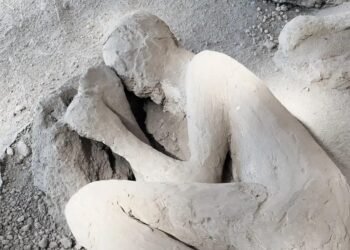
A major obstacle to such thinking is the current explanation of how religion and the custom of burial originated. It is generally accepted that religion originated at the transition from a pastoral to an urban way of life (about 10,000 years ago). It is also generally accepted that burials began for hygienic reasons. However, it is enough to see that almost all the deceased were found in the fetal position. If the reasons were hygienic, then no attention would be paid to the position of the deceased. In addition, red ochre was mostly used as a base, which has nothing to do with hygiene but reminds us of what my theory says. The position of the deceased in the form of a fetus, the use of red ochre and the placement of a mound over the deceased is nothing more than an imitation of the Mother’s pregnant belly. The imitation was intended to enable the deceased to be reborn. That is why we have mounds all over the world. Archaeologists have found many skeletons in the fetal position, even in a very old period of our evolution, which completely changes the explanation of when and how religion arose. The theory coincides with the analysis of paleoanthropologist Lee Berger that a long upbringing (the basis for the evolution of religion) was important for our ancestors to separate from primates. How religion evolved, how religion arose in the first place and how faith in the Mother can explain all our customs, read in my theory.
With respect, Mladen Černi