
Ash left inside small incense burners from Pompeii is giving archaeologists a clearer view of what people burned in their homes during religious rituals. The material comes from two censers found in domestic spaces, one in Pompeii and another in a nearby villa. Both were sealed by the eruption of Mount Vesuvius in CE 79, which helped preserve traces that rarely survive at other Roman sites.
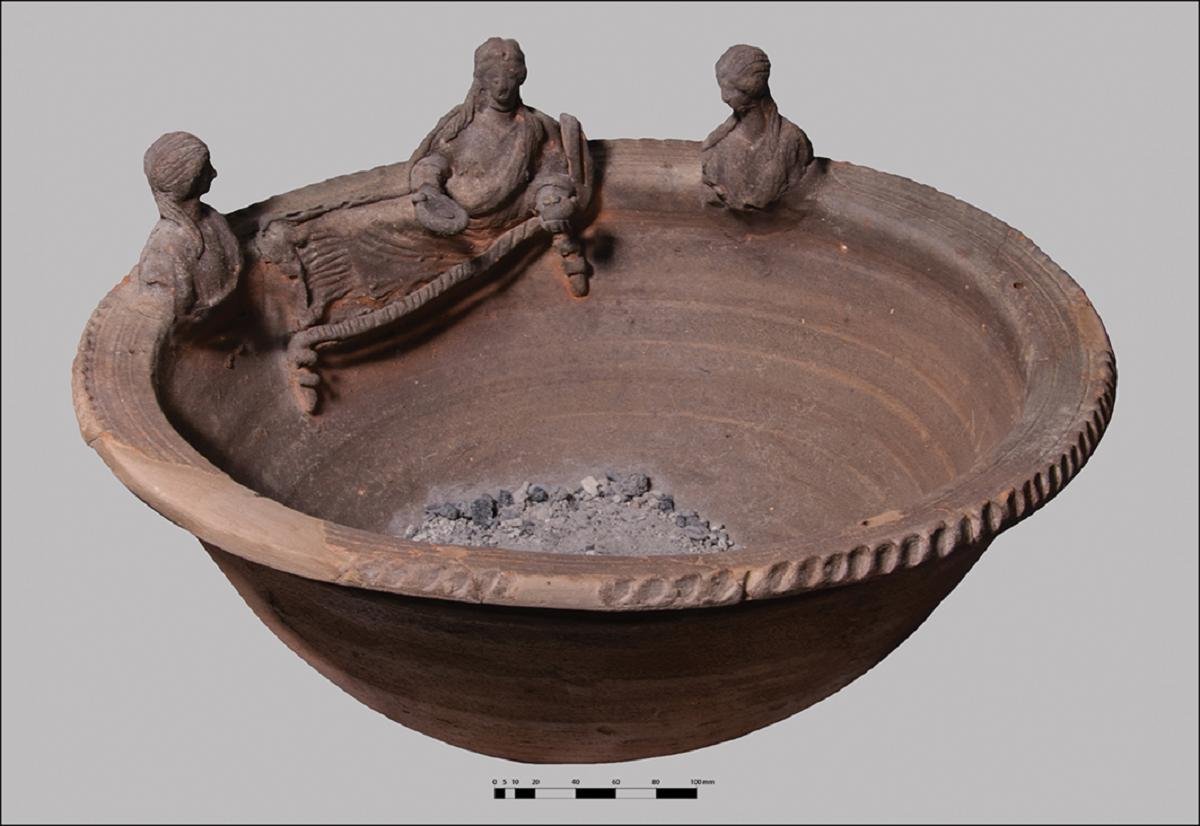
Researchers examined the contents using chemical analysis and microscopy. They looked at organic residues, tiny plant particles, and mineral structures formed during burning. This approach made it possible to identify specific materials instead of relying only on written sources or artistic depictions.
The results show a combination of local plants and imported substances. Wood from nearby vegetation appears in both burners and likely served as fuel. There are also traces linked to stone fruit trees or laurel. More surprising is the presence of compounds associated with grapes, which suggests that wine or grape products were part of these offerings. Roman texts describe wine in ritual use, though physical evidence from domestic contexts had not been confirmed before.
The team also identified resin from the Burseraceae family, which includes frankincense. This provides the first clear archaeological proof of incense burning in household shrines at Pompeii. Ancient writers often refer to frankincense in religious practice, though direct traces have been rare in excavations. The chemical signature points to a source outside the Mediterranean, likely India or parts of sub-Saharan Africa rather than southern Arabia, which was long considered the main supplier.
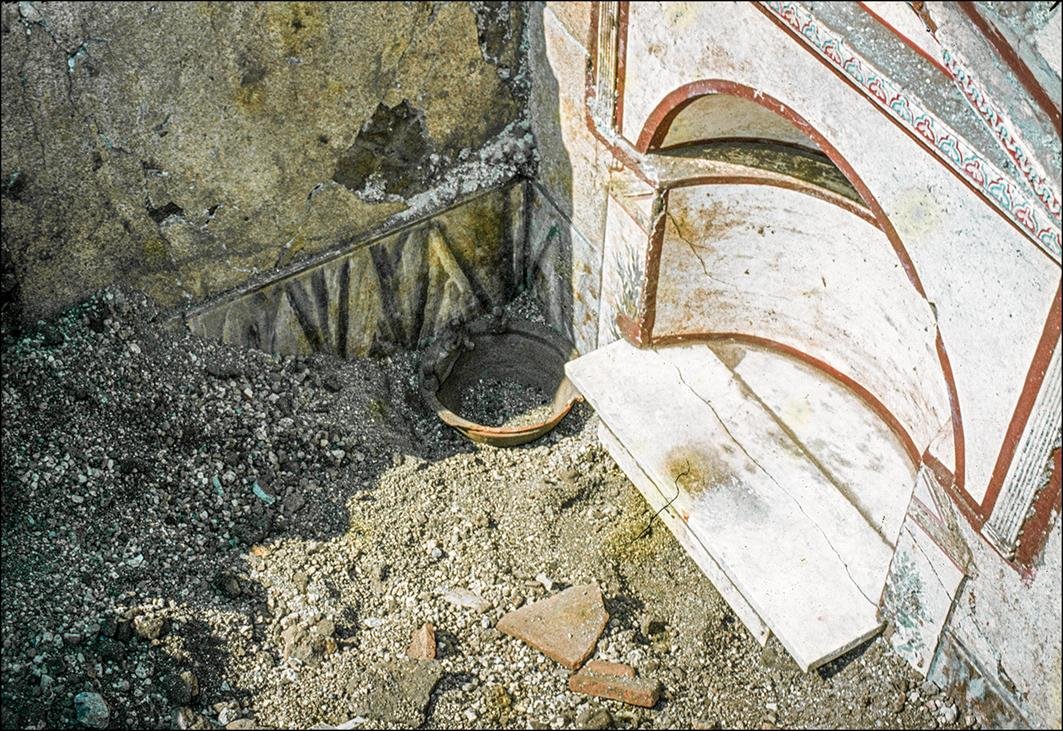
These findings offer a closer look at daily religious activity in Roman homes. Incense burners are common finds across the Roman world, yet their contents have remained uncertain. The preserved ash from Pompeii helps fill this gap and connects physical remains with written descriptions of ritual practices.


The mix of local and imported materials shows how households combined nearby resources with goods obtained through trade. The presence of resin from distant regions indicates that long-distance exchange networks reached into private homes, not only public temples or official ceremonies.
There are some limits to the study, since the artifacts lack detailed records from the time of excavation. Still, the agreement between chemical results and plant remains supports the conclusions. These small traces offer a direct link to how people carried out everyday acts of worship and what they chose to place on their altars.











Disclaimer: This website is a science-focused magazine that welcomes both academic and non-academic audiences. Comments are written by users and may include personal opinions or unverified claims. They do not necessarily reflect the views of our editorial team or rely on scientific evidence.
Comment Policy: We kindly ask all commenters to engage respectfully. Comments that contain offensive, insulting, degrading, discriminatory, or racist content will be automatically removed.