
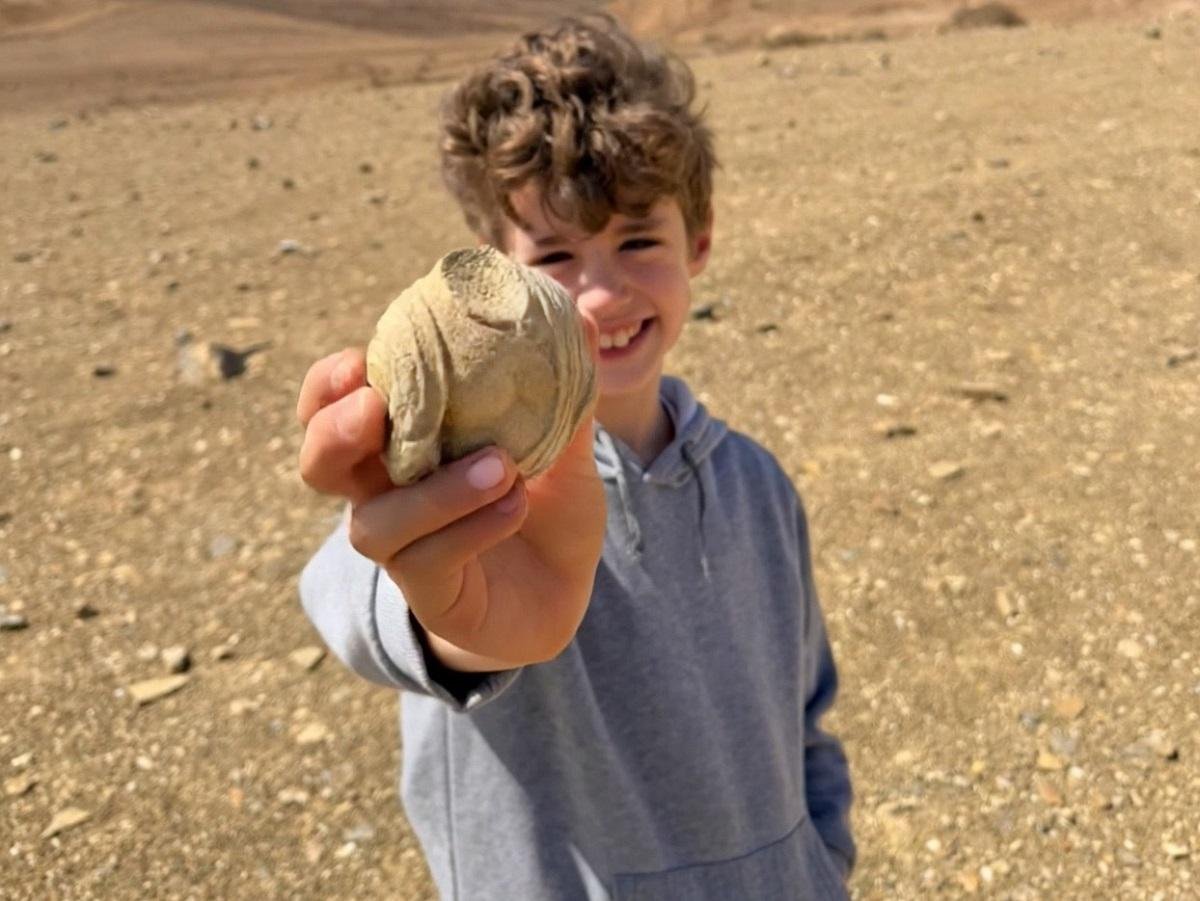
An 8-year-old boy hiking with his family discovered a small ancient statuette fragment dating back about 1,700 years in the Ramon Crater area, a desert region with a long archaeological record.
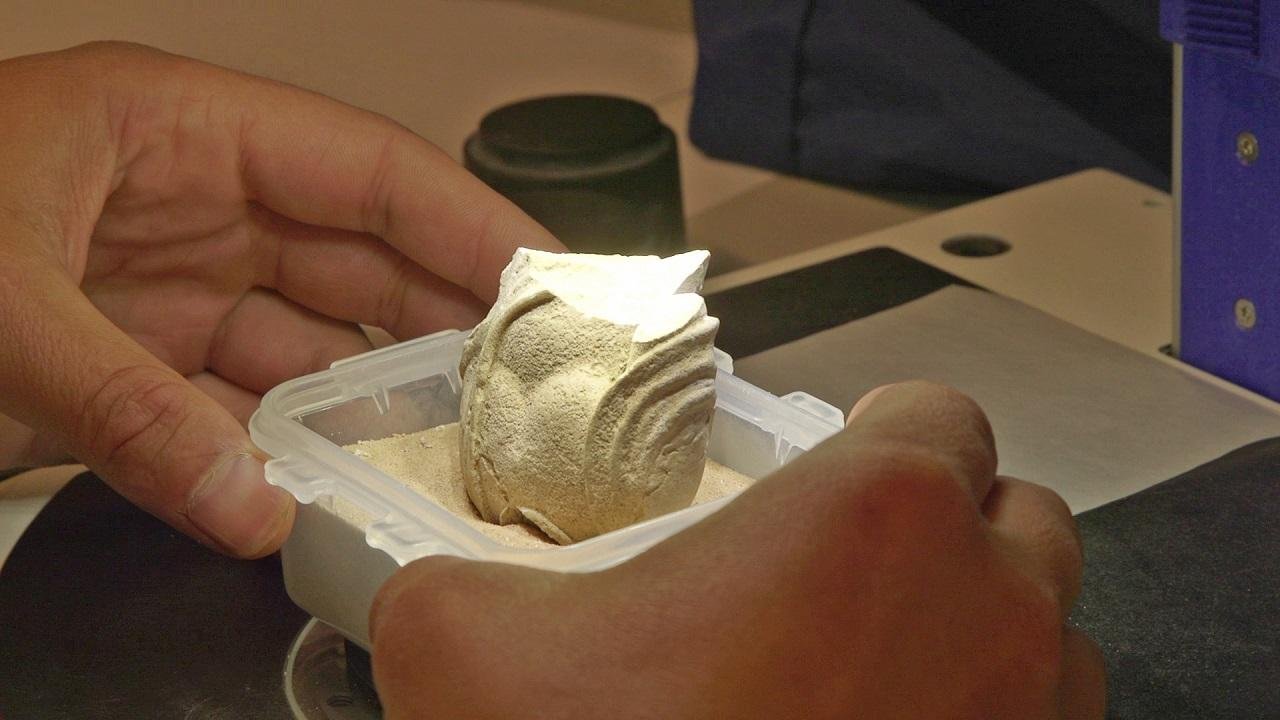
Dor Wolynitz, from Rehovot, spotted the object while searching the ground for unusual items during a family weekend organized for a paratrooper reserve unit. He noticed a striped stone lying on the surface and picked it up, thinking it looked different from the surrounding rocks. The item was later examined by archaeologist Akiva Goldenhersh of the Israel Antiquities Authority, who quickly realized the piece was not a natural object.
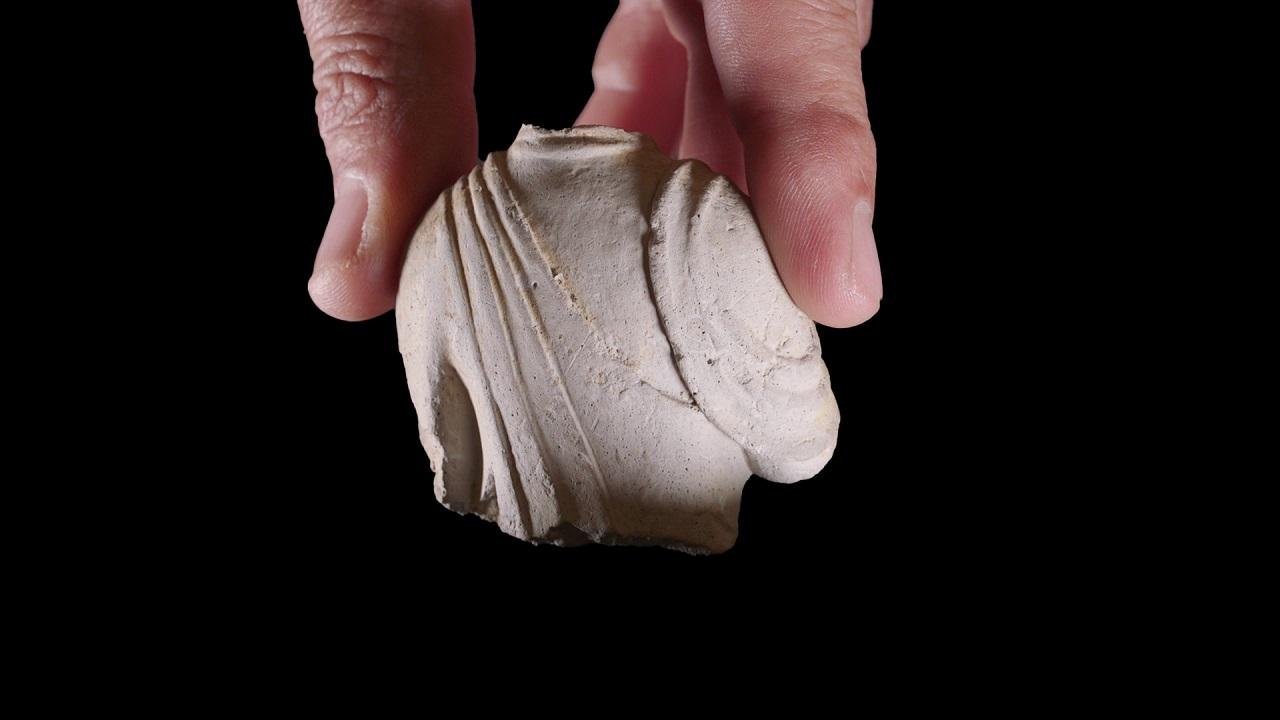
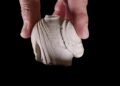
The artifact is a fragment of a small figurine, measuring around 6 by 6 centimeters. Although only part of the body survives, the piece preserves carefully carved folds of clothing. The drapery creates the appearance of a cloak wrapped around a standing human figure.
Laboratory analysis by geologist Dr. Nimrod Wieler identified the material as a light phosphorite mineral, which is common in the Negev Desert. Because the raw material is local, researchers believe the statuette was likely produced in the region rather than imported from elsewhere.
According to archaeologists, the artistic style matches the Roman period. The figure appears to wear a himation, a heavy outer garment common in Greek and Roman sculpture. No undergarment is visible on the fragment. The quality of the carving suggests the sculptor had advanced technical skill, especially considering the delicate mineral used to create the object.
Researchers have not been able to identify the exact figure because important parts of the statuette are missing. Still, stylistic analysis suggests the fragment could represent Jupiter, the chief god of the Roman pantheon, or Zeus-Dushara, a deity linked to Nabataean religious traditions. Dushara was an important Nabataean god who later became associated with Zeus through cultural contact between local desert populations and the wider Greco-Roman world.
This possible connection is significant because the Ramon Crater region stood along the ancient Incense Route, a major trade network linking the Far East with Mediterranean ports. During the Roman and Nabataean periods, caravans carrying spices, incense, and luxury goods crossed this harsh desert landscape. Archaeological remains found along the route continue to show how trade also carried religious ideas, artistic styles, and cultural traditions across large distances.
Even though the statuette fragment is small, researchers say objects like this help document daily life, belief systems, and artistic production in ancient desert communities. The find also adds another layer of evidence for human activity in the Negev during late antiquity.
Dor and his family handed the artifact over to the Israel Antiquities Authority’s National Treasures Department, where specialists will preserve and study the piece. The authority awarded the young finder a certificate in recognition of responsible reporting.
Officials noted that many important archaeological finds in Israel are made by hikers, travelers, and local residents. When these objects are properly reported instead of kept privately, archaeologists gain new material for studying the long history of the region.









Disclaimer: This website is a science-focused magazine that welcomes both academic and non-academic audiences. Comments are written by users and may include personal opinions or unverified claims. They do not necessarily reflect the views of our editorial team or rely on scientific evidence.
Comment Policy: We kindly ask all commenters to engage respectfully. Comments that contain offensive, insulting, degrading, discriminatory, or racist content will be automatically removed.