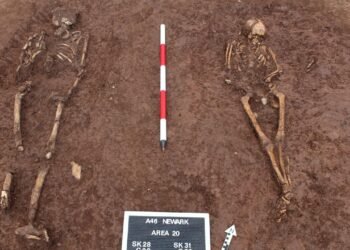
Ancient burials, Roman well, and Anglo-Saxon house uncovered during A46 Newark bypass excavations
Archaeologists working ahead of the planned A46 Newark Bypass have uncovered traces of human activity stretching back thousands of years. ...

Insights into Roman religious practices, ceremonies, and rituals across the empire.
Archaeologists working ahead of the planned A46 Newark Bypass have uncovered traces of human activity stretching back thousands of years. ...
Ash left inside small incense burners from Pompeii is giving archaeologists a clearer view of what people burned in their ...
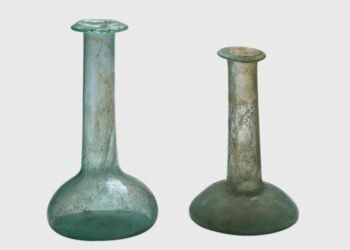
Chemical analysis of residue inside a small Roman glass vial has produced the first direct physical evidence that human feces ...
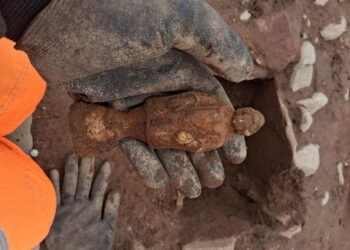
Archaeologists from Oxford Cotswold Archaeology completed a large-scale excavation of a Roman cemetery linked to the fort and settlement at ...
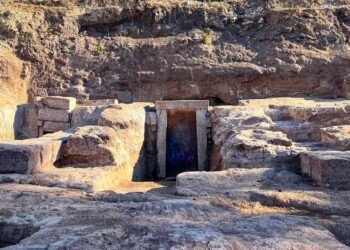
Archaeological excavations at Parco delle Acacie in the Pietralata district of eastern Rome have revealed a long and complex history ...
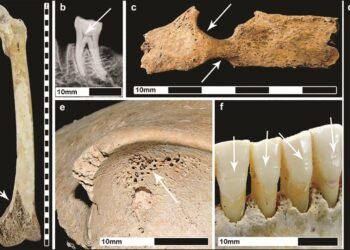
Archaeologists have sought to understand life in Britain before and during Roman rule, and they have discovered large differences in ...
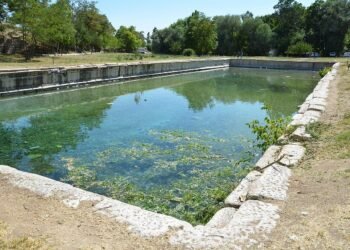
Archaeologists in central Turkey have rewritten the history of one of the most iconic Roman-era structures in the ancient city ...
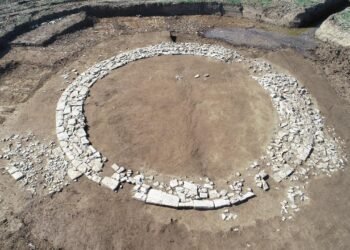
Archaeologists from the Bavarian State Office for Monument Preservation (BLfD) have uncovered the remains of a monumental circular stone structure ...
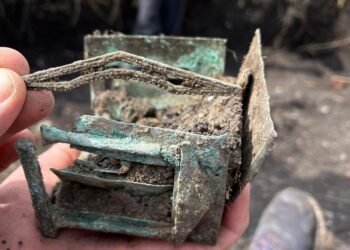
Archaeologists excavating a Roman civilian settlement at Turda, Romania, have unearthed many artifacts, including a rare bronze box with a ...
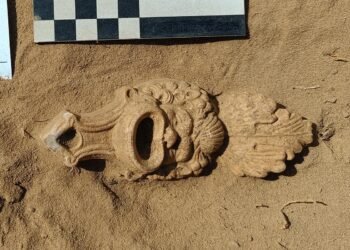
Archaeologists excavating in a Dutch town called Cuijk discovered a well-preserved Roman oil lamp shaped like a theatrical mask. Dated ...