• About
  • Privacy Policy
  • Terms of Use
  • Donation
  • Contact
No Result
View All Result
Archaeology News
  • Home
  • News
    • Archaeology
    • Anthropology
    • Paleontology
  • Academic
    • Books
    • Conferences
    • Universities
  • Articles
  • VR Tours
  • Quiz & Game
  • Download
  • Encyclopedia
  • Forum
Archaeology News
No Result
View All Result
Home News Anthropology

4,500-year-old Copper Age warrior burials unearthed in Germany

by Dario Radley
February 3, 2025

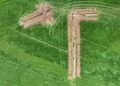
A 4,500-year-old burial site related to the Bell Beaker Culture has been unearthed by archaeologists in Saxony-Anhalt, Germany, near the town of Förderstedt in the Salzlandkreis district while excavating ahead of the construction of the SuedOstLink powerline. The extensive investigation along the planned route, from Wolmirstedt near Magdeburg to Droyßig in the Burgenland district, is being conducted by the State Office for Heritage Management and Archaeology (LDA) Saxony-Anhalt.
4,500-year-old Copper Age warrior burials unearthed in Germany
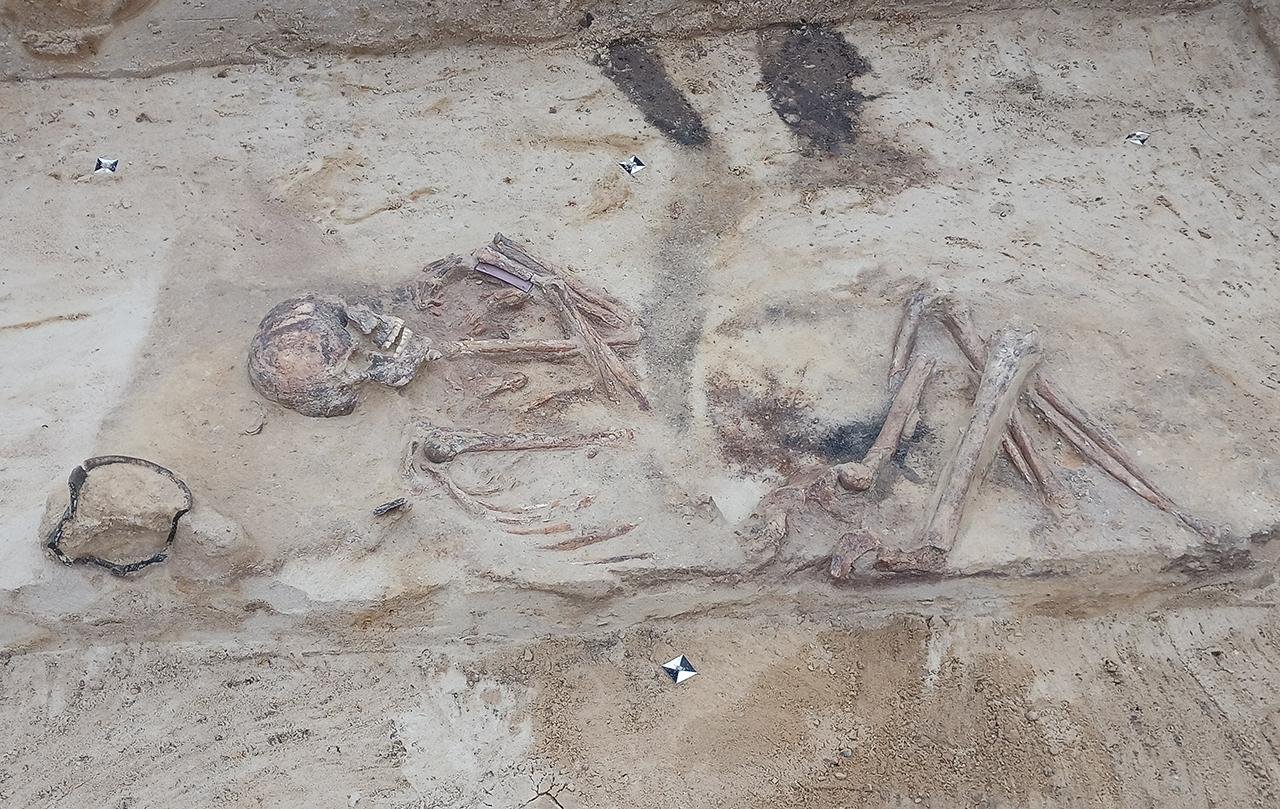
Burial of the Bell Beaker Culture. A wrist guard of red stone lies at the forearm of the individual. Credit: Sarah Krohn, State Office for Heritage Management and Archaeology Saxony-Anhalt

The Bell Beaker Culture, named for its distinctive bell-shaped ceramic containers, was prominent between 2500 and 2050 BCE, during the Eneolithic or Copper Age. It extended through much of Western Europe, including the Iberian Peninsula, Great Britain, and Ireland, and north through parts of Central and Northern Europe. One of the distinctive features associated with the culture was its unique burial customs, where men were laid to rest on their left sides, with their heads facing north, while women were placed on their right sides with their heads pointed south. In both cases, the deceased faced east.

Archaeologists have identified at least ten graves, at a depth extending about two meters, three of which appear to be covered by a burial mound. Among the most remarkable finds are the remains of three individuals who seem to have been warriors, as indicated by the appearance of grave goods associated with archery and combat. Within these graves were found items such as a bell-shaped ceramic vessel, stone wrist guards, and flint arrowheads.

One grave held a wrist guard made of Gotland sandstone, a stone that had been transported to Central Germany by Ice Age glaciers, in excellent condition. Wearing such wrist guards on the forearm protected the archer against injury from the bowstring. Although arrows were not found in this grave, the fact that a wrist guard was present may indicate that the person buried here was a hunter or warrior.
4,500-year-old Copper Age warrior burials unearthed in Germany
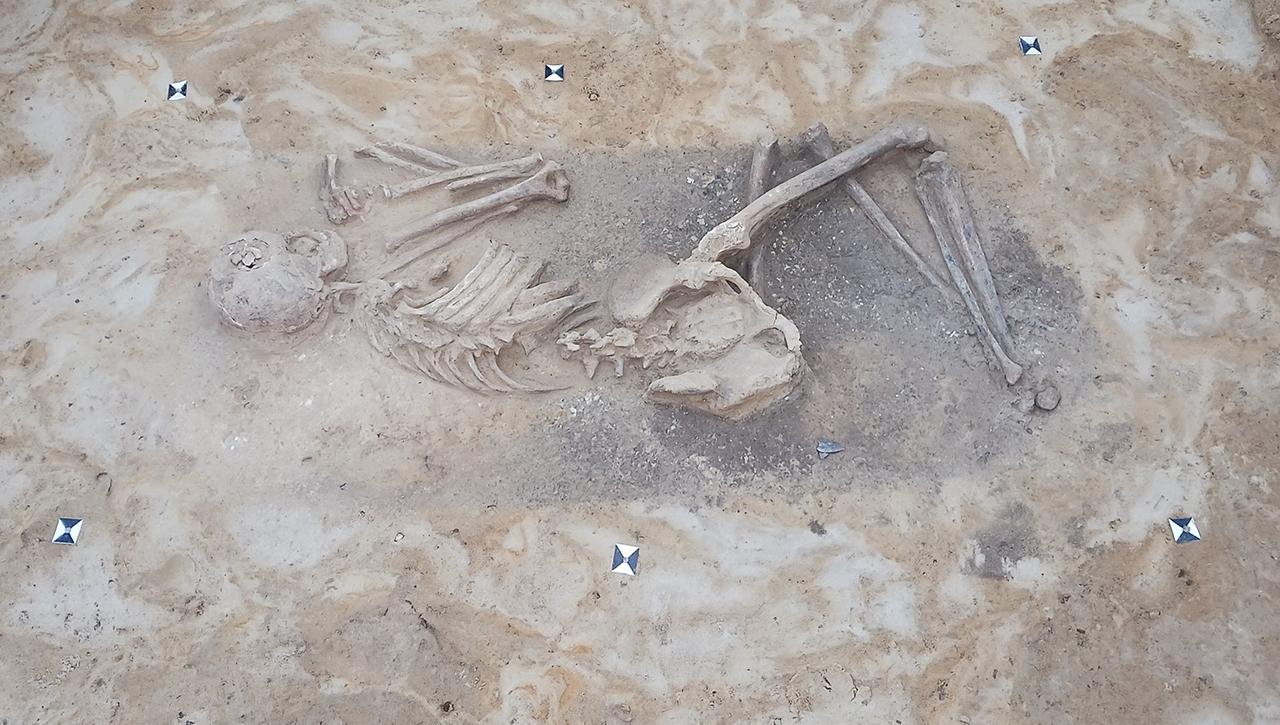
Burial of the Bell Beaker Culture. Two arrowheads lie in a discoloration of the sediment behind the persons back, which could indicate a quiver of organic material. Credit: Sarah Krohn, State Office for Heritage Management and Archaeology Saxony-Anhalt

In another burial, archaeologists discovered two flint arrowheads placed near the back of the deceased. The surrounding soil showed signs of discoloration, indicating the possible former presence of a now-decomposed organic quiver. “Evidence of organic objects, such as the possible quiver discovered here, is very rare. That’s what makes this find so special,” explained Susanne Friedrich, head of the archaeological monument preservation department at the LDA Saxony-Anhalt.

RelatedStories

Chalcolithic cornets at Teleilat Ghassul reveal ritual lamp use in Jordan’s prehistoric communities

Chalcolithic cornets at Teleilat Ghassul reveal ritual lamp use in Jordan’s prehistoric communities

February 16, 2026
DNA study reveals 3,000 years of genetic stability in Europe’s Low Countries before Bell Beaker expansion

DNA study reveals 3,000 years of genetic stability in Europe’s Low Countries before Bell Beaker expansion

February 16, 2026

The preservation of these burials is especially noteworthy. Unlike many artificially mounded graves, which were built on the surface and then later eroded over time, these graves were dug deeper into the earth and filled with loess clay, which effectively protected them against environmental degradation.

This discovery also offers insights into ancient trade and migration networks. The presence of Gotland sandstone, which was quarried in the Baltic Sea region, indicates that long-distance contact existed between communities in Northern and Central Europe. The Bell Beaker Culture is known for its complex relationships with neighboring societies, and such finds invite archaeologists to expand their understanding of these connections.

The remaining graves at the site will continue to be excavated and analyzed in laboratory settings to gather as much information as possible.

More information: Informationsdienst Wissenschaft (idw)

State Office for Heritage Management and Archaeology Saxony-Anhalt
Share3Tweet2Share1ShareSend

You May Also Like...

Roman cemetery in Egypt reveals golden tongues, mummies, and rare Iliad papyrus
Anthropology

Roman cemetery in Egypt reveals golden tongues, mummies, and rare Iliad papyrus

April 19, 2026
Basel plague study finds young workers had highest death rates in 17th century outbreak
Anthropology

Basel plague study finds young workers had highest death rates in 17th century outbreak

April 17, 2026
Ancient DNA reveals male lineage and family ties in Neolithic Scotland tombs
Anthropology

Ancient DNA reveals male lineage and family ties in Neolithic Scotland tombs

April 16, 2026
Council houses reveal shift from royal rule to collective governance in Terminal Classic Maya society
Archaeology

Council houses reveal shift from royal rule to collective governance in Terminal Classic Maya society

April 11, 2026
Bronze Age loom found inside ancient Spanish home reveals early textile production
Archaeology

Bronze Age loom found inside ancient Spanish home reveals early textile production

April 8, 2026
Pompeii ash analysis reveals Romans burned wine and imported frankincense in household rituals
Archaeology

Pompeii ash analysis reveals Romans burned wine and imported frankincense in household rituals

April 3, 2026

Follow us


Instagram
244K

Facebook
118K

Threads
46K

LinkedIn
14K

Twitter
6K

YouTube
1K
  • Trending
  • Comments
  • Latest
Shipwreck Salvage. Credit: rawpixel.com / Public Domain

2,000-year-old shipwreck discovered off Turkish coast with remarkably preserved stacked ceramics

July 2, 2025
Viking age DNA reveals 9,000-year-old HIV-resistant gene originating near the Black Sea

Viking age DNA reveals 9,000-year-old HIV-resistant gene originating near the Black Sea

May 18, 2025
A new study suggests the mysterious Voynich Manuscript may be a medieval cipher

A new study suggests the mysterious Voynich Manuscript may be a medieval cipher

January 3, 2026
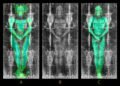
3D analysis reveals Shroud of Turin image likely came from sculpture, not Jesus’ body

3D analysis reveals Shroud of Turin image likely came from sculpture, not Jesus’ body

August 3, 2025
Moses may be named in ancient Egyptian mine inscriptions, sparking debate over earliest biblical references

Moses may be named in ancient Egyptian mine inscriptions, sparking debate over earliest biblical references

July 31, 2025
3D analysis reveals Shroud of Turin image likely came from sculpture, not Jesus’ body

3D analysis reveals Shroud of Turin image likely came from sculpture, not Jesus’ body

Moses may be named in ancient Egyptian mine inscriptions, sparking debate over earliest biblical references

Moses may be named in ancient Egyptian mine inscriptions, sparking debate over earliest biblical references

$1 million prize offered to decipher 5,300-year-old Indus Valley script

$1 million prize offered to decipher 5,300-year-old Indus Valley script

Oldest ever genetic data from a human relative found in 2-million-year-old fossilized teeth

Oldest ever genetic data from a human relative found in 2-million-year-old fossilized teeth

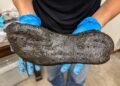
Exceptionally large Roman shoes discovered at Magna fort near Hadrian’s Wall

Exceptionally large Roman shoes discovered at Magna fort near Hadrian’s Wall

Roman cemetery in Egypt reveals golden tongues, mummies, and rare Iliad papyrus

Roman cemetery in Egypt reveals golden tongues, mummies, and rare Iliad papyrus

April 19, 2026
Basel plague study finds young workers had highest death rates in 17th century outbreak

Basel plague study finds young workers had highest death rates in 17th century outbreak

April 17, 2026
Ancient DNA reveals male lineage and family ties in Neolithic Scotland tombs

Ancient DNA reveals male lineage and family ties in Neolithic Scotland tombs

April 16, 2026
Council houses reveal shift from royal rule to collective governance in Terminal Classic Maya society

Council houses reveal shift from royal rule to collective governance in Terminal Classic Maya society

April 11, 2026
Bronze Age loom found inside ancient Spanish home reveals early textile production

Bronze Age loom found inside ancient Spanish home reveals early textile production

April 8, 2026

Archaeology News online magazine

Archaeology News is an international online magazine that covers all aspects of archaeology.


Categories

  • Academics
    • Books
    • Conferences
    • Universities
  • Articles
  • Download
  • Game
  • News
    • Anthropology
    • Archaeology
    • Paleontology
  • Quiz
  • Tours

Subscribe to our newsletter

© 2024 - Archaeology News Online Magazine. All Rights Reserved.

  • About
  • Privacy Policy
  • Terms of Use
  • Donation
  • Contact

Manage Consent
To provide the best experiences, we use technologies like cookies to store and/or access device information. Consenting to these technologies will allow us to process data such as browsing behavior or unique IDs on this site. Not consenting or withdrawing consent, may adversely affect certain features and functions.
Functional Always active
The technical storage or access is strictly necessary for the legitimate purpose of enabling the use of a specific service explicitly requested by the subscriber or user, or for the sole purpose of carrying out the transmission of a communication over an electronic communications network.
Preferences
The technical storage or access is necessary for the legitimate purpose of storing preferences that are not requested by the subscriber or user.
Statistics
The technical storage or access that is used exclusively for statistical purposes. The technical storage or access that is used exclusively for anonymous statistical purposes. Without a subpoena, voluntary compliance on the part of your Internet Service Provider, or additional records from a third party, information stored or retrieved for this purpose alone cannot usually be used to identify you.
Marketing
The technical storage or access is required to create user profiles to send advertising, or to track the user on a website or across several websites for similar marketing purposes.
  • Manage options
  • Manage services
  • Manage {vendor_count} vendors
  • Read more about these purposes
View preferences
  • {title}
  • {title}
  • {title}
  • Home
  • News
    • Archaeology
    • Anthropology
    • Paleontology
  • Academic
    • Books
    • Conferences
    • Universities
  • Articles
  • VR Tours
  • Quiz & Game
  • Download
  • Encyclopedia
  • Forum

About  .  Contact  .  Donation

© 2024 - Archaeology News Online Magazine. All Rights Reserved