• About
  • Privacy Policy
  • Terms of Use
  • Donation
  • Contact
No Result
View All Result
Archaeology News
  • Home
  • News
    • Archaeology
    • Anthropology
    • Paleontology
  • Academic
    • Books
    • Conferences
    • Universities
  • Articles
  • VR Tours
  • Quiz & Game
  • Download
  • Encyclopedia
  • Forum
Archaeology News
No Result
View All Result
Home News Archaeology

Iron Age builders at Tell el-Burak, Lebanon, used recycled ceramics in hydraulic mortar, new study reveals

by Dario Radley
July 22, 2025

Archaeologists working at the Phoenician site of Tell el-Burak in Lebanon have uncovered an intriguing discovery that sheds new light on Iron Age construction technology. In a Scientific Reports paper, researchers describe the first known use of hydraulic lime plaster in the Phoenician lands, with a surprising level of innovation achieved through recycling ceramic fragments.
Iron Age engineers used recycled ceramics in hydraulic mortar at Tell el-Burak Lebanon, new study reveals
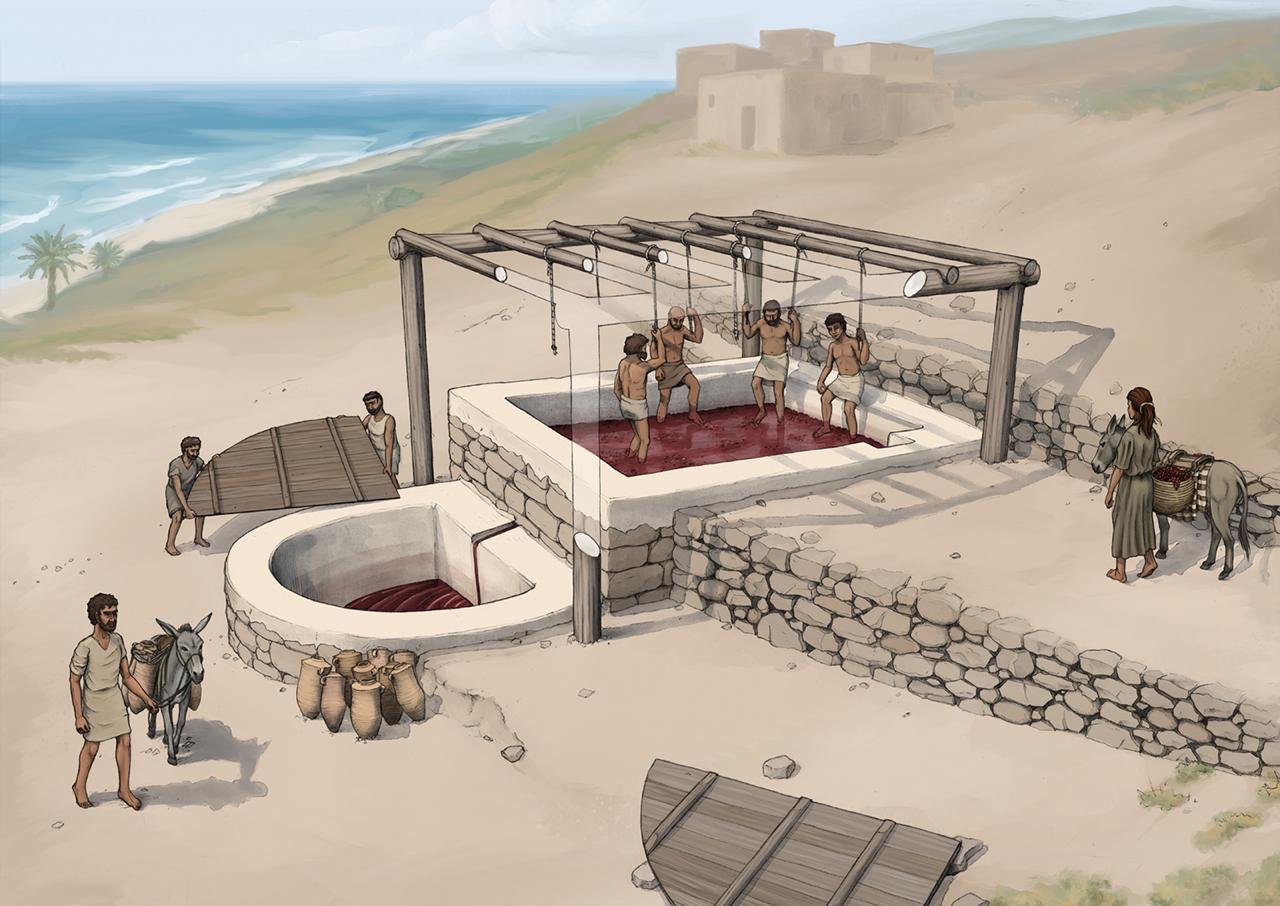
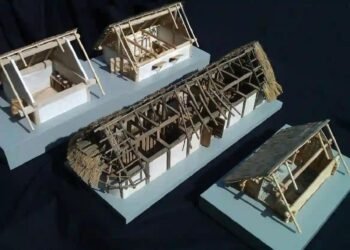
Reconstruction of the wine press at Tell el-Burak. Credit: A. Orsingher et al., Antiquity (2020)

Tell el-Burak, located near the southern coast of Lebanon, was an early agricultural site occupied between 725 and 350 BCE. At the site, archaeologists found such facilities as a large wine press—believed to be Lebanon’s oldest wine press—as well as plastered basins and floors that made up part of a larger agricultural complex. These structures, though varied in function, had one feature in common: they were coated with a distinctive plaster different from standard ancient lime mixtures.

To identify the composition and purpose of this plaster, the researchers conducted an extensive analysis of the material using a combination of techniques, including polarized light microscopy, X-ray diffraction, scanning electron microscopy with energy-dispersive spectroscopy (SEM-EDS), and thermogravimetric analysis. These techniques confirmed that the plaster contained lime and locally available sand, but also a high level of crushed ceramic fragments.
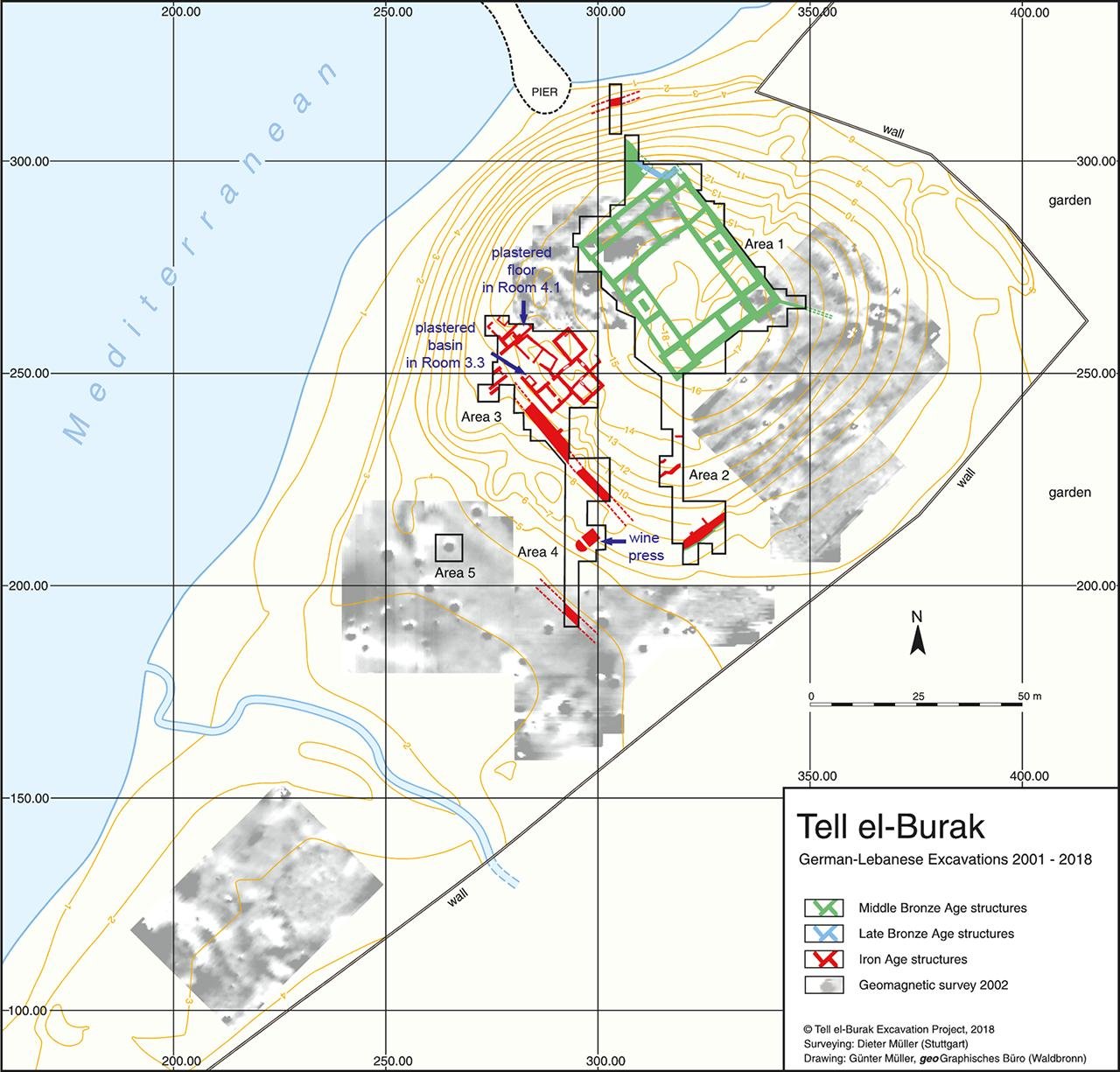
Iron Age engineers used recycled ceramics in hydraulic mortar at Tell el-Burak Lebanon, new study reveals
Plan of the settlement at Tell el-Burak. Credit: S. Amicone et al., Scientific Reports (2025)

The occurrence of ceramic material was not accidental. Microscopic analysis confirmed that the lime binder and ceramic fragments had reacted to form distinctive reaction rims. These chemical reactions indicate that the ceramics were deliberately added to enhance the properties of the plaster. The result was a mortar that would harden in the presence of water—a key characteristic of hydraulic plaster. This type of mortar would have been particularly useful in a wine press, where it would be exposed to constant moisture and would otherwise erode more fragile materials.
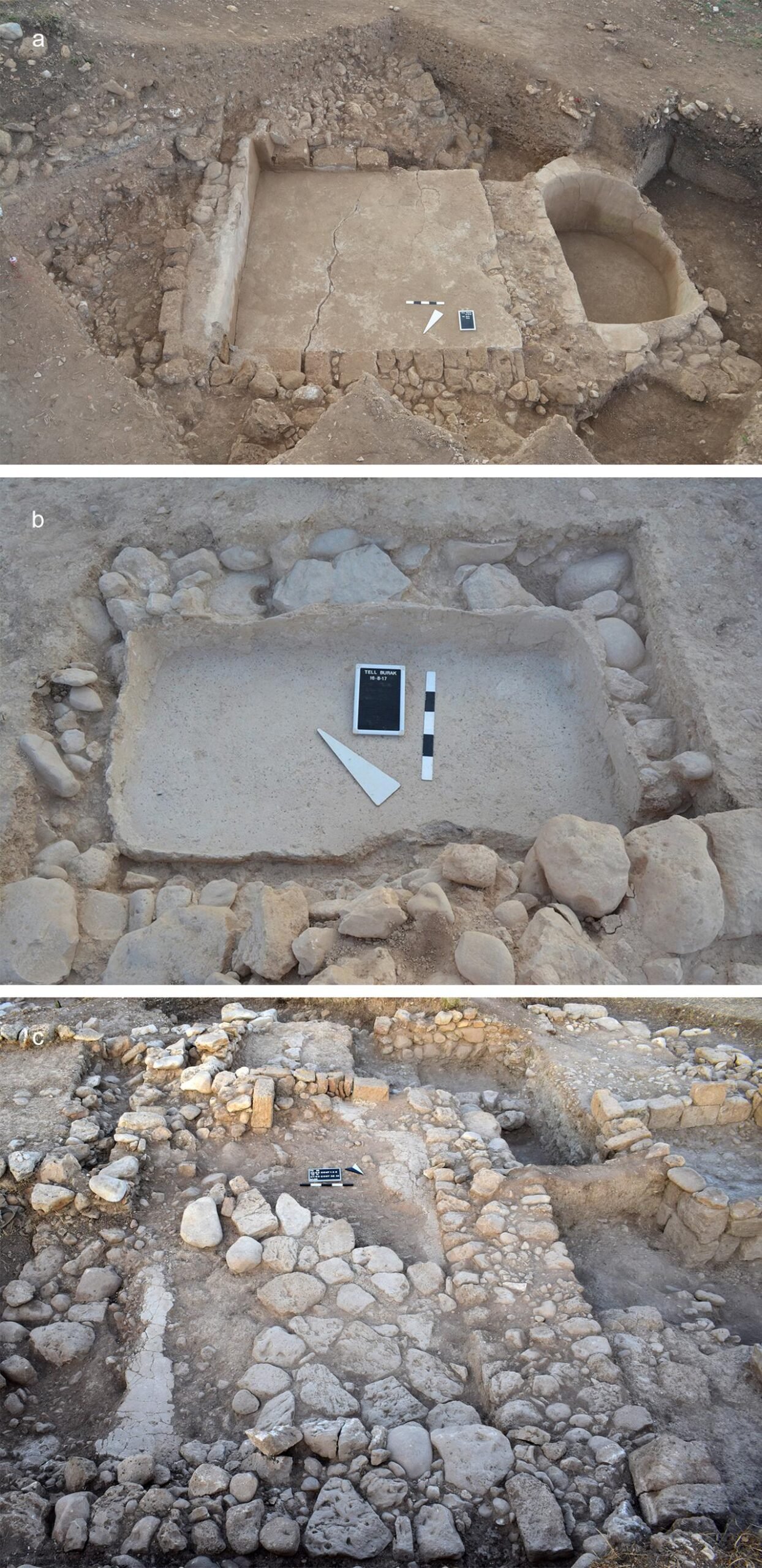
Iron Age engineers used recycled ceramics in hydraulic mortar at Tell el-Burak Lebanon, new study reveals
Tell el-Burak, plastered installations: (a) Area 4, the wine press, from the west. (b) Area 3, the plastered basin in Room 3 of House 3, from the southwest. (c) Area 3, the plastered floor in Room 1 of “House 4”, from the northeast (courtesy of the Tell el-Burak Archaeological Project). Credit: S. Amicone et al., Scientific Reports (2025)

This is significant because it shows that Iron Age builders in the southern Phoenician lands had developed a form of hydraulic mortar several centuries before the Romans popularized similar techniques. The mortar from Tell el-Burak was not based on volcanic or organic materials; instead, its water resistance was achieved through the use of crushed pottery—a locally available material. Interestingly, the Romans later employed a similar method known as cocciopesto, which also used ceramic sherds to create hydraulic mortar. While the technique is commonly attributed to the Romans, the evidence from Tell el-Burak suggests that the Phoenicians had been using it effectively much earlier.


RelatedStories

Over 1,000 archaeological features uncovered along Czech railway

Over 1,000 archaeological features uncovered along Czech railway

April 25, 2026
Ancient ship burial in Norway dates to CE 700, rewriting early Viking Age origins

Ancient ship burial in Norway dates to CE 700, rewriting early Viking Age origins

April 25, 2026

The plaster was found in a number of areas at the site, which means that this technique was not an isolated experiment but part of a larger craftsmanship tradition. The fact that this material was consistently used in several installations makes it clear that the builders had an advanced understanding of how to modify lime-based plasters to suit a broad variety of functions, from juice extraction in the wine press to lining basins and floors.
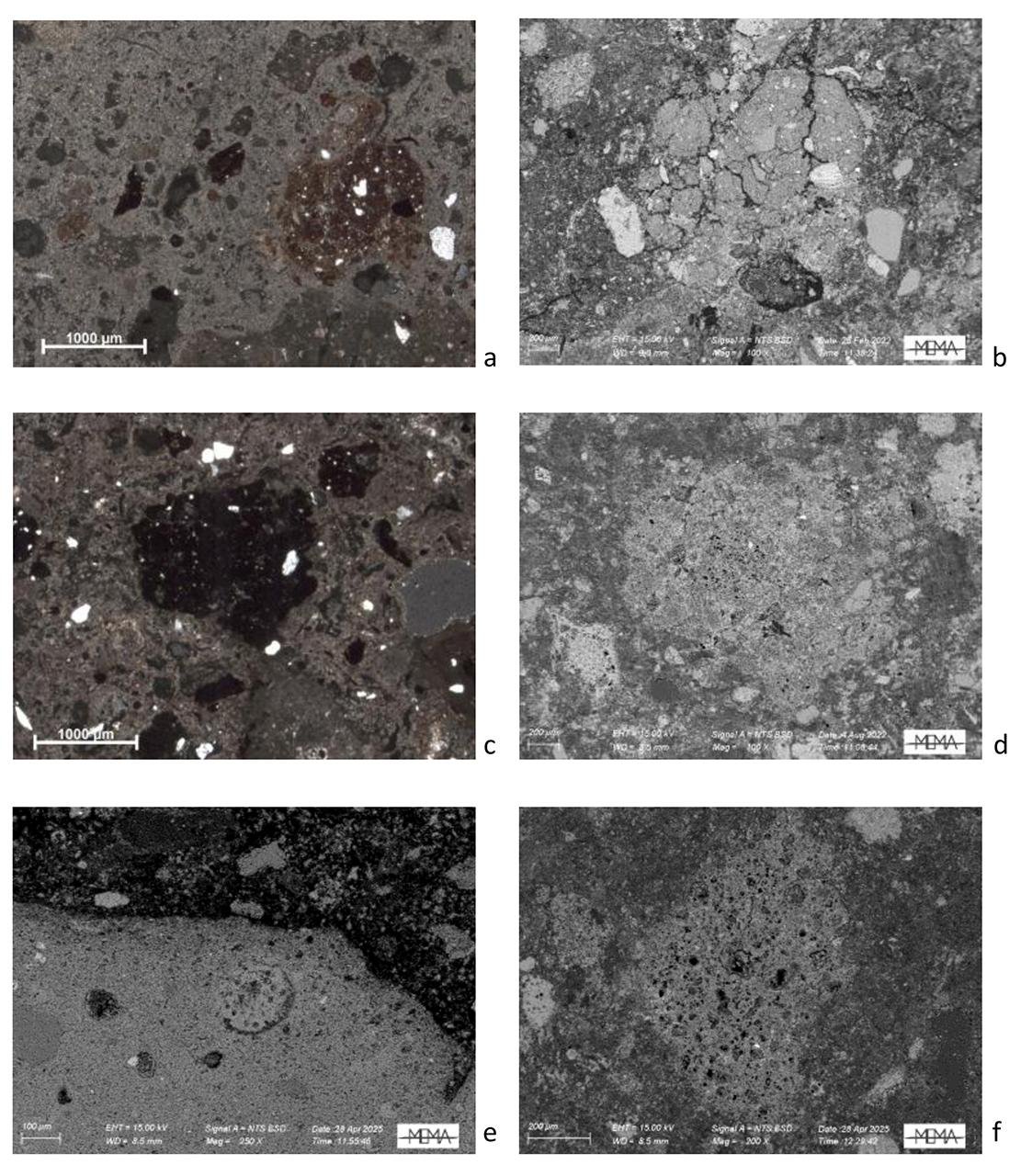
Iron Age engineers used recycled ceramics in hydraulic mortar at Tell el-Burak Lebanon, new study reveals
Thin section microphotographs showing two different types of ceramic aggregates: (a) Type 1, polarising microscope, XP; (b) Type 1, BSE image at high magnification; (c) Type 2, polarising microscope, XP; (d) Type 2, BSE image at high magnification; (e) Type 1, BSE image at high magnification; (f) Type 2 with bloating pores, BSE image at high magnification. Credit: S. Amicone et al., Scientific Reports (2025)

This research disproves the traditional explanation of technological development in ancient construction, especially the one that focuses on Roman innovation. Instead, it highlights the ingenuity of earlier cultures like the Phoenicians, who reused available materials and developed effective construction techniques years before such techniques gained widespread recognition. The Tell el-Burak find contributes to our understanding of ancient engineering and suggests that hydraulic mortar expertise was more widespread—and developed sooner—than previously thought.

The study also opens doors to further investigation of ancient construction materials. Through analysis of other sites along the Phoenician coast, archaeologists may find similar applications of recycled ceramics and understand more about the regional technology networks.

More information: Amicone, S., Orsingher, A., Cantisani, E. et al. (2025). Innovation through recycling in Iron Age plaster technology at Tell el-Burak, Lebanon. Sci Rep 15, 24284. doi:10.1038/s41598-025-05844-x
Share26Tweet16Share5ShareSend

You May Also Like...

CT scans reveal hidden details of 2,300-year-old Egyptian mummies
Anthropology

CT scans reveal hidden details of 2,300-year-old Egyptian mummies

April 26, 2026
Rare 2,000-year-old Roman bread found at Vindonissa reveals early military life in Switzerland
Archaeology

Rare 2,000-year-old Roman bread found at Vindonissa reveals early military life in Switzerland

April 25, 2026
Over 1,000 archaeological features uncovered along Czech railway
Archaeology

Over 1,000 archaeological features uncovered along Czech railway

April 25, 2026
Ancient ship burial in Norway dates to CE 700, rewriting early Viking Age origins
Archaeology

Ancient ship burial in Norway dates to CE 700, rewriting early Viking Age origins

April 25, 2026
Ramses II statue found in Egypt’s eastern Nile Delta shows ancient reuse of royal monuments
Archaeology

Ramses II statue found in Egypt’s eastern Nile Delta shows ancient reuse of royal monuments

April 24, 2026
Late Bronze Age bronze ring hoard near Dresden reveals ritual practices and social life 1300–1100 BCE
Archaeology

Late Bronze Age bronze ring hoard near Dresden reveals ritual practices and social life 1300–1100 BCE

April 21, 2026

Follow us


Instagram
244K

Facebook
118K

Threads
46K

LinkedIn
14K

Twitter
6K

YouTube
1K
  • Trending
  • Comments
  • Latest
Shipwreck Salvage. Credit: rawpixel.com / Public Domain

2,000-year-old shipwreck discovered off Turkish coast with remarkably preserved stacked ceramics

July 2, 2025
Viking age DNA reveals 9,000-year-old HIV-resistant gene originating near the Black Sea

Viking age DNA reveals 9,000-year-old HIV-resistant gene originating near the Black Sea

May 18, 2025
A new study suggests the mysterious Voynich Manuscript may be a medieval cipher

A new study suggests the mysterious Voynich Manuscript may be a medieval cipher

January 3, 2026
3D analysis reveals Shroud of Turin image likely came from sculpture, not Jesus’ body

3D analysis reveals Shroud of Turin image likely came from sculpture, not Jesus’ body

August 3, 2025
Moses may be named in ancient Egyptian mine inscriptions, sparking debate over earliest biblical references

Moses may be named in ancient Egyptian mine inscriptions, sparking debate over earliest biblical references

July 31, 2025
3D analysis reveals Shroud of Turin image likely came from sculpture, not Jesus’ body

3D analysis reveals Shroud of Turin image likely came from sculpture, not Jesus’ body

Moses may be named in ancient Egyptian mine inscriptions, sparking debate over earliest biblical references

Moses may be named in ancient Egyptian mine inscriptions, sparking debate over earliest biblical references

$1 million prize offered to decipher 5,300-year-old Indus Valley script

$1 million prize offered to decipher 5,300-year-old Indus Valley script

Oldest ever genetic data from a human relative found in 2-million-year-old fossilized teeth

Oldest ever genetic data from a human relative found in 2-million-year-old fossilized teeth

Exceptionally large Roman shoes discovered at Magna fort near Hadrian’s Wall

Exceptionally large Roman shoes discovered at Magna fort near Hadrian’s Wall

CT scans reveal hidden details of 2,300-year-old Egyptian mummies

CT scans reveal hidden details of 2,300-year-old Egyptian mummies

April 26, 2026
Rare 2,000-year-old Roman bread found at Vindonissa reveals early military life in Switzerland

Rare 2,000-year-old Roman bread found at Vindonissa reveals early military life in Switzerland

April 25, 2026
Over 1,000 archaeological features uncovered along Czech railway

Over 1,000 archaeological features uncovered along Czech railway

April 25, 2026
Ancient ship burial in Norway dates to CE 700, rewriting early Viking Age origins

Ancient ship burial in Norway dates to CE 700, rewriting early Viking Age origins

April 25, 2026
Ramses II statue found in Egypt’s eastern Nile Delta shows ancient reuse of royal monuments

Ramses II statue found in Egypt’s eastern Nile Delta shows ancient reuse of royal monuments

April 24, 2026

Archaeology News online magazine

Archaeology News is an international online magazine that covers all aspects of archaeology.


Categories

  • Academics
    • Books
    • Conferences
    • Universities
  • Articles
  • Download
  • Game
  • News
    • Anthropology
    • Archaeology
    • Paleontology
  • Quiz
  • Tours

Subscribe to our newsletter

© 2024 - Archaeology News Online Magazine. All Rights Reserved.

  • About
  • Privacy Policy
  • Terms of Use
  • Donation
  • Contact

Manage Consent
To provide the best experiences, we use technologies like cookies to store and/or access device information. Consenting to these technologies will allow us to process data such as browsing behavior or unique IDs on this site. Not consenting or withdrawing consent, may adversely affect certain features and functions.
Functional Always active
The technical storage or access is strictly necessary for the legitimate purpose of enabling the use of a specific service explicitly requested by the subscriber or user, or for the sole purpose of carrying out the transmission of a communication over an electronic communications network.
Preferences
The technical storage or access is necessary for the legitimate purpose of storing preferences that are not requested by the subscriber or user.
Statistics
The technical storage or access that is used exclusively for statistical purposes. The technical storage or access that is used exclusively for anonymous statistical purposes. Without a subpoena, voluntary compliance on the part of your Internet Service Provider, or additional records from a third party, information stored or retrieved for this purpose alone cannot usually be used to identify you.
Marketing
The technical storage or access is required to create user profiles to send advertising, or to track the user on a website or across several websites for similar marketing purposes.
  • Manage options
  • Manage services
  • Manage {vendor_count} vendors
  • Read more about these purposes
View preferences
  • {title}
  • {title}
  • {title}
  • Home
  • News
    • Archaeology
    • Anthropology
    • Paleontology
  • Academic
    • Books
    • Conferences
    • Universities
  • Articles
  • VR Tours
  • Quiz & Game
  • Download
  • Encyclopedia
  • Forum

About  .  Contact  .  Donation

© 2024 - Archaeology News Online Magazine. All Rights Reserved