
Archaeologists working on the Norwegian island of Leka have identified one of the earliest known ship burials in Scandinavia, pushing the timeline for this burial tradition back by about a century. The discovery comes from Herlaugshaugen, a large burial mound long tied to local legends about an early regional king.
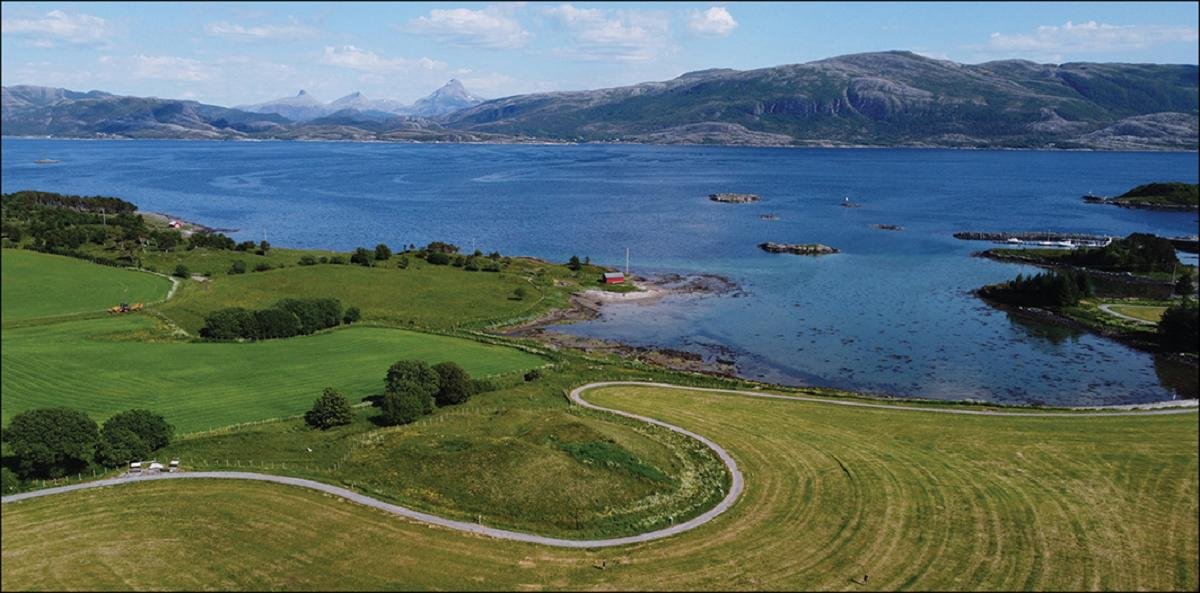
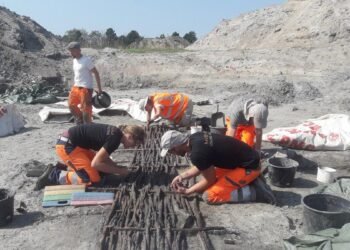
The mound rises prominently in the landscape and has drawn attention for generations. Large burial mounds appear across northern Europe, though only some contain ships. Excavating sites of this scale often brings high costs and a risk of damage, so the research team chose a targeted approach. They opened small trenches in selected areas and scanned the ground with metal detectors.
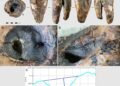
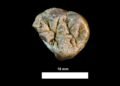
This method led to a key find. The team recovered 29 iron rivets, once used to fasten the planks of a wooden ship. Even after the wood decays, these rivets tend to stay in place. Fragments of preserved wood still attached to some rivets allowed for radiocarbon dating. The results point to a burial around CE 700, placing the ship in the late seventh or early eighth century.
Earlier models placed the rise of monumental ship burials in Scandinavia closer to CE 800, around the start of the Viking Age. Famous examples such as Sutton Hoo in England date to the early seventh century, and many scholars believed the practice spread north later. The Leka find challenges that sequence and shows that similar traditions took shape in Scandinavia earlier than assumed.
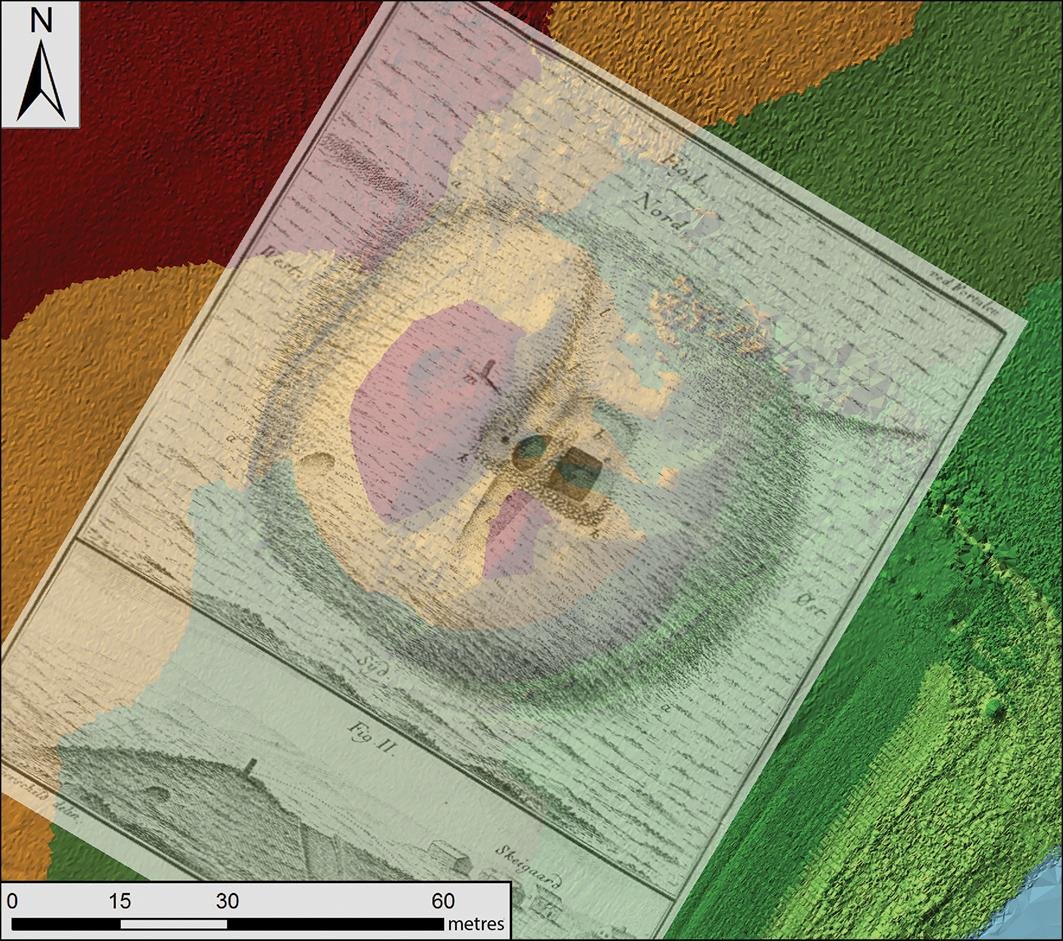
The discovery also adds detail to how people lived and organized their societies during the Late Iron Age. Building a mound of this size required labor, planning, and resources on a large scale. Such projects point to strong leadership and a clear social hierarchy. Ship burials appear tied to high status at least by the year 700, suggesting that maritime power and political authority were already closely linked.
RelatedStories
Rare Bronze Age burial in Sweden reveals unusual pair of Wendel neck rings and complex ritual landscape near Norrköping
Excavations in 2023 uncovered not only rivets but also clinker nails and wooden fragments, confirming the presence of a large seagoing vessel. The evidence places Leka within a wider network of coastal connections during the seventh and eighth centuries. The site likely served as part of an interregional system that supported trade, travel, and communication long before the Viking Age reached its peak.
Herlaugshaugen now stands as more than a legendary burial. The mound offers a rare glimpse into an earlier phase of Scandinavian society, when long-distance sea travel, social ranking, and regional networks were already taking shape.








Disclaimer: This website is a science-focused magazine that welcomes both academic and non-academic audiences. Comments are written by users and may include personal opinions or unverified claims. They do not necessarily reflect the views of our editorial team or rely on scientific evidence.
Comment Policy: We kindly ask all commenters to engage respectfully. Comments that contain offensive, insulting, degrading, discriminatory, or racist content will be automatically removed.
Hi love history of the Vikings as my DNA. Is England and Viking