
Archaeologists have uncovered an extensive set of remains along a planned high-speed railway between Nezamyslice and Kojetín in the Czech Republic. Work focused on a 1.2-kilometer stretch where more than a thousand features were recorded. The finds trace settlement in the Haná River valley from the Early Bronze Age to the Roman period and include an unusual metalworking tool from the later phase.
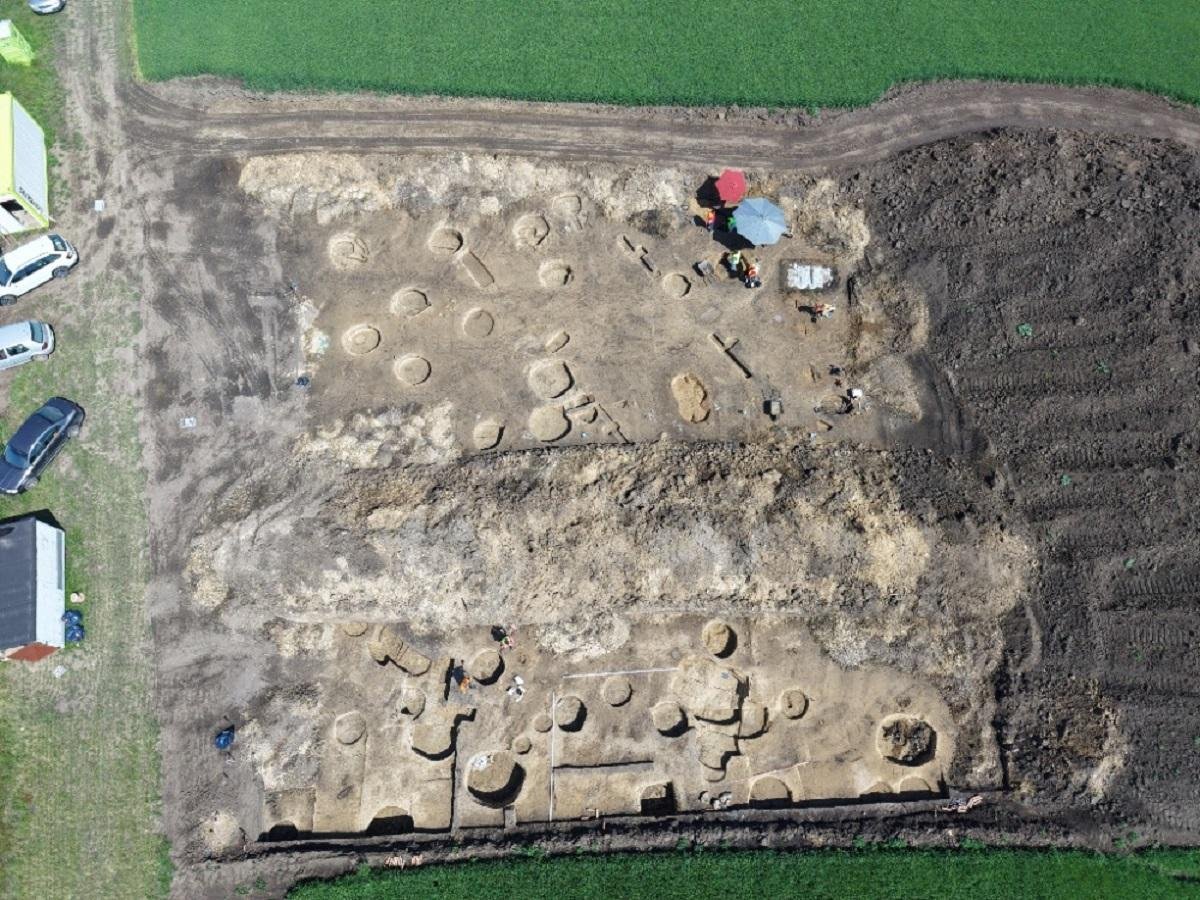
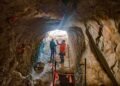
The excavation formed part of upgrades to the Brno to Přerov railway line, within a larger 9.6-kilometer construction section. A team from the Archaeological Centre Olomouc carried out fieldwork between April and late October last year. According to the center, the density of features places the site among the richest settlement complexes in this part of the region.
The earliest phase belongs to the Věteřov culture of the Early Bronze Age. Archaeologists identified post built houses with walls made of wattle and daub. After fires destroyed the structures, parts of the walls hardened and survived as fired clay. Some pieces show smooth outer surfaces, while others preserve the imprint of woven branches from the inner side. These traces reveal how the houses were built and finished.
Artifacts from the same period include pottery, spindle whorls, beads, and a bone pin. A bronze pin with a Cypriot-type head also came to light and could point to earlier activity. Two settlement burials were uncovered, including one feature with an adult and a child buried together. The remains will undergo anthropological study.
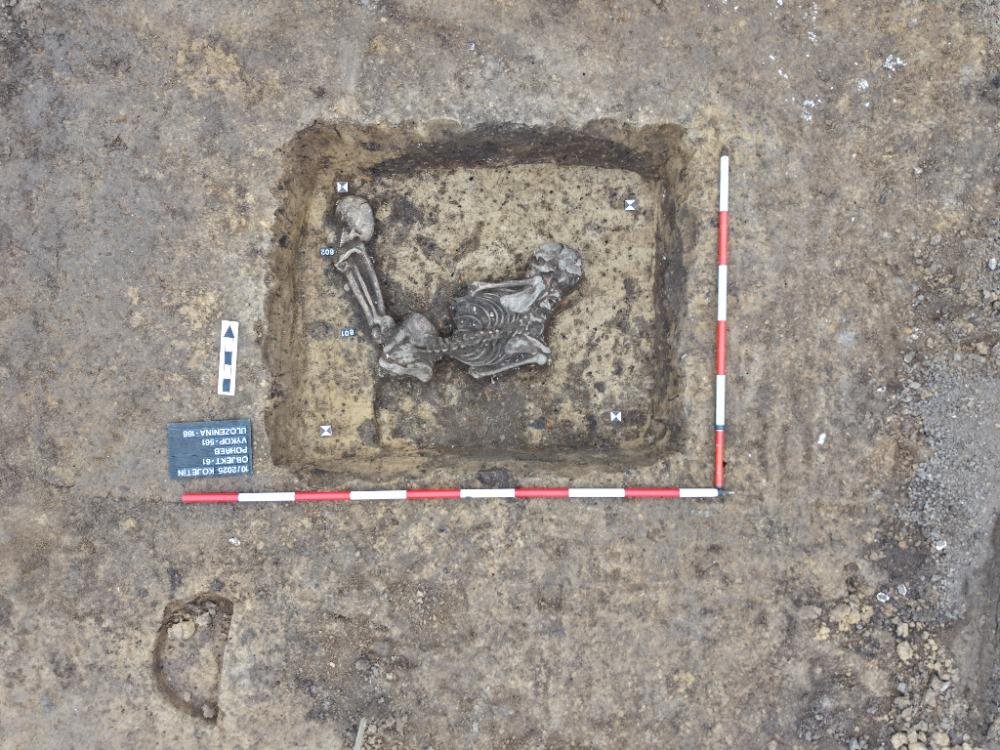
Later occupation is linked to the Urnfield culture, mainly the Silesian group from the Late Bronze Age and the Platěnice group from the Early Iron Age. Excavators recorded a wide range of settlement pits with pottery and daub fragments. Four features containing human remains drew particular attention. In one case, six skulls were placed side by side within the fill. Since cremation was common in this culture, the presence of partial remains rather than full burials suggests a specific ritual practice. Further analysis aims to clarify this pattern.

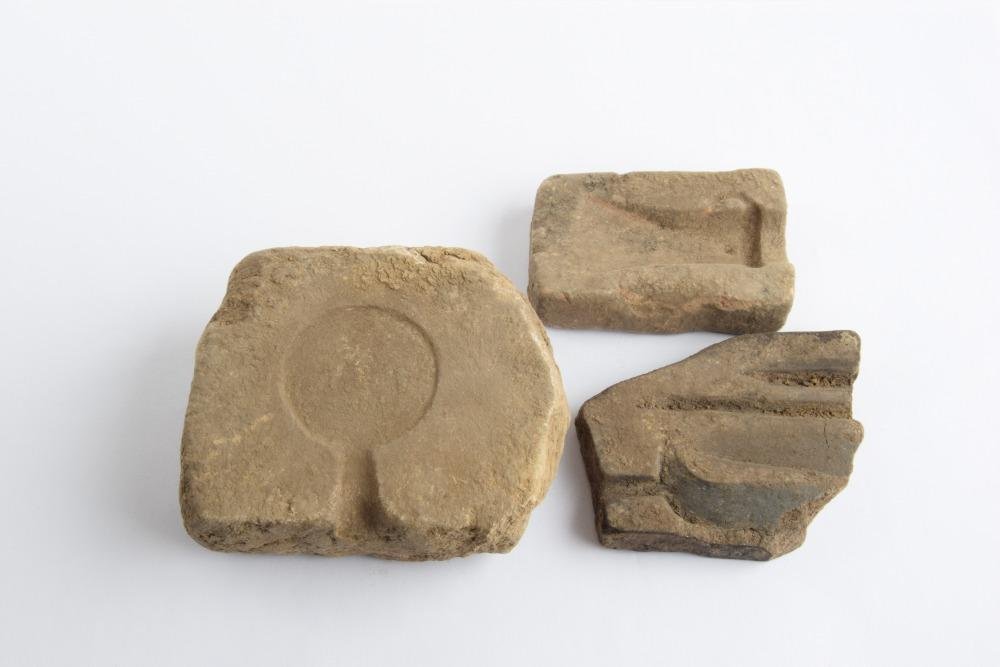
At the edge of the settlement, evidence of bronze production appeared. Stone moulds and fragments of crucibles indicate casting activity. A small group of bronze objects, including axes, pins, a bracelet, and a knife, was also recovered. These finds date to the transition from the Bronze Age to the Early Iron Age and point to a specialized workshop. Laboratory tests will check for metal traces in the moulds and assess whether the objects were produced on site.
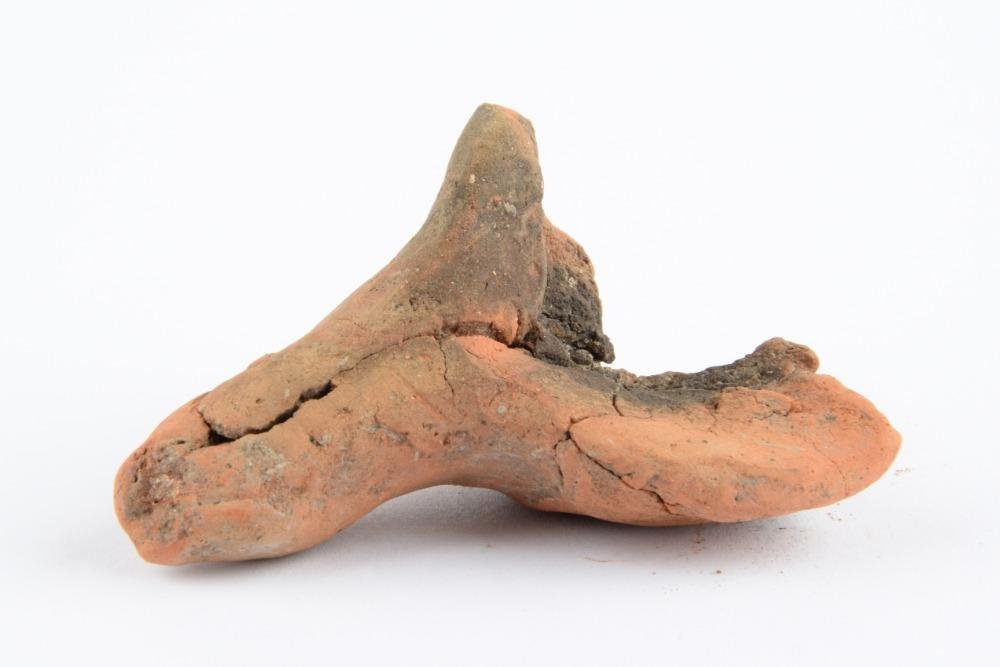
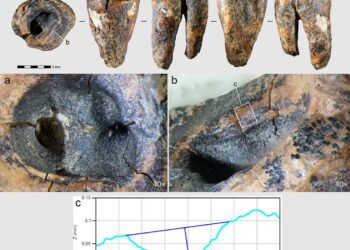
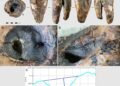
The later Iron Age is represented by traces of La Tène settlement. The youngest phase belongs to the Roman period, when Germanic groups lived in the area. Archaeologists uncovered a lime kiln used to produce material for wall finishing or pottery decoration. A well-preserved drawplate stands out among the finds. This tool was used to pull metal into thin wires, and residues inside its holes may retain traces of the processed metal. Researchers plan spectrometric analysis to identify the material, which could relate to the production of chain mail. Finds of this type are rare in Central Europe.
All recovered materials have been transferred to laboratories in Olomouc. Specialists are cleaning, conserving, and documenting the objects while carrying out detailed analyses, including study of the human remains. The results will be published as research progresses. Archaeologists note that large rescue excavations demand time and technical resources, and they warn that changes in funding or legislation could limit future work and lead to loss of archaeological evidence.
More information: Archeologické Centrum Olomouc












Disclaimer: This website is a science-focused magazine that welcomes both academic and non-academic audiences. Comments are written by users and may include personal opinions or unverified claims. They do not necessarily reflect the views of our editorial team or rely on scientific evidence.
Comment Policy: We kindly ask all commenters to engage respectfully. Comments that contain offensive, insulting, degrading, discriminatory, or racist content will be automatically removed.