
Archaeologists working in the eastern Pyrenees have identified what is now the highest-altitude prehistoric cave in the mountain range with strong evidence of repeated human occupation. Known as Cova 338, the site sits 2,235 meters above sea level in the Núria Valley near Queralbs, in northeastern Spain.
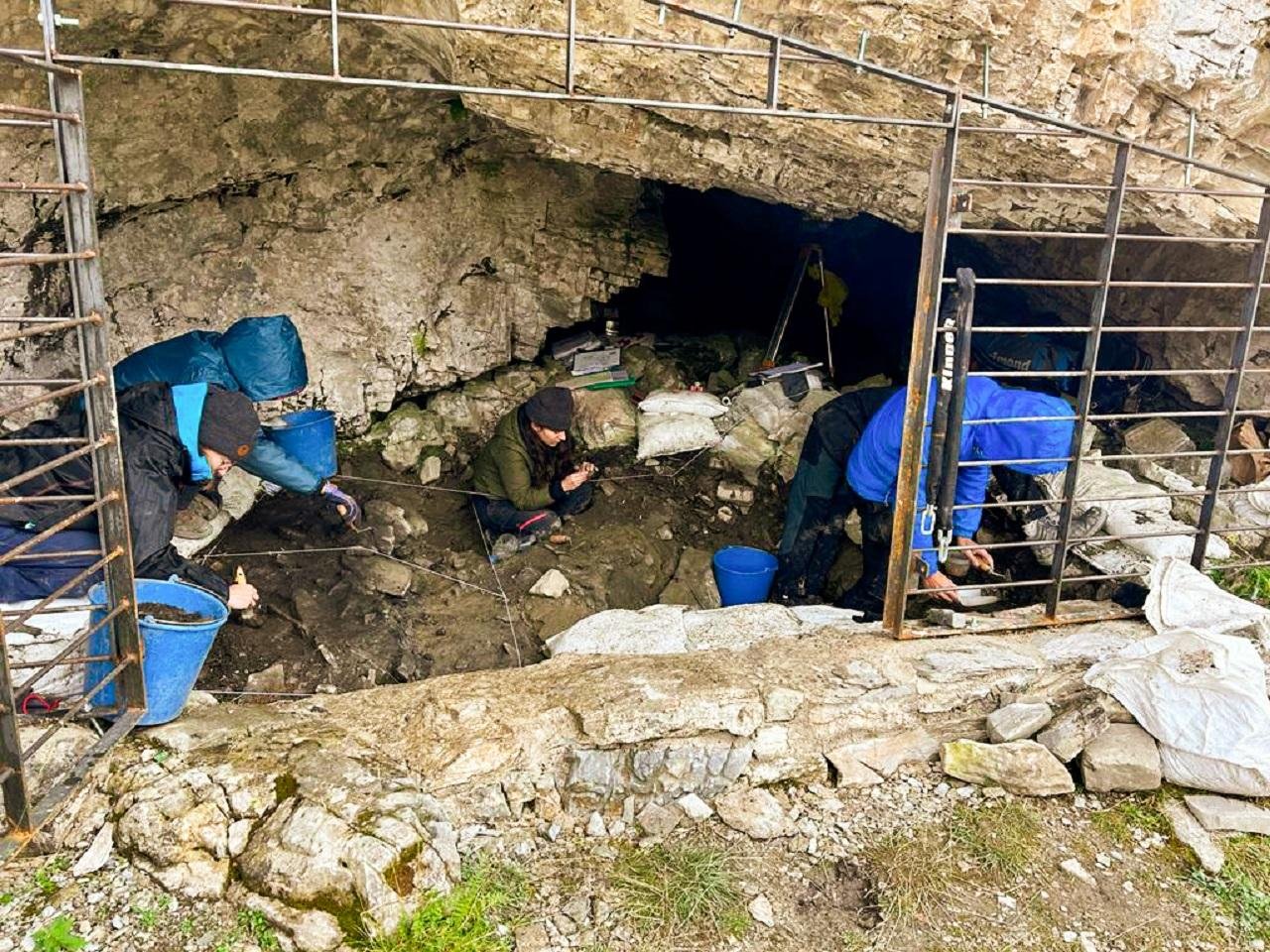
The cave was excavated between 2021 and 2023 by an international team led by researchers from the Universitat Autònoma de Barcelona and IPHES-CERCA. Their findings, published in Frontiers in Environmental Archaeology, show people returned to the cave many times between the early 5th millennium BCE and the late 1st millennium BCE.
For years, archaeologists often treated mountain zones above 2,000 meters as marginal places visited only occasionally by prehistoric groups. Cova 338 tells a different story. Excavations uncovered dense archaeological layers with repeated occupation episodes separated by periods of little or no activity, suggesting planned seasonal use over thousands of years.
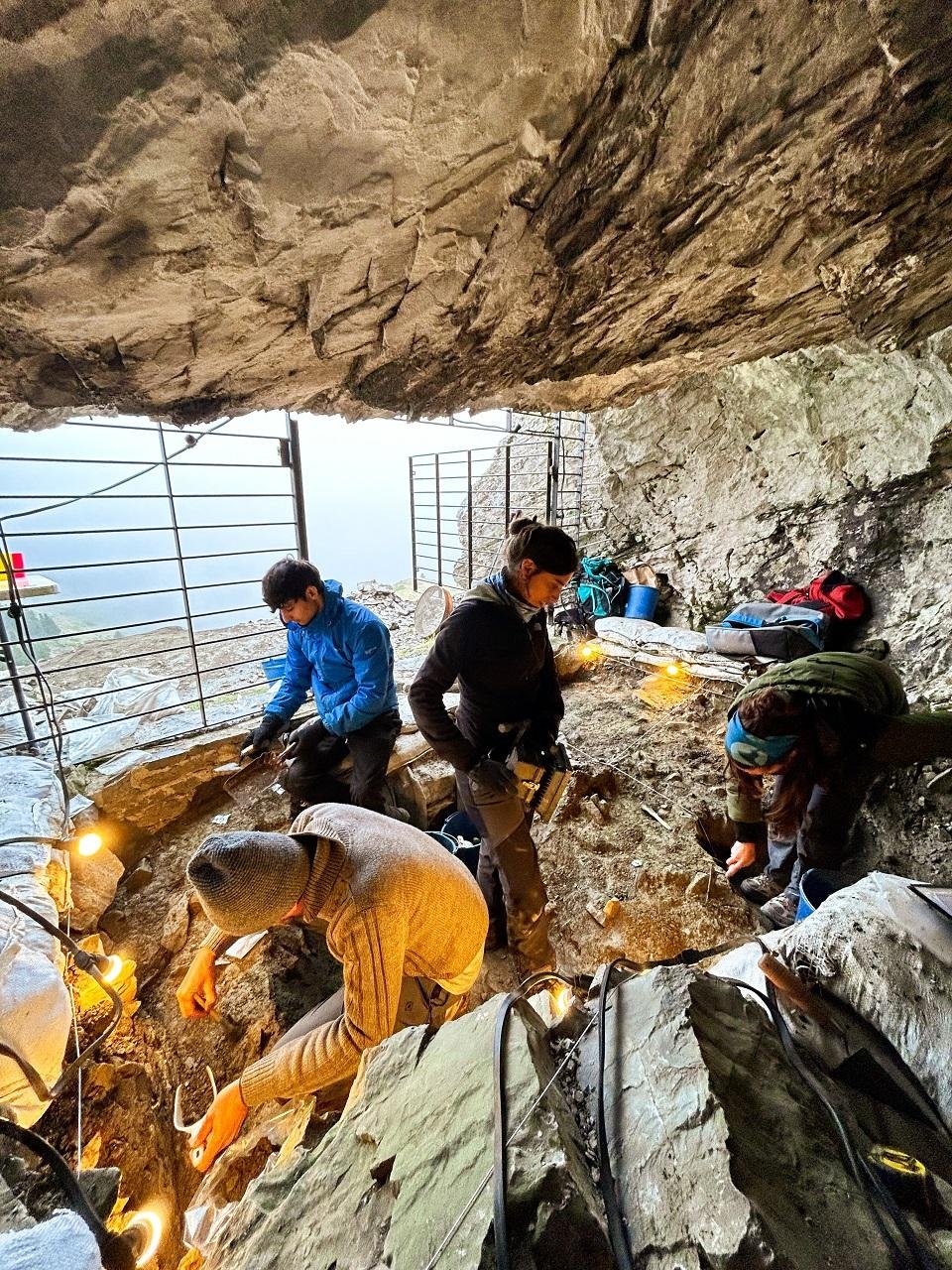
Inside the cave, researchers found a large number of hearths, animal bones, pottery fragments, stone tools, and green mineral pieces believed to be malachite, a copper-rich mineral. The mineral appears to have been carried into the cave and processed there, pointing to organized extraction and handling of copper-bearing resources in a high-mountain setting.
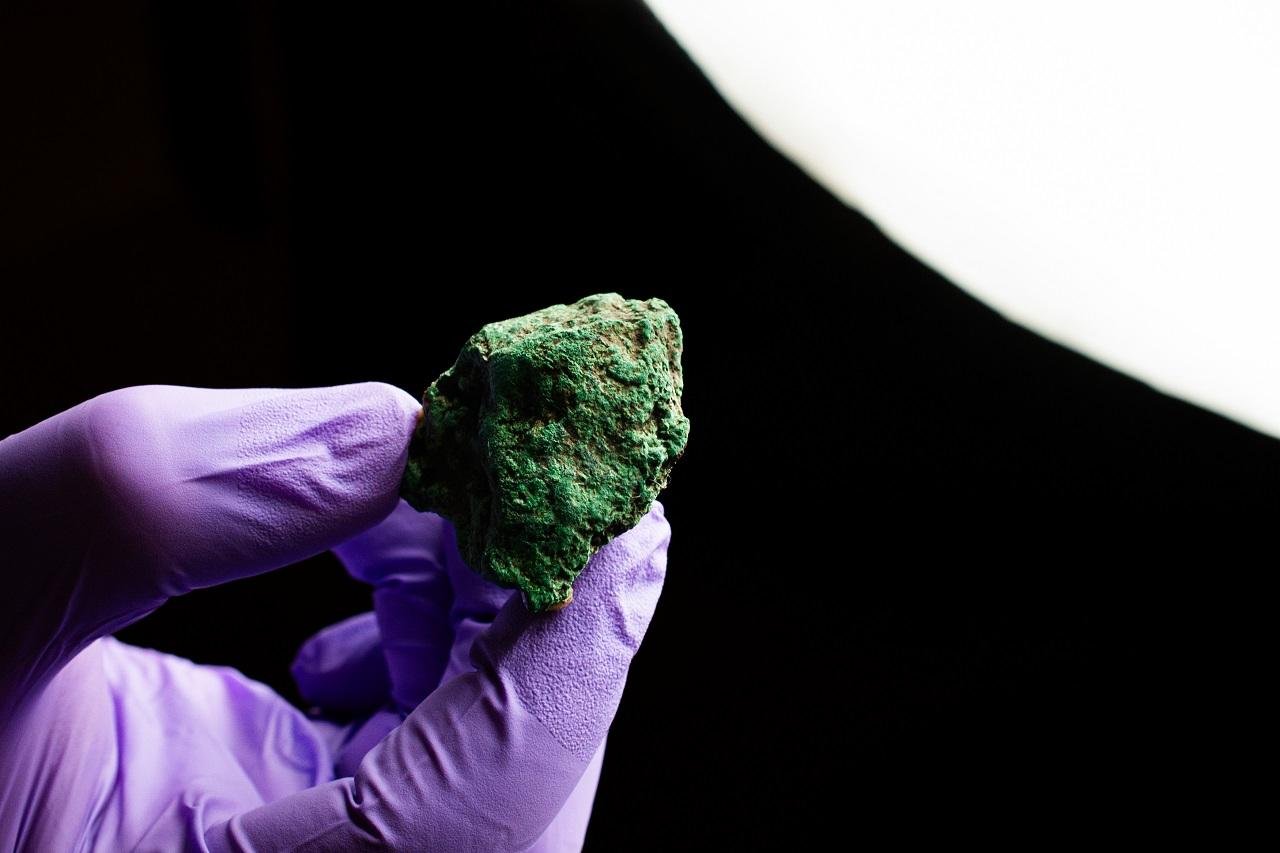
This evidence places Cova 338 among the earliest known examples of mineral exploitation at high altitude in Europe. The repeated presence of crushed green mineral fragments in combustion areas suggests these activities formed a regular part of cave use, especially during the Late Neolithic and Bronze Age.
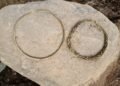
The archaeological layers also revealed signs of daily activities. Faunal remains indicate food consumption, while pit structures and tool maintenance traces suggest groups stayed long enough to carry out multiple tasks. Spatial analysis shows the cave interior was organized, with different areas likely assigned to specific activities instead of random occupation.
Researchers believe the cave functioned as a logistical camp within a seasonal mobility system. Human groups likely moved into the mountains at certain times of year to exploit local resources such as minerals, firewood, and possibly wild animals.
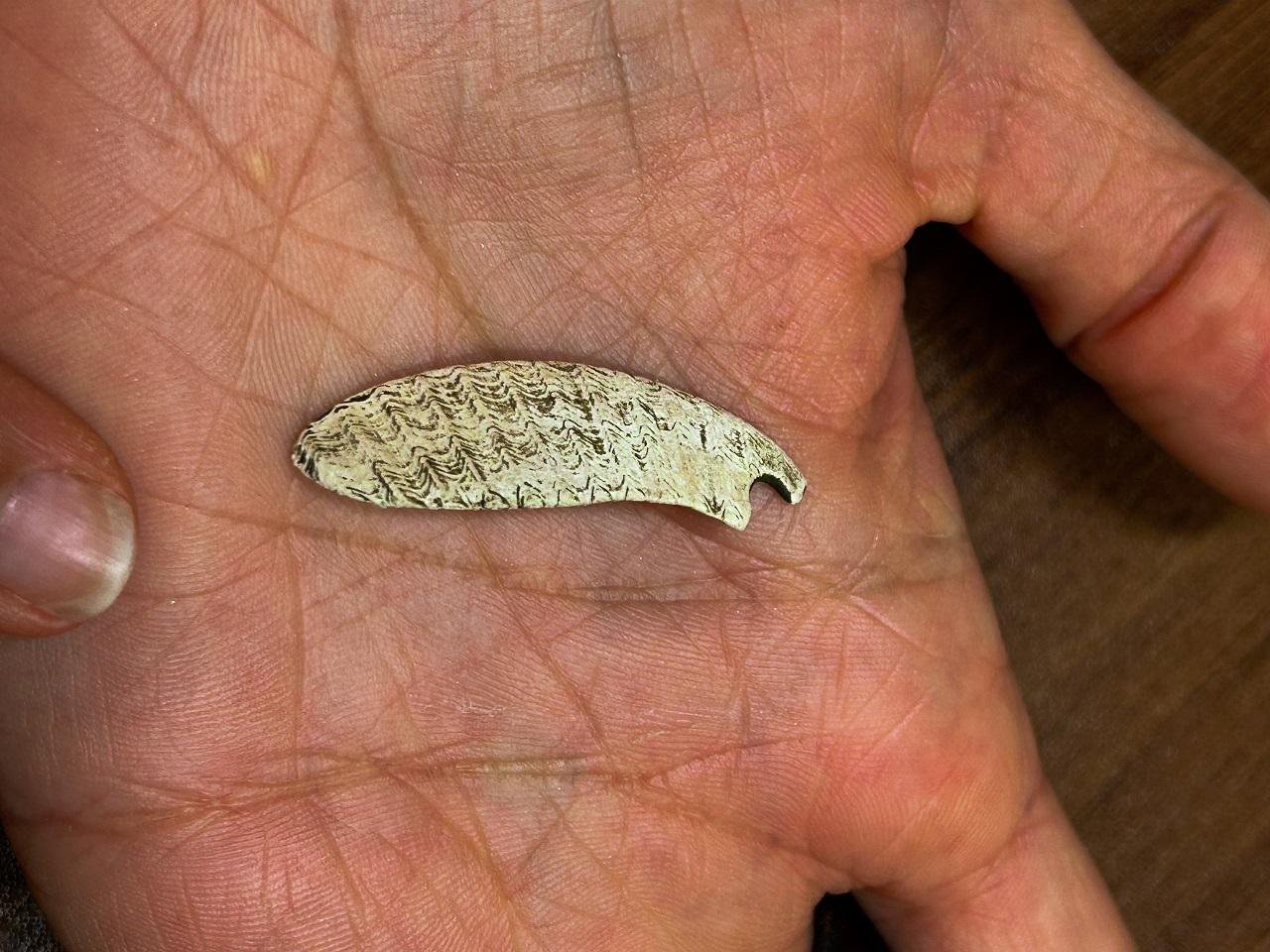
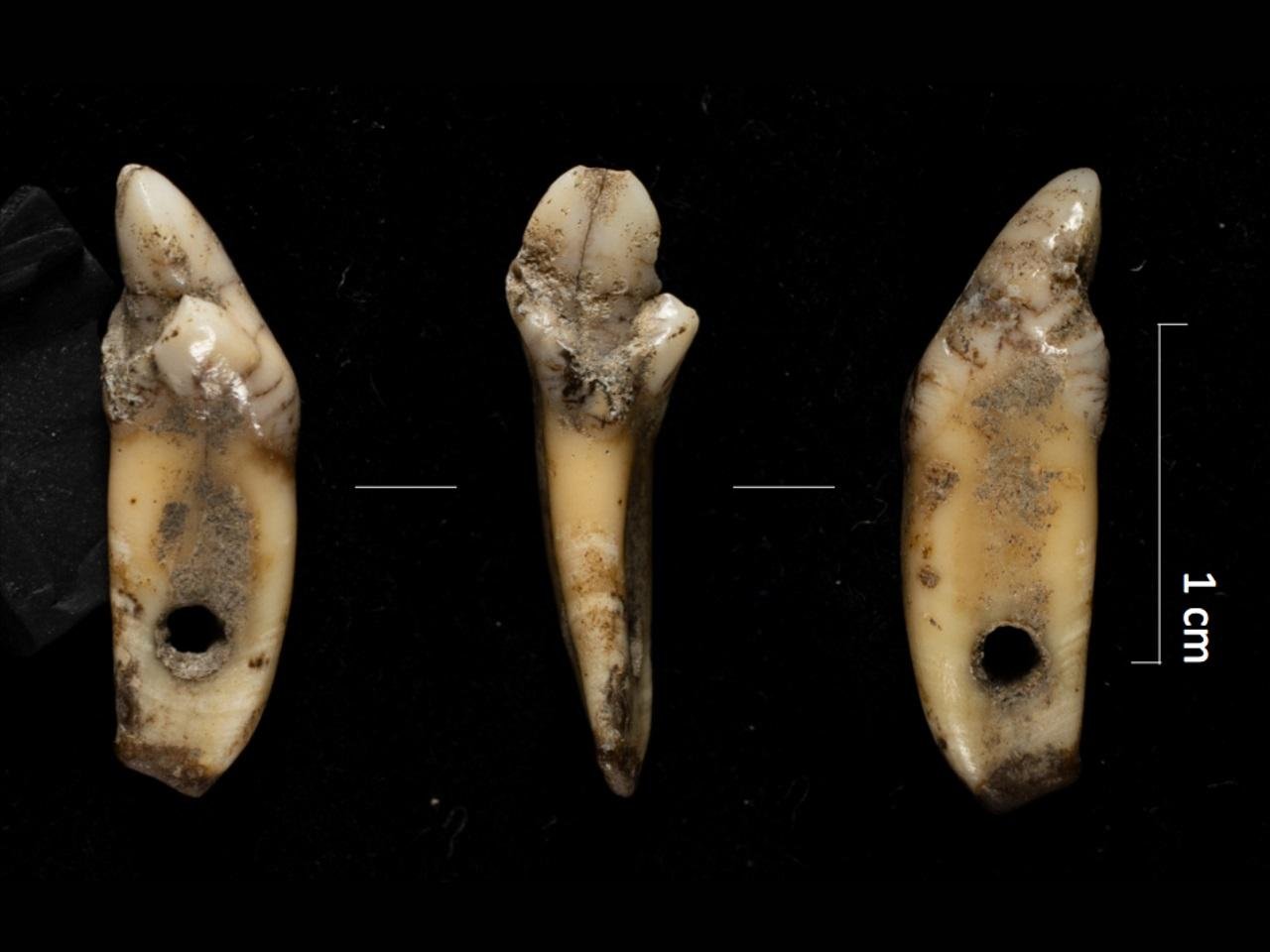
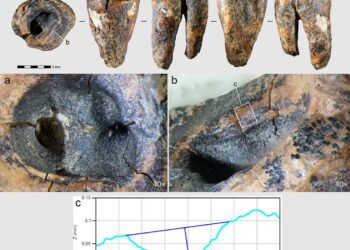
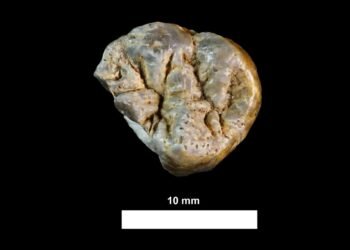
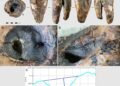
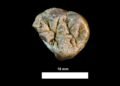
Several personal objects were also recovered, including a pendant made from a marine shell of the genus Glycimeris and another crafted from a brown bear tooth. These items point to symbolic or decorative practices and suggest the people using the cave carried meaningful objects into this demanding environment.
The site also produced human remains, including those of at least one child. This raises the possibility that the cave served not only domestic and economic purposes but also funerary functions during some occupation phases.
Cova 338 stands out from other high-altitude Pyrenean sites because of both its elevation and preservation. Comparable sites in the region are often small rock shelters or open-air structures with limited sediment deposits, leaving behind fewer and less well-preserved remains. In contrast, Cova 338 preserved a deep, stratified sequence with unusually rich material.
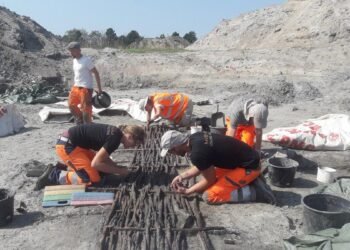
Excavating the cave has been physically demanding. The site is accessible only on foot from the Núria Valley, and no motorized transport is allowed. Archaeologists had to carry equipment and excavated sediments by hand while applying modern field methods such as 3D recording, sediment sampling, flotation, and fine recovery techniques.
Researchers plan to continue excavations in the coming years. Future work will study pollen, charcoal, seeds, and animal remains to better understand the mountain environment during the cave’s use. Teams also hope to identify the exact source of the green mineral and determine how prehistoric groups processed and used it.
The findings suggest prehistoric communities did not treat the high Pyrenees as remote or marginal land. Instead, these mountain landscapes formed part of long-term economic and seasonal strategies, with people repeatedly returning to exploit resources and organize activities in places once thought too harsh for sustained use.
More information: IPHES-CERCA






Disclaimer: This website is a science-focused magazine that welcomes both academic and non-academic audiences. Comments are written by users and may include personal opinions or unverified claims. They do not necessarily reflect the views of our editorial team or rely on scientific evidence.
Comment Policy: We kindly ask all commenters to engage respectfully. Comments that contain offensive, insulting, degrading, discriminatory, or racist content will be automatically removed.