
A new study from central China is changing how scientists think about creativity and survival among ancient humans. Archaeologists studying the Lingjing site found evidence that Homo juluensis, an extinct human group related to modern humans, produced carefully designed stone tools during a harsh ice age around 146,000 years ago.
The finding comes after more than a decade of excavations at Lingjing, a site filled with animal bones and stone artifacts. Researchers say the tools show a level of planning and technical skill once thought uncommon in East Asia during the late Middle Pleistocene, a period between 300,000 and 120,000 years ago.
Scientists had previously estimated the tools to be no older than 126,000 years. At that time, the region experienced a warmer interglacial climate. A new analysis changed that timeline.
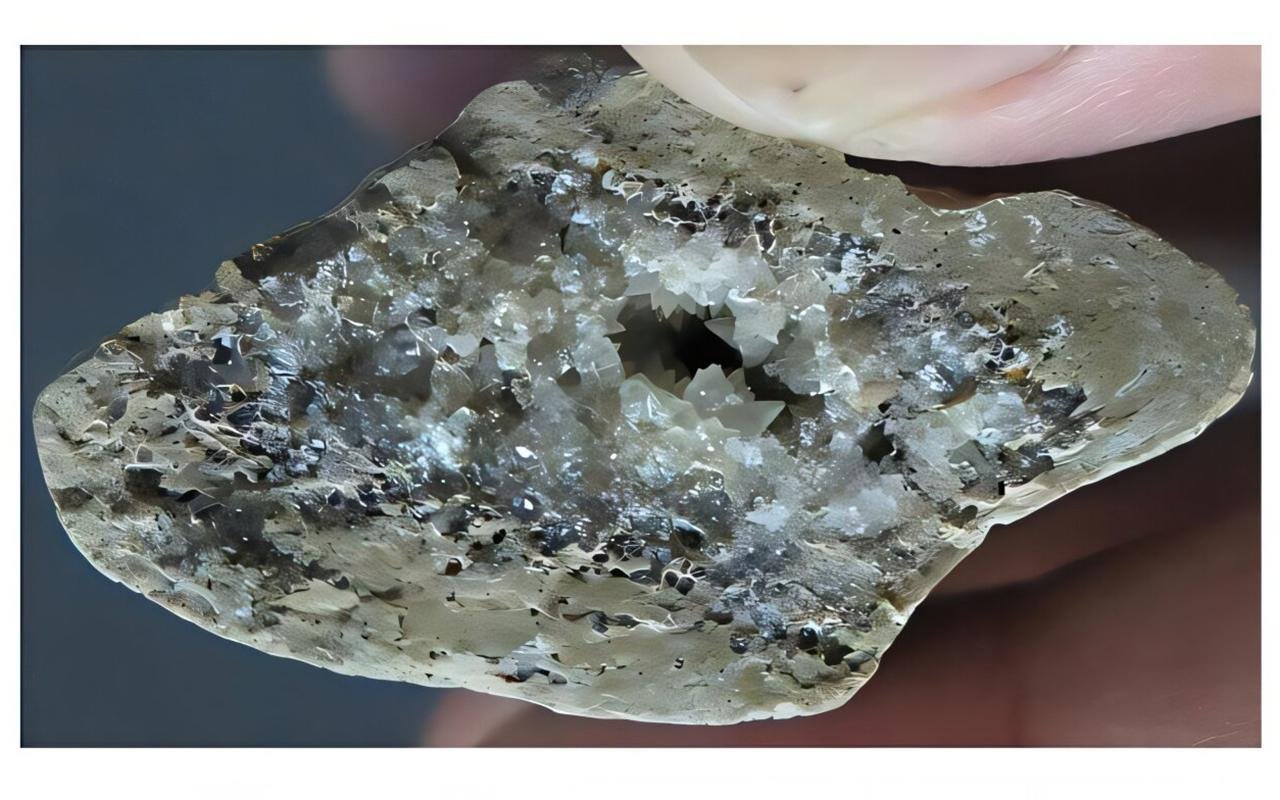
The team studied calcite crystals found inside a rib bone from a deer-like animal uncovered at the site. These crystals contain small amounts of uranium, which slowly breaks down into thorium over time. By measuring the ratio between the two elements, researchers calculated the age of the crystals and refined the age of the archaeological layer where the tools were found.
The results showed the tools dated back about 146,000 years, placing them in a cold glacial period instead of a warmer climate phase.


Yuchao Zhao, assistant curator of East Asian archaeology at the Field Museum in Chicago and lead author of the study published in the Journal of Human Evolution, said the new date changes the broader story behind the artifacts. He explained that people often associate creativity with times of abundance and stability, yet the Lingjing evidence points toward innovation developing under environmental stress.
The site was occupied by Homo juluensis, a human group described as having a mix of physical traits seen in eastern Asian archaic humans and Neanderthals from Europe. Researchers also note their unusually large brain size. Scientists believe modern human ancestors may have interacted with them.
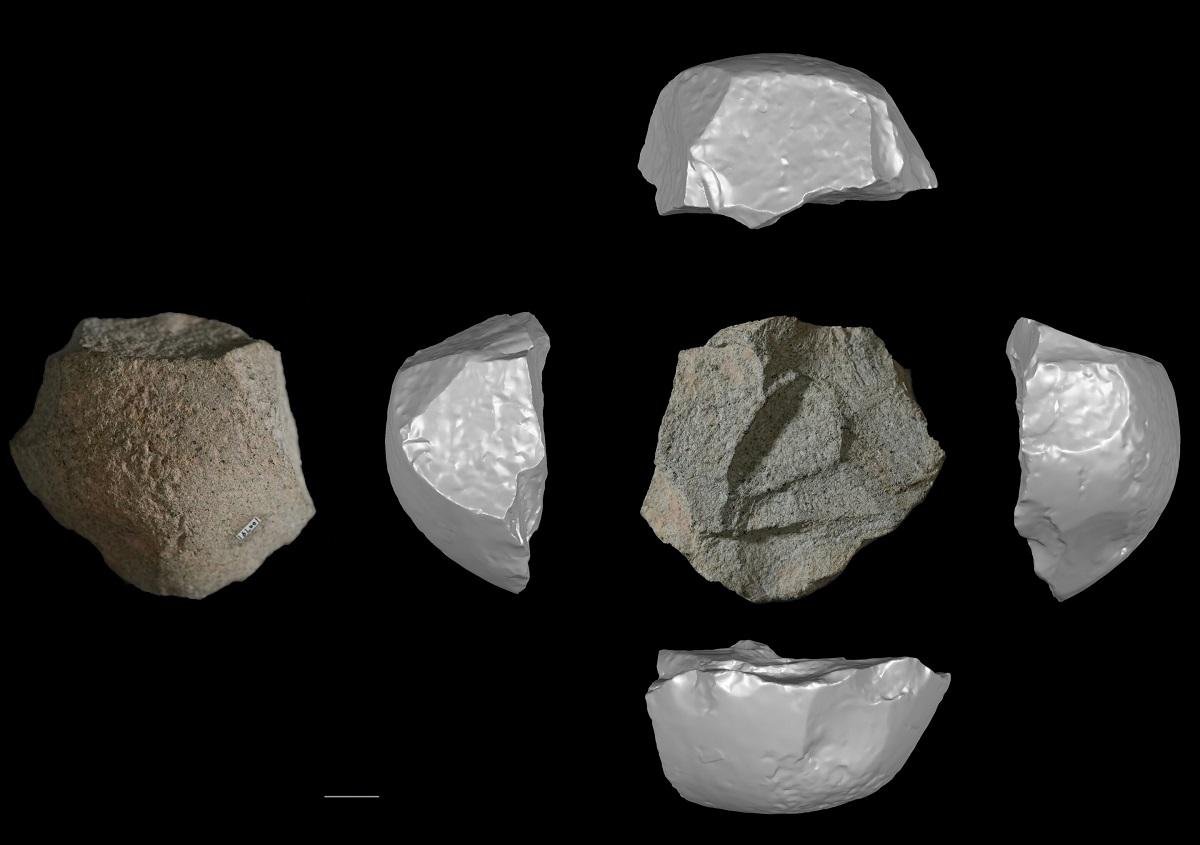
The stone artifacts themselves stood out because of how they were made. Researchers examined disk-shaped stone cores created by striking smaller stones against larger ones. Some cores showed balanced shaping on both sides. Others followed a more organized structure, where one side acted as the striking platform and the other side produced sharp flakes.
According to the researchers, these asymmetrical cores reveal careful management of the stone’s shape and angles. The toolmakers understood how fractures spread through stone and adjusted the surfaces to continue producing usable flakes.
Zhao described the process as far more advanced than random flaking. The researchers argue that the makers understood stone properties and followed a planned sequence during production.
The study also points to similarities between the Lingjing tools and Middle Paleolithic technologies linked to Neanderthals in Europe and ancient human populations in Africa. Researchers say this suggests advanced technological thinking developed across different regions rather than appearing only in western Eurasia.
For years, many archaeologists believed East Asian human groups from this period showed limited technological change compared with populations in Europe and Africa. The Lingjing discoveries challenge that view.
The revised age of the site also changes how researchers interpret the relationship between climate and human innovation. Instead of linking creativity to favorable environmental conditions, the evidence from Lingjing suggests difficult climates pushed ancient humans to adapt and improve their technology in order to survive.
The researchers say the findings add another layer to the growing picture of human evolution in East Asia, showing ancient populations developing sophisticated behavior during some of the coldest conditions of the Pleistocene.












Disclaimer: This website is a science-focused magazine that welcomes both academic and non-academic audiences. Comments are written by users and may include personal opinions or unverified claims. They do not necessarily reflect the views of our editorial team or rely on scientific evidence.
Comment Policy: We kindly ask all commenters to engage respectfully. Comments that contain offensive, insulting, degrading, discriminatory, or racist content will be automatically removed.